Day: February 4, 2026

  • Jamaica, Uninterrupted

    Jamaica, Uninterrupted

    Life after Melissa — what’s open, what’s changed, and why Jamaica keeps moving

    Hurricane Melissa did not test Jamaica gently.

    When it made landfall, it did so as one of the most powerful storms ever recorded globally—a Category 5 system whose sustained winds and pressure placed it among the most intense hurricanes the Atlantic has produced. This was not a storm that brushed past. It pressed into the island. Every parish felt it in some form.

    Coastal towns such as Black River and Whitehouse absorbed direct impact. In St. Elizabeth, long defined by agricultural continuity and quiet self-reliance, losses reshaped daily life. Across the island, hotels closed—some temporarily, others indefinitely—disrupting thousands of livelihoods in a sector that remains central to Jamaica’s economy.

    There was nothing normal about what followed.

    And yet, what emerged was not paralysis. It was coordination.
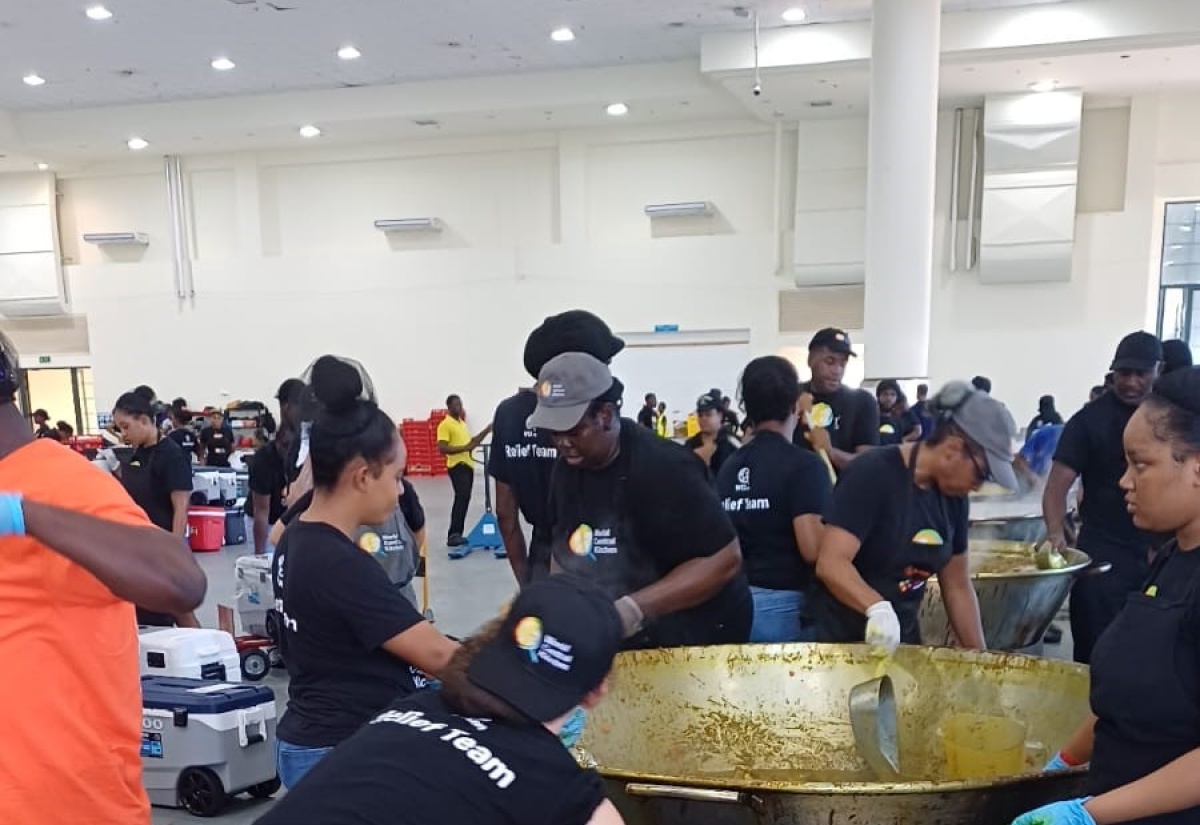
     

    World Central Kitchen Jamaica hurricane relief

    Jamaica After Hurricane Melissa: What Happened Next

    In the weeks after Melissa, Jamaica moved quickly from shock to action. Not through spectacle, but through systems.

    Support arrived regionally and globally. World Central Kitchen mobilised with speed and precision, providing meals as infrastructure rather than symbolism. Food moved where it was needed, feeding communities, responders, and rebuilding crews.

    Cultural figures stepped forward not as personalities, but as Jamaicans. Sean Paul and Shaggy used their reach to mobilise resources. The Bob Marley Foundation and Peter Tosh Foundation anchored relief in continuity and legacy, reinforcing that Jamaica’s cultural capital has always travelled far beyond its shores.

    Diaspora organisations, including American Friends of Jamaica, coordinated aid with structure and intent. Across the Caribbean, engineers and disaster response teams worked to restore electricity grids, water systems, and transport routes.

    Poles were replaced. Lines were restrung. Roads reopened in stages.

    This was not charity theatre.
    It was collective effort.

    The Quiet Wins That Signal Real Progress

    Resilience is often framed as a single dramatic act. In Jamaica, it arrived differently.

    Electricity returned circuit by circuit.
    Schools reopened on modified schedules.
    Local shops unlocked their doors again.
    Markets refilled with voices.
    Fishermen returned to sea.

    Some moments carried quiet symbolism. The reopening of the Pelican Bar, battered but standing again, mattered not because it attracts visitors—but because it belongs to Jamaicans first. Its return signalled continuity rather than celebration.

    These moments did not announce recovery.
    They signalled belief.
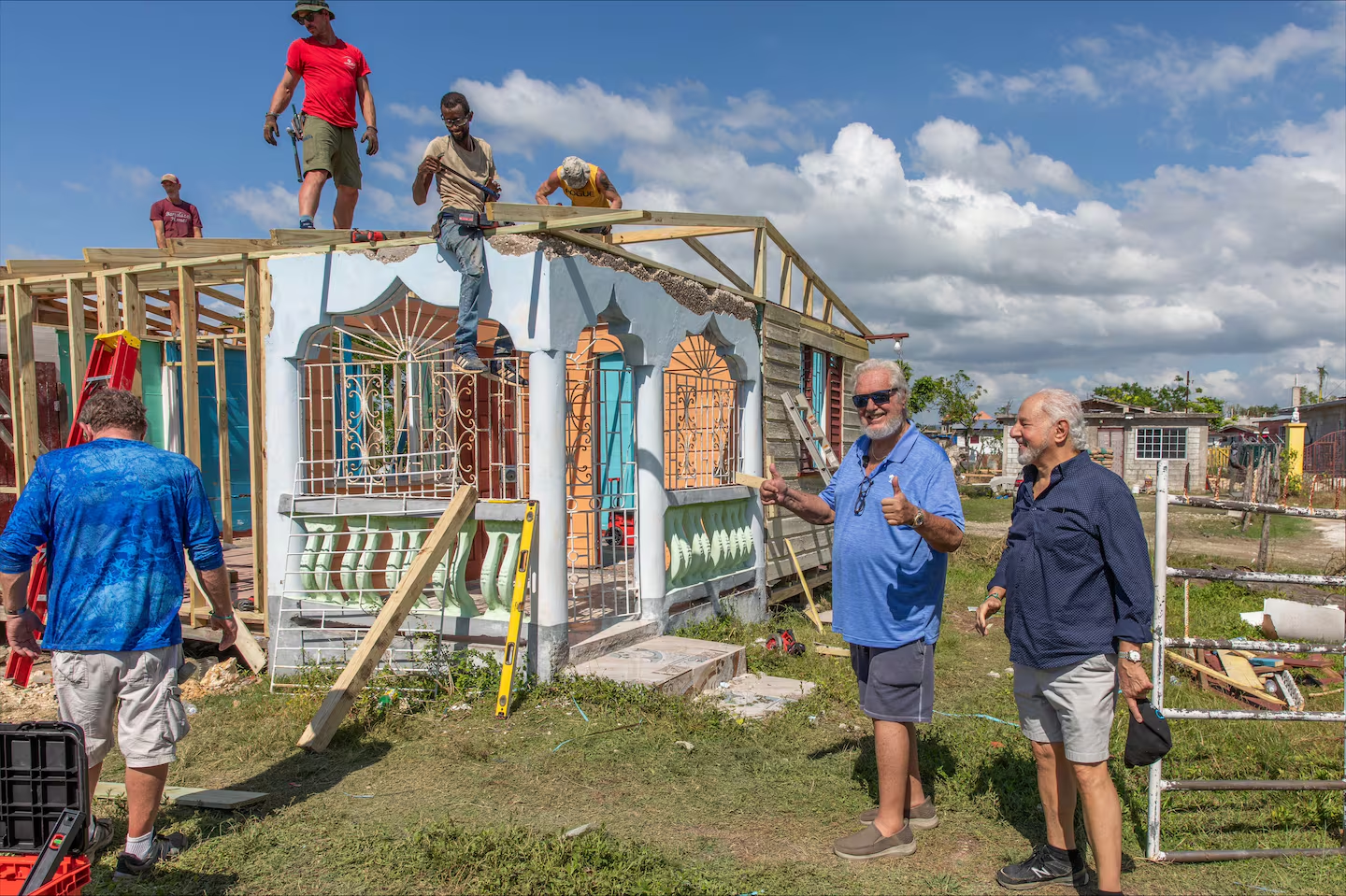
    South Coast Jamaica rebuilding community volunteers

    Tourism in Jamaica: Disrupted, Not Erased

    Tourism took a direct hit. That reality matters.

    Major hotel brands across the island sustained damage. Properties operated by Sandals, Half Moon, Secrets, and Hyatt entered extended rebuild phases. Some chose not only to restore, but to upgrade—modernising infrastructure and strengthening long-term resilience.

    Others reopened faster. Brands such as Riu and Iberostar resumed operations with notable speed, restoring employment and economic flow. On the South Coast, Jake’s navigated devastation with characteristic resolve, reopening in phases while remaining rooted in its surrounding community.

    Still, many hotels remain closed.
    Jobs remain disrupted.
    Retail operations tied to consistent tourist traffic continue to feel absence.

    This is the hard truth.
    It deserves to be stated plainly.

    But it is not the full story.

    December 15: Jamaica Reopens With Intention

    On December 15, Jamaica officially reopened for the tourism season.

    Not as a declaration that rebuilding was complete—but as a signal that the island was ready to welcome again, consciously and carefully. Travel resumed with awareness. Visitors arrived into a living, functioning country, not a staged narrative.

    What they found was not perfection.
    They found honesty. Warmth. Continuity.

    Many travelers spoke of something rare: a deeper connection to place. A sense that presence itself carried meaning. That visiting Jamaica now was not consumption, but participation.

    Jamaica did not ask to be saved.
    It asked to be engaged.
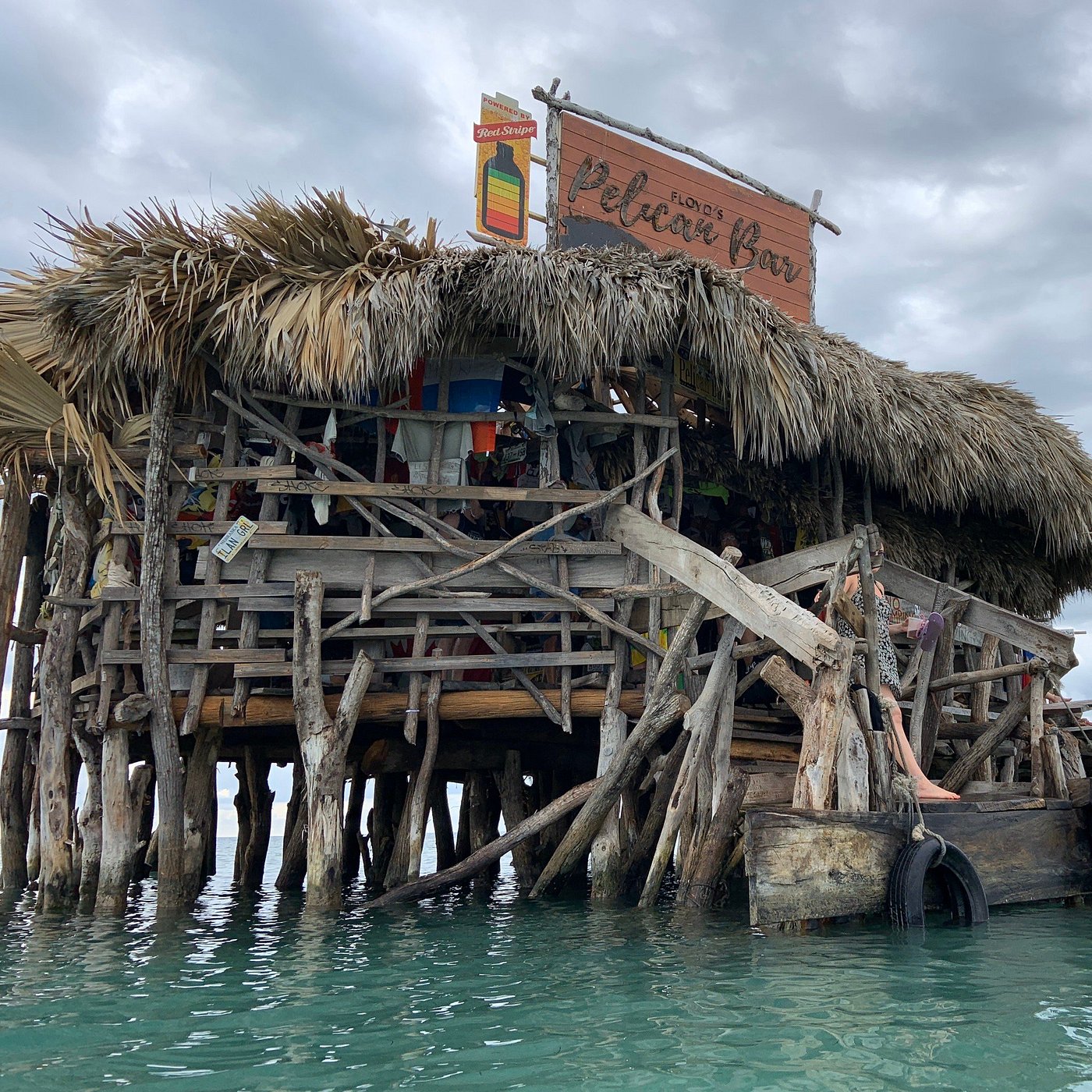
    Pelican Bar Jamaica reopened

    Rebuilding Jamaica: A Moment of Unusual Opportunity

    What makes this phase different is scale.

    Jamaica has secured unprecedented levels of international financial support for reconstruction—funds earmarked not just for repair, but for resilience. Stronger grids. Smarter infrastructure. Hospitality assets designed for durability rather than speed.

    For many businesses, rebuilding has become an opportunity to improve what comes next rather than replicate what existed before. Systems are being reconsidered. Design is being strengthened. Tourism is being recalibrated with longevity in mind.

    The capital has not fully landed yet.
    The story is still unfolding.

    But the foundation is deliberate.

    Why Visiting Jamaica Now Matters

    To visit Jamaica now is not to step into a crisis.
    It is to step into a chapter.

    An island open for business.
    An island rebuilding with intention.
    An island still offering extraordinary experiences—from its coastline to its cuisine, from its music to its hospitality.

    This is the birthplace of Bob Marley, Usain Bolt, Shelly-Ann Fraser-Pryce, Asafa Powell, and Jimmy Cliff—a country whose cultural influence has always exceeded its size.

    To come now is to support jobs, communities, and momentum.
    To leave with stories that feel earned, not staged.

    Jamaica’s Future, Already in Motion

    There is a massive rebuild story still being written in Jamaica. It will take years, not months. It will be uneven, demanding, and imperfect.

    But the signs are present.

    Lights on.
    Doors opening.
    Planes landing.
    Laughter returning to familiar places.

    Jamaica is not defined by what it lost.
    It is defined by what it is building.

    Uninterrupted—not because nothing happened,
    but because something did, and Jamaica moved forward anyway.
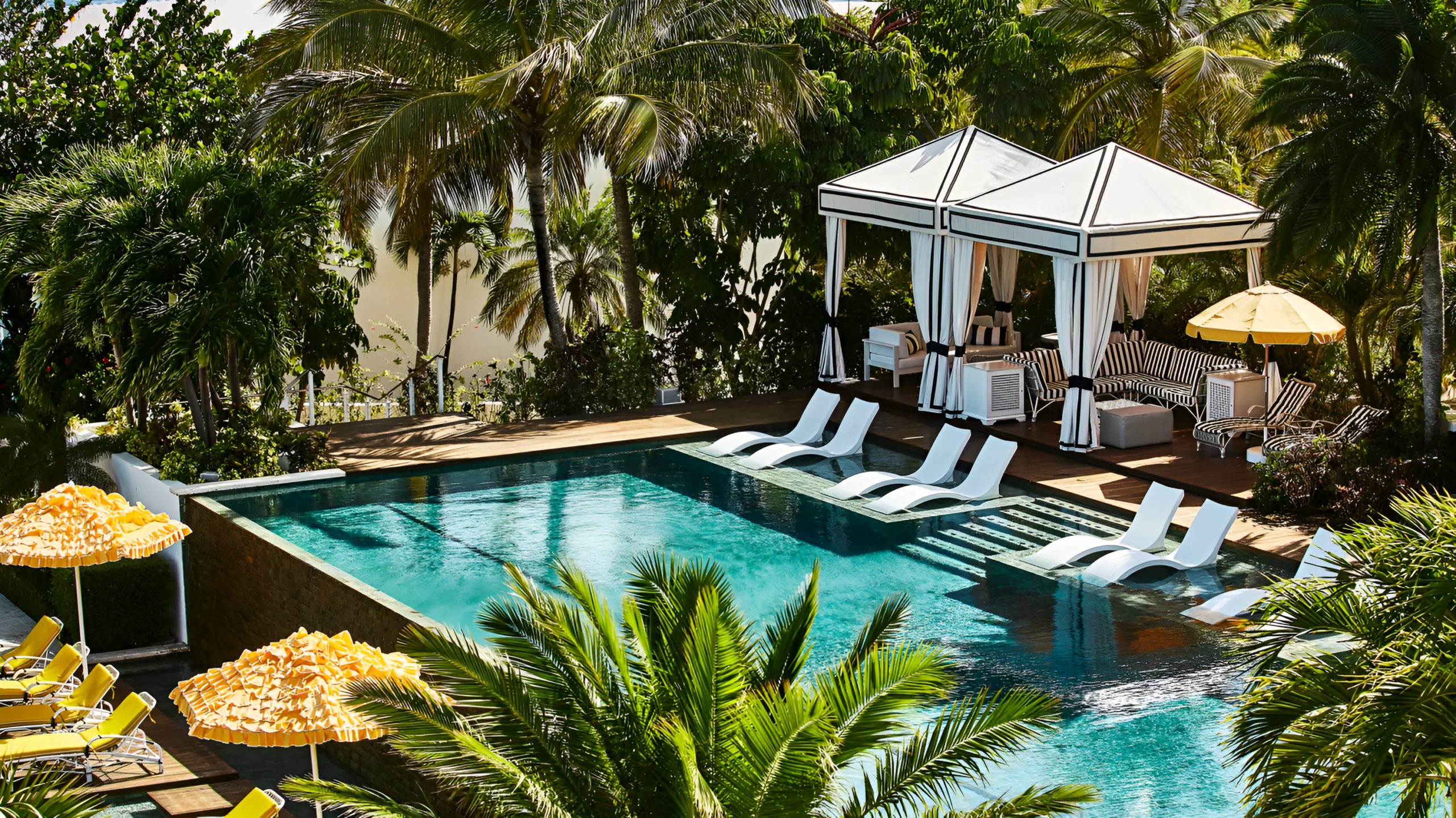
  • Why Smaller Hotels Are Setting the New Standard

    Why Smaller Hotels Are Setting the New Standard

    Something has shifted in Caribbean hospitality.
    Not loudly. Not abruptly. But with intention.

    Across the region, the most satisfying luxury hotel experiences are no longer defined by size or scale. They are unfolding in smaller, design-led hotels that favor rhythm over spectacle, clarity over excess, and human experience over volume.

    These properties are not alternatives to luxury.
    They are refinements of it.

    This is not a trend.
    It is a recalibration.

    When Big Luxury Stopped Feeling Definitive

    For years, luxury travel in the Caribbean followed a familiar formula. Bigger footprints. More amenities. More promises made upfront. Resorts were engineered to impress on arrival and manage expectations afterward.

    That approach still functions.
    But it no longer feels conclusive.

    Scale introduced distance—between guest and place, between staff and decision-making, between experience and specificity. Service became procedural. Design became transferable. Being somewhere extraordinary began to feel suspiciously like being anywhere.

    Nothing was overtly wrong.
    But very little felt considered.

    Travelers noticed.

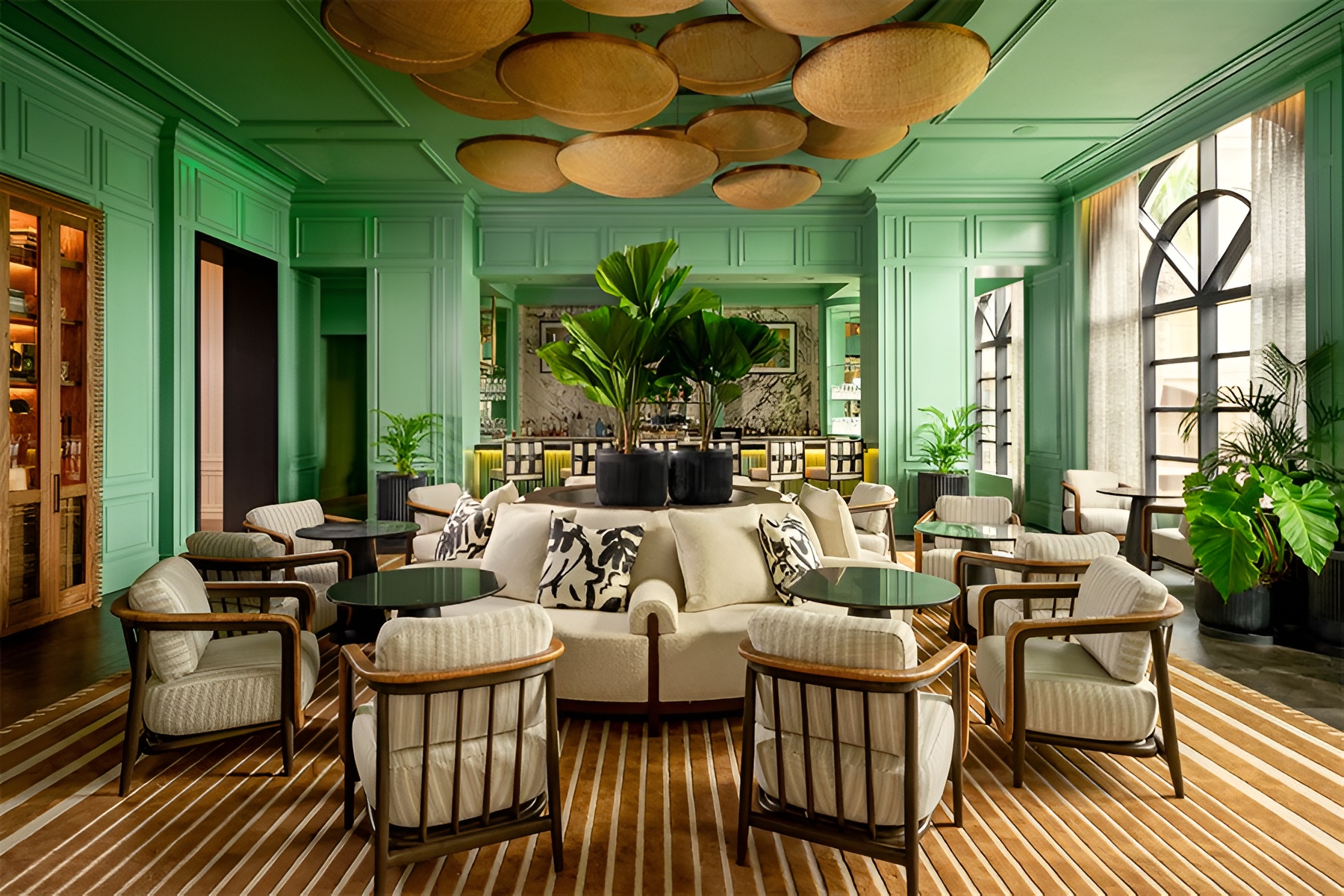
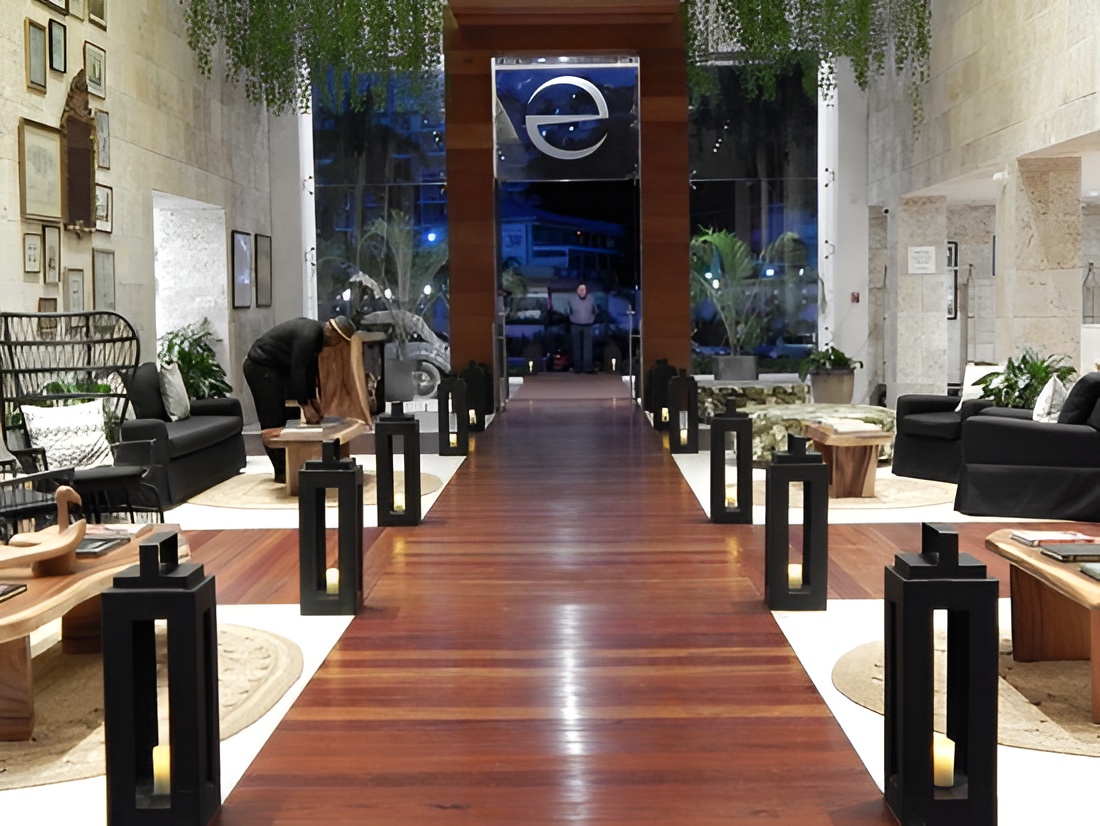
    Small Hotel Lobby in the Caribbean

    Why Smaller Hotels Deliver Better Luxury Experiences

    Smaller hotels operate differently because they can.

    They are not built to satisfy thousands at once or justify themselves through spectacle. Decisions are made closer to the ground, closer to the guest, and closer to the place they inhabit.

    As a result, choices feel sharper.

    Rooms are designed for comfort rather than turnover. Materials are selected rather than standardized. Light, sound, and space are treated as essential elements, not finishing touches. Silence is allowed to exist.

    This is where luxury begins to feel physical again.

    Human-Scale Service, Not Scripted Hospitality

    Service changes when scale changes.

    In smaller luxury hotels, warmth is not performed. It is situational. Staff remember patterns rather than preferences logged in a system. Conversations respond to the moment rather than a script. Adjustments happen naturally, without policy intervening.

    The experience feels responsive instead of managed.

    Most importantly, these hotels move at the pace of their surroundings instead of overriding them. They do not extract energy from the place. They settle into it.

    That difference is felt immediately.

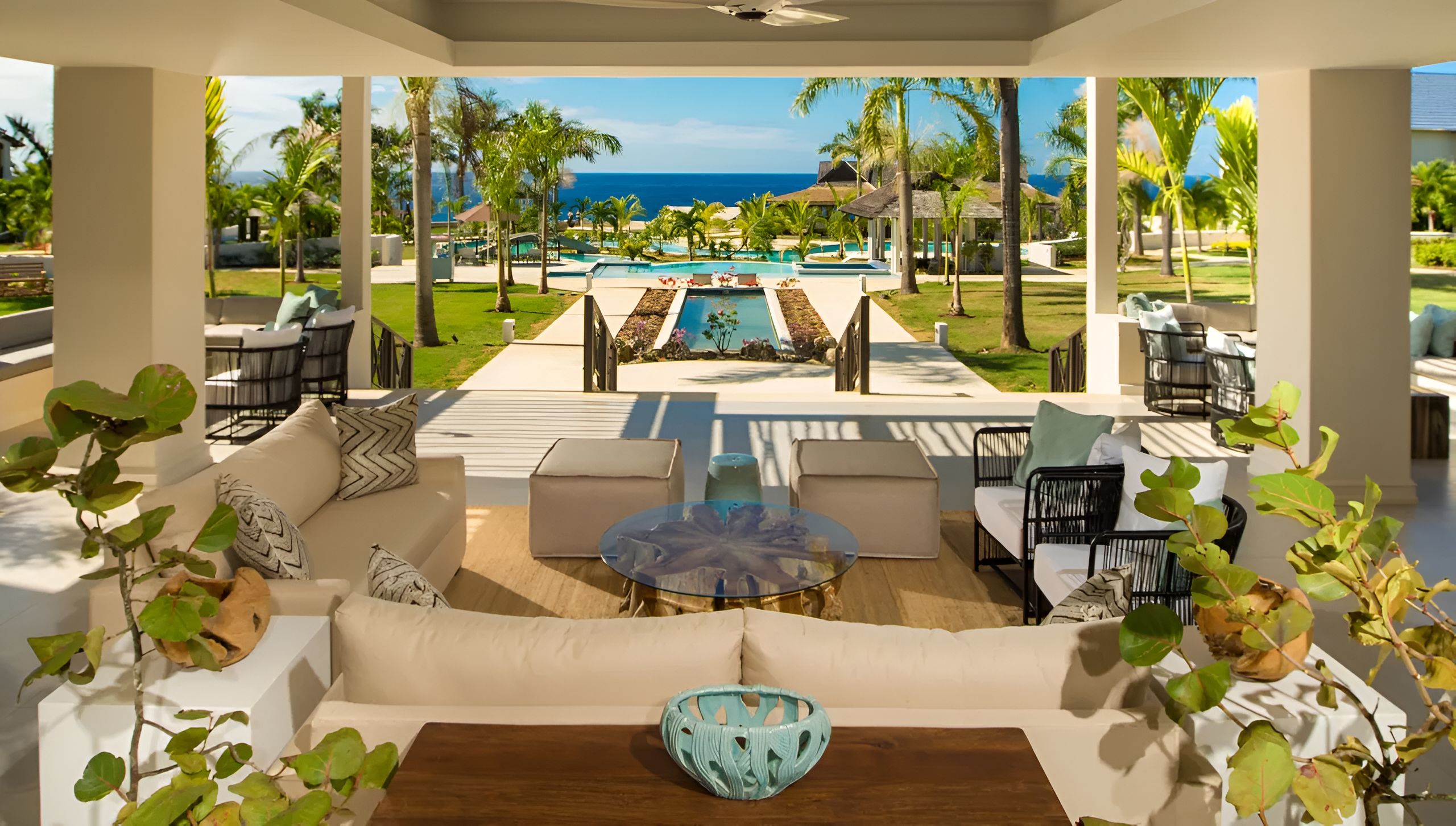
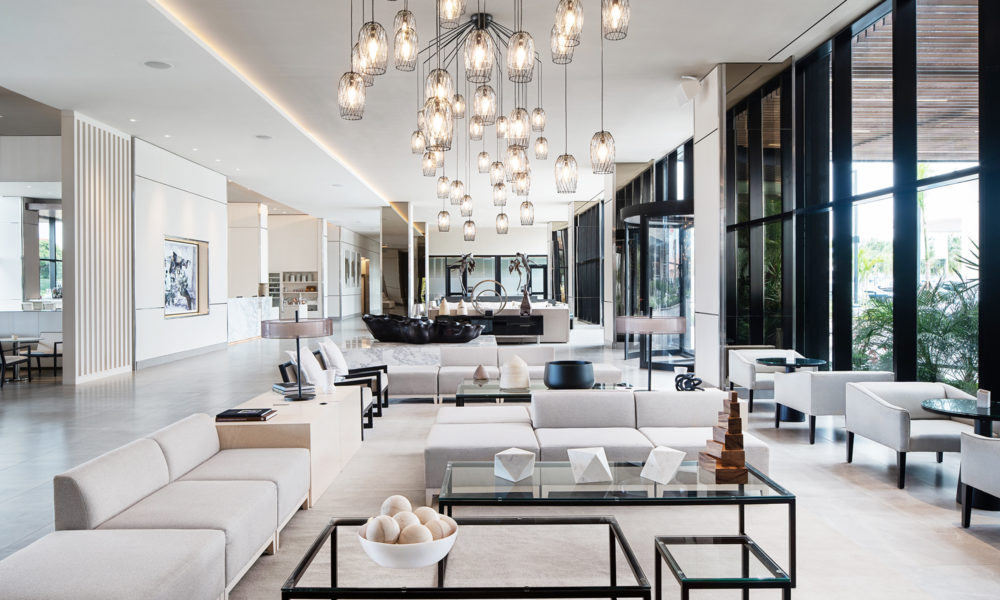
    Design-led Caribbean hotel emphasizing space, restraint, and human-scale hospitality

    Caribbean Boutique Hotels as Proof, Not Profiles

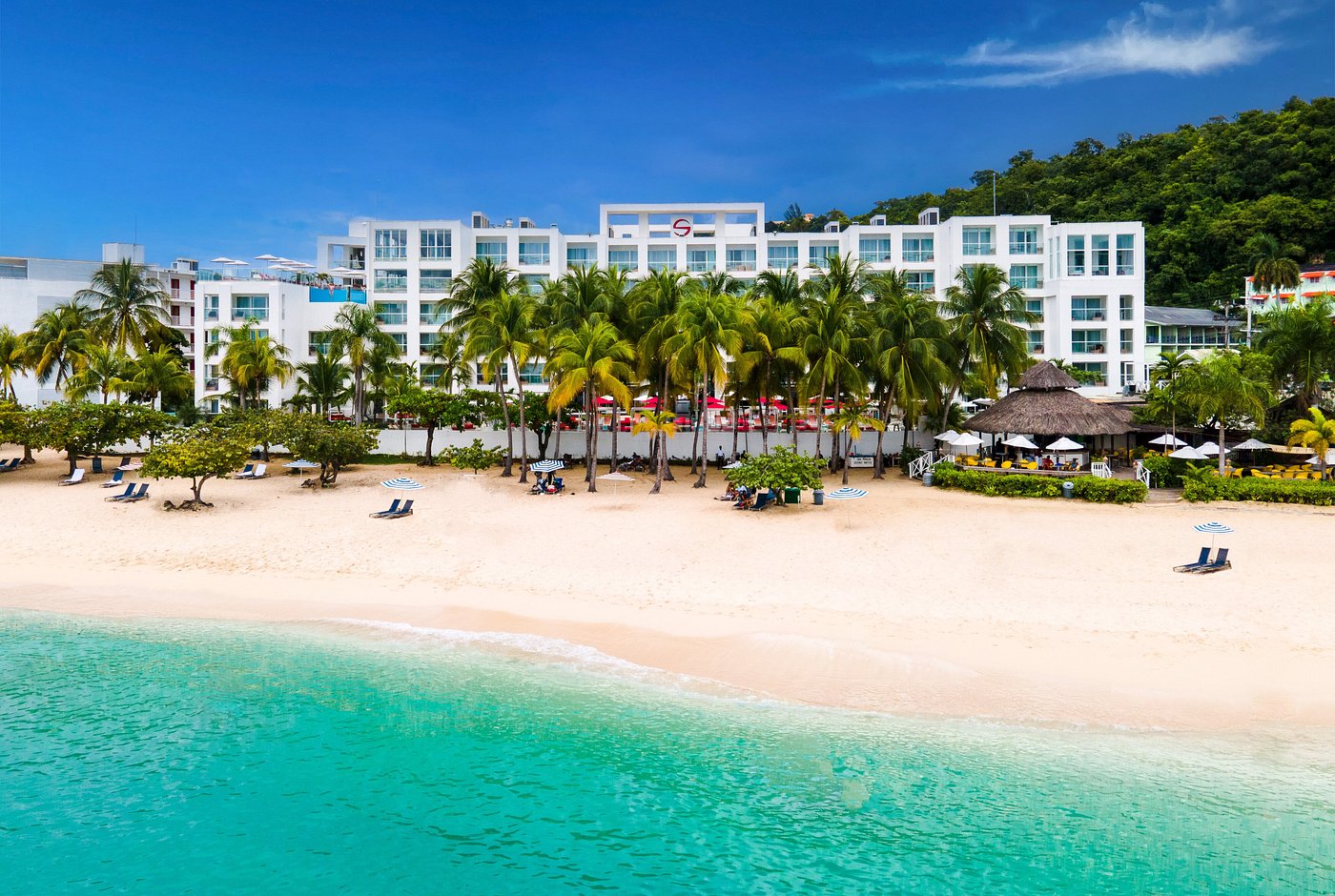
    Consider S Hotel Montego Bay.
    Its success is not rooted in size, but in clarity. The property understands its environment and designs in conversation with it rather than in competition. Social spaces feel alive without feeling crowded. Calm exists without becoming inert. Guests return not for novelty, but for familiarity done well.

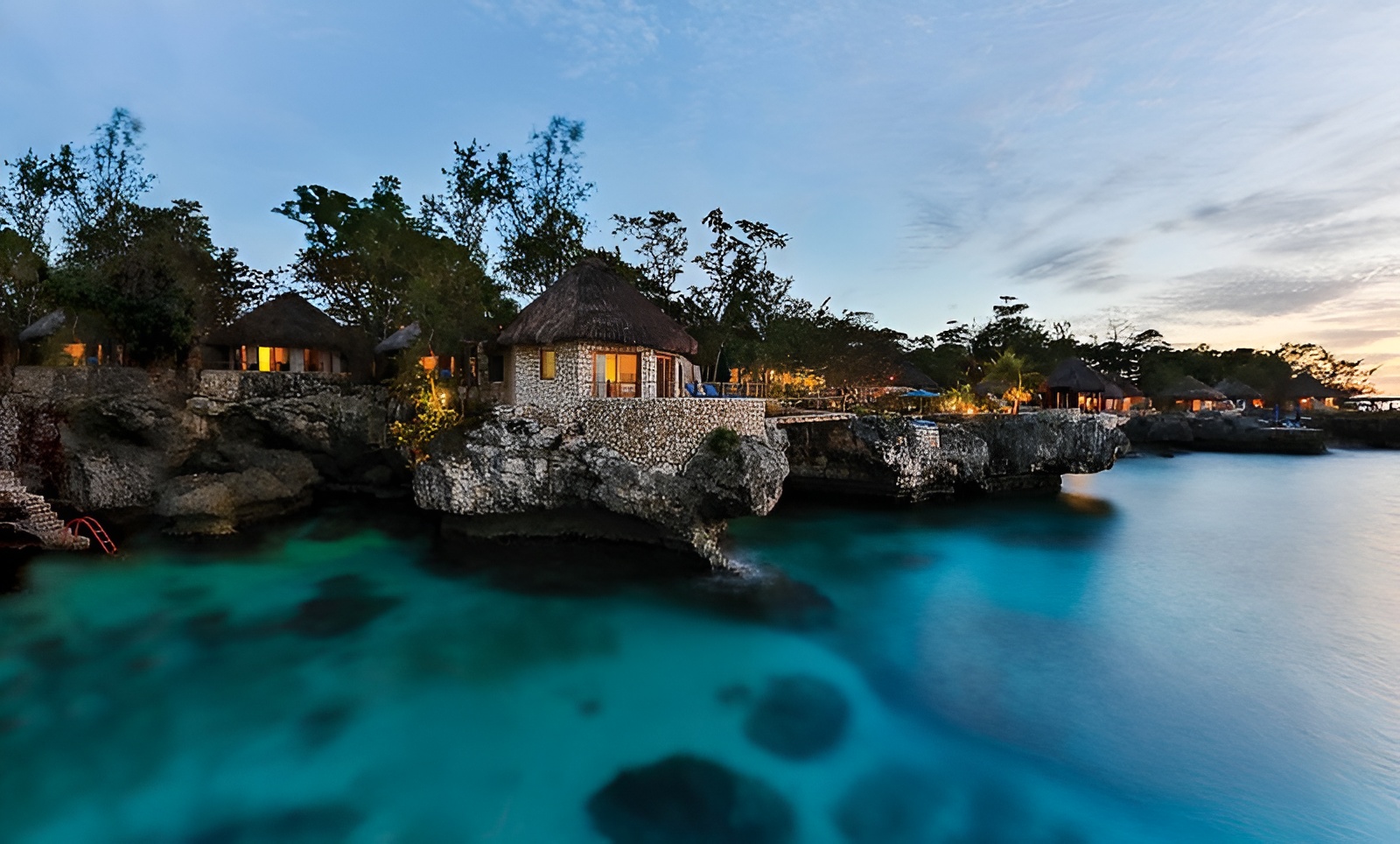
    In Negril, Rockhouse demonstrates how restraint becomes luxury. The cliffside setting is dramatic, yet never exploited. Architecture frames the landscape instead of dominating it. The hotel moves with the day rather than choreographing it.

    Further east, Geejam offers privacy without isolation. Its small scale allows guests to disappear without feeling managed. Music, food, and setting exist in quiet dialogue rather than as branded moments.

    Then there is GoldenEye—a property that predates most modern hospitality frameworks and has never felt compelled to adopt them. Its appeal lies in continuity. Nothing feels designed for consumption. The experience rewards those willing to meet it on its own terms.

    These hotels are not similar in style.
    They are aligned in philosophy.

    Rockhouse Negril cliffs

    Why Travelers Keep Choosing Smaller Luxury Hotels

    The clearest signal is repetition.

    Guests return to smaller hotels because the experience remains legible. The rhythm of the day is intuitive. Choice fatigue disappears. Presence replaces stimulation. There is nothing to decode and nothing to perform.

    Travelers are also more sensitive now to how travel feels, not just how it looks. Scale, impact, and tone matter more than ever. Places that feel intentional rather than extractive hold attention longer.

    Smaller hotels offer that quietly.

    What This Shift Means for Caribbean Travel

    This movement is not anti-resort.
    It is anti-excess.

    The Caribbean does not need louder luxury or bigger statements. It benefits from places that understand context, proportion, and restraint—hotels that reflect the region itself: layered, adaptive, and grounded in lived culture rather than presentation.

    The future of Caribbean hospitality will not be defined by how much is added.
    It will be shaped by what is edited away.

    Space will matter more than scale.
    Experience more than inventory.

    And travelers will continue choosing places that feel composed—not consumed.

  • 11 Small Things That Ruin a “Luxury” Experience

    11 Small Things That Ruin a “Luxury” Experience

    Luxury is fragile.

    It rarely unravels because of cost or ambition.
    It fails because of friction—the small, unnecessary interruptions that break ease.

    The most disappointing luxury experiences are not undone by what is missing, but by what should have been edited out. Minor intrusions. Quiet misjudgments. Signals that something is trying too hard to be noticed.

    At its core, luxury is effortlessness.
    When effort becomes visible, the illusion dissolves.

    Luxury Is Defined by Ease, Not Excess

    True luxury is not about abundance. It is about alignment.

    In high-end hotels, restaurants, and private spaces, the expectation is not perfection—it is coherence. Every detail should support calm. When even one element introduces friction, the experience begins to feel managed instead of held.

    Below are eleven small but telling ways luxury environments quietly undermine themselves.


    Overdesigned hotel interior with dramatic lighting and decorative elements that prioritize aesthetics over comfort

    1. Overexplaining the Experience

    Luxury assumes intelligence.

    When every design choice, service element, or philosophy is explained aloud or printed excessively, it signals insecurity. Guests should understand a space intuitively. If something needs justification, it likely needs refinement.

    In luxury hospitality, silence often communicates confidence better than language.

    2. Forced Friendliness in Luxury Service

    Warmth is not performance.

    Scripted enthusiasm, exaggerated familiarity, and constant verbal check-ins create distance rather than comfort. The best luxury service is observant, restrained, and responsive without being intrusive.

    Guests want to feel seen, not supervised.

    3. Spaces Designed for Photos Instead of Comfort

    Luxury interiors that prioritize social media aesthetics over human use age quickly.

    Awkward seating, poor lighting, impractical layouts, and decorative excess are signs that optics outweighed comfort. High-end design should support rest, movement, and ease—not documentation.

    Luxury spaces are meant to be lived in, not captured.

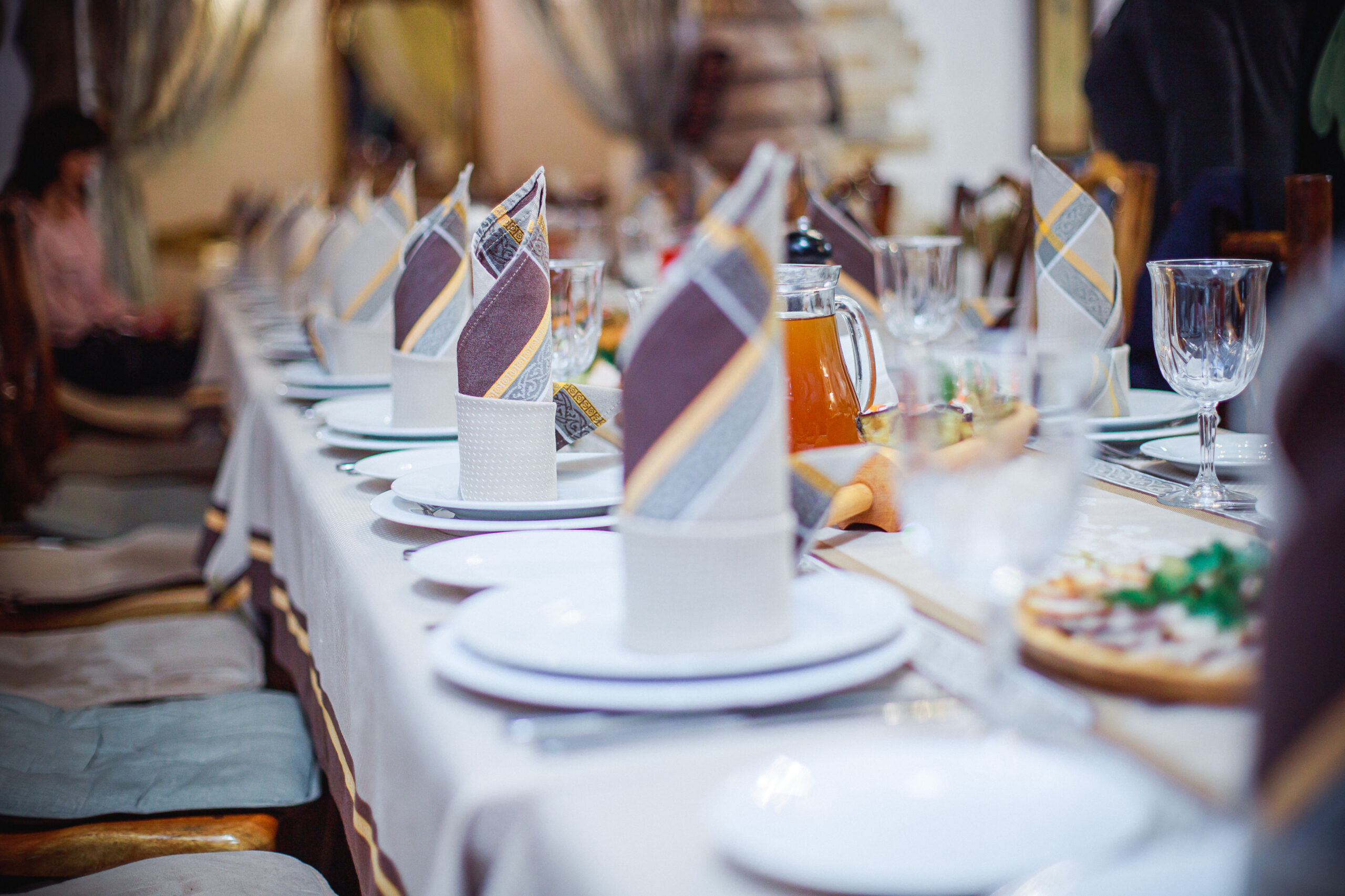
    Fine dining table set with paper napkins contrasted against a luxury restaurant table with cloth napkins

    4. Noise That Was Never Considered

    Sound is one of the clearest indicators of care.

    Background music that competes for attention. Echoing hallways. Mechanical hums that interrupt rest. These details fracture calm immediately.

    Silence—or thoughtfully controlled sound—is a core component of luxury environments.

    5. Visible Systems Working Too Hard

    When logistics become visible, luxury weakens.

    Rushed staff movements. Public problem-solving. Operational corrections made in front of guests. The more effort guests can see, the less effortless the experience feels.

    In high-end service, the work should disappear so the experience can remain intact.

    6. Overdesigned Menus in Luxury Dining

    More choice does not equal better dining.

    Long menus suggest indecision, not generosity. They communicate anxiety rather than confidence. Luxury dining values clarity over abundance.

    A concise menu signals trust in execution. Editing is a form of respect for the guest’s attention.

    7. Paper Napkins Where Cloth Was Expected

    This is not about snobbery.
    It is about coherence.

    When the setting, pricing, and service signal refinement, mismatched materials break immersion. Small tactile choices—napkins, glassware, cutlery—carry disproportionate weight in luxury spaces.

    Consistency matters more than extravagance.

    Quiet hotel corridor with soft lighting and minimal design creating a sense of silence and proportion

    8. Trend-Chasing Luxury Design

    What feels current today often feels dated tomorrow.

    Luxury interiors built around trends sacrifice longevity. They privilege novelty over proportion, material quality, and restraint. The most enduring luxury design avoids timestamps.

    Timelessness is not accidental. It is intentional.

    9. Interruptions Disguised as Service

    Repeatedly asking if everything is “okay” fractures immersion.

    Attentiveness in luxury hospitality should be anticipatory, not visible. Presence matters more than frequency. The best service appears exactly when needed—and disappears immediately afterward.

    Luxury is continuity, not interruption.

    10. Inconsistent Temperature and Lighting

    Comfort is physical before it is conceptual.

    Rooms that are too cold, overly bright, poorly ventilated, or unevenly lit erode trust instantly. No amount of design or service can compensate when the body does not settle.

    Luxury begins when the nervous system relaxes.

    11. Performative Sustainability

    Good intentions announced too loudly feel transactional.

    True sustainability in luxury environments operates quietly. It is structural, not theatrical. When responsibility becomes part of the marketing narrative, it loses credibility.

    Ethics should be embedded, not advertised.

    Why Small Details Matter in Luxury Experiences

    None of these failures are dramatic.
    That is precisely the point.

    Luxury does not collapse in moments of excess. It erodes through small misalignments—through noise where there should be calm, explanation where there should be trust, paper where cloth was expected.

    These details do not offend.
    They disappoint.

    When Luxury Works, You Barely Notice It

    When luxury is done well, it fades into the background.

    You do not feel impressed.
    You feel settled.

    And when it fails, you feel managed.

    That difference—between being held and being handled—is everything.

  • Scotchies Never Chased the Moment — and That’s the Point

    Scotchies Never Chased the Moment — and That’s the Point

    Scotchies never tried to become a concept.

    It didn’t rebrand.
    It didn’t elevate the experience.
    It didn’t explain itself.

    It stayed where it was, did exactly what it knew how to do, and let time handle the rest.

    That restraint is the story.

    In an era where Jamaican food is increasingly styled, softened, and repackaged for global consumption, Scotchies remains unchanged. Not as a statement. As a method.


    Jamaican jerk chicken grill fire

    Why Discipline Builds Trust in Iconic Restaurants

    Consistency at Scotchies is not branding.
    It is operations.

    Over time, that discipline compounds into trust. People don’t return because they’re curious. They return because they know exactly what they’re getting.

    The menu is narrow because it should be.
    The setup is exposed because it needs to be.

    Nothing is styled to suggest more than what’s actually happening.

    What many restaurants now try to manufacture—authenticity, credibility, atmosphere—Scotchies allowed to accumulate quietly through use.

    Authentic Jamaican Food Without Performance

    Scotchies does not perform Jamaican culture.
    It exists inside it.

    There is no translation layer for visitors. No softening of edges. No effort to make the experience legible or aspirational. If you understand it, fine. If you don’t, the food still makes sense.

    That is not arrogance.
    It is confidence.

    Authenticity here isn’t curated. It’s lived.

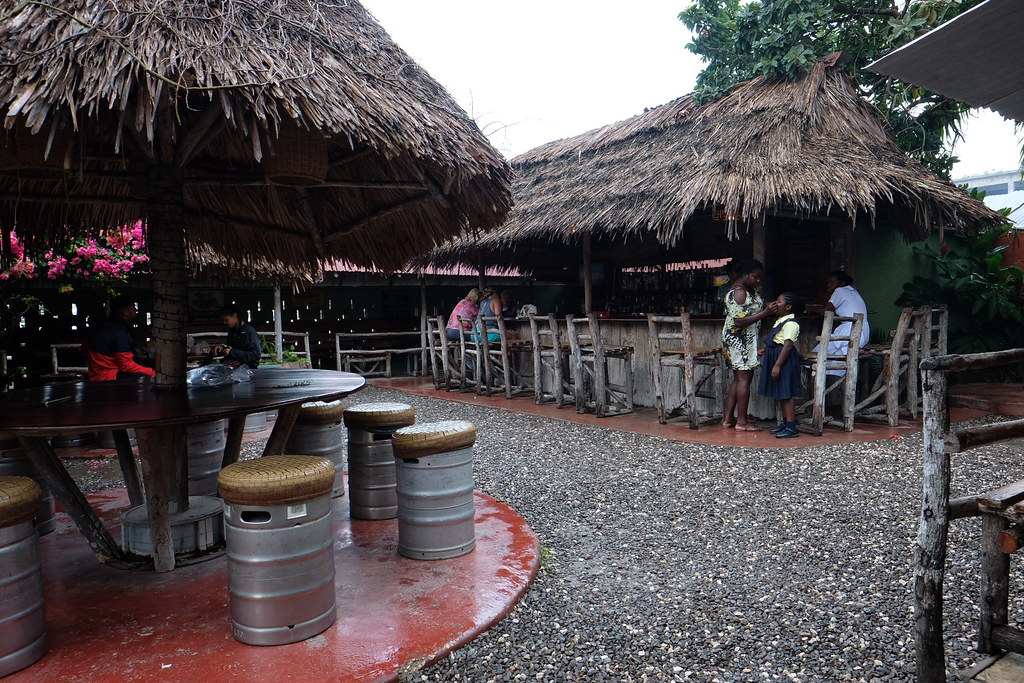
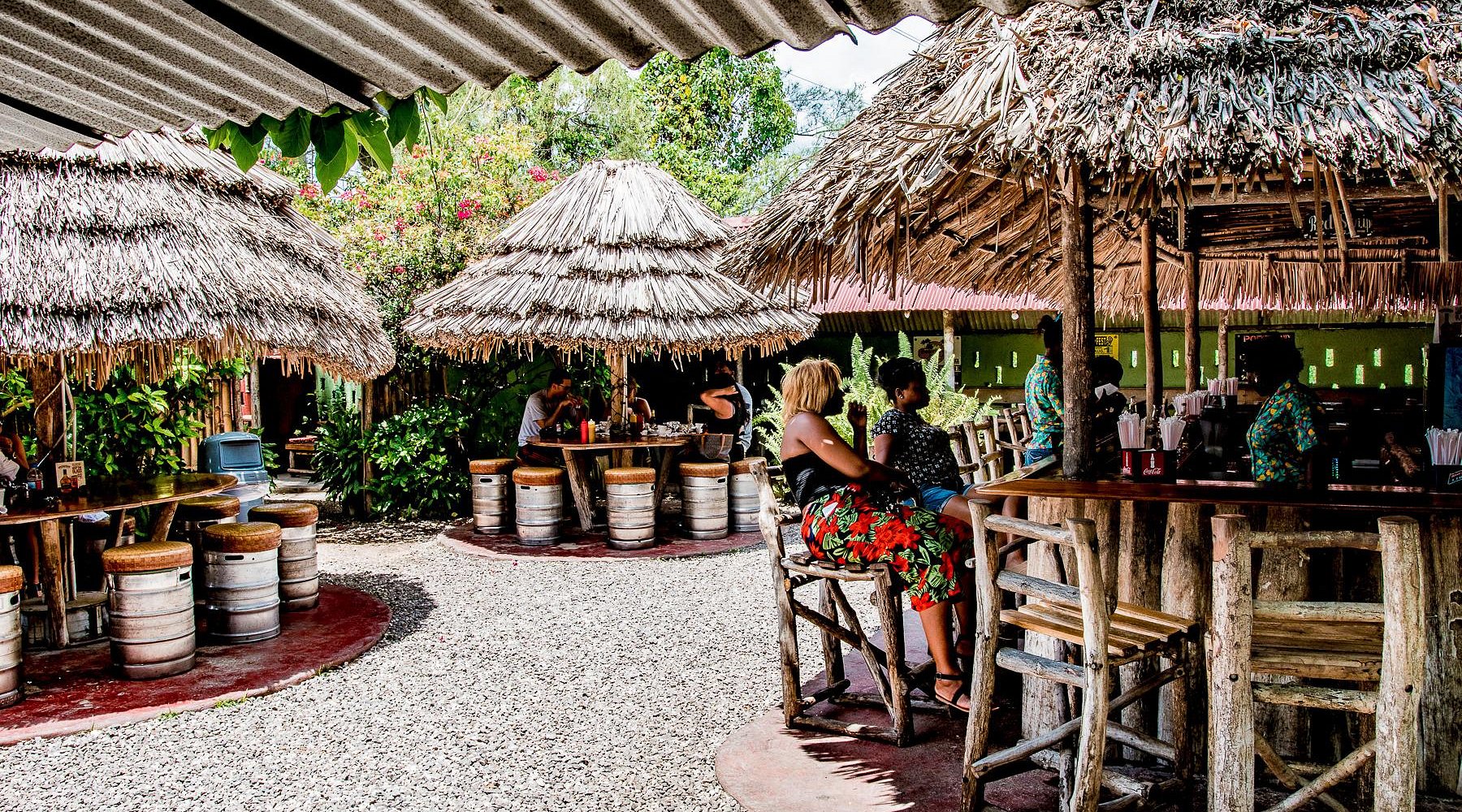
    Local Restaurant Jamaica outdoor seating

    Consistency Over Novelty in Jamaican Food Culture

    Scotchies runs on repetition.

    The smoke smells the same.
    The menu barely moves.
    The pace is unhurried and unapologetic.

    Nothing here is optimized for speed or spectacle. The jerk comes when it’s ready. You wait. You eat. You leave satisfied.

    This isn’t stagnation.
    It’s discipline.

    In a food culture increasingly driven by novelty, Scotchies proves that consistency builds deeper loyalty than reinvention ever could.

    Why Trend-Driven Restaurants Fade

    Places built around moments usually fade with them.

    They rely on attention, press cycles, and relevance engineered from the outside. When focus moves on, so does cultural weight.

    Scotchies was never constructed this way.

    It survives because it is dependable. Because it doesn’t flinch. Because it refuses to chase relevance and instead becomes a constant.

    In volatile cultural landscapes, constants matter.

    They become anchors.
    They become shorthand.
    They become places people reference without thinking.

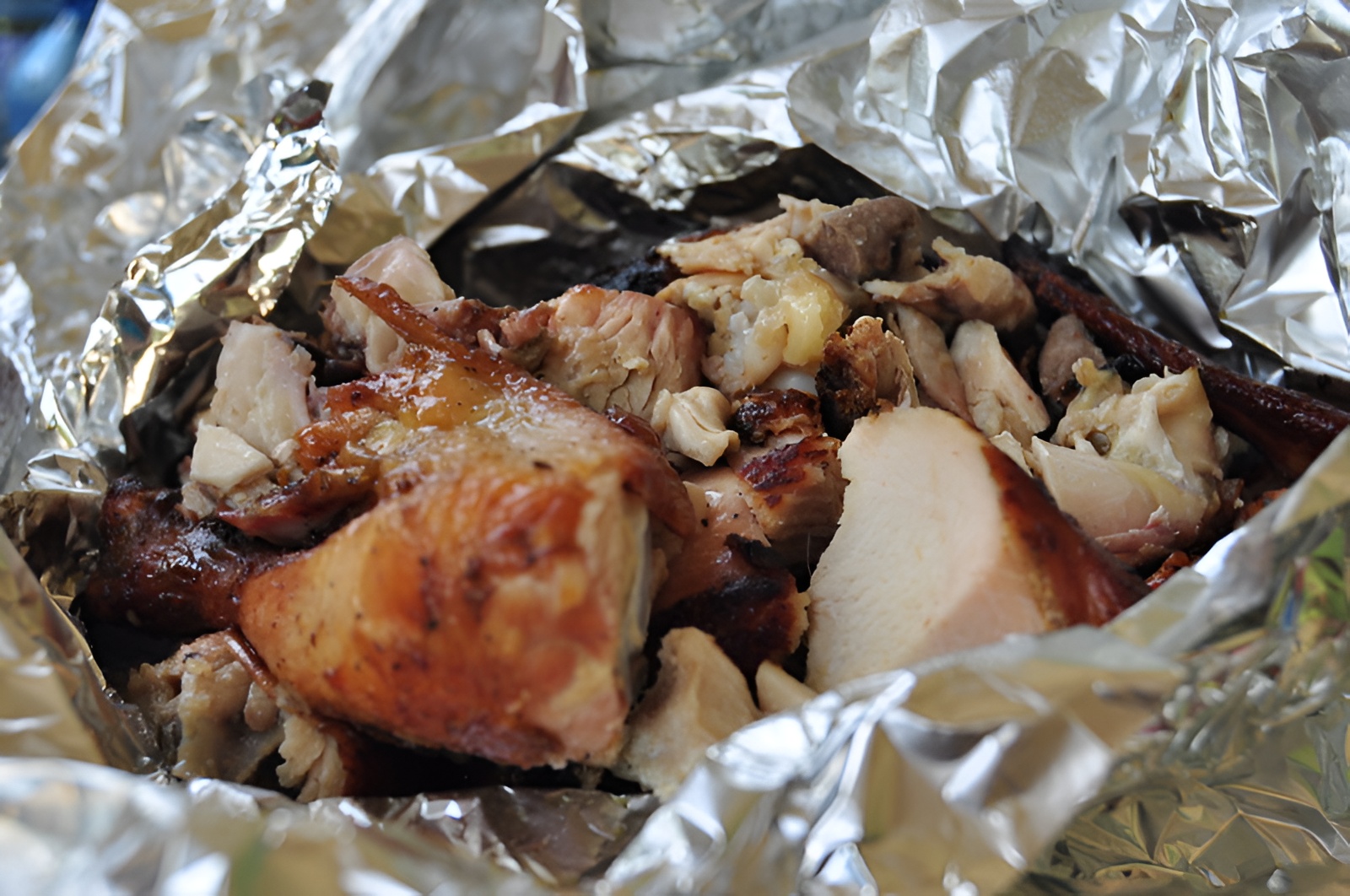
    jerk chicken on foil Jamaica-Picsart-AiImageEnhancerjerk chicken on foil Jamaica

    Taste Without Aspiration or Performance

    Scotchies is not aspirational.
    That is exactly why it has taste.

    Nothing here is performative. Nothing is added to impress. Everything feels correct for its purpose.

    Taste, in this context, is not refinement or presentation.
    It is alignment.

    Nothing extra.
    Nothing missing.

    Equality at the Table

    Scotchies never announced itself as culture.

    It fed locals, regulars, and visitors who found their way there. Everyone is treated the same. There is no hierarchy of attention.

    That indifference is not neglect.
    It is equality.

    You show up.
    You eat.
    You move on.

    A Lesson for Caribbean Culture Under Global Attention

    As Caribbean culture gains global visibility, pressure follows. Pressure to modernize. To clean things up. To explain them. To package them for wider consumption.

    Scotchies offers a different lesson.

    The most durable cultural expressions don’t travel because they are adjusted. They travel because they remain intact.

    Scotchies never chased the moment.
    It trusted the work.

    Time did the rest.

  • The Caribbean Doesn’t Need to Perform Anymore

    The Caribbean Doesn’t Need to Perform Anymore

    For a long time, the Caribbean was asked to explain itself.

    To entertain. To welcome. To perform an idea of ease and pleasure that the outside world expected. Visibility became a requirement. Charm became labor.

    That expectation is fading.

    The Caribbean no longer needs to perform its value. It has moved past auditioning for attention and into something more stable: presence without explanation.

    When Performance Was Expected

    Tourism, media, and global culture trained the region to be legible first. Brightness over depth. Access over accuracy. The Caribbean was framed as an experience rather than a place with standards, systems, and complexity.

    Performance filled the gaps. Hospitality became choreography. Culture became export. Even resistance was sometimes aestheticized for consumption.

    That posture was never native. It was adaptive.

    The Shift Toward Settlement

    What is emerging now is quieter.

    Across design, food, wellness, creativity, and lifestyle, the region is choosing coherence over clarity. There is less translation for outside approval. More confidence in local logic.

    This is not withdrawal. It is settlement.

    When a place no longer needs to persuade, it can return to its own rhythm.

    Culture Without Apology

    Caribbean culture does not require simplification to travel. Music, language, food, and ritual already function as lived systems. They carry history without annotation.

    What changes when performance falls away is pace. Culture is no longer rushed to meet demand. It moves on its own timeline.

    This is why its influence endures. It is not produced for attention. It is produced for life.

    Hospitality Without Theater

    Hospitality in the Caribbean is becoming more precise.

    Warmth remains, but it is no longer overextended. Service is less about charm and more about care. Boundaries are clearer. Standards are firmer.

    The result is not colder. It is calmer.

    When hospitality is not performing, it feels human again.

    Wellness as Environment

    Wellness has always been ambient in the Caribbean. Light, water, rest, food, and movement regulate the body without instruction.

    What is changing is the refusal to package this as spectacle. Less optimization. Less promise. More trust.

    The region’s advantage is that restoration does not need branding here. It is already structural.

    Why This Moment Will Hold

    Performance depends on reaction. Presence does not.

    As global culture grows louder, the Caribbean’s refusal to over-explain becomes a strength. Its influence continues without spectacle because it is intact.

    This is not a reinvention. It is a correction.

    The Caribbean does not need to perform anymore because it has nothing left to prove.