

From Bush Tea Traditions to Cannabis and Psilocybin, Healing Was Always Here
Long before cannabis dispensaries and psilocybin retreats became global business models, the Caribbean was steeping leaves, burning herbs, and practicing plant healing as everyday life.
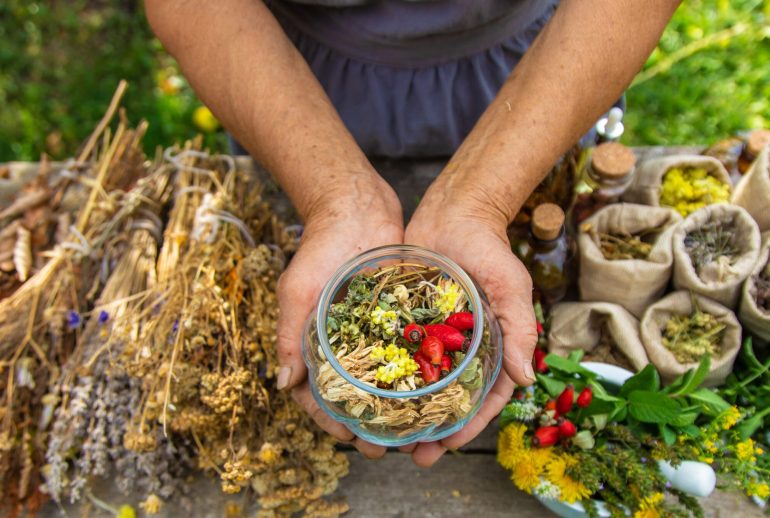
Long before the global wellness industry discovered “plant medicine,” Caribbean households were already crushing roots and passing down botanical knowledge across generations. In kitchens from Kingston to Castries, healing did not arrive in capsules. It arrived in enamel mugs, steam rising from a cup placed gently in your hands.
Today, as cannabis Jamaica evolves into a regulated industry and psilocybin Caribbean research enters mainstream medicine, the world is rediscovering something the region has always known: plants carry power.
But plant medicine in the Caribbean is older, more layered, and far less commodified than the modern wellness narrative suggests.
Bush Tea and the Ancestral Apothecary
In much of the Caribbean, bush tea was never alternative medicine. It was simply what the doctor ordered.
Need a cleanse? Cerasee.
Trouble sleeping? Soursop leaf.
Joint pain? Ginger and turmeric.
Restless nerves? Vervain.
These remedies were not branded, bottled, or optimized for retail. They were inherited.
Caribbean herbal healing is shaped by layered histories: Indigenous botanical knowledge, African plant traditions carried across the Atlantic, and European herbal practices introduced through colonial contact. In communities where formal medical access was limited, bush tea became both necessity and ritual.
This was plant medicine Caribbean style — practical, communal, instinctive.
It was not sold.
It was shared.
Cannabis in Jamaica: From Sacrament to Global Industry
Cannabis evolved from bush remedy to cultural force, particularly in Jamaica.
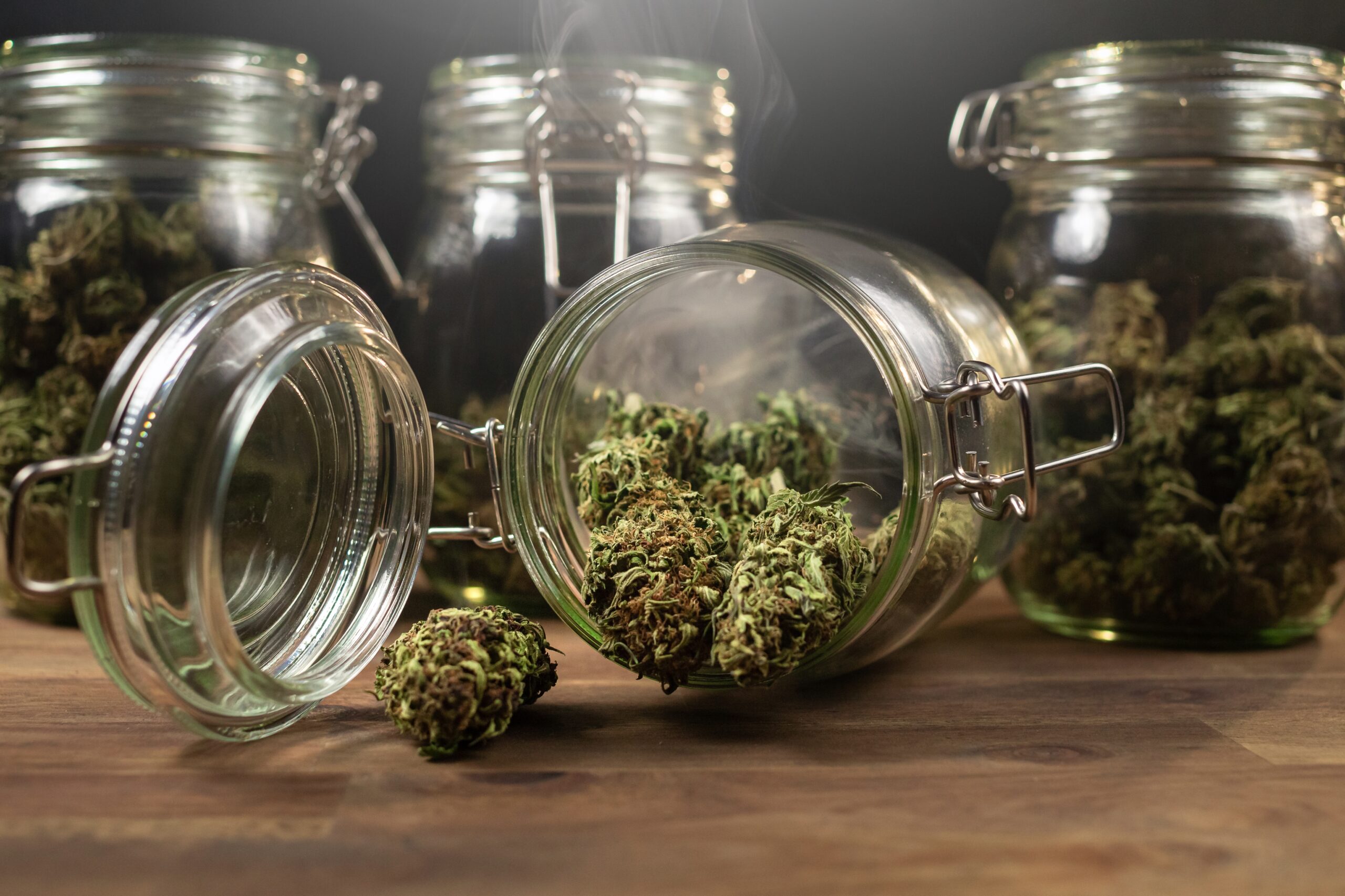
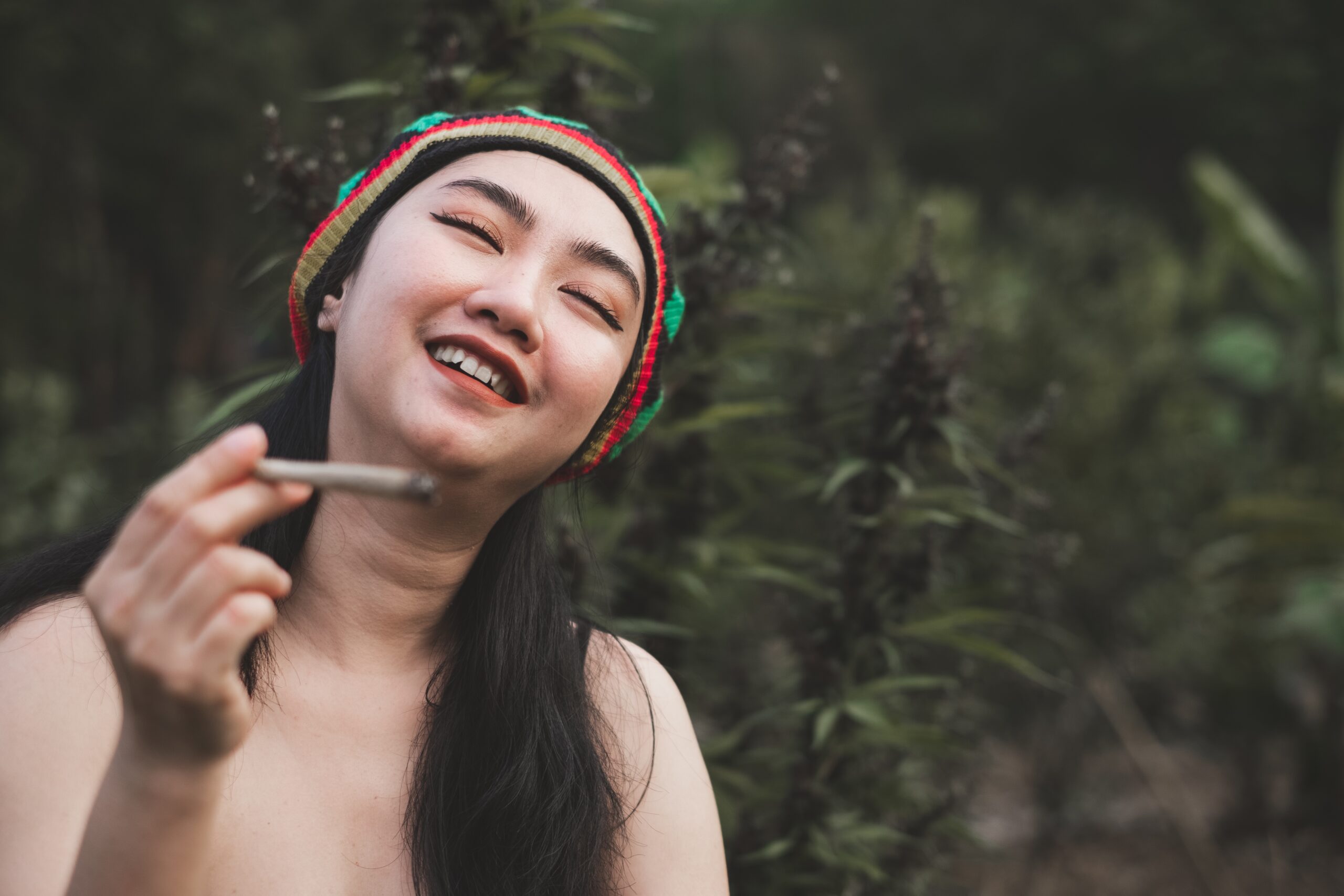
Ganja became intertwined with Rastafari spirituality, political resistance, and musical identity. For decades, it was criminalized under colonial-era laws, framed as deviance rather than devotion.
Today, cannabis Jamaica operates within a regulated medical and wellness framework. Dispensaries attract international visitors. Investment flows in. Cannabis tourism has become a talking point in Caribbean wellness circles.
The transformation is stark.
What was once policed is now profitable.
What was once stigmatized is now marketed.
Yet for many in the region, ganja was never a trend. It was sacrament. It was reasoning. It was ritual.
The global wellness industry may call it medicinal marijuana. The Caribbean calls it continuity.
Psilocybin Caribbean: Research, Retreats, and Reframing
Now psilocybin has entered the global conversation.
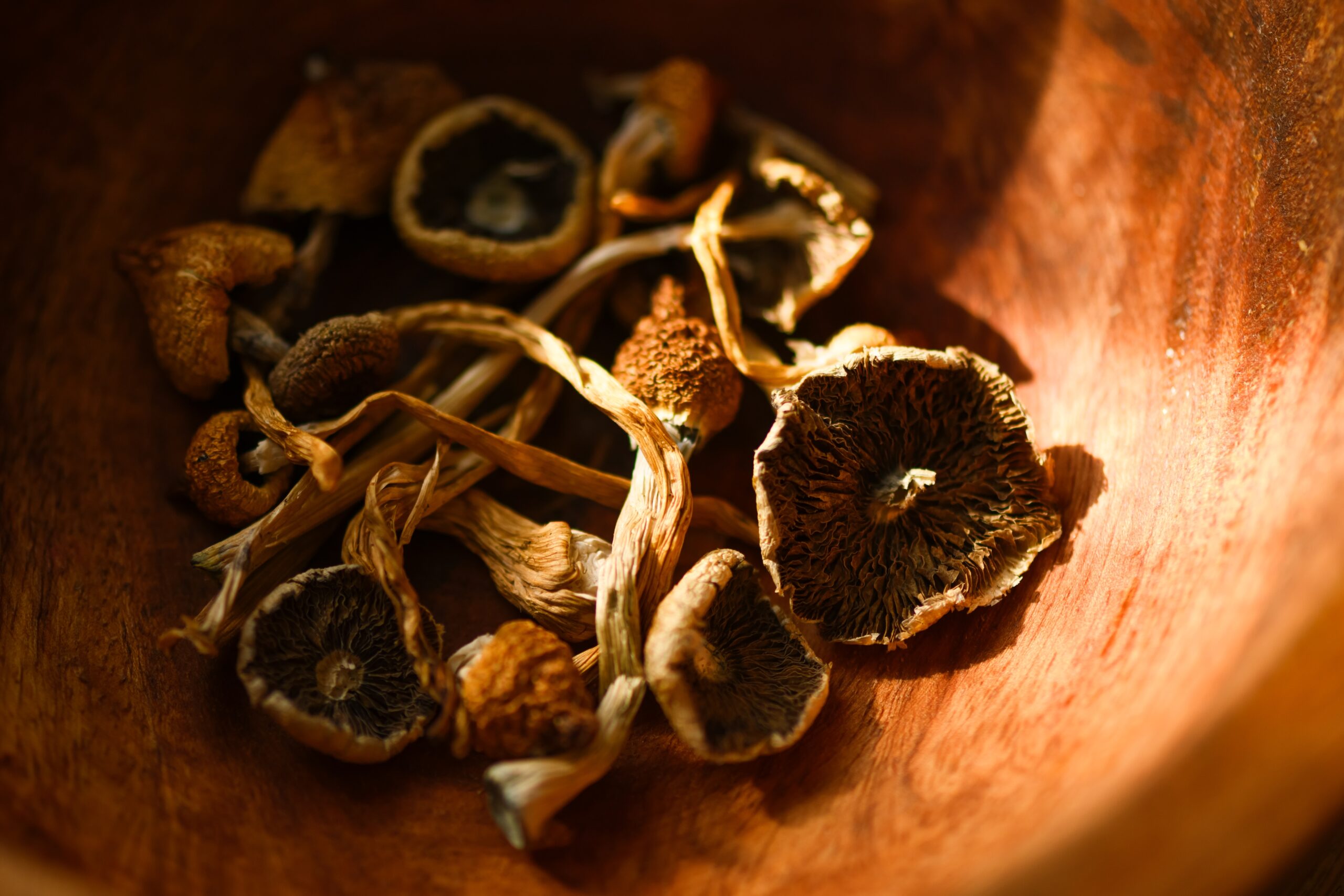
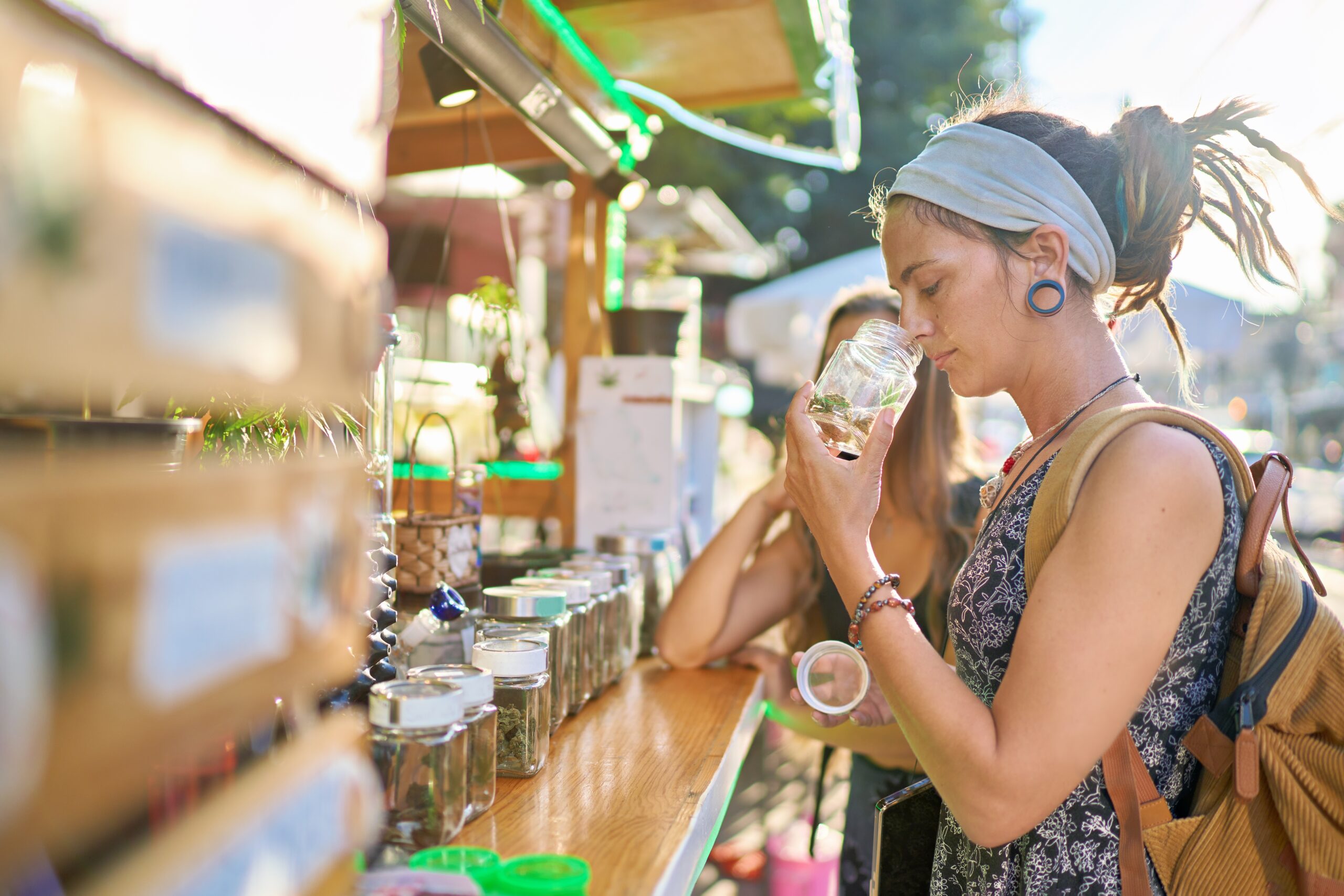
Clinical trials, neuroplasticity studies, and luxury psychedelic retreats have repositioned mushrooms from taboo to therapy. In parts of the Caribbean, particularly where regulatory frameworks are evolving, psilocybin Caribbean experiences are being formalized for international audiences.
But the mushrooms themselves are not new.
In tropical climates, they have long existed quietly in the landscape. What is new is their packaging — the language of optimization, transformation, and peak performance attached to them.
The global market calls it psychedelic therapy.
The Caribbean recognizes the underlying premise immediately: plants can alter perception, open emotional terrain, and catalyze healing.
That understanding predates the research grants.
Caribbean Wellness at a Crossroads
As plant medicine becomes a global business model, the Caribbean stands at a cultural crossroads.
Will the region become a destination for cannabis and botanical tourism?
How are traditional herbal healing Caribbean practices honored as markets expand?
Who benefits when ancestral knowledge becomes intellectual property?
These are not abstract questions.
Caribbean wellness has always been grounded in access and community. When global investors enter the conversation, equity becomes central.
Before the frameworks, before the regulatory boards, before the investment decks, there was something simpler.
There was a grandmother steeping leaves because someone had a fever.
There was a neighbor offering ginger for pain.
There was a quiet understanding that the earth could help if you listened closely enough.
No branding.
No rebrand.
No retreat packages.
Just plants, people, and intention.
Plant Medicine Caribbean Style: Reverence Over Hype
Long before wellness became aspirational, it was practical.
It was communal.
It was instinctive.
That is the inheritance.
As the world rediscovers plant medicine, the Caribbean does not need reinvention. It needs remembrance.
Healing here has always begun not with hype, but with reverence.
And some of the most powerful remedies have always grown in the backyard.