Tag: lifestyle

  • The Return of the Slow Morning

    The Return of the Slow Morning

    Nightlife once defined relevance.
    Mornings now define balance.

    The slow morning is rhythm, not routine. It is measured, intentional, and quietly powerful. In the Caribbean, mornings do not exist to prepare for life—they are life.

    Rhythm Over Schedule

    The slow morning resists clocks.

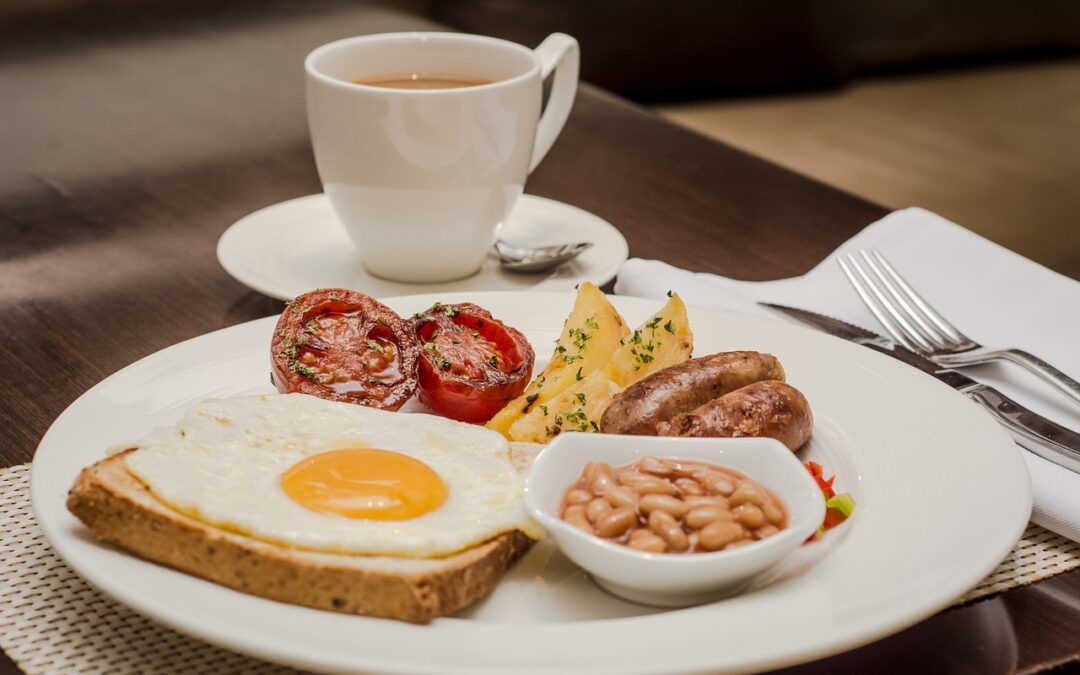
    Movement is gentle, deliberate. Light guides activity more than obligation. Breakfast is eaten when the body signals readiness, not when the timetable demands. Conversation flows naturally, without prompts. Decisions are limited. Presence is prioritized.

    This rhythm recalibrates the day before it begins in earnest. It fosters attention without effort, clarity without urgency.

    Space for Awareness

    Slow mornings allow observation.

    Ocean air, sunlight, and the ambient sounds of life settle the mind. Streets are empty enough for awareness to surface. The body notices temperature, texture, and tone. Nothing must be captured or shared; everything is registered internally.

    The space for reflection defines the sophistication of the day. Quietness is not absence. It is permission.

    Caribbean Mornings as Infrastructure

    In the Caribbean, mornings are designed by culture, not design.

    Shadows, tides, and trade winds set the pace. Markets, beaches, and streets operate according to natural rhythm. Life is measured in activity and stillness, not hours. Wellness and restoration are embedded in this cadence, shaping behavior without instruction.

    The slow morning is a practice of balance—an inherited infrastructure that aligns environment, body, and mind.

    Presence Without Performance

    Mornings are free from display.

    No need to impress, post, or explain. Energy is reserved, not broadcast. Habits establish continuity and personal calibration. The slow morning signals confidence by omission rather than declaration.

    The Ocean Style Lens

    OCEAN Style observes mornings as culture, not schedule.

    The slow morning teaches that sophistication is not in speed, visibility, or accumulation. It is in rhythm, awareness, and unforced alignment. Luxury arrives when life unfolds without commentary.

    In this quiet, mornings become their own reward.

  • 19 Small Upgrades That Make Travel Feel Like Luxury

    19 Small Upgrades That Make Travel Feel Like Luxury

    Luxury in travel is not expense.
    It is preparation.

    It shows up before departure, during transit, inside the room, and after return. Not as accumulation, but as removal. Of friction. Of noise. Of unnecessary decisions.

    Luxury is subtraction.

    Before Travel

    1. Edit the itinerary
    One fewer stop changes the entire trip. Space is the upgrade.

    2. Choose flights by timing, not price
    Arriving rested costs less than recovering later.

    3. Pack fewer items than you think you need
    Weight drains attention. Lightness restores it.

    4. Standardize your travel uniform
    Decision fatigue begins before the airport.

    5. Prepare the first night only
    Knowing where you’ll eat and sleep anchors the arrival.

    In Transit

    6. Arrive earlier than necessary
    Rushing is the loudest expense.

    7. Sit where boarding is simplest
    Ease beats marginal comfort.

    8. Eat lightly before flying
    Digestion sets the tone.

    9. Keep devices charged without improvisation
    Cables should never be a question.

    10. Read something unproductive
    Information is not rest.

    At the Destination

    11. Walk before unpacking
    Orientation precedes organization.

    12. Unpack immediately
    Living out of a bag keeps the mind unsettled.

    13. Adjust lighting first
    Brightness shapes mood faster than decor.

    14. Set a personal quiet hour
    The day should not consume itself.

    15. Learn one local rhythm
    A market time. A morning walk. A pause others respect.

    In the Room

    16. Remove visual clutter
    Surfaces should breathe.

    17. Control temperature deliberately
    Sleep quality defines the stay.

    18. Protect mornings from intrusion
    No alerts. No schedules. Just alignment.

    After Return

    19. Leave space before re-entry
    Luxury continues when the trip ends gently.

    The Ocean Style Lens

    These upgrades do not announce themselves.
    They reduce demand.

    Travel feels luxurious when it supports presence instead of managing logistics. When the body arrives before the itinerary. When nothing asks to be explained.

    Luxury is not what you add to travel.
    It is what you no longer carry.

  • Where Jamaica’s Creative Class Actually Eats

    Where Jamaica’s Creative Class Actually Eats

    Jamaica’s creative class does not eat where attention gathers.
    It eats where rhythm holds.

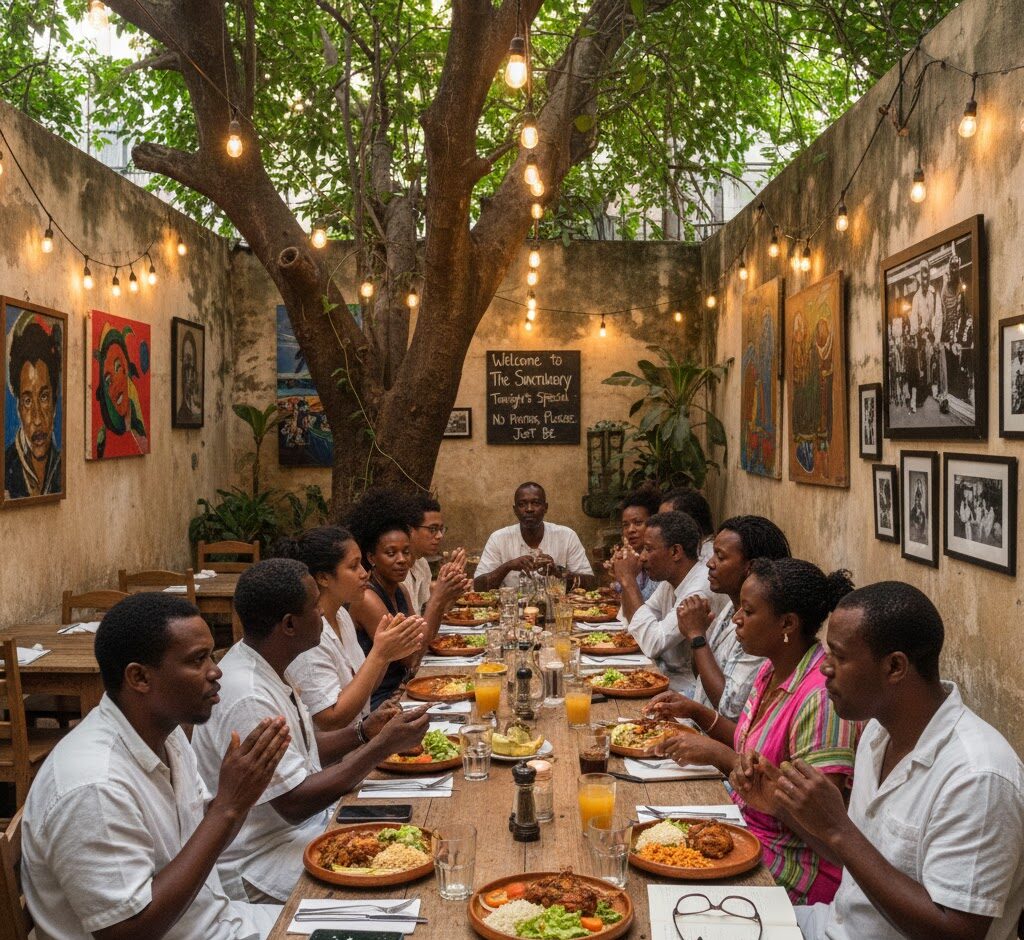
    These are not places chosen for status or discovery value. They are chosen for consistency, discretion, and how they allow conversation to unfold without interruption. Food matters, but atmosphere matters more. The meal is part of the workday, not a performance break from it.

    To understand where Jamaica’s creative class eats, you have to understand how they move.

    Familiarity Over Novelty

    Creative people in Jamaica are not chasing what is new. They are returning to what works.

    They favor places that do not need reinvention. Rooms that look the same year after year. Menus that shift slightly but never dramatically. Staff who recognize faces without ceremony.

    This familiarity creates ease. Decisions disappear. Energy stays focused. The meal supports the day rather than interrupting it.

    Novelty requires attention. Familiarity returns it.

    Rooms That Allow Thinking

    The preferred spaces are rarely loud.

    Sound matters. So does light. Seating that encourages lingering is chosen over tables designed for turnover. These rooms allow notebooks to stay open. Phones to stay down. Conversations to deepen without competing with music or spectacle.

    Many of these places are modest by design. Nothing signals exclusivity, yet the room fills with people who build culture quietly: designers, writers, musicians, architects, producers.

    The environment does not announce importance. It supports it.

    Food That Grounds, Not Distracts

    The food itself follows the same logic.

    Meals are satisfying but not heavy. Flavor is clear, not theatrical. Portions respect the rest of the day. Nothing arrives requiring explanation or documentation.

    The creative class eats to sustain pace. To reset. To ground.

    This is why traditional formats endure. Soups. Rice-based meals. Simply prepared proteins. Food that has always been part of daily life, prepared with care rather than reinterpretation.

    The point is nourishment, not commentary.

    Time as a Shared Understanding

    These meals are rarely rushed.

    Lunch may stretch. Breakfast might drift into late morning. The pace adjusts to conversation, not the clock. There is an unspoken agreement that time spent here is productive, even if nothing visible is produced.

    Ideas surface when pressure dissolves. Decisions soften. Trust forms.

    Eating, in this context, is not leisure. It is infrastructure.

    Discretion as a Social Code

    Perhaps most importantly, these places protect privacy.

    No one is watching. No one is documenting. Presence is assumed, not displayed. This discretion allows creative people to exist without managing perception.

    The room becomes a neutral ground. Hierarchies flatten. Roles blur. What matters is contribution, not visibility.

    This is why these spaces remain relevant. They do not chase audiences. They serve communities.

    The Ocean Style Lens

    OCEAN Style does not map Jamaica’s creative class through hotspots.

    It observes patterns. Habits. The quiet systems that support cultural production over time.

    Where Jamaica’s creative class actually eats reveals how it values rhythm over recognition, continuity over novelty, and substance over spectacle.

    The most important meals are rarely the loudest ones.
    They are the ones who allow the work to continue.