Life after Melissa — what’s open, what’s changed, and why Jamaica keeps moving
Hurricane Melissa did not test Jamaica gently.
When it made landfall, it did so as one of the most powerful storms ever recorded globally—a Category 5 system whose sustained winds and pressure placed it among the most intense hurricanes the Atlantic has produced. This was not a storm that brushed past. It pressed into the island. Every parish felt it in some form.
Coastal towns such as Black River and Whitehouse absorbed direct impact. In St. Elizabeth, long defined by agricultural continuity and quiet self-reliance, losses reshaped daily life. Across the island, hotels closed—some temporarily, others indefinitely—disrupting thousands of livelihoods in a sector that remains central to Jamaica’s economy.
There was nothing normal about what followed.
And yet, what emerged was not paralysis. It was coordination.
Jamaica After Hurricane Melissa: What Happened Next
In the weeks after Melissa, Jamaica moved quickly from shock to action. Not through spectacle, but through systems.
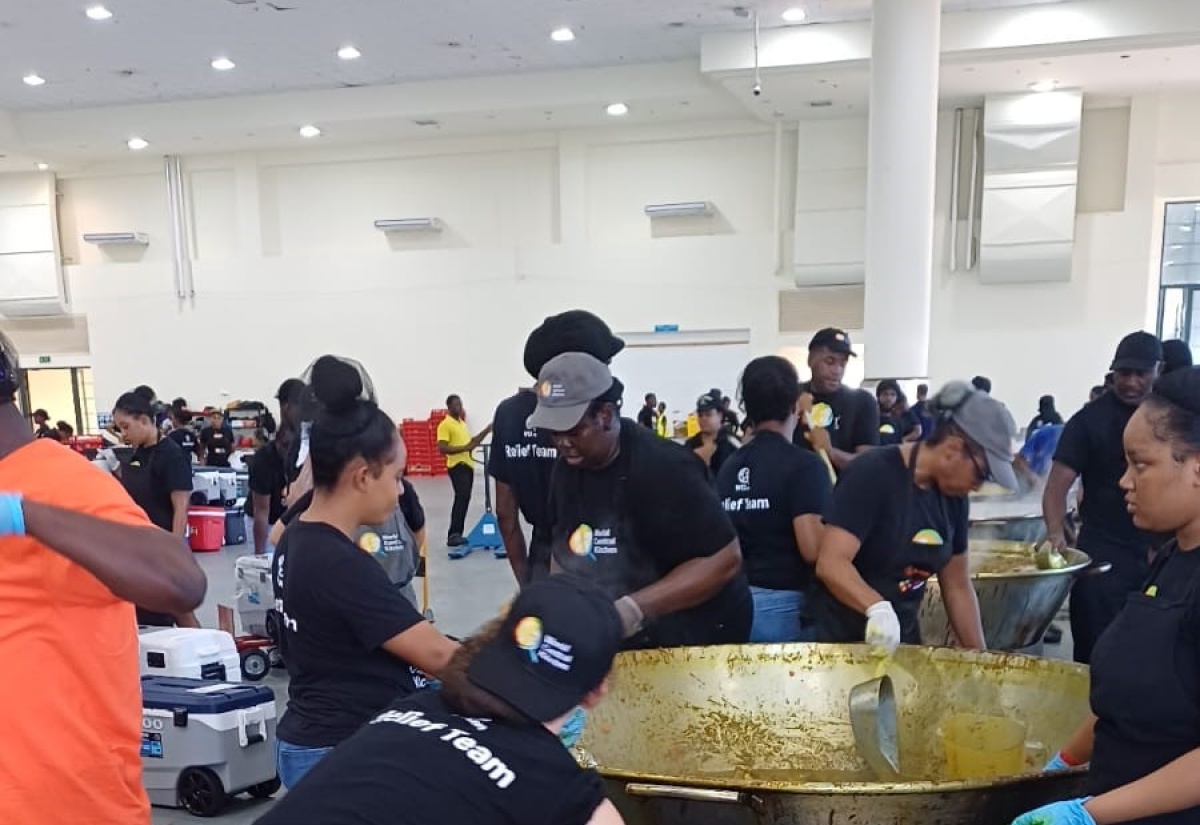
Support arrived regionally and globally. World Central Kitchen mobilised with speed and precision, providing meals as infrastructure rather than symbolism. Food moved where it was needed, feeding communities, responders, and rebuilding crews.
Cultural figures stepped forward not as personalities, but as Jamaicans. Sean Paul and Shaggy used their reach to mobilise resources. The Bob Marley Foundation and Peter Tosh Foundation anchored relief in continuity and legacy, reinforcing that Jamaica’s cultural capital has always travelled far beyond its shores.
Diaspora organisations, including American Friends of Jamaica, coordinated aid with structure and intent. Across the Caribbean, engineers and disaster response teams worked to restore electricity grids, water systems, and transport routes.
Poles were replaced. Lines were restrung. Roads reopened in stages.
This was not charity theatre.
It was collective effort.
The Quiet Wins That Signal Real Progress
Resilience is often framed as a single dramatic act. In Jamaica, it arrived differently.
Electricity returned circuit by circuit.
Schools reopened on modified schedules.
Local shops unlocked their doors again.
Markets refilled with voices.
Fishermen returned to sea.
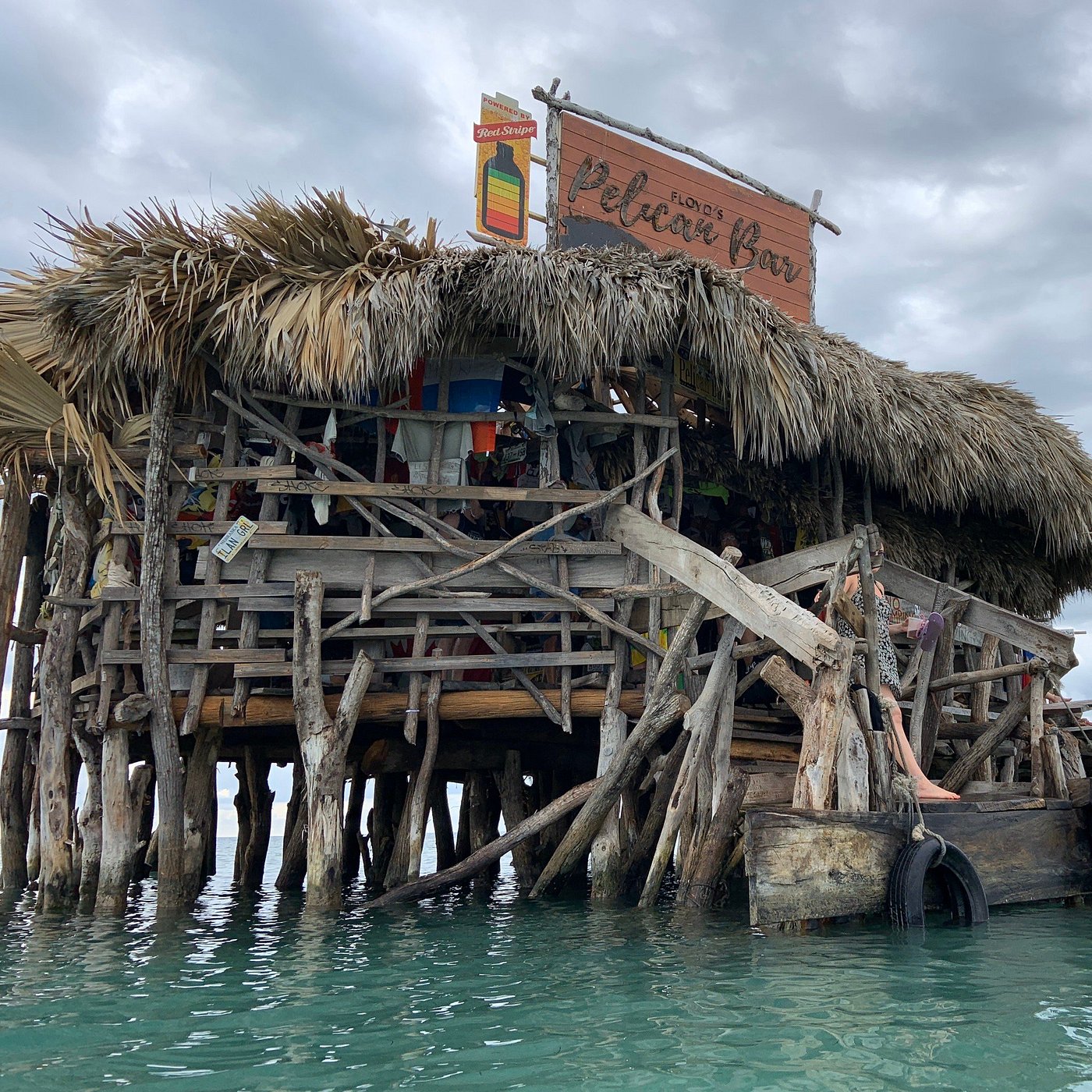
Some moments carried quiet symbolism. The reopening of the Pelican Bar, battered but standing again, mattered not because it attracts visitors—but because it belongs to Jamaicans first. Its return signalled continuity rather than celebration.
These moments did not announce recovery.
They signalled belief.
Tourism in Jamaica: Disrupted, Not Erased
Tourism took a direct hit. That reality matters.
Major hotel brands across the island sustained damage. Properties operated by Sandals, Half Moon, Secrets, and Hyatt entered extended rebuild phases. Some chose not only to restore, but to upgrade—modernising infrastructure and strengthening long-term resilience.
Others reopened faster. Brands such as Riu and Iberostar resumed operations with notable speed, restoring employment and economic flow. On the South Coast, Jake’s navigated devastation with characteristic resolve, reopening in phases while remaining rooted in its surrounding community.
Still, many hotels remain closed.
Jobs remain disrupted.
Retail operations tied to consistent tourist traffic continue to feel absence.
This is the hard truth.
It deserves to be stated plainly.
But it is not the full story.
December 15: Jamaica Reopens With Intention
On December 15, Jamaica officially reopened for the tourism season.
Not as a declaration that rebuilding was complete—but as a signal that the island was ready to welcome again, consciously and carefully. Travel resumed with awareness. Visitors arrived into a living, functioning country, not a staged narrative.
What they found was not perfection.
They found honesty. Warmth. Continuity.
Many travelers spoke of something rare: a deeper connection to place. A sense that presence itself carried meaning. That visiting Jamaica now was not consumption, but participation.
Jamaica did not ask to be saved.
It asked to be engaged.
Rebuilding Jamaica: A Moment of Unusual Opportunity
What makes this phase different is scale.
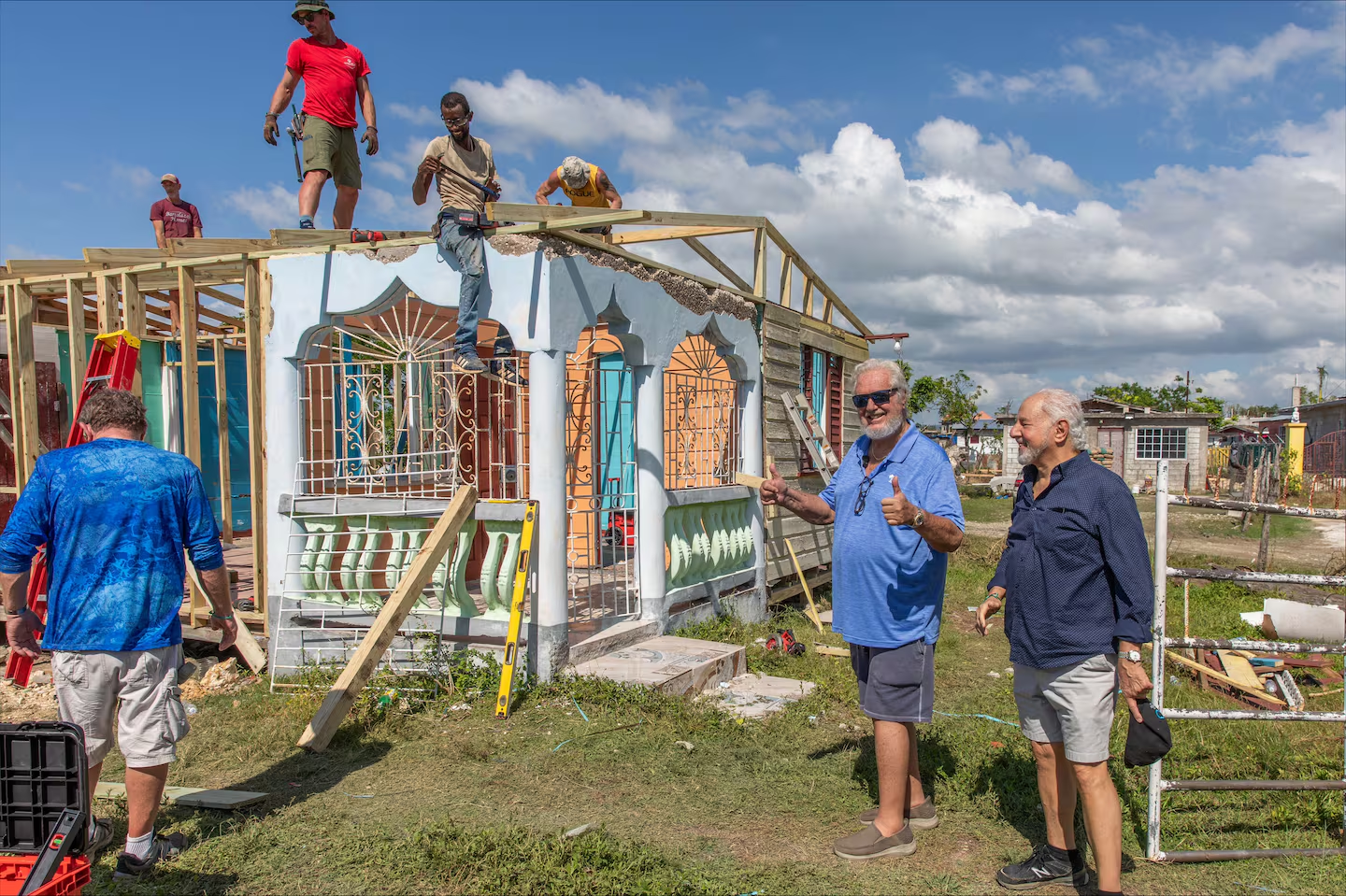
Jamaica has secured unprecedented levels of international financial support for reconstruction—funds earmarked not just for repair, but for resilience. Stronger grids. Smarter infrastructure. Hospitality assets designed for durability rather than speed.
For many businesses, rebuilding has become an opportunity to improve what comes next rather than replicate what existed before. Systems are being reconsidered. Design is being strengthened. Tourism is being recalibrated with longevity in mind.
The capital has not fully landed yet.
The story is still unfolding.
But the foundation is deliberate.
Why Visiting Jamaica Now Matters
To visit Jamaica now is not to step into a crisis.
It is to step into a chapter.
An island open for business.
An island rebuilding with intention.
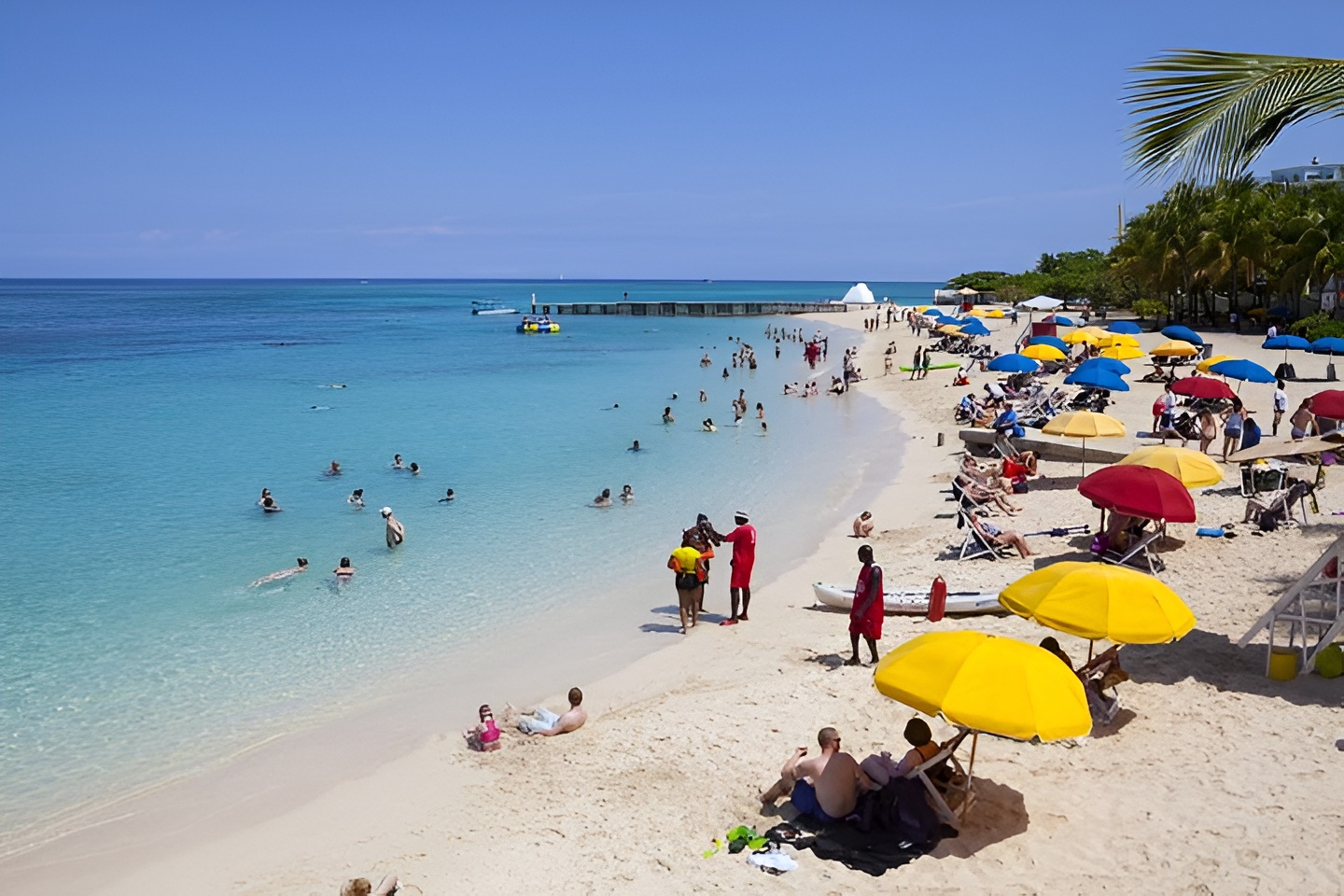
An island still offering extraordinary experiences—from its coastline to its cuisine, from its music to its hospitality.
This is the birthplace of Bob Marley, Usain Bolt, Shelly-Ann Fraser-Pryce, Asafa Powell, and Jimmy Cliff—a country whose cultural influence has always exceeded its size.
To come now is to support jobs, communities, and momentum.
To leave with stories that feel earned, not staged.
Jamaica’s Future, Already in Motion
There is a massive rebuild story still being written in Jamaica. It will take years, not months. It will be uneven, demanding, and imperfect.
But the signs are present.
Lights on.
Doors opening.
Planes landing.
Laughter returning to familiar places.
Jamaica is not defined by what it lost.
It is defined by what it is building.
Uninterrupted—not because nothing happened,
but because something did, and Jamaica moved forward anyway.