

Reggae Month, Global Influence, and the Enduring Style of a Jamaican Icon
By OCEAN Style
There are global stars.
And then there are cultural forces.
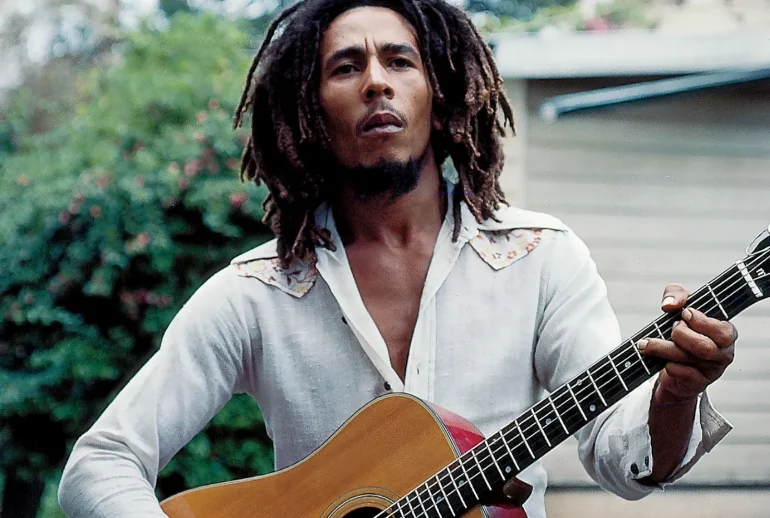
Bob Marley is not simply Jamaica’s most famous musician. He is the axis around which modern Caribbean identity spins. Nearly four decades after his passing, his voice remains instantly recognizable across continents. His image circulates in cities he never visited. His philosophy continues to shape how the world understands freedom, resistance, rhythm, and style.
This is not nostalgia.
It is infrastructure.
The Sound That Refused Containment
When Bob Marley and the Wailers carried reggae beyond Kingston, they did not export a genre. They exported a worldview.
Albums like Exodus, Kaya, and Uprising were not simply records — they were cultural documents. Marley translated Jamaican experience into something universal without sanding off its edges. That balance — hyper-local and globally resonant — remains rare in popular music.
Today, Reggae Month in Jamaica is celebrated formally each February. But Bob Marley’s influence is not seasonal. His music streams globally every day. “One Love” functions as shorthand for unity. “Redemption Song” resurfaces during moments of political reckoning.
Few artists maintain that level of permanence.
The global impact of reggae music owes much to Marley’s refusal to dilute its message. He made Jamaican culture legible without making it smaller.
Bob Marley and the Aesthetic of Effortless Authority
Marley did not perform cool.
He embodied it.
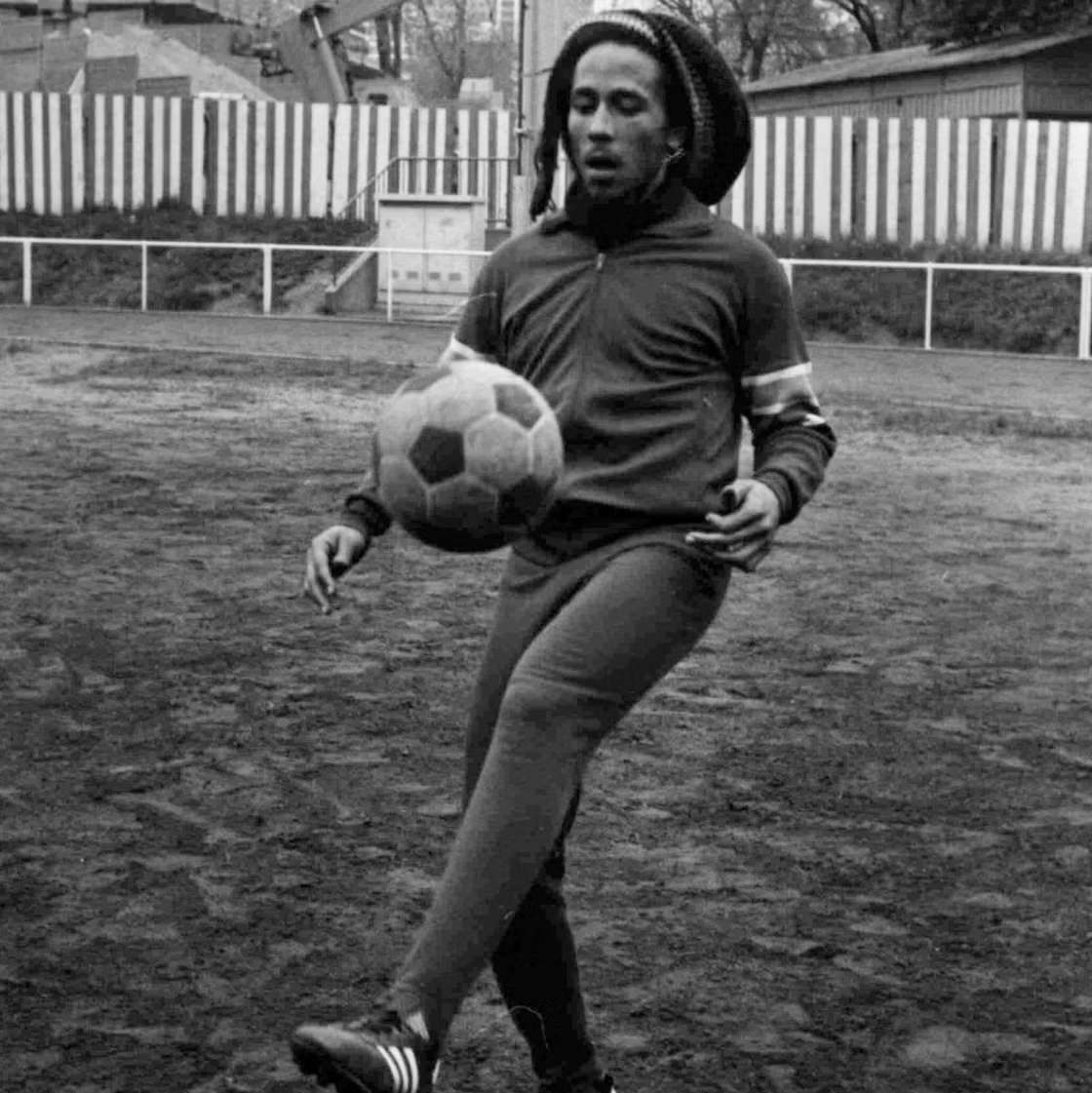
The denim. The military jackets. The Adidas tracksuits. The quiet defiance in posture. The ease. Nothing appeared styled for approval. Everything felt lived in.
That aesthetic has been absorbed into global fashion without citation. Luxury brands borrow its relaxed authority. Streetwear echoes it. Editorial campaigns attempt to reconstruct it.
But the original remains unmatched because it was never curated. It was conviction.
Caribbean cool — the kind that does not chase validation — finds its clearest expression in Marley. His presence made understatement powerful. His stillness carried weight.
Cool, in this context, is alignment. Not spectacle.
Geography as Origin: Why Place Still Matters
To understand why Bob Marley still defines Caribbean cool, you have to return to geography.
Nine Mile.
Trench Town.
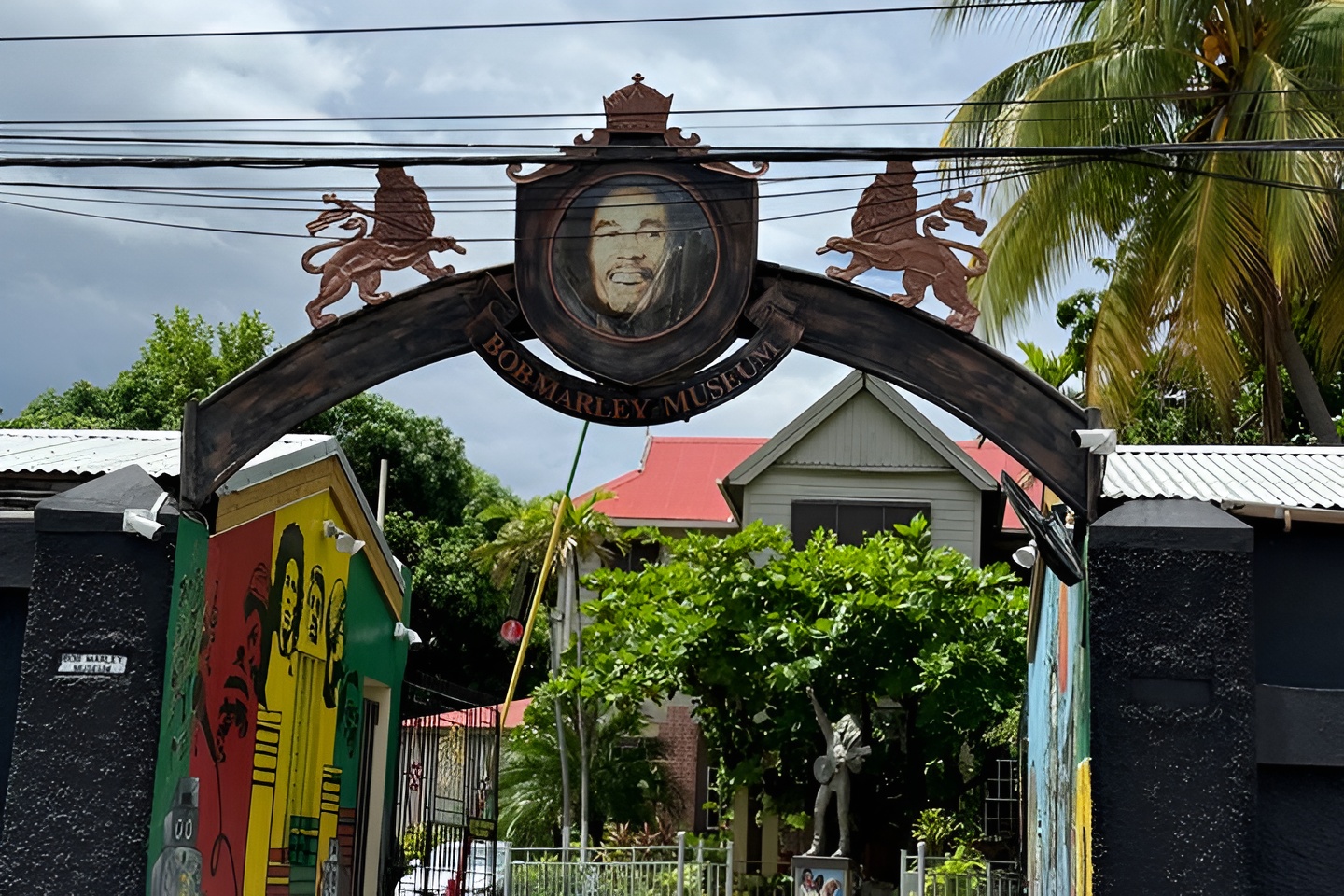
Bob Marley Museum.
These are not backdrops. They are origin stories.
Visitors to the Bob Marley Museum on Hope Road do not encounter spectacle. They encounter scale — the scale of influence that emerged from modest rooms and rehearsal spaces.
Marley’s legacy is inseparable from Jamaica itself. The island’s history, struggle, spirituality, and musical innovation are embedded in his catalog. His rise was not detached from place. It was shaped by it.
That rootedness is what gives the Bob Marley legacy durability.
Reggae Month and the Continuity of Influence
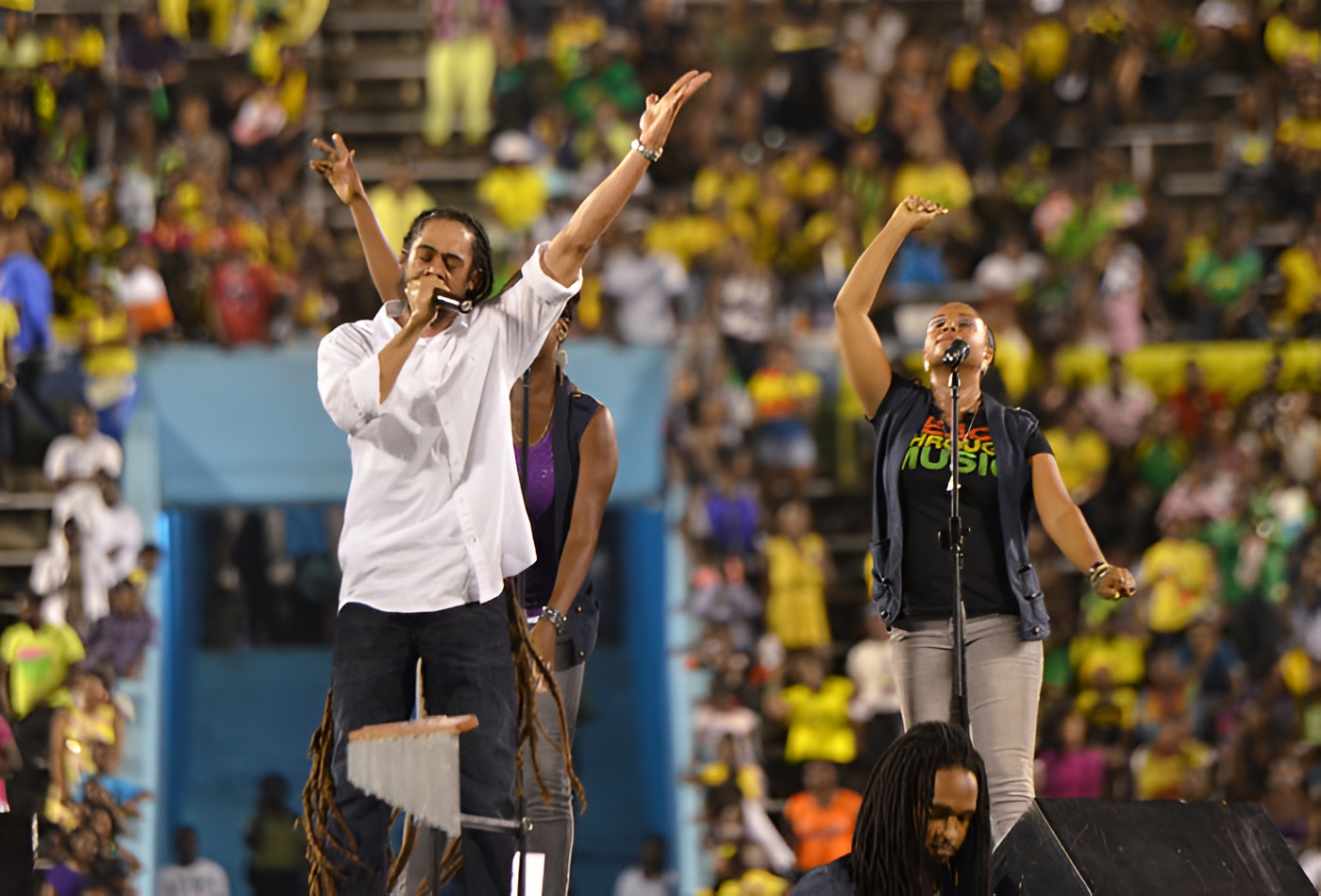
Each February, Jamaica formally observes Reggae Month. Concerts unfold across Kingston. Tributes surface in Montego Bay. The diaspora marks the moment in London, New York, Toronto.
But Marley’s influence does not require activation.
The 2024 biographical film reintroduced his story to a new generation. Streaming platforms continue to amplify his catalog. Younger Caribbean artists cite him not as history but as foundation.
The Marley family legacy — through Cedella, Ziggy, Stephen, Damian, and others — extends the cultural footprint across music, film, hospitality, and philanthropy. This is not simple brand maintenance.
It is continuity.
The Bob Marley influence compounds because it remains culturally useful. It still speaks to resistance. It still articulates freedom. It still offers language for identity.
Multi-Generational Legacy and Global Reach
Most icons peak in their lifetime.
Marley’s reach has expanded.
Ziggy Marley and his siblings have extended the musical lineage. Global touring acts, philanthropic initiatives, and cultural enterprises reinforce the family’s presence across continents.
This ecosystem keeps the Bob Marley legacy active rather than archival.
The result is unusual: an artist whose cultural authority has grown in absence.
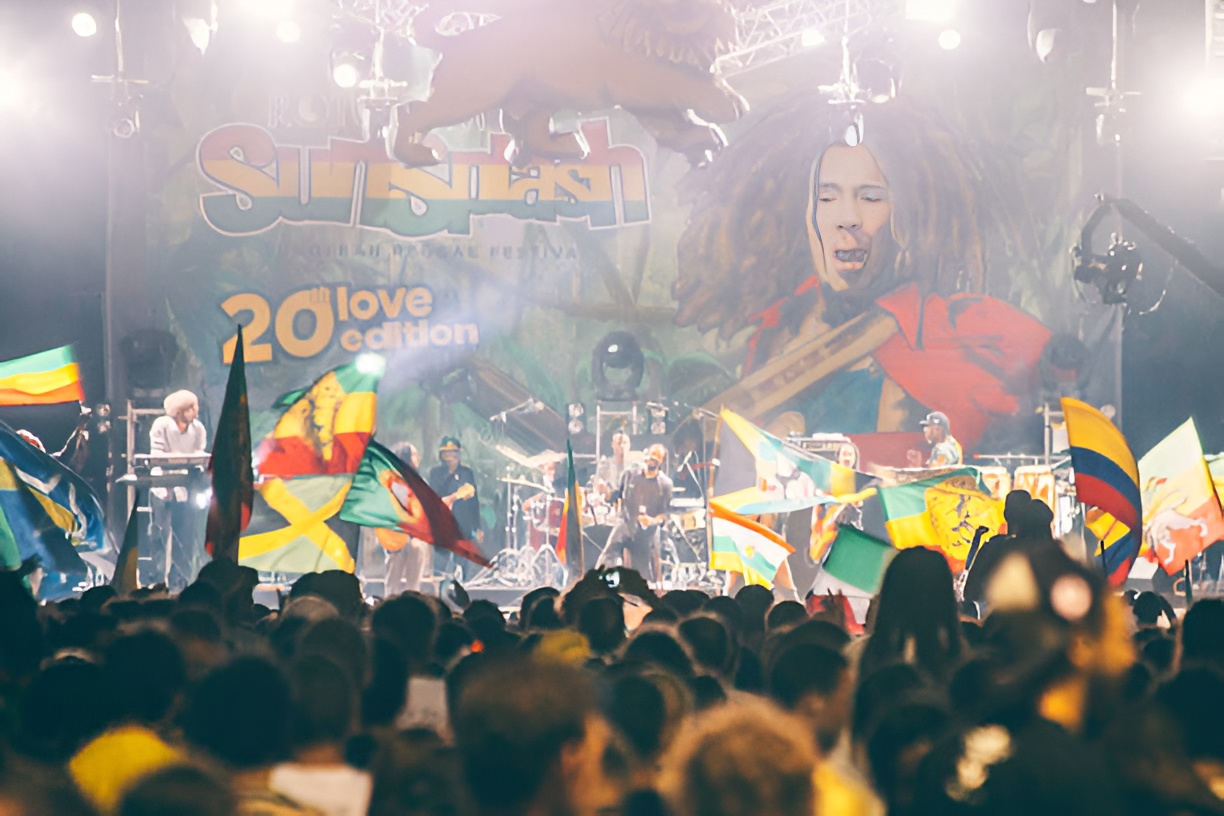
Why Bob Marley Still Defines Caribbean Cool
In an era obsessed with reinvention, Marley remains fixed.
That fixedness is power.
For Jamaica, he is not only heritage. He is economic engine, diplomatic ambassador, and stylistic reference point. For the Caribbean, he is proof that global influence does not require dilution. For the world, he remains evidence that music can be intimate and insurgent at once.
Caribbean cool is not loud.
It is assured.
Bob Marley understood that instinctively.
And that is why, decades later, he still defines it.