


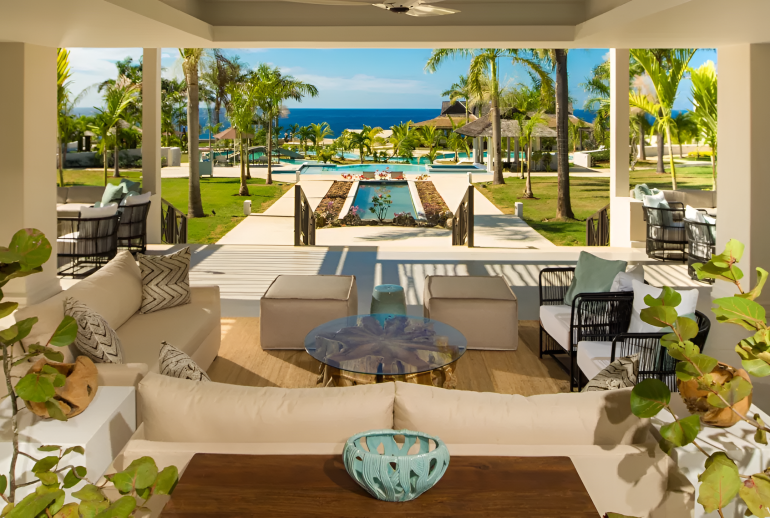
Luxury is fragile.
It rarely unravels because of cost or ambition.
It fails because of friction—the small, unnecessary interruptions that break ease.
The most disappointing luxury experiences are not undone by what is missing, but by what should have been edited out. Minor intrusions. Quiet misjudgments. Signals that something is trying too hard to be noticed.
At its core, luxury is effortlessness.
When effort becomes visible, the illusion dissolves.
Luxury Is Defined by Ease, Not Excess
True luxury is not about abundance. It is about alignment.
In high-end hotels, restaurants, and private spaces, the expectation is not perfection—it is coherence. Every detail should support calm. When even one element introduces friction, the experience begins to feel managed instead of held.
Below are eleven small but telling ways luxury environments quietly undermine themselves.
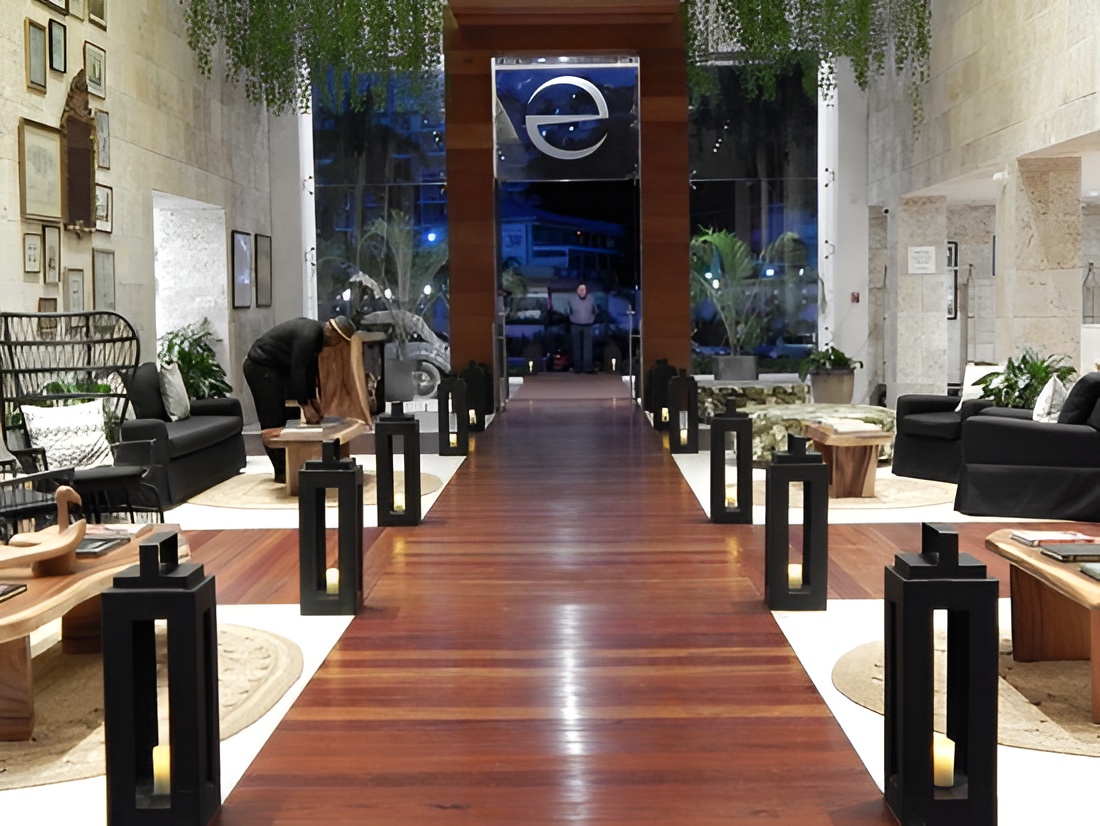
1. Overexplaining the Experience
Luxury assumes intelligence.
When every design choice, service element, or philosophy is explained aloud or printed excessively, it signals insecurity. Guests should understand a space intuitively. If something needs justification, it likely needs refinement.
In luxury hospitality, silence often communicates confidence better than language.
2. Forced Friendliness in Luxury Service
Warmth is not performance.
Scripted enthusiasm, exaggerated familiarity, and constant verbal check-ins create distance rather than comfort. The best luxury service is observant, restrained, and responsive without being intrusive.
Guests want to feel seen, not supervised.
3. Spaces Designed for Photos Instead of Comfort
Luxury interiors that prioritize social media aesthetics over human use age quickly.
Awkward seating, poor lighting, impractical layouts, and decorative excess are signs that optics outweighed comfort. High-end design should support rest, movement, and ease—not documentation.
Luxury spaces are meant to be lived in, not captured.
4. Noise That Was Never Considered
Sound is one of the clearest indicators of care.
Background music that competes for attention. Echoing hallways. Mechanical hums that interrupt rest. These details fracture calm immediately.
Silence—or thoughtfully controlled sound—is a core component of luxury environments.
5. Visible Systems Working Too Hard
When logistics become visible, luxury weakens.
Rushed staff movements. Public problem-solving. Operational corrections made in front of guests. The more effort guests can see, the less effortless the experience feels.
In high-end service, the work should disappear so the experience can remain intact.
6. Overdesigned Menus in Luxury Dining
More choice does not equal better dining.
Long menus suggest indecision, not generosity. They communicate anxiety rather than confidence. Luxury dining values clarity over abundance.
A concise menu signals trust in execution. Editing is a form of respect for the guest’s attention.
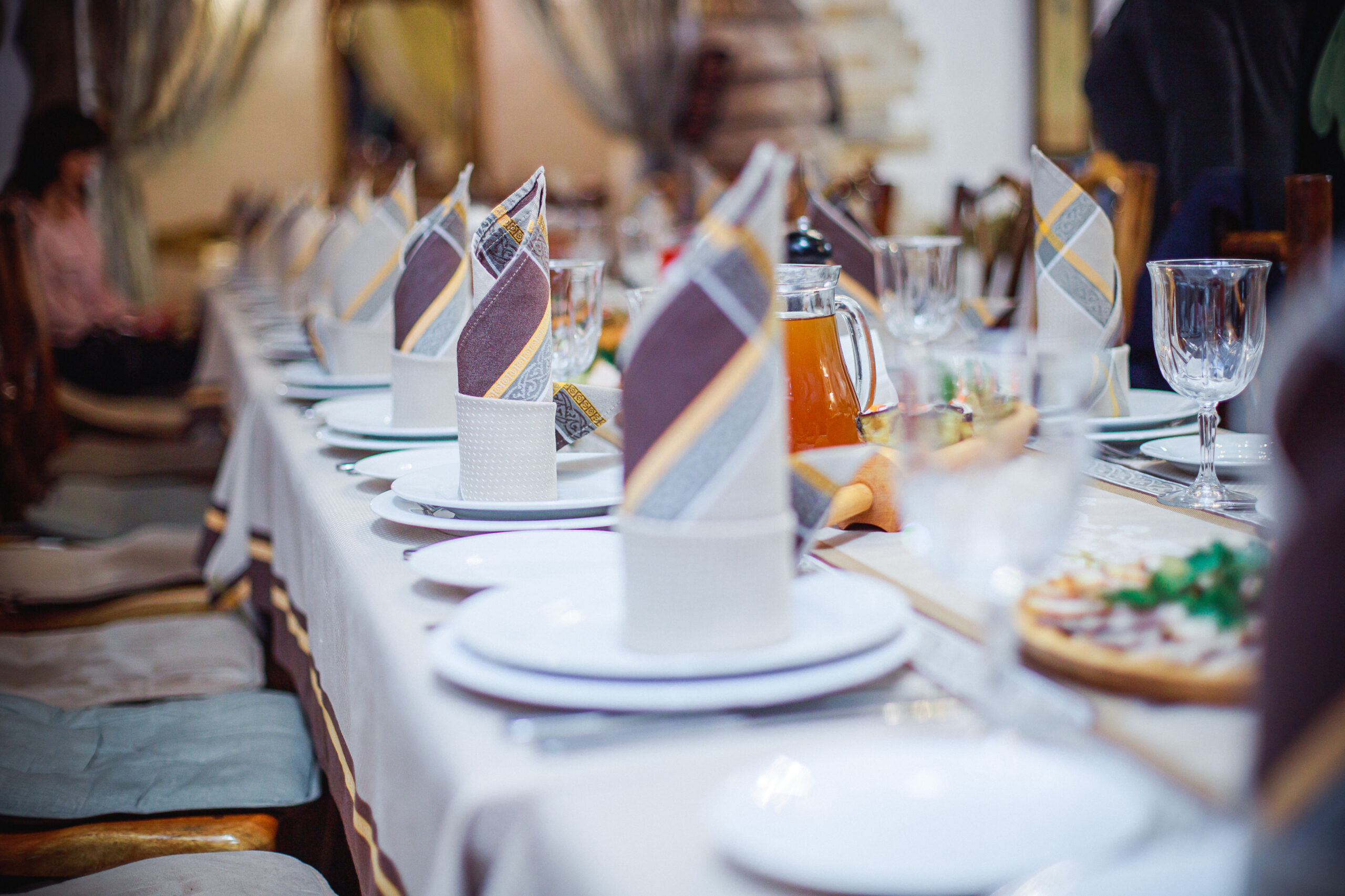
7. Paper Napkins Where Cloth Was Expected
This is not about snobbery.
It is about coherence.
When the setting, pricing, and service signal refinement, mismatched materials break immersion. Small tactile choices—napkins, glassware, cutlery—carry disproportionate weight in luxury spaces.
Consistency matters more than extravagance.
8. Trend-Chasing Luxury Design
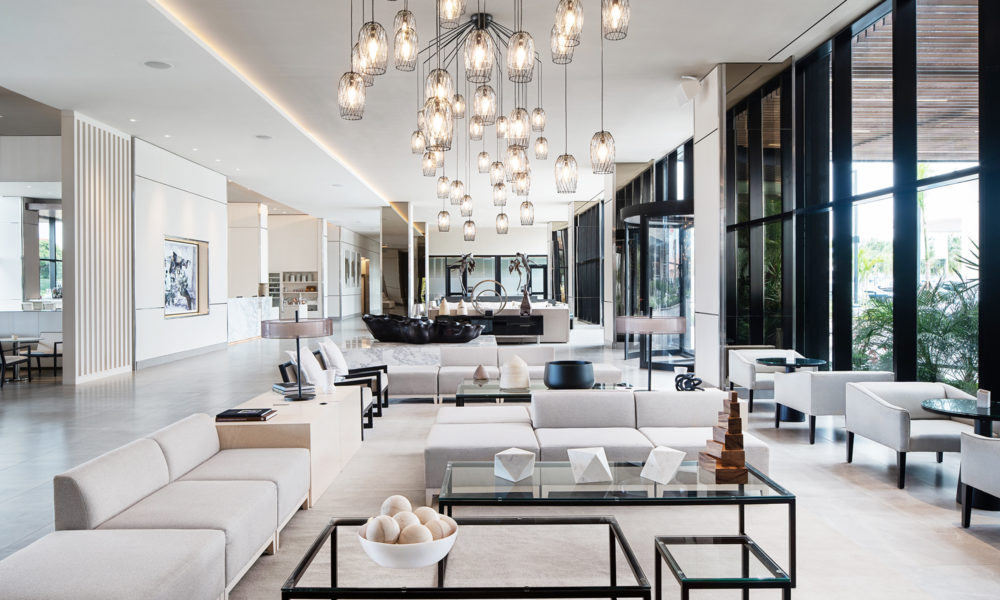
What feels current today often feels dated tomorrow.
Luxury interiors built around trends sacrifice longevity. They privilege novelty over proportion, material quality, and restraint. The most enduring luxury design avoids timestamps.
Timelessness is not accidental. It is intentional.
9. Interruptions Disguised as Service
Repeatedly asking if everything is “okay” fractures immersion.
Attentiveness in luxury hospitality should be anticipatory, not visible. Presence matters more than frequency. The best service appears exactly when needed—and disappears immediately afterward.
Luxury is continuity, not interruption.
10. Inconsistent Temperature and Lighting
Comfort is physical before it is conceptual.
Rooms that are too cold, overly bright, poorly ventilated, or unevenly lit erode trust instantly. No amount of design or service can compensate when the body does not settle.
Luxury begins when the nervous system relaxes.
11. Performative Sustainability
Good intentions announced too loudly feel transactional.
True sustainability in luxury environments operates quietly. It is structural, not theatrical. When responsibility becomes part of the marketing narrative, it loses credibility.
Ethics should be embedded, not advertised.
Why Small Details Matter in Luxury Experiences
None of these failures are dramatic.
That is precisely the point.
Luxury does not collapse in moments of excess. It erodes through small misalignments—through noise where there should be calm, explanation where there should be trust, paper where cloth was expected.
These details do not offend.
They disappoint.
When Luxury Works, You Barely Notice It
When luxury is done well, it fades into the background.
You do not feel impressed.
You feel settled.
And when it fails, you feel managed.
That difference—between being held and being handled—is everything.