


Caribbean design is climate-smart by nature.
Airflow, shade, durability, and indoor-outdoor living are not decorative choices—they are essential. Architecture and interiors in the region have evolved to respond to environment first, then form. Every building, space, and object carries lessons in logic, proportion, and adaptability.
As global design increasingly prioritizes sustainability, context, and authenticity, Caribbean design resonates more strongly than ever. It is not a seasonal trend or style statement. It is a blueprint.
Environmental Intelligence as Foundation
Caribbean design begins with climate, not fashion.
Buildings are oriented for cross-ventilation. Shading is integrated seamlessly. Materials endure sun, wind, and salt. Interiors extend naturally into the landscape. The result is structures that feel both comfortable and responsive.
This intelligence allows spaces to function effortlessly, reducing energy dependence and improving comfort. It also creates an aesthetic that feels inevitable rather than imposed. Form follows function—and in this context, function is cultural, environmental, and human.
Authenticity Through Adaptation
What global audiences often call “tropical style” rarely captures this depth.
Caribbean spaces are not simply decorated with palms, rattan, or bright colors. They optimize for climate and lifestyle, reflecting lived experience rather than visual shorthand. Open-air living, modular rooms, and weathered surfaces express knowledge accumulated over generations.
Authenticity emerges not from ornamentation, but from alignment with place. This is why the work feels contemporary even when techniques are decades old. It is modern because it works.
Sustainability Built In
Long before sustainability became a design mantra, Caribbean architecture embodied it.
Durable materials, passive cooling, and energy-conscious layouts are not trends—they are necessities. These principles reduce waste, enhance resilience, and improve livability. Modern designers, both in the region and internationally, increasingly recognize Caribbean projects as exemplars of intelligent, functional, and responsible design.
Interiors That Respond
Interiors follow the same principles.
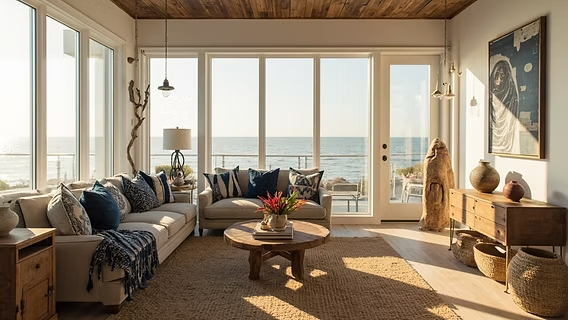
Furniture, finishes, and layout respond to movement, light, and climate. Spaces are layered, breathable, and adaptable. Indoor-outdoor thresholds are seamless. Views are curated without feeling staged. Comfort is implicit; everything is placed with purpose.
This approach contrasts sharply with interiors designed primarily for visual drama. Caribbean interiors feel alive because they are inhabited and tuned to the environment, not curated solely for display.
A Blueprint, Not a Moment
Caribbean design matters because it offers a framework for the future.
The region demonstrates how environmental intelligence, cultural context, and practical needs can converge to create spaces that are sustainable, beautiful, and durable. Designers globally are beginning to look here not for motifs, but for methodology.
It is a moment in recognition, yes—but the principles themselves are enduring. This is a design that will continue to teach, influence, and inspire long after trends pass.
Closing Reflection
Caribbean design is not fleeting or decorative.
It is climate-smart, culturally rooted, and human-centered. Its influence reaches beyond region and trend, offering a model for spaces that feel effortless, enduring, and deeply aligned with their environment. In this quiet logic, Caribbean design has already set the standard.