


Cooyah: A Jamaican T-Shirt, a Wider Conversation

Cooyah Jamaica graphic T-shirt

A source-led look at the founders, music references and graphic language behind a brand established in 1987.

A T-shirt has a small amount of space in which to make itself understood. A face, a phrase, a burst of colour: the message has to work before anyone explains it.

That makes Cooyah an interesting design story. The brand's own archive offers something more useful than a general claim about Jamaican style travelling the world. It gives the story names, dates and particular designs.

Start with the people

Cooyah dates its founding to 1987, when Homer Bair and Susan Kreitman established the label. In its tribute to Kreitman, the company remembers her work in hand-knitted couture as well as the clothing business she helped build. It describes colour as central to both her personality and her contribution to the brand. This is the company's account of its history, rather than a newly conducted OCEAN interview. Cooyah's founder tribute.

Naming both founders changes the emphasis. The clothes did not emerge anonymously from a national mood. People made decisions about what to draw, what to print and what a customer might want to wear. Giving those people their place in the story makes the work more interesting, not less Jamaican.
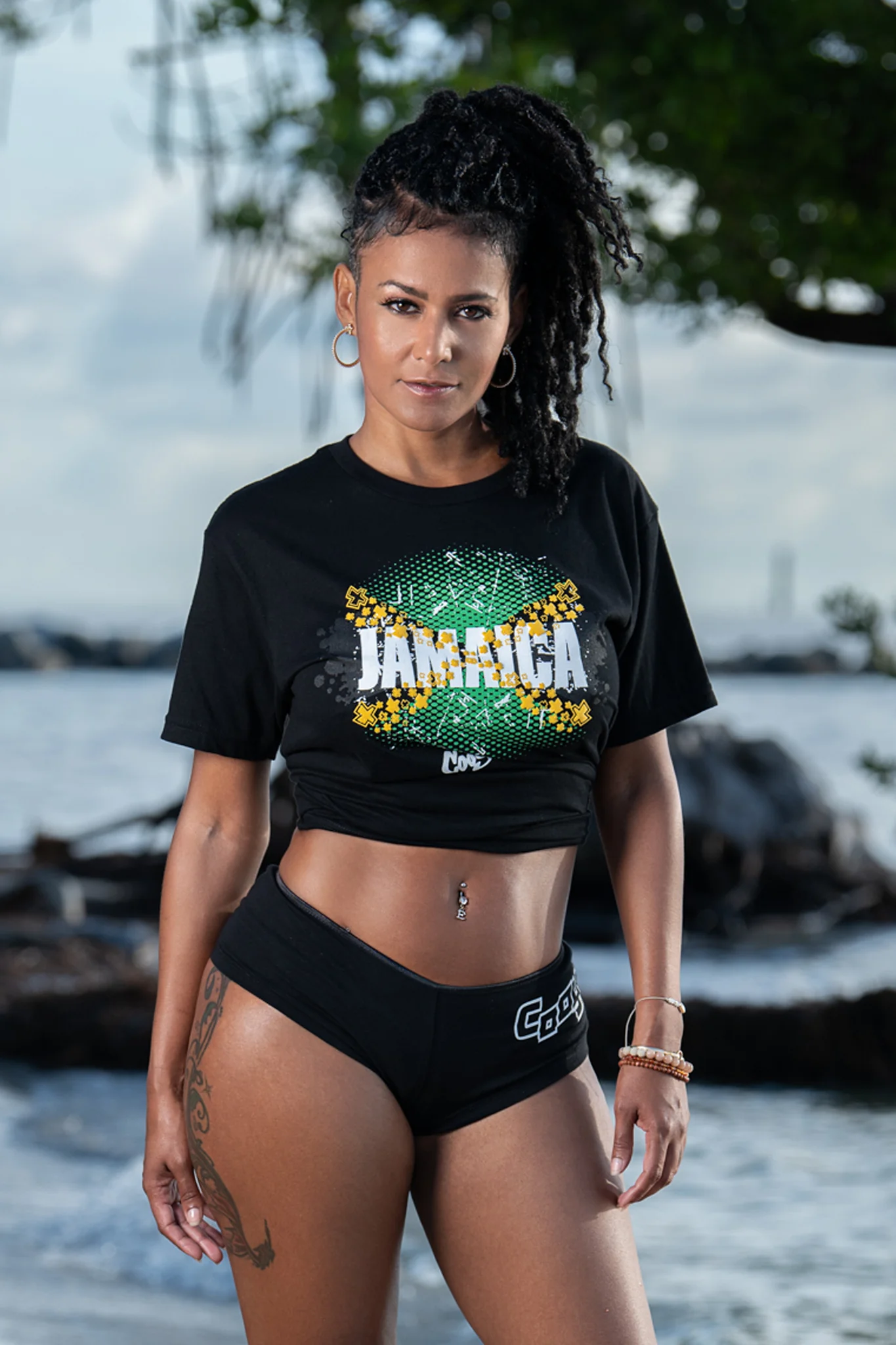
Cooyah Jamaica graphic T-shirt close-up representing Jamaican streetwear culture
A Jamaica graphic on a black Cooyah top.

Music, made visible

One documented example is Soul Sister, introduced on the brand's blog in June 2025 as a companion to its Soul Man graphic tee. Cooyah linked the design to the music and style of the 1970s, including soul and disco. The reference is specific: a garment built around an idea of a musical era, not a claim that one shirt represents every Caribbean experience. Soul Sister.

The connection between clothing and gathering also appears in the archive. An April 2025 announcement promoted a Cooyah anniversary event at Geejam Beach in Portland, combining a fashion show with a party and food. That announcement establishes what the brand advertised; it is not an OCEAN attendance report, and it is not a current event listing. Cooyah's 2025 Geejam announcement.

Together, those examples give a modest but tangible account of the brand's interests: graphic clothing, musical memory and occasions on which the clothes can be worn.
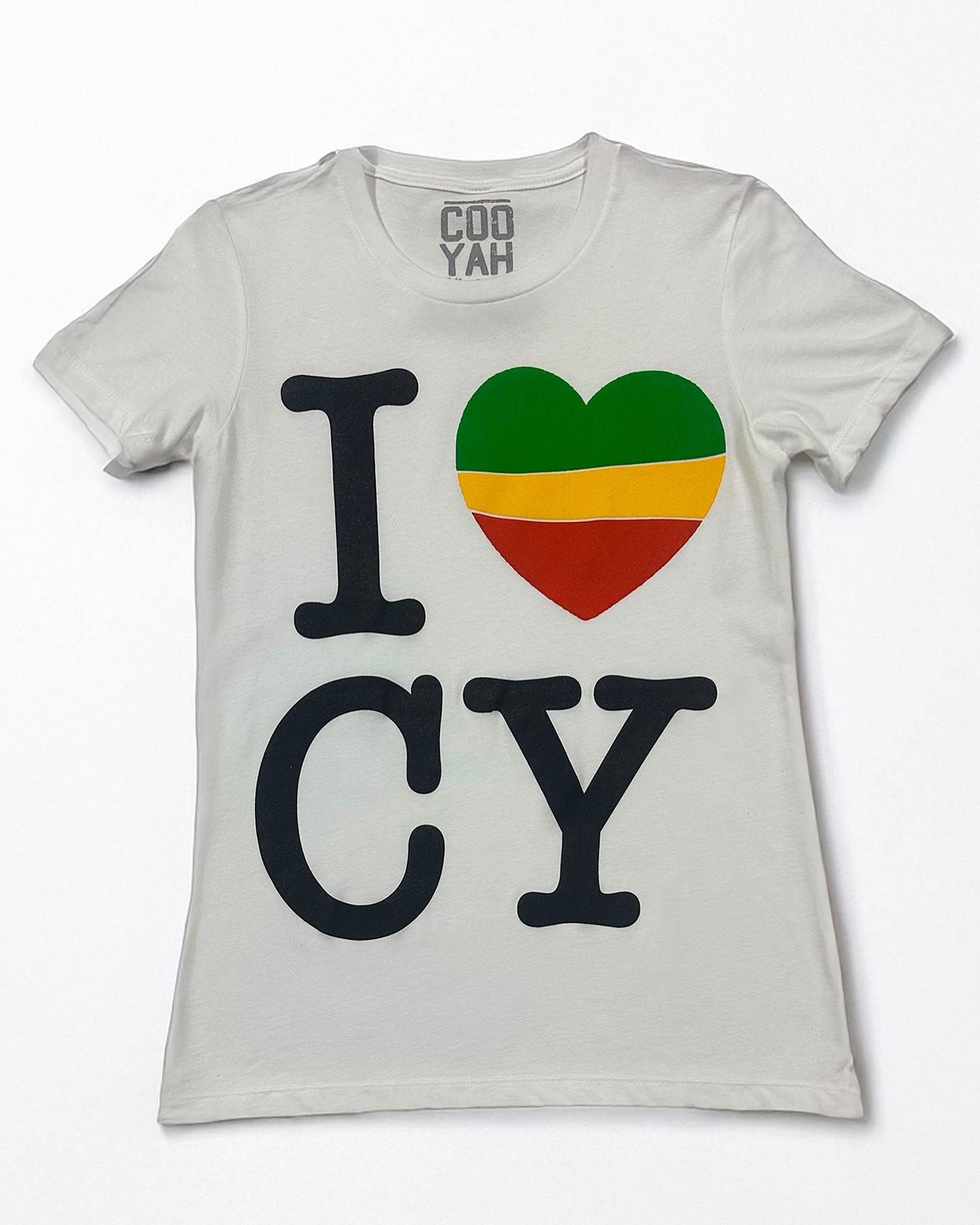
Cooyah t-shirt
Lettering and colour form the design on this Cooyah T-shirt.

Identity without a passport check

Cooyah's own writing also presents Jamaican cultural connection as an invitation rather than a test of nationality. A brand-hosted essay, written from the perspective of a marketing collaborator, describes its Jamaican roots and Florida base while emphasising a welcome to people beyond the diaspora. That is a statement of the brand's outlook, not independent evidence of how every customer experiences it. Jamaican Culture: It's a Mindset.

For a reader interested in Caribbean design, the useful question is not whether a T-shirt can stand for an entire island. It cannot. The question is what a particular design chooses to keep in view.

Cooyah's archive points towards colour, music and connection. Its founders' history adds another dimension: the patient work of making those ideas into clothes.

The T-shirt remains a simple garment. The decisions printed on it need not be.

Share on

Related Posts

Comments are closed.

Cooyah Jamaica graphic T-shirt

A source-led look at the founders, music references and graphic language behind a brand established in 1987.

A T-shirt has a small amount of space in which to make itself understood. A face, a phrase, a burst of colour: the message has to work before anyone explains it.

That makes Cooyah an interesting design story. The brand's own archive offers something more useful than a general claim about Jamaican style travelling the world. It gives the story names, dates and particular designs.

Start with the people

Cooyah dates its founding to 1987, when Homer Bair and Susan Kreitman established the label. In its tribute to Kreitman, the company remembers her work in hand-knitted couture as well as the clothing business she helped build. It describes colour as central to both her personality and her contribution to the brand. This is the company's account of its history, rather than a newly conducted OCEAN interview. Cooyah's founder tribute.

Naming both founders changes the emphasis. The clothes did not emerge anonymously from a national mood. People made decisions about what to draw, what to print and what a customer might want to wear. Giving those people their place in the story makes the work more interesting, not less Jamaican.

Cooyah Jamaica graphic T-shirt close-up representing Jamaican streetwear culture
A Jamaica graphic on a black Cooyah top.

Music, made visible

One documented example is Soul Sister, introduced on the brand's blog in June 2025 as a companion to its Soul Man graphic tee. Cooyah linked the design to the music and style of the 1970s, including soul and disco. The reference is specific: a garment built around an idea of a musical era, not a claim that one shirt represents every Caribbean experience. Soul Sister.

The connection between clothing and gathering also appears in the archive. An April 2025 announcement promoted a Cooyah anniversary event at Geejam Beach in Portland, combining a fashion show with a party and food. That announcement establishes what the brand advertised; it is not an OCEAN attendance report, and it is not a current event listing. Cooyah's 2025 Geejam announcement.

Together, those examples give a modest but tangible account of the brand's interests: graphic clothing, musical memory and occasions on which the clothes can be worn.

Cooyah t-shirt
Lettering and colour form the design on this Cooyah T-shirt.

Identity without a passport check

Cooyah's own writing also presents Jamaican cultural connection as an invitation rather than a test of nationality. A brand-hosted essay, written from the perspective of a marketing collaborator, describes its Jamaican roots and Florida base while emphasising a welcome to people beyond the diaspora. That is a statement of the brand's outlook, not independent evidence of how every customer experiences it. Jamaican Culture: It's a Mindset.

For a reader interested in Caribbean design, the useful question is not whether a T-shirt can stand for an entire island. It cannot. The question is what a particular design chooses to keep in view.

Cooyah's archive points towards colour, music and connection. Its founders' history adds another dimension: the patient work of making those ideas into clothes.

The T-shirt remains a simple garment. The decisions printed on it need not be.

Share on

Related Posts

Comments are closed.