Day: March 6, 2026

  • Port Antonio: Jamaica’s Most Beautiful Secret

    Port Antonio: Jamaica’s Most Beautiful Secret

    Where the Blue Mountains Meet the Sea

    For decades, Port Antonio Jamaica has existed slightly outside the rhythm of the island’s better-known tourism centers. While Montego Bay and Negril developed into global resort destinations defined by scale and nightlife, Port Antonio followed a different path. Geography, history and culture quietly shaped the experience of being there, producing a place where the landscape still sets the tone.

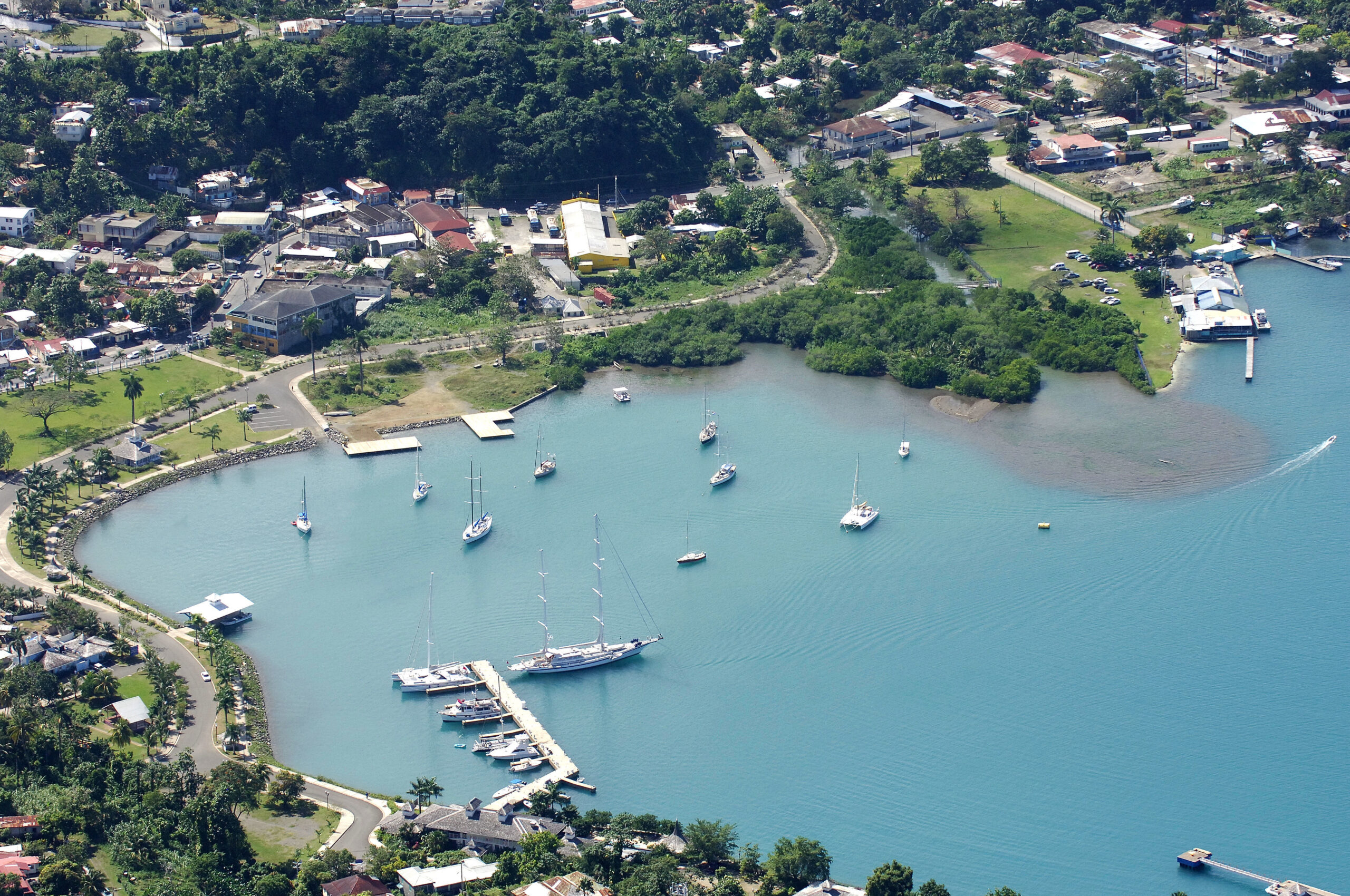
    The town rests along Jamaica’s northeastern coast in Portland Parish, where the Blue Mountains descend toward the Caribbean Sea. Rivers spill out of rainforest, bamboo groves frame narrow roads and hidden coves appear between cliffs and jungle. The scenery feels less constructed than discovered, as if nature has always been the primary architect.

    Visitors frequently describe Portland Jamaica travel as the island’s most visually striking region. Yet Port Antonio’s appeal extends beyond scenery. Its defining quality is atmosphere — a slower, more reflective pace that has resisted the pressures of large-scale tourism development.

    The Artists, Writers, and Travelers Who Discovered Port Antonio

    Historically, Port Antonio attracted a particular kind of visitor. Writers, musicians and filmmakers gravitated toward its quiet intensity.

    Ian Fleming spent time along this coastline while developing the world that would later become the James Bond novels. Hollywood actor Errol Flynn famously arrived during the 1940s, fell in love with the town and eventually purchased an estate overlooking the harbor.

    For Flynn and others who followed, Port Antonio Jamaica offered something increasingly rare in global travel: privacy paired with extraordinary natural beauty.

    The town never attempted to compete with Jamaica’s larger resort markets. Instead, it cultivated a quieter appeal built around rivers, beaches and landscape.
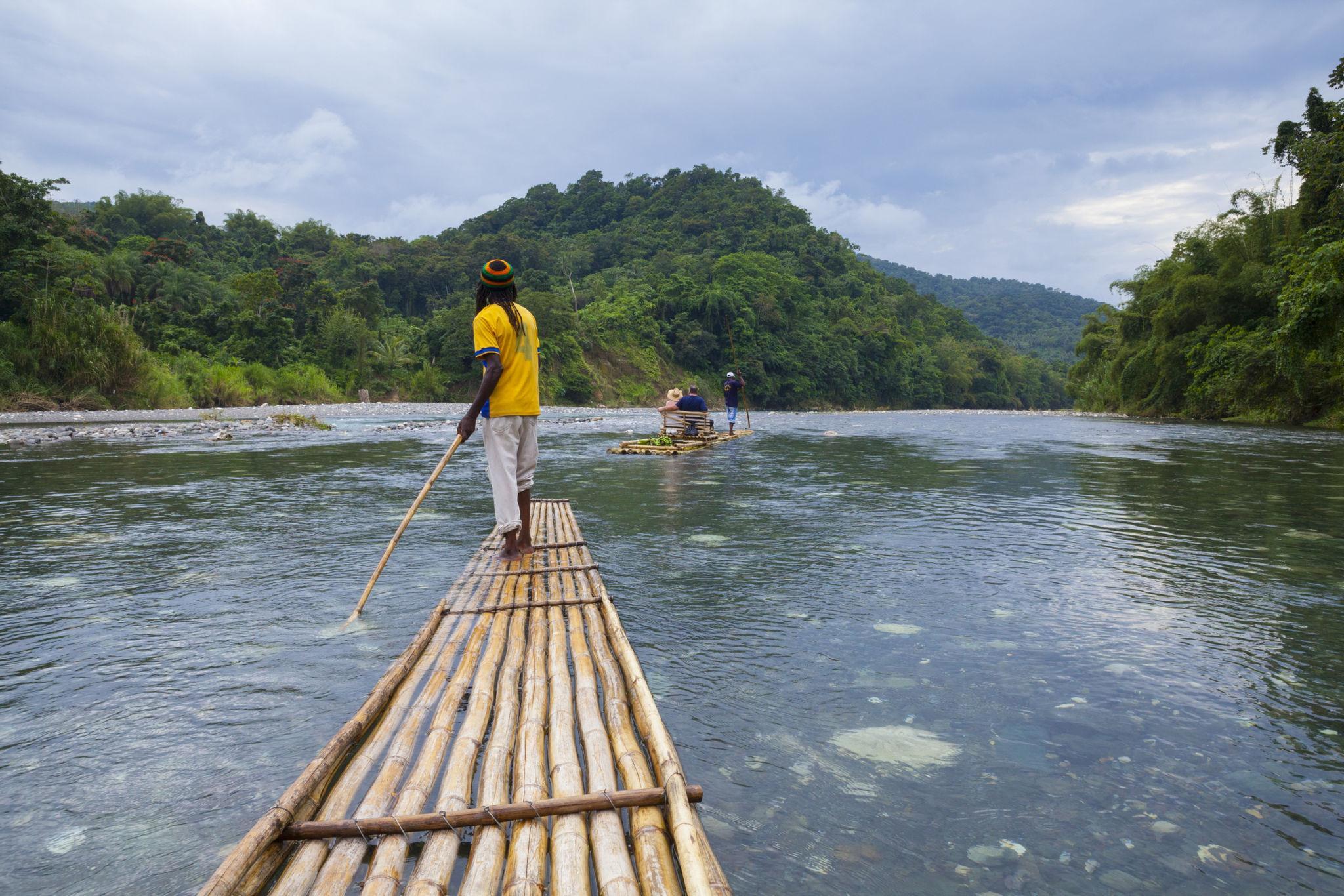
    Rio Grande bamboo rafting experience in Port Antonio Jamaica

    Rivers, Lagoons and Beaches: Nature Defines the Experience

    Travelers come to Port Antonio for rafting along the Rio Grande, afternoons at Frenchman’s Cove and the luminous blue water of the Blue Lagoon. Even the beaches carry a sense of intimacy, framed by jungle rather than hotel towers.

    Afternoons often lead to Rio Grande rafting Jamaica, where bamboo rafts glide slowly through dense greenery. Experienced raftsmen guide the boats with quiet precision as the river winds through rainforest valleys.

    From there the landscape rises toward the Blue Mountains, revealing wide Caribbean views along winding roads.
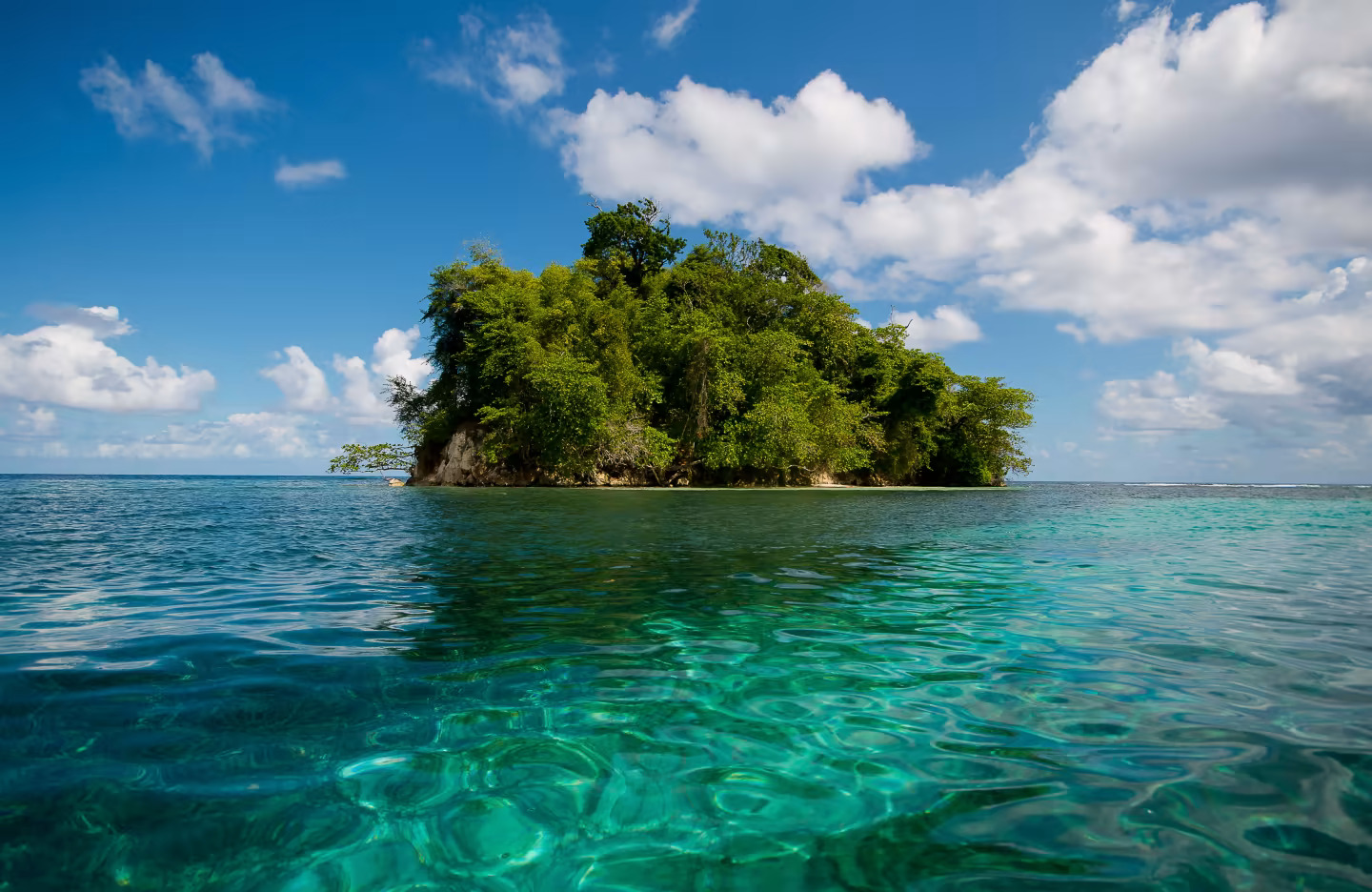
    Port Antonio Scenery

    Port Antonio’s Quiet Renaissance

    As global travel shifts toward authenticity and experiential luxury, Port Antonio travel is experiencing a quiet renaissance.

    Boutique hotels have appeared along the coastline. Historic villas are being restored. Small restaurants attract visitors who care more about atmosphere than spectacle.

    Mornings begin with swims in calm turquoise water or coffee overlooking the harbor as fishing boats return from the sea. By midday the town settles into its natural rhythm — market vendors arranging produce, schoolchildren passing through narrow streets and visitors wandering through a place that still feels unmistakably Jamaican.

    By evening the harbor quiets and the town settles into long dinners, soft conversation and trade winds moving through open verandas.

    “Port Antonio reminds travelers that luxury is not always about scale. Sometimes it is about restraint.”

    Why Port Antonio Represents the Future of Caribbean Travel

    What distinguishes Port Antonio Jamaica from other Caribbean destinations is not simply its scenery, though that alone would justify the journey.

    The town has preserved a sense of identity that many tourism centers gradually lose. It feels lived in rather than staged, and that authenticity carries increasing value as global travel becomes more homogenized.

    Port Antonio reminds visitors of something modern hospitality occasionally forgets:

    Luxury is not always defined by scale.

    Often it emerges through restraint.

    As travelers increasingly seek connection to place rather than manufactured experiences, destinations like this one become more compelling.

    For those willing to move a little slower and explore a little further, Port Antonio reveals itself gradually. Rivers, mountains and hidden coves combine to create a landscape that feels both timeless and quietly alive.

    Jamaica offers many remarkable destinations. Few possess the layered beauty and authenticity of Port Antonio.

    “In Port Antonio the landscape still leads the experience, not the architecture.”
  • The Caribbean’s New Culinary Generation

    The Caribbean’s New Culinary Generation

    A New Era for Caribbean Cuisine

    Caribbean cuisine has long been one of the world’s most vibrant culinary traditions. Across the islands, African, Indian, European and Indigenous influences intersect to produce a food culture shaped by migration, climate and history.

    For much of the twentieth century that complexity was often simplified internationally. Caribbean food was celebrated for bold flavor and warmth, yet rarely discussed with the same seriousness granted to other global culinary traditions.

    That perception is beginning to change.

    Across Jamaica, Trinidad, Barbados and the wider Caribbean, a new generation of chefs is redefining how Caribbean cuisine is understood. Rather than replicating international dining trends, these chefs draw directly from local ingredients and culinary traditions while applying the discipline of modern Caribbean gastronomy.

    The result is a culinary movement that feels both deeply rooted and unmistakably contemporary.

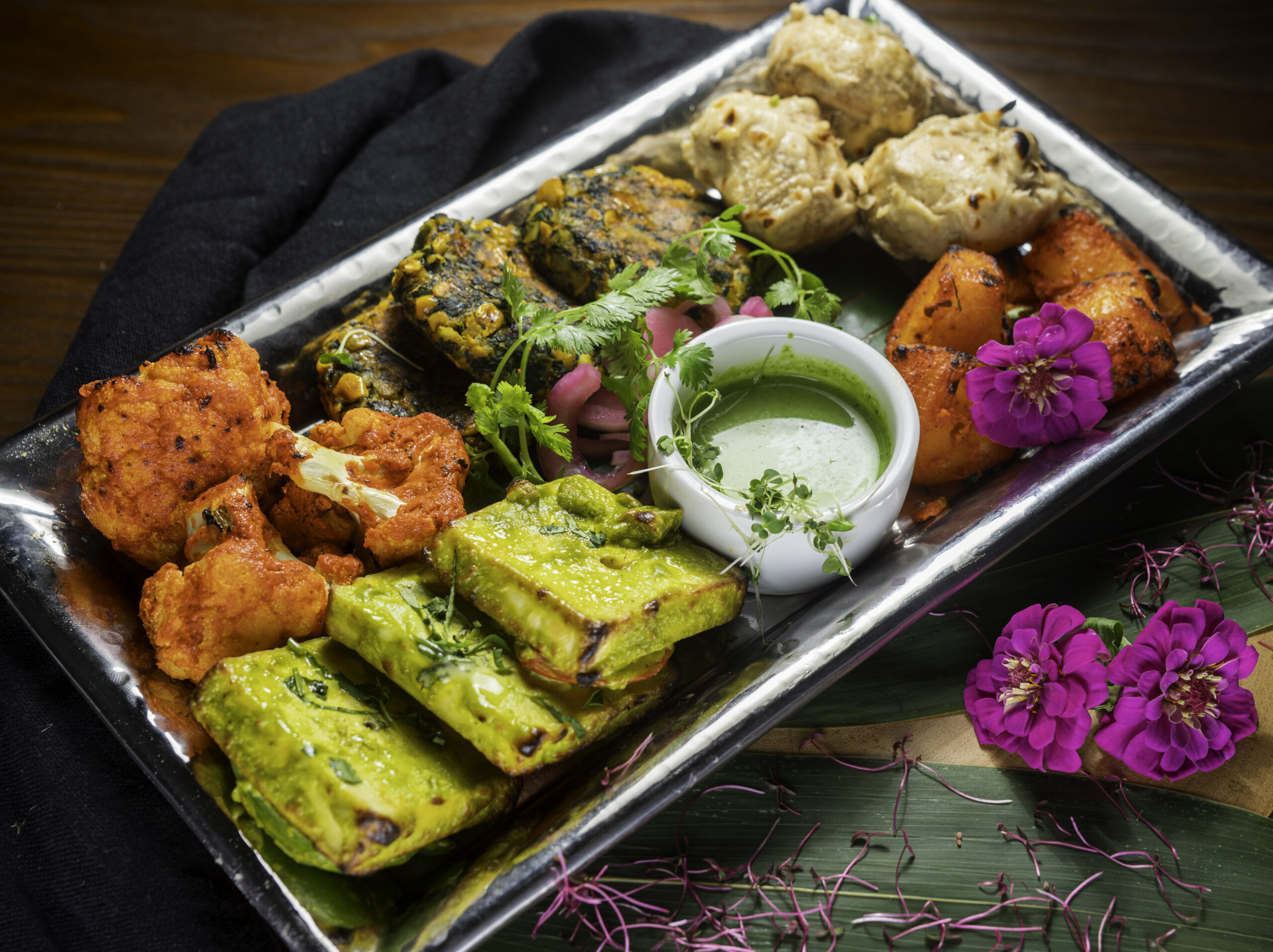
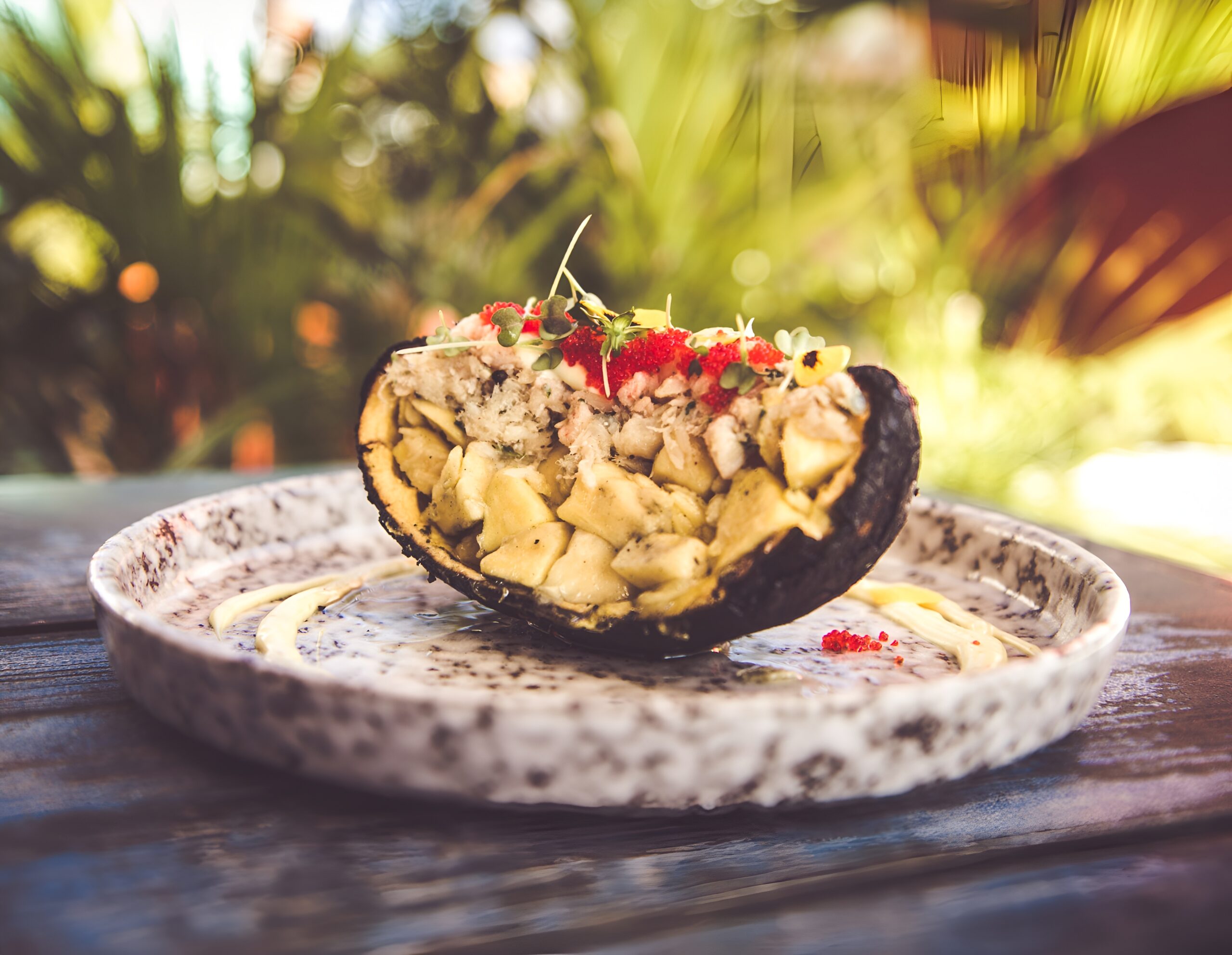
    Food Served on a plate in Mystic Thai Jmaica

    Regional Ingredients at the Center of Caribbean Gastronomy

    One defining element of this shift is a renewed focus on regional Caribbean agriculture. Caribbean kitchens have always relied on remarkable natural diversity: breadfruit, cassava, callaloo, sorrel, tamarind, coconut and an abundance of seafood harvested from surrounding waters. What is evolving is the way those ingredients are framed.

    Instead of appearing only in traditional preparations, they are now incorporated into dishes that emphasize both origin and technique. Breadfruit may be roasted and paired with delicate seafood. Tamarind may anchor sauces with refined acidity. Local herbs and spices are treated with the same precision found in contemporary European kitchens. The result is a modern Caribbean cuisine movement that elevates familiar ingredients without disconnecting them from their cultural origins.

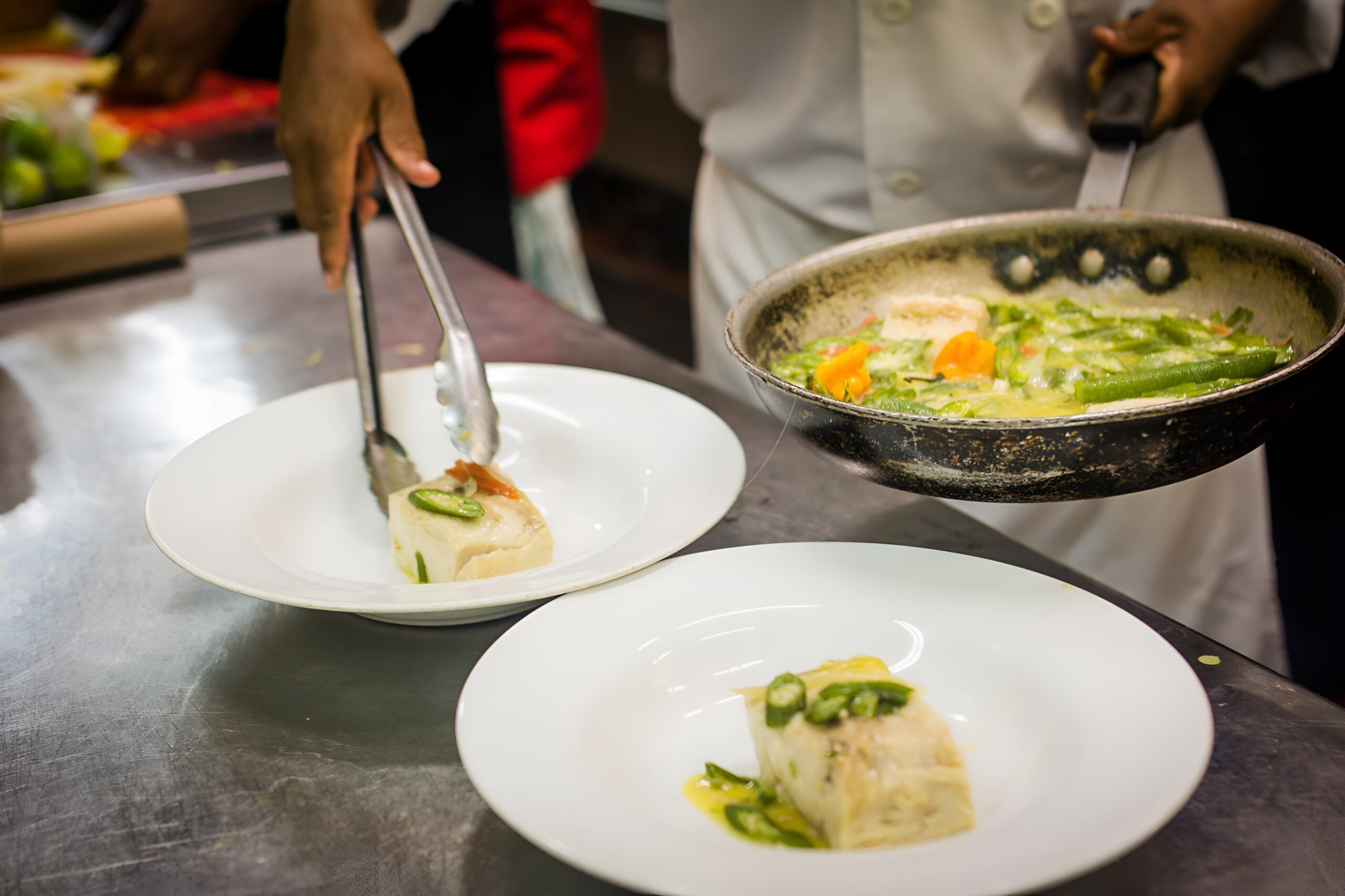
    modern Caribbean chefs

    The Global Experience Shaping Modern Caribbean Chefs

    Technique is evolving alongside sourcing. Many chefs shaping the region’s culinary future trained abroad before returning home. Experience gained in restaurants across London, New York and Paris becomes a tool for refining the traditions they grew up with rather than replacing them.

    Restaurants throughout the Caribbean increasingly treat regional cuisine as a living language rather than a static heritage. Menus shift with the seasons. Local farmers and fishermen become collaborators. Dishes are constructed with attention not only to flavor but also to narrative.

    Food becomes a form of cultural authorship.

    “A new generation of chefs is redefining Caribbean cuisine through technique, storytelling and regional ingredients.”

    Caribbean Culinary Culture and the Importance of Place

    Travelers moving through the Caribbean today encounter a dining landscape markedly different from the one that existed a generation ago. Small restaurants tucked into coastal towns or hillside communities produce meals that rival those found in far larger culinary capitals.

    The experience is not simply about technique. It is about context. A bowl of callaloo carries the legacy of African migration and agricultural resilience. A plate of grilled snapper reflects the rhythms of coastal fishing communities and family kitchens across the islands. Food tells a story of movement, survival and creativity.

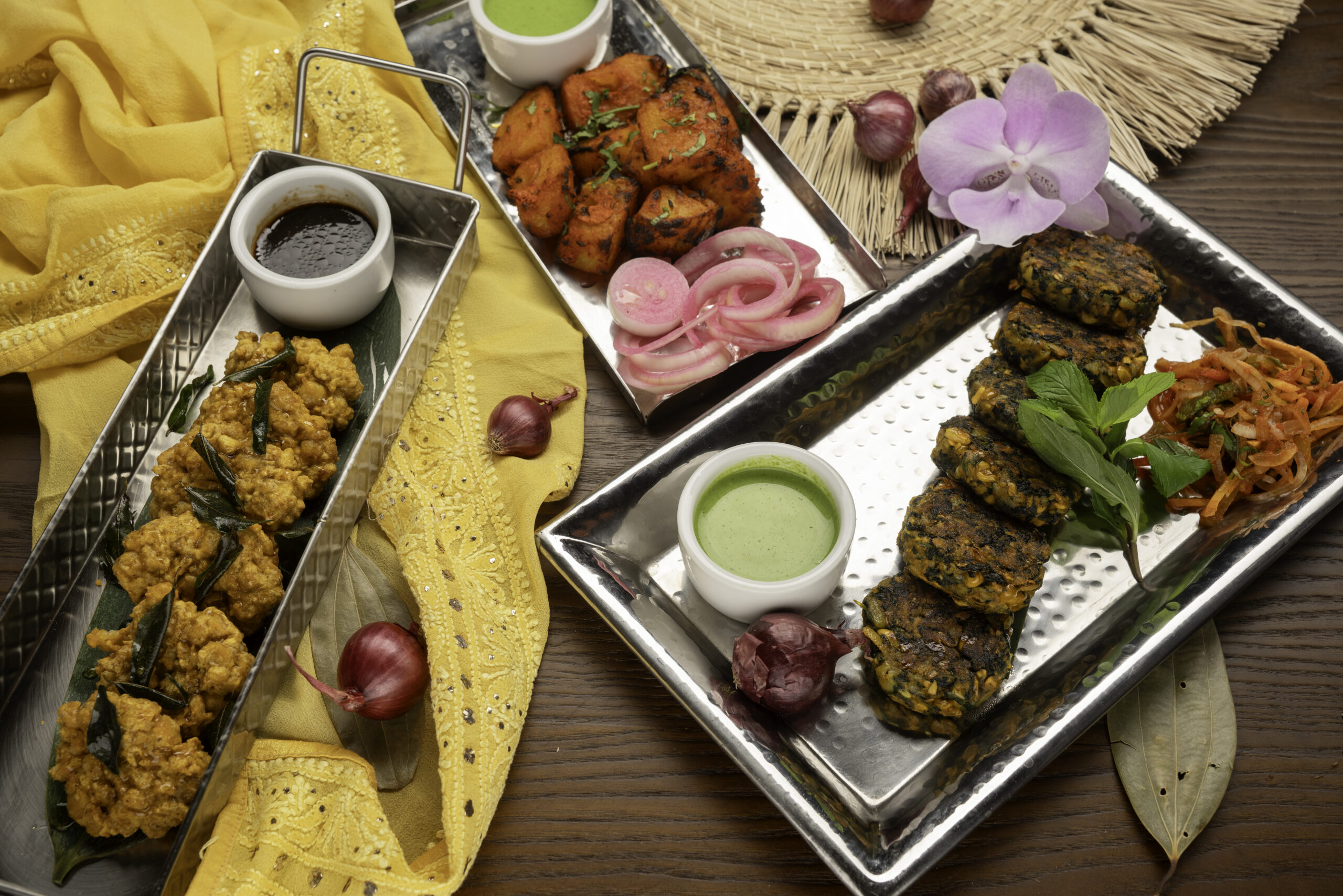
    Dishes of Mystic Thai Jamaica.

    The Rise of Contemporary Caribbean Restaurants

    As Caribbean chefs continue to refine their craft, the region’s culinary identity is entering a new era of clarity. Rather than adapting to international expectations, these chefs are defining their own narrative.

    Caribbean cuisine is no longer framed as a colorful curiosity within global dining. It is increasingly recognized as one of the world’s most historically layered and culturally expressive culinary traditions. Restaurants across the region now treat Caribbean gastronomy with the seriousness and creativity long associated with global culinary capitals.

    The Future of Caribbean Cuisine

    A new generation of chefs is reshaping how the world understands Caribbean food. Instead of imitation, there is authorship. Instead of nostalgia, there is evolution.

    The future of Caribbean cuisine lies in honoring tradition while refining its presentation. Regional ingredients remain central. Technique continues to evolve. Cultural storytelling remains inseparable from the plate. Across the islands, a culinary renaissance is quietly unfolding — one that positions the Caribbean not as an influence on global cuisine, but as one of its defining voices.

    “The future of Caribbean food lies in honoring tradition while refining its presentation.”

  • 9 Caribbean Wellness Rituals That Actually Work

    9 Caribbean Wellness Rituals That Actually Work

    Sea Bathing for Physical and Mental Restoration

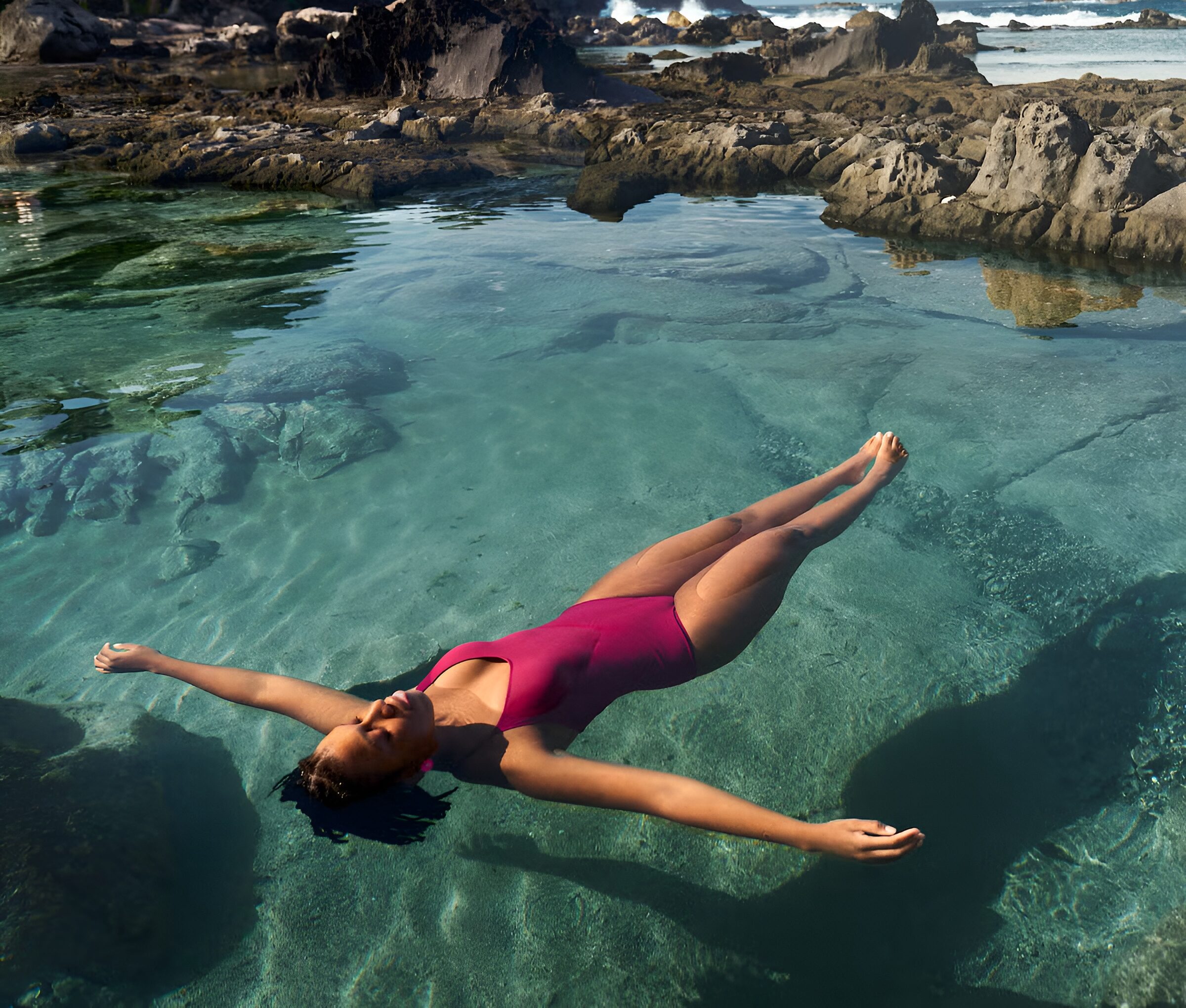
    Sea bathing remains one of the most recognizable Caribbean wellness rituals. Throughout Jamaica, Barbados and other islands, spending time in the ocean has long been viewed as restorative.

    Saltwater contains minerals that support skin health and circulation, while the steady rhythm of waves helps calm the nervous system.

    Combined with sunlight and fresh air, sea bathing becomes a powerful natural wellness practice for stress reduction and physical recovery.

    “Sea bathing, herbal remedies and strong community ties form the foundation of Caribbean well-being.”

    Herbal Teas and Caribbean Bush Medicine

    Herbal traditions form another pillar of Caribbean wellness culture.

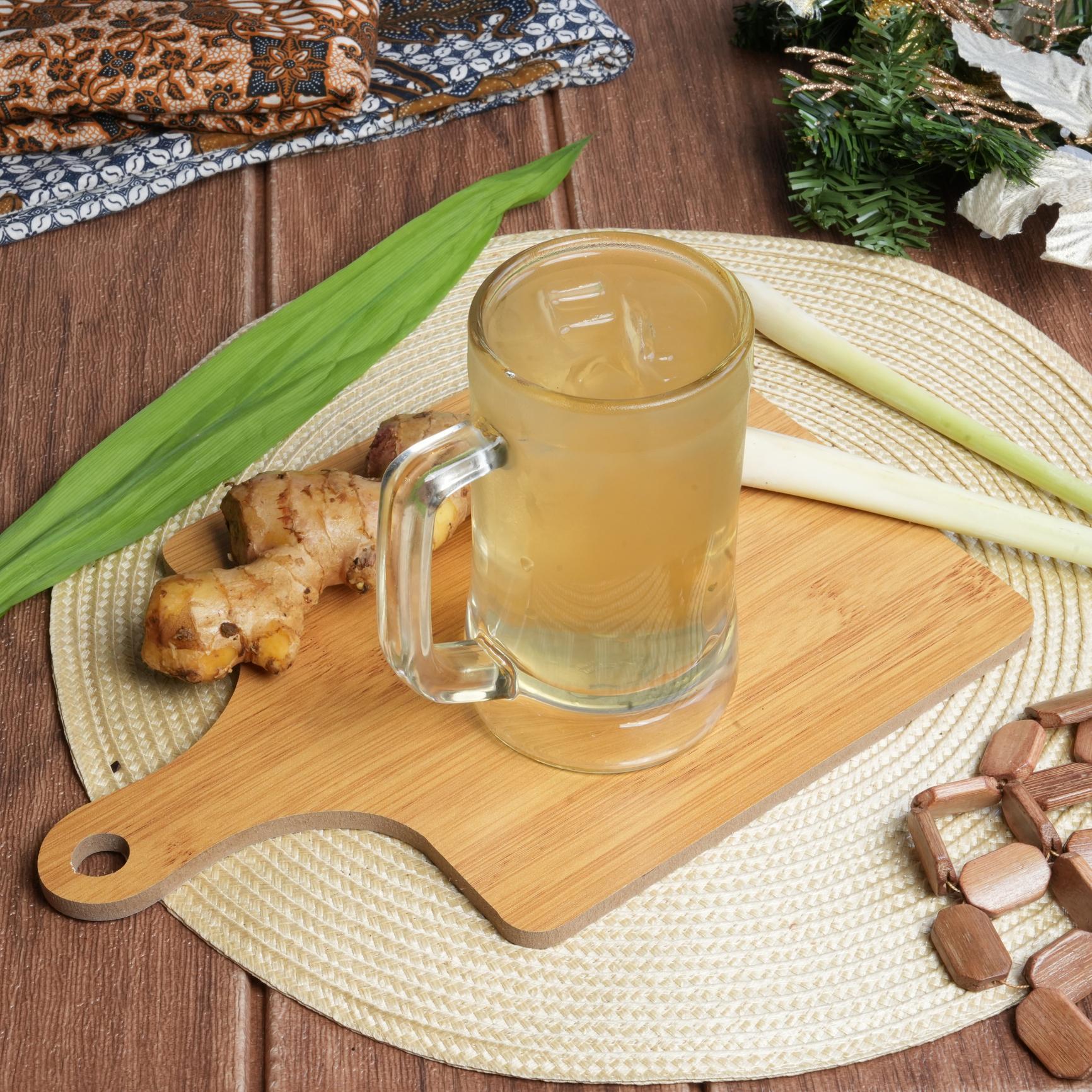
    Teas brewed from lemongrass, ginger, cerasee and soursop leaves remain staples across the islands. These plants carry medicinal properties ranging from digestion support to immune strengthening.

    These herbal remedies rarely appear only during illness. Instead they form part of daily routines, brewed each morning or evening in kitchens across the Caribbean.

    Today many of these Caribbean herbal remedies are being rediscovered within global wellness conversations.

    Caribbean herbal tea preparation with lemongrass and ginger representing traditional Caribbean wellness practices

    Movement Through Daily Caribbean Lifestyle

    Movement plays an essential role in Caribbean health traditions, though it rarely appears as structured fitness routines.

    Physical activity often emerges naturally through lifestyle: walking between communities, tending gardens, swimming in the sea and dancing at social gatherings.

    Because movement is integrated into everyday life, it becomes sustainable and enjoyable rather than rigid or forced.

    “Across the Caribbean wellness was never something purchased. It was something practiced.”

    The Caribbean Relationship With Time and Rest

    Equally important is the Caribbean relationship with time. Although modern life has accelerated daily routines in many places, the cultural value placed on rest and social connection remains deeply embedded.

    Midday pauses, shared meals and outdoor gatherings create moments of restoration that many modern wellness trends attempt to replicate artificially. In many ways, Caribbean wellness culture reminds us that rest itself is a health practice.

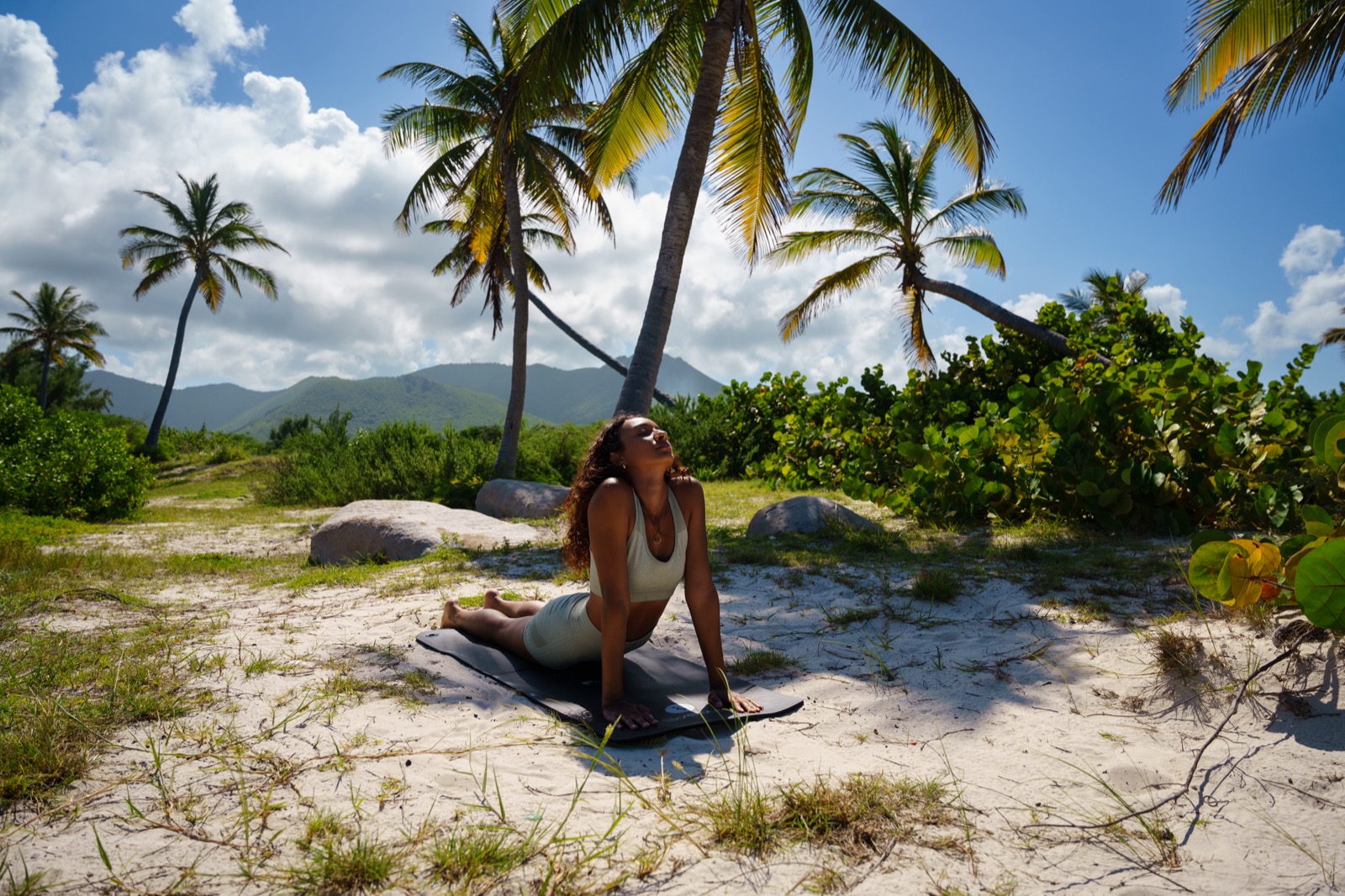
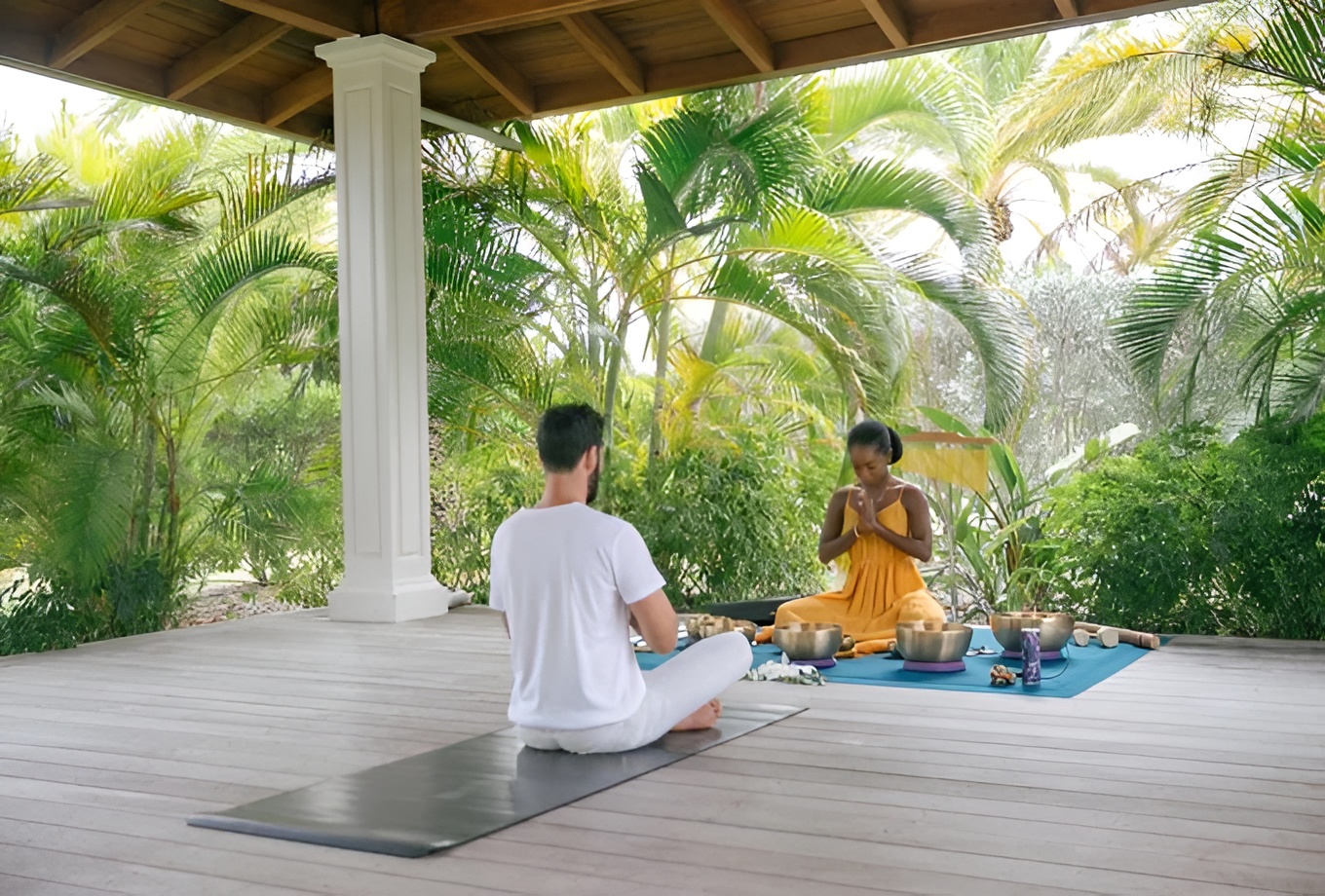
    beach meditation and yoga representing Caribbean wellness lifestyle

    Community as a Wellness Practice

    Across Caribbean neighborhoods, social life remains vibrant and interconnected. Conversations unfold on verandas and street corners. Music drifts through open windows. Meals are shared among extended family and friends.

    These interactions strengthen emotional resilience and mental health — something increasingly supported by modern psychological research. In the Caribbean, community wellness has always been a core ingredient of healthy living.

    Traditional Caribbean Nutrition

    Nutrition forms another pillar of traditional Caribbean wellness practices. Local diets historically relied on fresh produce, root vegetables, seafood and spices with both culinary and medicinal value. Turmeric, ginger, garlic and scotch bonnet peppers contribute anti-inflammatory benefits.

    When combined with fruits, vegetables and fish harvested from nearby waters, these ingredients create diets that are naturally balanced and nutrient rich.

    Nature as a Daily Wellness Environment

    Across the Caribbean, nature remains a constant companion to daily life.

    Ocean air, tropical forests and open landscapes create environments that encourage outdoor living. Exposure to natural light, fresh air and water helps regulate sleep cycles, improve mood and support overall well-being. This close relationship with the environment is one reason Caribbean wellness traditions remain effective even today.

    beach meditation and yoga representing Caribbean wellness lifestyle

    Cultural Rhythm and Music as Emotional Wellness

    Music and rhythm are deeply embedded in Caribbean culture. From reggae and calypso to dancehall and soca, music functions not only as entertainment but also as emotional release and community bonding.

    Dance, celebration and rhythm create spaces where people reconnect with joy, movement and social energy. These cultural rhythms support mental and emotional health in ways modern wellness culture is only beginning to understand

    Consistency Over Complexity

    Modern wellness culture often searches for innovation. The Caribbean reminds us that many effective health practices have existed for generations. Sea bathing, herbal teas, outdoor movement, nourishing food and strong community ties may appear simple, yet their impact can be profound.

    Well-being rarely emerges from dramatic intervention. More often it grows from consistent habits practiced close to nature and shared within community. In that sense, Caribbean wellness offers a powerful reminder: health is often built through lifestyle, not purchased through trends.

  • Cooyah: The Jamaican Brand That Made the T-Shirt Cultural

    Cooyah: The Jamaican Brand That Made the T-Shirt Cultural

    How Cooyah Turned the Jamaican T-Shirt into a Symbol of Identity and Caribbean Style

    In fashion, the simplest garments often carry the greatest cultural weight. A tailored blazer may signal authority and a couture gown may command attention, yet few pieces of clothing travel across generations and social boundaries with the ease of a T-shirt.

    In Jamaica, that familiar garment became something more meaningful through the vision of one brand that recognized its cultural potential long before Caribbean fashion brands entered global conversation.

    Cooyah Jamaica did not begin as a luxury label or a fashion experiment. It emerged from the everyday energy of Kingston, shaped by music, language and the unmistakable confidence that defines Jamaican cultural expression. The founders understood that a T-shirt could carry more than graphics or slogans. It could carry identity.

    The Meaning Behind the Name Cooyah

    The name itself reflects that philosophy.

    Cooyah” is Jamaican slang associated with authenticity, swagger and effortless confidence. It describes a way of moving through the world with presence and clarity — a spirit that has guided the brand since its earliest designs.

    From the beginning, Cooyah clothing treated fashion as a form of cultural storytelling. Typography, phrases and imagery drawn from Jamaican patois and everyday life became central elements of its visual language.nRather than adapting those references for international audiences, the brand allowed Jamaican identity to remain unmistakably intact. That authenticity proved to be its greatest strength.

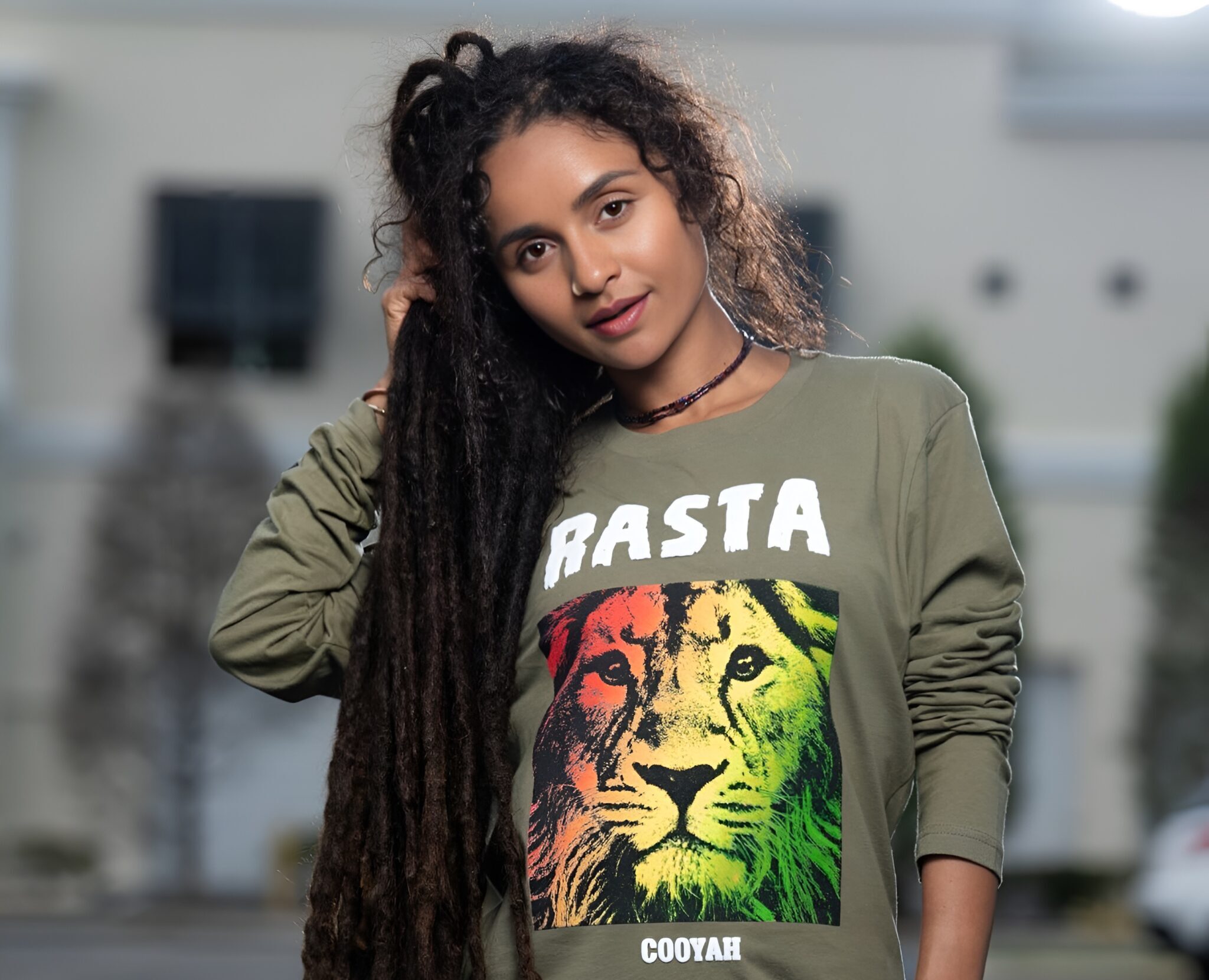
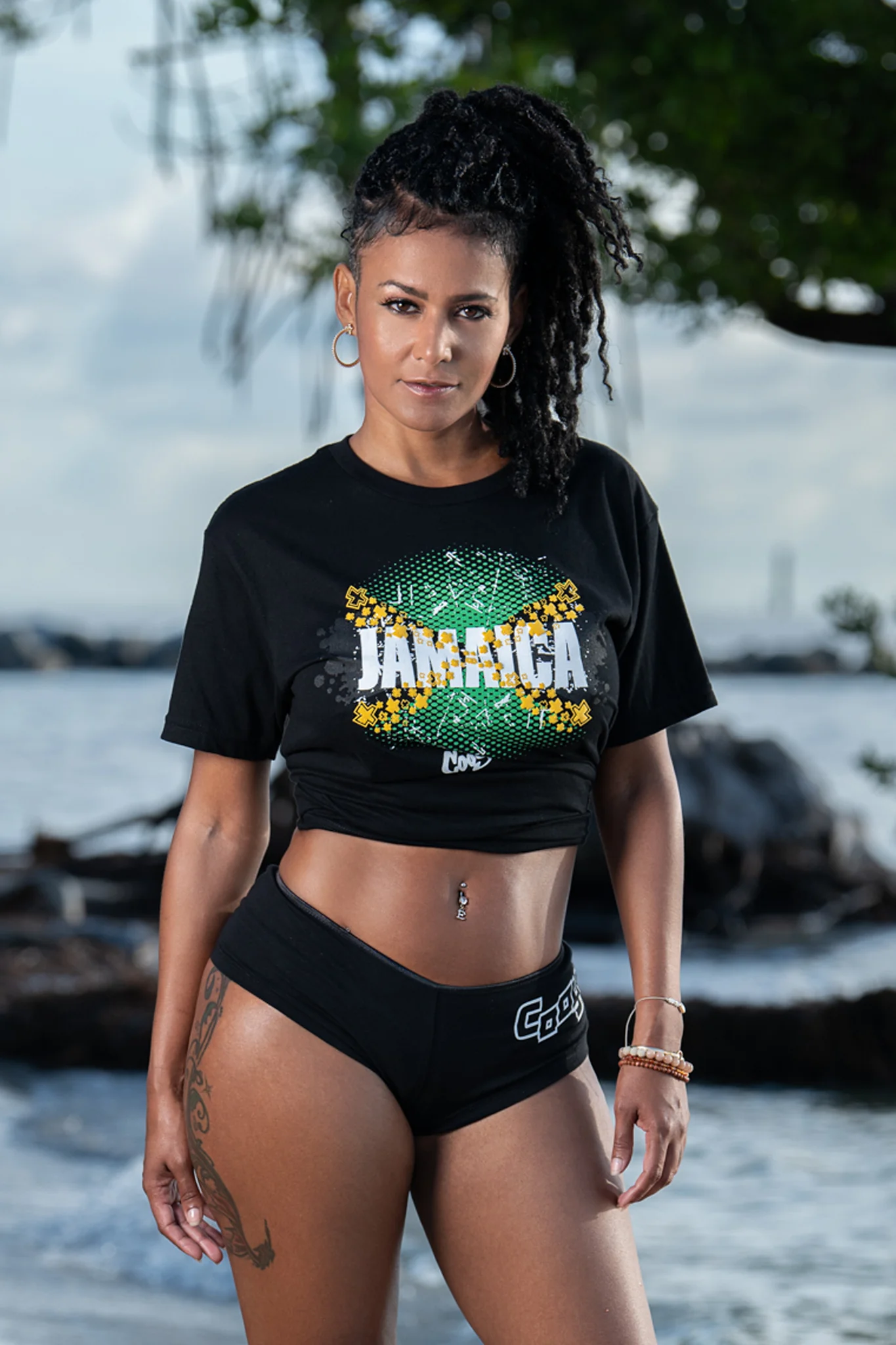
    Cooyah Jamaica graphic T-shirt close-up representing Jamaican streetwear culture

    “Cooyah understood early that a T-shirt could carry narrative, not just graphics.”

    Jamaican Streetwear and the Cultural T-Shirt

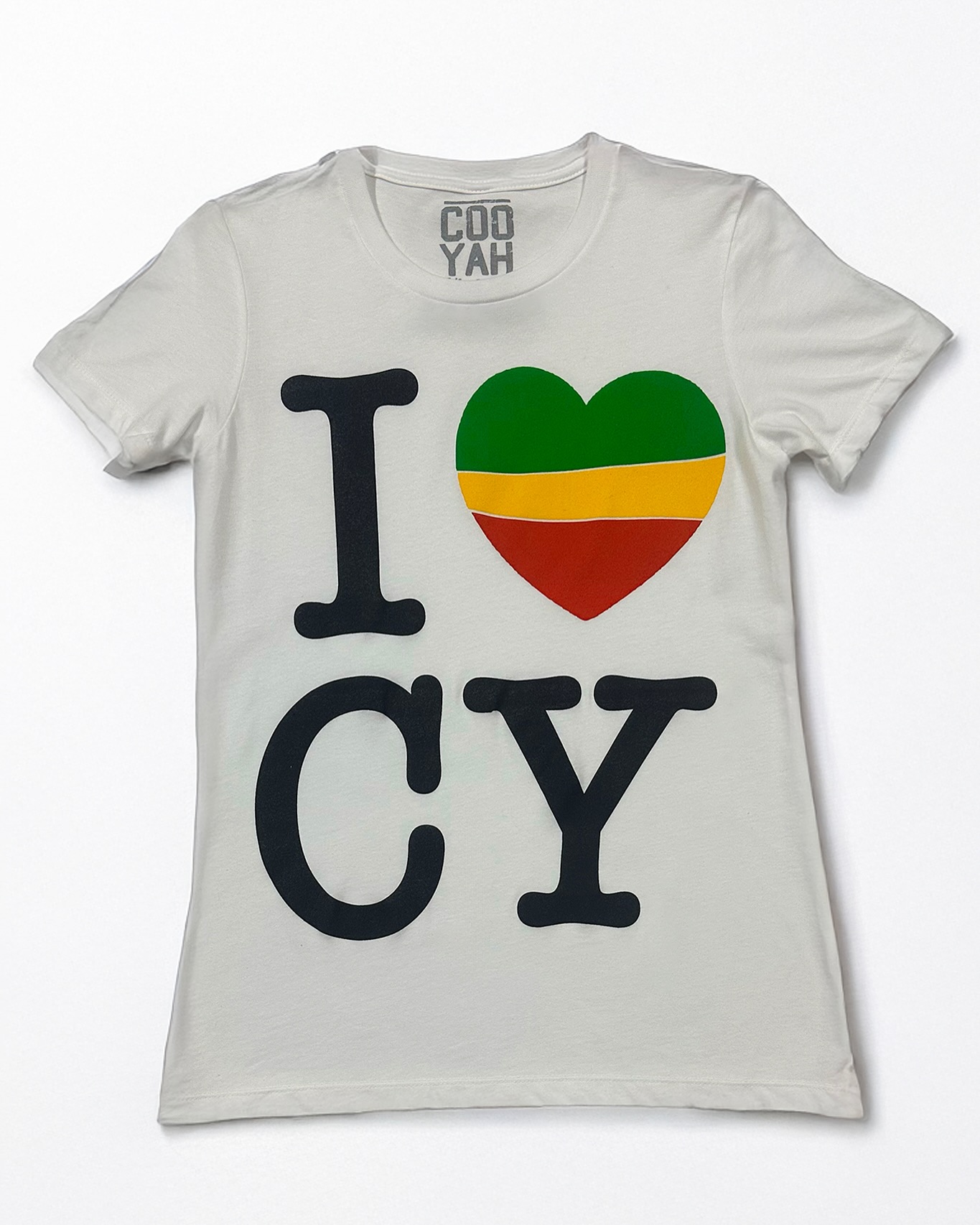
    The Jamaican T-shirt — often dismissed as casual clothing — became something far more meaningful through Cooyah’s design philosophy. The brand transformed everyday garments into statements of cultural pride. Designs referenced music, street culture and the rhythm of Jamaican speech, turning language into wearable design.

    What began locally soon resonated far beyond the island. Members of the Caribbean diaspora in cities such as New York, Toronto and London embraced Cooyah clothing as a marker of connection. For many, wearing a Cooyah shirt became a quiet declaration of heritage — a way of carrying Caribbean identity into global urban spaces.

    At the same time, visitors to Jamaica encountered the brand as an authentic reflection of contemporary culture rather than a tourist souvenir.

    Cooyah t-shirt

    Cooyah’s Influence on Caribbean Fashion

    Cooyah’s longevity within Caribbean fashion is particularly notable. Streetwear often moves quickly, driven by rapid trends and seasonal hype. Yet Cooyah Jamaica has remained relevant for more than two decades — a testament to the power of authenticity within design.

    Part of that durability lies in restraint. The brand rarely chases fleeting aesthetics. Instead it consistently draws from Jamaican language, humor and cultural references rooted in everyday life. A phrase printed across cotton carries familiarity for someone raised in Kingston and curiosity for someone encountering it abroad.

    “In the hands of the right designer, the simplest garment becomes cultural language.”

    Cooyah Within Jamaica’s Creative Culture

    The brand also exists naturally within Jamaica’s broader creative ecosystem. Musicians, artists and cultural figures have worn Cooyah clothing throughout its evolution, reinforcing its presence within the island’s music and design communities.

    Rather than positioning itself as aspirational fashion, Cooyah lives inside the culture it reflects. That relationship gives the clothing a sense of legitimacy that cannot be manufactured.

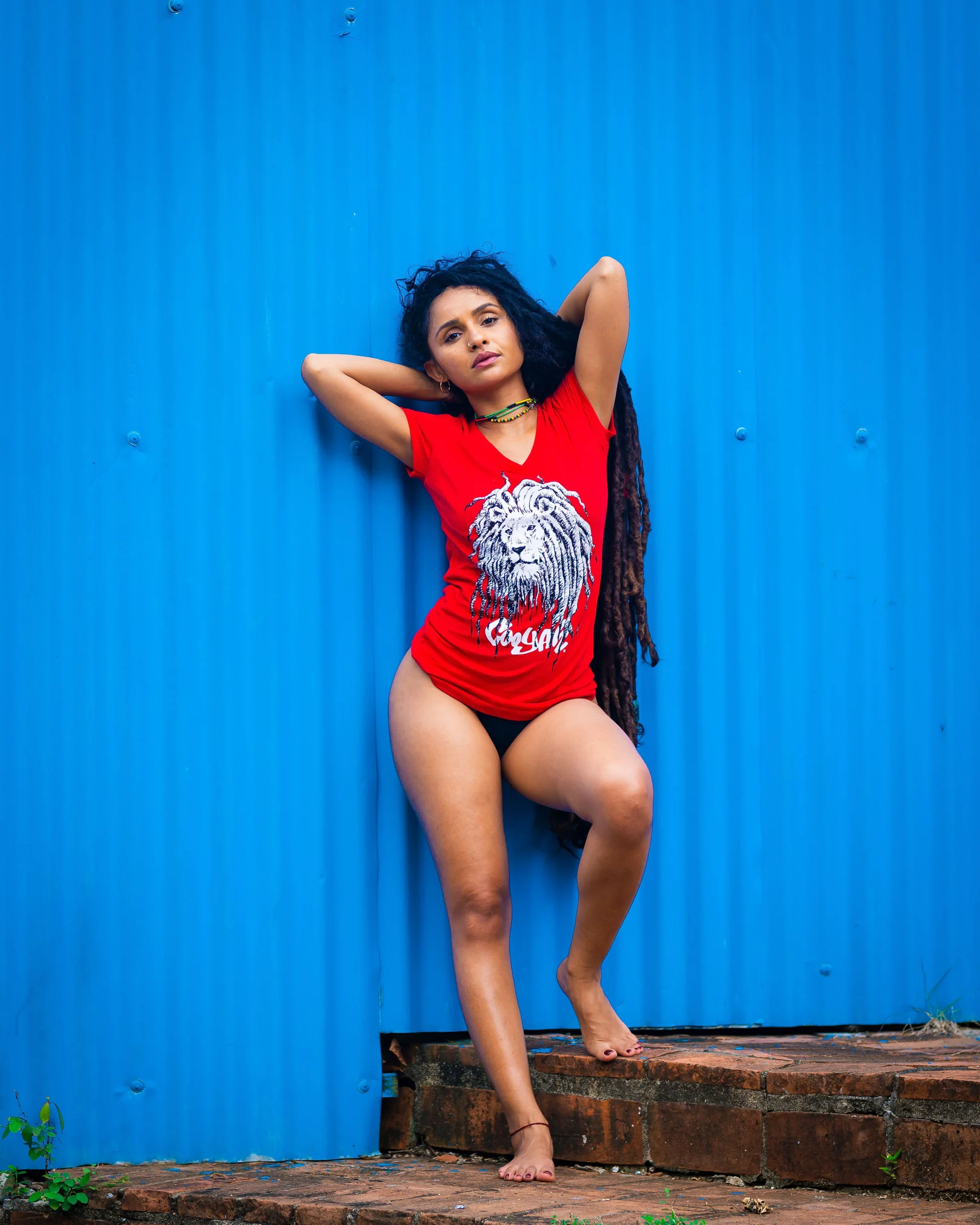
    urban Kingston fashion photoshoot showing modern Jamaican streetwear style

    The Legacy of Cooyah in Modern Caribbean Design

    Today Caribbean fashion brands are increasingly recognized within international design circles. Designers from across the region are building labels that reflect island heritage while engaging contemporary aesthetics. Within that movement, Cooyah Jamaica occupies an important place.

    Long before Caribbean fashion appeared regularly in global style media, the brand demonstrated that identity itself could become a design language. A simple T-shirt could carry humor, pride, politics and rhythm all at once. That idea now sits at the center of contemporary fashion. As audiences continue exploring Caribbean design and streetwear, Cooyah remains a reminder that powerful fashion does not always require complexity.

    Sometimes the most meaningful garment is also the simplest. In the hands of the right designer, a T-shirt becomes more than clothing. It becomes a cultural signature.

  • Soft Power: Why More Caribbean Women Are Redefining What Strength Looks Like

    Soft Power: Why More Caribbean Women Are Redefining What Strength Looks Like

    A Cultural Shift Toward Balance, Emotional Intelligence and Intentional Living

    Strength has long been one of the defining narratives surrounding Caribbean women. Across generations, the region has celebrated women who carried families, businesses and communities through periods of economic change, migration and social transformation. That strength was often framed through endurance.

    The ability to work longer, push harder and remain resilient under pressure became a cultural expectation as much as a personal virtue. While that narrative produced extraordinary leaders and entrepreneurs, it also created a quiet fatigue that many women across the Caribbean and its diaspora now recognize. A different conversation is beginning to emerge.

    “Soft power is not the absence of ambition. It is ambition guided by clarity.”

    The Rise of Soft Power Among Caribbean Women

    Across professional circles, creative industries and everyday life, more women are redefining what strength and empowerment actually mean. Rather than measuring success through constant productivity or relentless resilience, the conversation is shifting toward balance, emotional intelligence and intentional living. Globally, this cultural change is often described as the soft life movement or the rise of soft power.

    Within the Caribbean context, however, the concept carries particular depth. It does not reject ambition. Instead, it reframes the relationship between achievement and well-being. Ambition remains present. But it is increasingly paired with clarity.

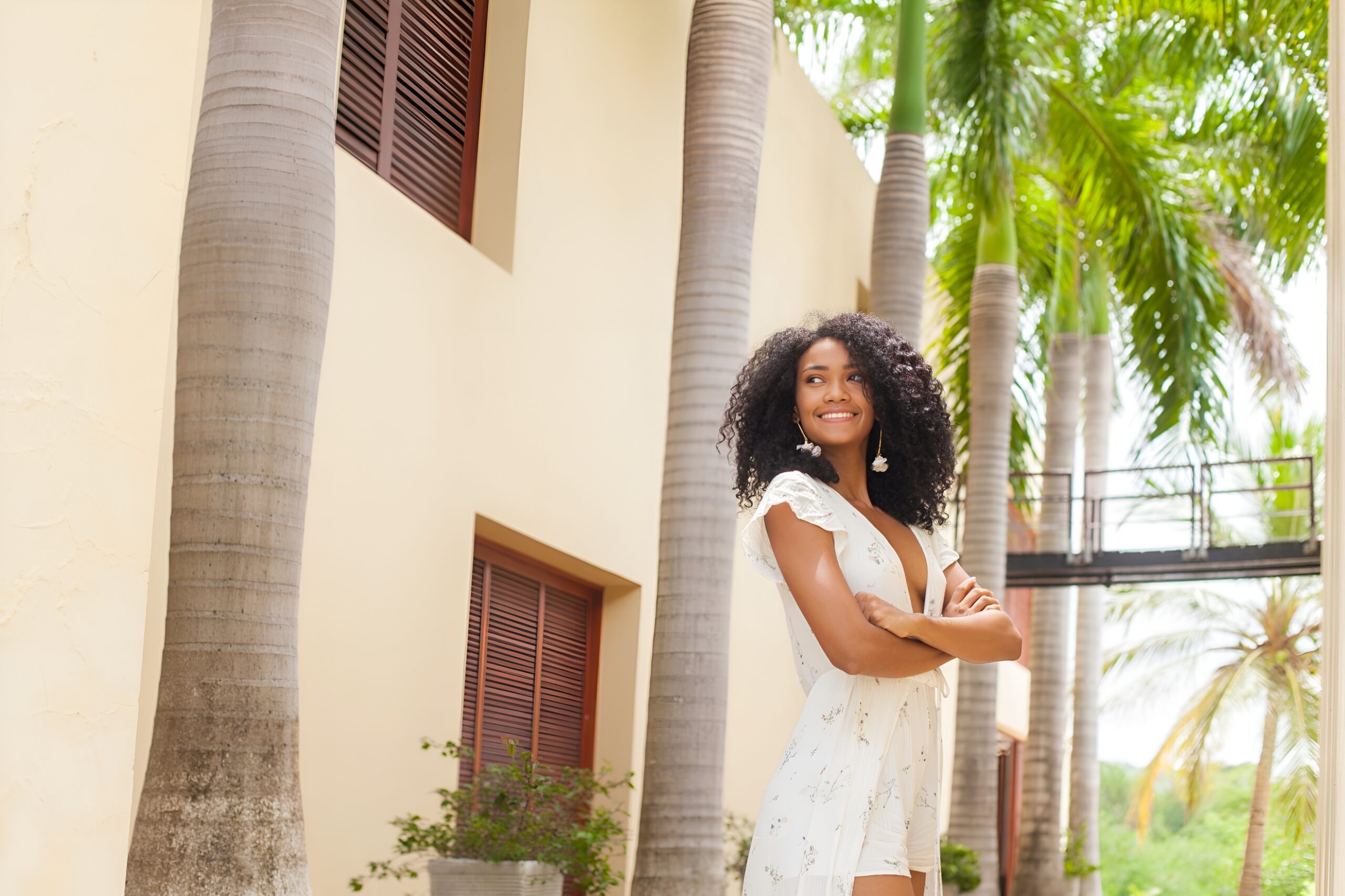
    elegant Caribbean woman entrepreneur portrait representing emotional intelligence and leadership

    Caribbean Women Leadership and the Power of Boundaries

    The region’s cultural history often required women to function as architects of stability within families and communities. Mothers, entrepreneurs, educators and caregivers balanced multiple roles simultaneously while sustaining entire networks of support.

    Acknowledging that legacy does not require repeating it indefinitely. For many modern Caribbean women leaders, success now includes space for rest, reflection and emotional clarity. Boundaries around time, relationships and professional commitments are no longer viewed as weakness. Instead, they are increasingly recognized as essential forms of self-definition and empowerment.

    “Modern Caribbean strength increasingly includes rest, balance and self-definition.”

    A New Definition of Success and Ambition

    In professional environments, more women are prioritizing autonomy, creativity and purpose-driven work rather than prestige alone. Entrepreneurship, flexible careers and independent creative work increasingly attract those who want control over how their time and energy are spent.

    Within relationships there is also a growing emphasis on mutual respect, emotional maturity and partnership. Independence and connection are no longer viewed as opposing ideas. Instead, they coexist within a more balanced definition of modern life. This shift reflects a broader evolution in how Caribbean women empowerment is understood.

    Caribbean women power

    Wellness, Travel and Intentional Living

    Leisure itself has begun to take on new meaning. Travel, wellness retreats and creative pursuits are becoming intentional forms of restoration rather than occasional escapes from demanding schedules.

    The Caribbean landscape naturally supports this recalibration. Beaches, mountains and open horizons encourage moments of reflection and personal clarity. This environment reinforces a lifestyle where rest and renewal are integrated into daily life rather than postponed indefinitely.

    Emotional Intelligence and Modern Caribbean Strength

    Importantly, this movement is not about abandoning strength. It is about expanding the definition of strength beyond endurance alone. Soft power emphasizes emotional awareness, self-respect and the confidence to design a life aligned with personal values rather than inherited expectations.

    For younger generations navigating careers and identity within a rapidly changing global landscape, this perspective carries powerful appeal. Conversations about mental health, rest and boundaries reflect a growing recognition that resilience alone cannot sustain a fulfilling life.

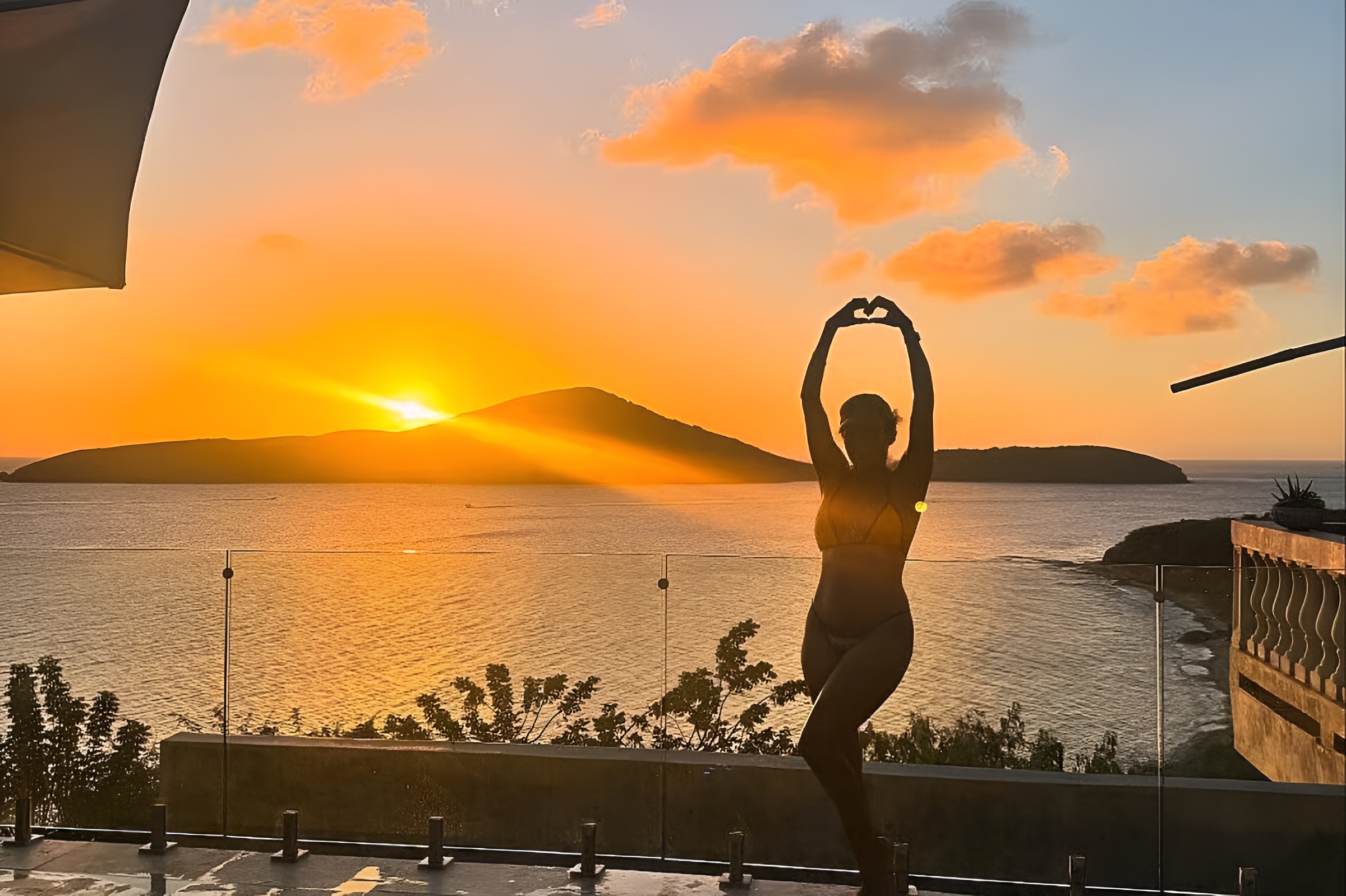
    Caribbean woman practicing mindfulness in tropical setting

    A Quiet Cultural Transformation

    For Caribbean women, the shift represents both continuity and evolution. The same determination that built businesses, communities and cultural movements across the region now supports a more thoughtful approach to success.

    Strength remains present. But it appears alongside creativity, clarity and emotional intelligence. The transformation may be quiet, yet its influence is significant.

    Rather than performing resilience for the world, more Caribbean women are shaping lives that integrate ambition with balance. In doing so they demonstrate that strength does not always reveal itself through struggle. Sometimes it appears through intention.