


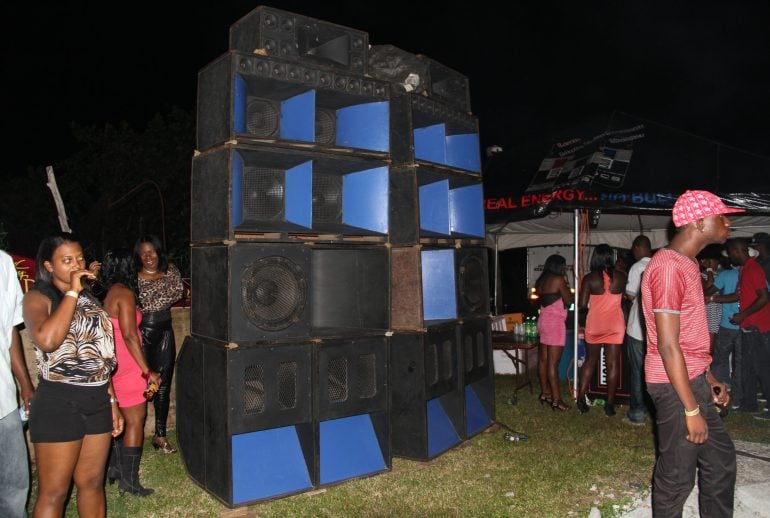
Hero photograph: Bass Odyssey’s sound-system speakers at Tropical Hut in St Mary, Jamaica, in May 2012. Yaniq Walford, CC BY 3.0, via Wikimedia Commons. Resized and slightly cropped for the featured-image display.
By OCEAN Style
At a glance: Jamaica’s sound systems, vocal traditions and studio experiments helped change the way popular music is performed, recorded and circulated. Their influence can be followed through Bronx hip-hop, British sound-system culture, reggaeton and international pop. The history contains migration, collaboration and commercial success. It also requires careful attention to the people behind the records.
A rhythm can become familiar long before its producer’s name does. In Sean Paul’s "Get Busy" and Wayne Wonder’s "No Letting Go," the connection has a name: Diwali. The Jamaican riddim gave different voices a shared musical foundation. Listeners could encounter the records separately, on different stations or in different clubs, without recognising that relationship.
Jamaica’s global musical influence includes the stars on record sleeves. It also includes the selectors, engineers, musicians and producers whose methods travelled with the music.
The Sound System Made the Record a Live Event
In mid-century Kingston, sound systems brought recorded music into communal spaces through turntables, amplifiers and speaker cabinets. The gathering had its own organisers and personalities. A selector’s choices could shape the evening as decisively as the musicians captured on the records.
The Smithsonian’s history of roots reggae places these dances within the social life of urban Kingston during the 1950s and 1960s. American rhythm and blues formed part of the musical exchange that preceded and accompanied the development of Jamaica’s recording industry.
The sound system offered a particular kind of musical encounter. A record was selected for a room, a street or a dance. Its effect depended on volume, sequence and the people listening. Playing recorded music became a performance with its own decisions and risks.
The audience made its preferences known on the dance floor. Selection and response helped shape the sound.
The Microphone, and the Journey to the Bronx
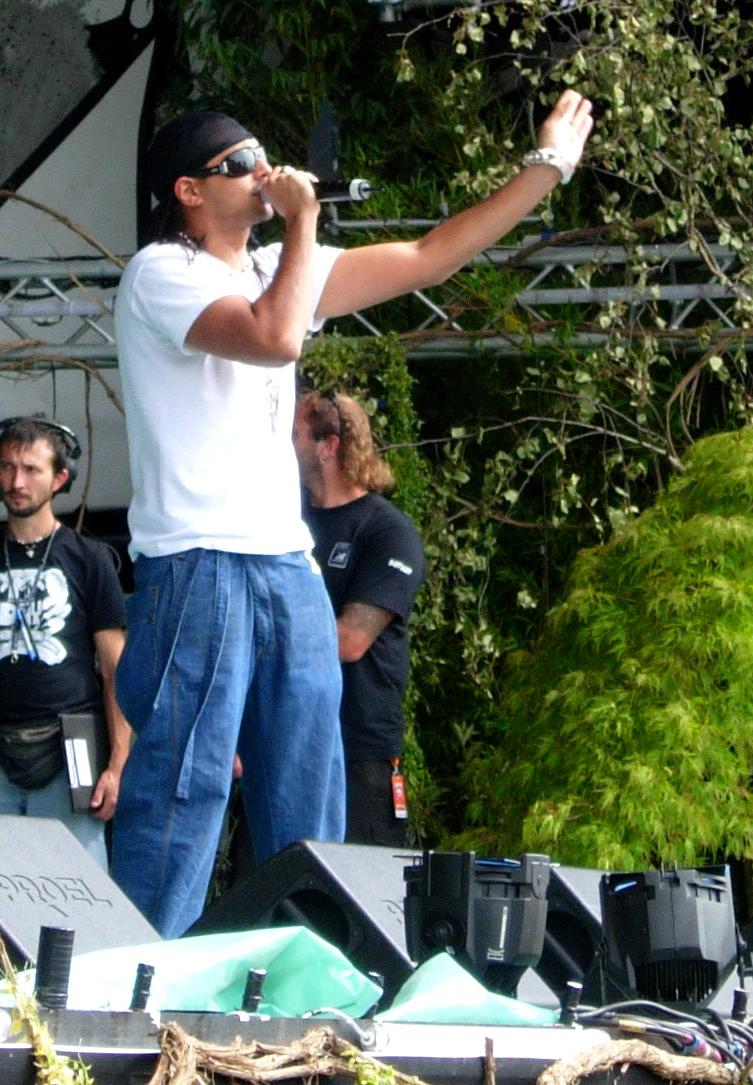
Jamaican musical language makes an important distinction. A selector chooses and plays records. A deejay performs vocally over the music. Toasting, with its rhythmic speech, calls and commentary, grew within this sound-system setting.
In the United States, DJ usually describes the person handling the records. The difference in terminology can conceal the relationship between the two roles. In Jamaican practice, the recording and the live voice could become parts of the same performance.
Jamaican-born DJ Kool Herc carried sound-system experience into the Bronx. At his parties in the 1970s, he developed a way of extending the percussion breaks in records using two turntables. The Rock & Roll Hall of Fame identifies both the Jamaican tradition and his work with breaks as central to his contribution.
Hip-hop took shape through the work of African American, Caribbean and Latino participants in New York. Funk records, dancers and neighbourhood parties belong in that account alongside Herc’s Jamaican background. Smithsonian research also records the involvement of Latino performers in the culture’s early development.
Herc’s contribution sits at that meeting point. Jamaican experience informed an approach to performance that developed around records and dancers in the Bronx. Rap’s history contains several overlapping traditions, with toasting among its important connections.
Dub Turned the Mix into a Performance
Dub changed the possibilities inside a recording. Engineers could remove most of a vocal, bring a bass line forward, isolate a drum pattern and send a fragment of sound through echo or reverb. The arrangement could shift while the underlying performance remained recognisable.
King Tubby’s work made those possibilities especially clear. VP Records’ account of his early-1970s mixes describes recordings built from material associated with producer Bunny Lee and his artists. Voices recede. Instruments return in different combinations. The engineer shapes what the listener notices.
This approach gives the mixing desk an expressive role. Space, absence and repetition become musical material. A familiar song can support another experience without requiring an entirely new performance from every musician.
Dub became a major foundation of remix culture. Jamaican engineers established an influential practice of treating an existing recording as material for further composition. Their work expanded the creative authority of the person at the console.
The bass line can remain steady while almost everything around it changes.
The Riddim Carries More Than One Song
In Jamaican music, a riddim can identify an instrumental backing or a recognisable rhythmic foundation used by different performers. New vocals create distinct songs. Arrangements can vary between versions, and a familiar riddim can be revisited over time.
The model changes the relationship between repetition and originality. A shared backing makes differences in phrasing, melody and subject matter more noticeable. Recognition becomes part of the listening experience.
Diwali offers a concrete example. Producer Steven "Lenky" Marsden developed the rhythm that supported "Get Busy" and "No Letting Go." Red Bull Music Academy’s account describes how the backing was adapted for different singers. VP’s Diwali Gold Edition gathers multiple performances associated with the riddim.
The two crossover songs make different uses of that foundation. Sean Paul’s vocal pushes the party forward. Wayne Wonder’s melody gives the rhythm another emotional setting. Their shared production history remains audible even when each record has an independent life.
The producer belongs in the account alongside the vocalist. Naming Lenky explains a connection that a list of hit singers would miss.
Britain Became Another Place of Invention
Jamaican music travelled with people as well as records. London Museum documents the sound systems, shops and producers that helped establish dub in the city. Imported recordings connected listeners with Jamaica. British-based artists then developed their own work within that musical conversation.
Dennis Bovell is part of this history. Born in Barbados, he became a significant figure in British reggae and dub. His work makes the wider Caribbean presence visible within a story sometimes reduced to an exchange between Jamaica and Britain.
The 2 Tone movement offered another route. Coventry’s music museum identifies The Specials and The Selecter with the city’s ska-based movement. Jamaican forms were being heard through the experiences and arrangements of a new generation.
Migration did more than move a finished sound overseas. It created new audiences, partnerships and institutions. The record shop and the sound system helped sustain those relationships between individual hits.
The Route into Reggaeton
Reggaeton’s development brings another set of connections into focus. Jamaican dancehall formed part of the musical foundation. Panamanian performers including El General and Nando Boom worked with Jamaican rhythms in Spanish. Puerto Rican DJs and artists developed an underground scene through mixtapes, rap and further rhythmic experimentation.
The Recording Academy’s history follows this movement through Panama and Puerto Rico. It identifies Shabba Ranks’ "Dem Bow" as an important reference within that exchange.
Reggaeton emerged through the work of artists and communities that transformed their sources. Jamaican rhythms met different vocal approaches and local experiences. Puerto Rican performers and producers developed a musical identity of their own.
The connection remains audible without making the genres interchangeable. Dancehall’s contribution belongs within a history that also gives Panamanian and Puerto Rican creators their full place.
A familiar rhythm can carry the memory of one place while becoming part of life in another.
Jamaican Artists in the International Picture
Jamaican performers also shaped the crossover directly. Diana King’s "Shy Guy" reached No. 2 on the UK’s Official Singles Chart in 1995. Sony Music’s artist biography identifies its place on the Bad Boys soundtrack. The record brought King’s combination of rhythmic delivery and singing to a broad audience.
Sean Paul’s Dutty Rock followed in 2002. "Gimme the Light" became a U.S. crossover hit, while "Get Busy" reached No. 1 on the Billboard Hot 100. Dutty Rock won Best Reggae Album at the 2004 Grammy Awards.
VP Records’ history places that success within its distribution and marketing partnership with Atlantic. The sound had a route through record companies as well as radio and dance floors. Those business relationships belong beside the creative work when explaining how a record travels.
Chart positions show the reach of particular releases. They do not measure the full value of a musical tradition. A song’s place in a community can outlast its chart run, and an engineer’s influence can extend beyond the sales recorded under their name.
Credit Requires a More Exact Conversation
Snow’s "Informer" spent seven weeks at No. 1 on the Billboard Hot 100 in 1993. The Canadian performer’s success is part of the history of dancehall-influenced crossover.
The record also involved collaboration. Its credits include MC Shan as a vocalist and production contributor. Those details complicate any account that treats the single as the work of an isolated outsider.
Its chart performance establishes popularity within a particular market. It does not establish how much every participant earned. A serious comparison of financial rewards would require information about contracts, ownership and payment that a chart cannot provide.
The broader questions remain worth asking through reporting. A producer’s credit, a sample’s source and the ownership of a recording are different parts of the same commercial story. Naming an influence provides cultural context. Establishing what happened to revenue requires separate evidence.
Hearing the Connections
Following Jamaican influence can begin with the relationship between a small group of records.
"Get Busy" and "No Letting Go" demonstrate what different vocalists can do with a shared riddim. King Tubby’s Dub From the Roots places attention on the mix itself. The relationship between Shabba Ranks’ "Dem Bow" and the development of reggae en espanol opens another route through the history.
Credits make those listening connections more precise. An artist name leads to a producer. A producer leads to musicians, studios and earlier versions. The sound begins to acquire a geography.
UNESCO’s inscription of reggae music of Jamaica in 2018 recognised a living cultural practice with multiple influences and social functions. That description allows the music to remain in motion. Its heritage includes the places where it began and the people still changing its possibilities.
Related reading: Why Dancehall Changed Global Fashion.
Frequently Asked Questions
What is a Jamaican sound system?
It is a musical operation built around amplified recorded music and the people who present it. Speaker equipment, selectors, microphone performers and the audience all contribute to the experience.
Did rap originate in Jamaica?
Hip-hop developed in New York through African American, Caribbean and Latino participation. Jamaican sound-system culture and toasting are important influences, with DJ Kool Herc providing a documented connection.
What is the difference between a riddim and dub?
A riddim is a backing or rhythmic foundation that can support different songs. Dub is an approach to reshaping a recording through mixing, subtraction and effects. The practices can overlap, but they describe different aspects of the music.
How did Jamaican music influence reggaeton?
Dancehall rhythms helped inform reggae en espanol in Panama and the later Puerto Rican underground. Reggaeton developed through those exchanges alongside hip-hop and other musical influences.
Why name the producer as well as the singer?
The audible connection between records may come from the backing, arrangement or mix. Naming that contribution reveals another part of the music’s authorship.
Jamaica remains audible in the space around a drum, the return of a bass line and the new voice entering a familiar rhythm.