

Where the Blue Mountains Meet the Sea
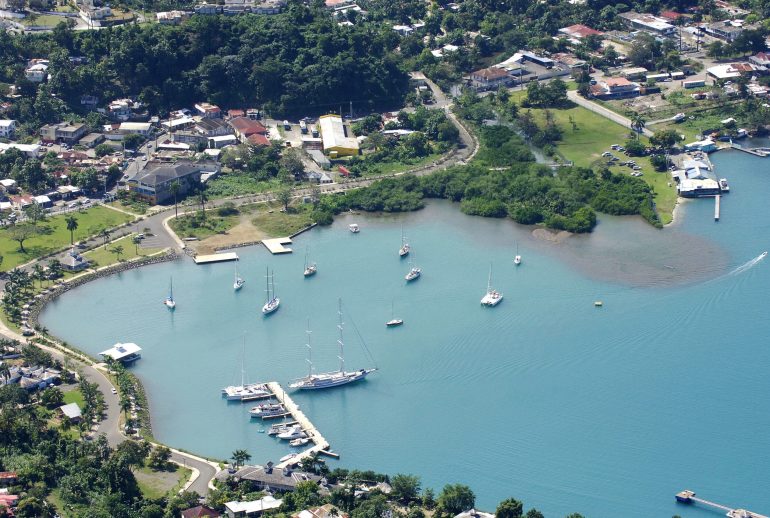
For decades, Port Antonio Jamaica has existed slightly outside the rhythm of the island’s better-known tourism centers. While Montego Bay and Negril developed into global resort destinations defined by scale and nightlife, Port Antonio followed a different path. Geography, history and culture quietly shaped the experience of being there, producing a place where the landscape still sets the tone.
The town rests along Jamaica’s northeastern coast in Portland Parish, where the Blue Mountains descend toward the Caribbean Sea. Rivers spill out of rainforest, bamboo groves frame narrow roads and hidden coves appear between cliffs and jungle. The scenery feels less constructed than discovered, as if nature has always been the primary architect.
Visitors frequently describe Portland Jamaica travel as the island’s most visually striking region. Yet Port Antonio’s appeal extends beyond scenery. Its defining quality is atmosphere — a slower, more reflective pace that has resisted the pressures of large-scale tourism development.
The Artists, Writers, and Travelers Who Discovered Port Antonio
Historically, Port Antonio attracted a particular kind of visitor. Writers, musicians and filmmakers gravitated toward its quiet intensity.
Ian Fleming spent time along this coastline while developing the world that would later become the James Bond novels. Hollywood actor Errol Flynn famously arrived during the 1940s, fell in love with the town and eventually purchased an estate overlooking the harbor.
For Flynn and others who followed, Port Antonio Jamaica offered something increasingly rare in global travel: privacy paired with extraordinary natural beauty.
The town never attempted to compete with Jamaica’s larger resort markets. Instead, it cultivated a quieter appeal built around rivers, beaches and landscape.
Rivers, Lagoons and Beaches: Nature Defines the Experience
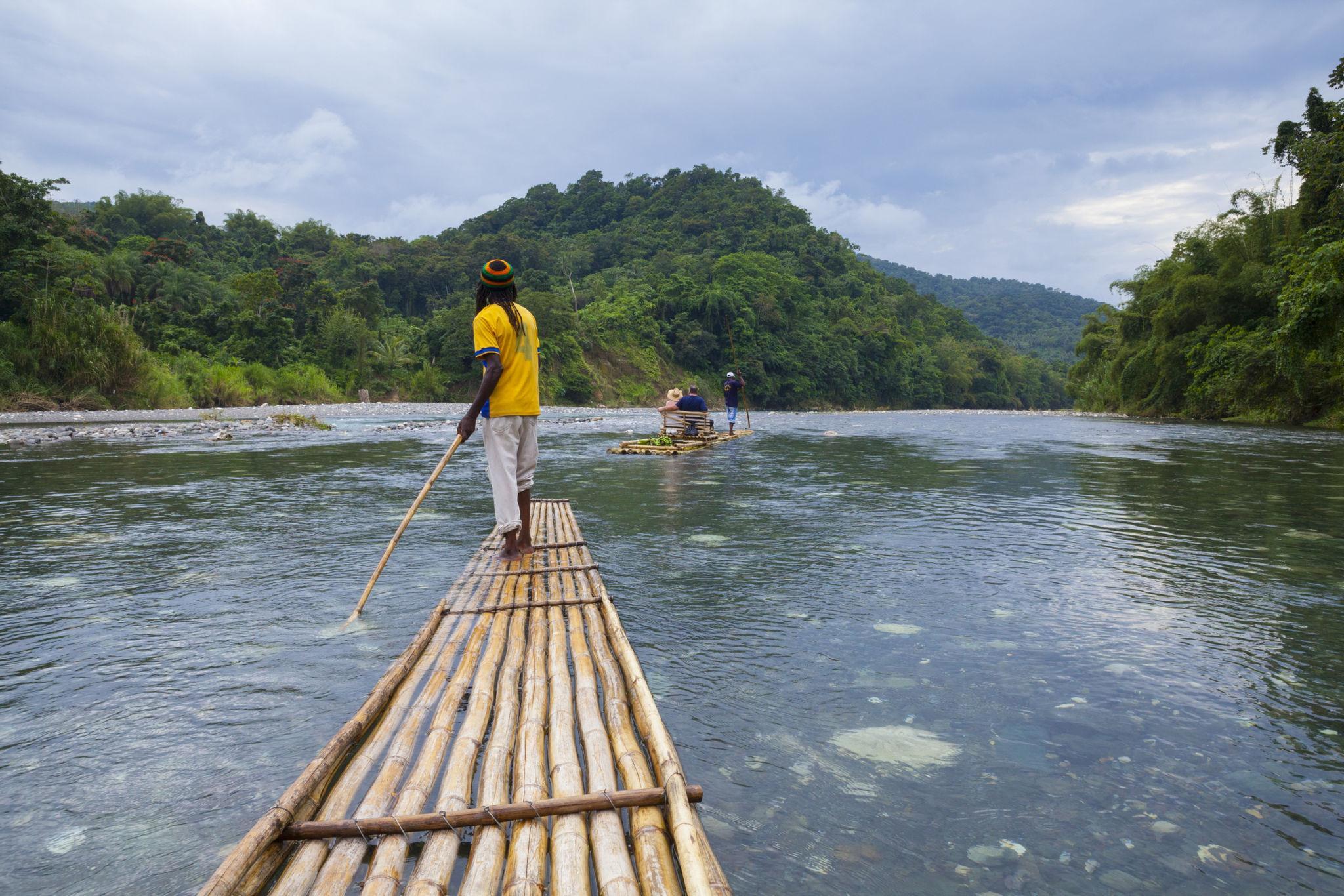
Travelers come to Port Antonio for rafting along the Rio Grande, afternoons at Frenchman’s Cove and the luminous blue water of the Blue Lagoon. Even the beaches carry a sense of intimacy, framed by jungle rather than hotel towers.
Afternoons often lead to Rio Grande rafting Jamaica, where bamboo rafts glide slowly through dense greenery. Experienced raftsmen guide the boats with quiet precision as the river winds through rainforest valleys.
From there the landscape rises toward the Blue Mountains, revealing wide Caribbean views along winding roads.
Port Antonio’s Quiet Renaissance
As global travel shifts toward authenticity and experiential luxury, Port Antonio travel is experiencing a quiet renaissance.
Boutique hotels have appeared along the coastline. Historic villas are being restored. Small restaurants attract visitors who care more about atmosphere than spectacle.
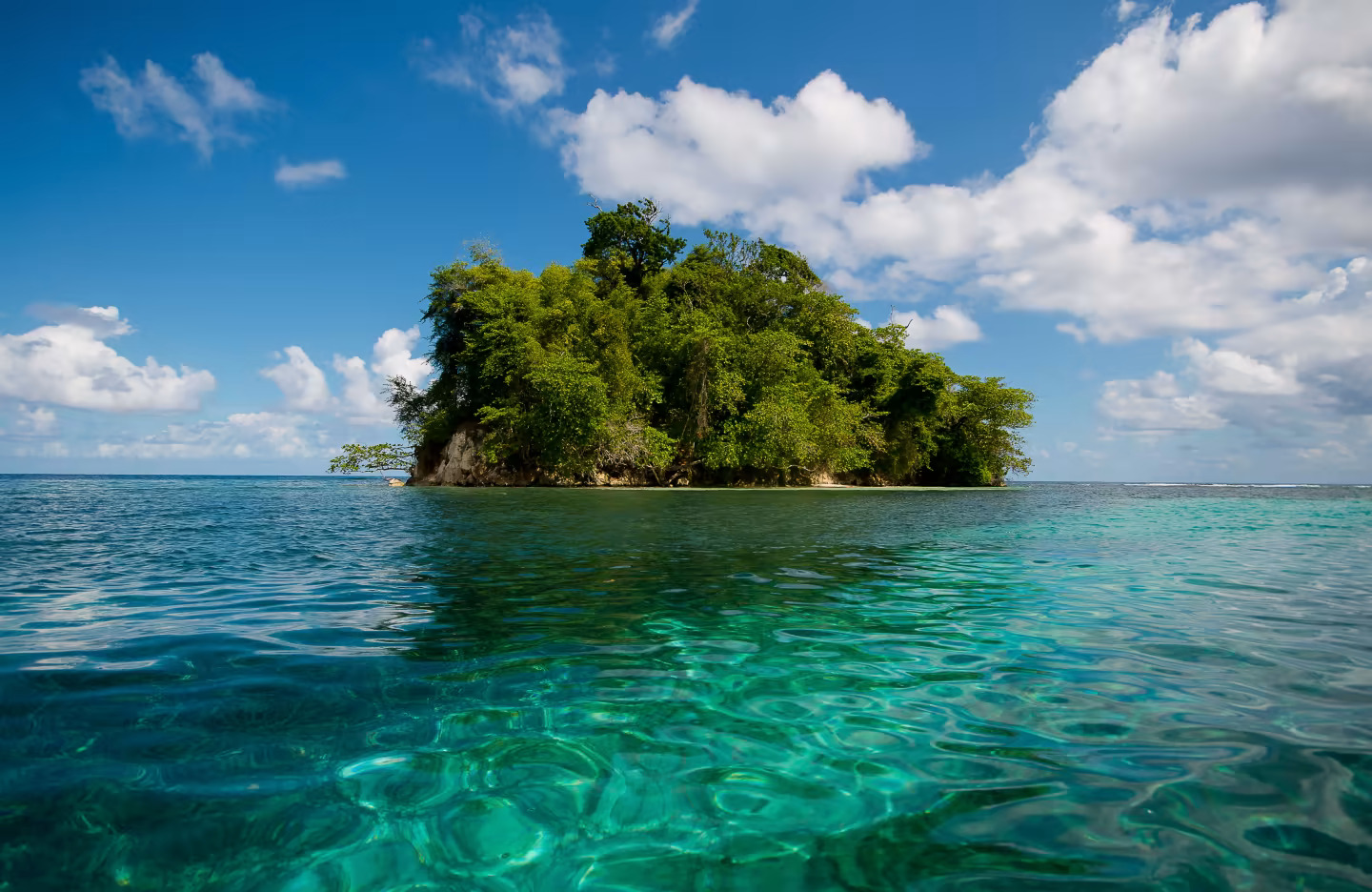
Mornings begin with swims in calm turquoise water or coffee overlooking the harbor as fishing boats return from the sea. By midday the town settles into its natural rhythm — market vendors arranging produce, schoolchildren passing through narrow streets and visitors wandering through a place that still feels unmistakably Jamaican.
By evening the harbor quiets and the town settles into long dinners, soft conversation and trade winds moving through open verandas.
“Port Antonio reminds travelers that luxury is not always about scale. Sometimes it is about restraint.”
Why Port Antonio Represents the Future of Caribbean Travel
What distinguishes Port Antonio Jamaica from other Caribbean destinations is not simply its scenery, though that alone would justify the journey.
The town has preserved a sense of identity that many tourism centers gradually lose. It feels lived in rather than staged, and that authenticity carries increasing value as global travel becomes more homogenized.
Port Antonio reminds visitors of something modern hospitality occasionally forgets:
Luxury is not always defined by scale.
Often it emerges through restraint.
As travelers increasingly seek connection to place rather than manufactured experiences, destinations like this one become more compelling.
For those willing to move a little slower and explore a little further, Port Antonio reveals itself gradually. Rivers, mountains and hidden coves combine to create a landscape that feels both timeless and quietly alive.
Jamaica offers many remarkable destinations. Few possess the layered beauty and authenticity of Port Antonio.
“In Port Antonio the landscape still leads the experience, not the architecture.”