


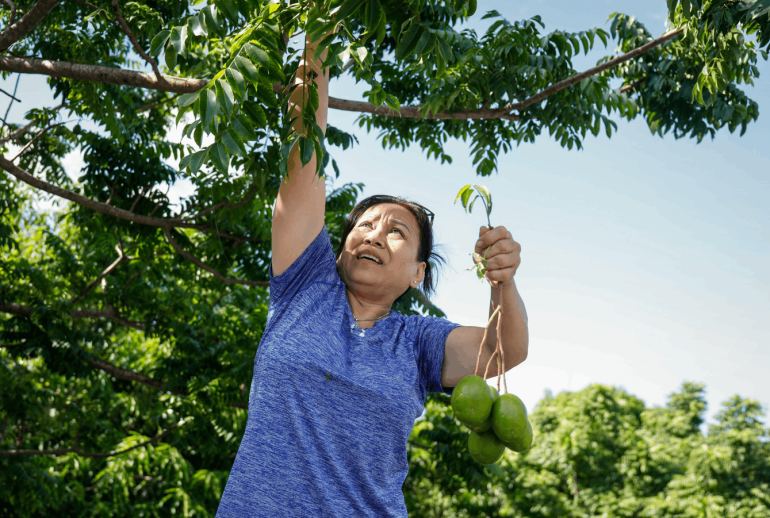
There was a time when you could walk through a Jamaican neighbourhood and find lunch growing over somebody’s fence.
June plum hanging heavy from a tree.
Otaheite apples turning red in the sun.
Guineps appearing in season by the bagful.
A star apple tree doing what star apple trees do, holding its fruit stubbornly to the branches.
You did not necessarily buy these fruits. Somebody’s yard had them. A neighbour had them. An auntie had them. Somebody’s grandfather had planted the tree years before and never thought of it as anything particularly special.
That is what makes the quieter disappearance of some Jamaican fruits worth noticing.
This is not a story about Jamaica running out of fruit. The island still produces mangoes, bananas, pineapples, citrus, ackee, breadfruit and plenty more.
It is about something more specific.
Some of the fruits that once belonged to everyday Jamaican backyard life are becoming harder to encounter casually.
Agricultural records have recognised the problem for decades. A Food and Agriculture Organization assessment of Jamaica identified traditional “non-orchard” fruits including ackee, guava, June plum, mango, naseberry, otaheite apple, star apple, soursop and tamarind, and noted that many tropical non-orchard fruits were becoming scarce as natural habitats were eroded. The report also pointed to low returns, long production cycles, limited land, weak markets and praedial larceny as barriers to fruit-tree cultivation. (FAOHome)
Today, there is another pressure.
The backyard is changing.
And when the backyard changes, the fruit tree goes with it.
What counts as a “rare Jamaican fruit”?
First, a correction.
Most of the fruits in this story are not botanically Jamaican, and some are not particularly rare in the agricultural sense.
June plum, for example, originated in Polynesia and was introduced to Jamaica in the eighteenth century. Otaheite apple is native to Southeast Asia. (ScienceDirect)
“Jamaican fruit” here means something different.
It means a fruit that has become part of Jamaican food culture, memory and everyday life.
Some are now less commonly encountered in yards or markets than they once were. Others remain widely available during their seasons but have become less familiar to younger Jamaicans.
That distinction matters because nostalgia can exaggerate disappearance.
The evidence supports a story about changing availability and cultivation, not a claim that these fruits are on the verge of extinction.
And some are still readily obtainable as trees. Jamaica’s Forestry Department continues to list June plum, otaheite apple, guinep, star apple, mammee, rose apple, mountain guava and other fruit trees among its regular food and fruit trees. (Forestry Department)
The trees are still there.
The question is whether enough people are still planting them.
1. June Plum
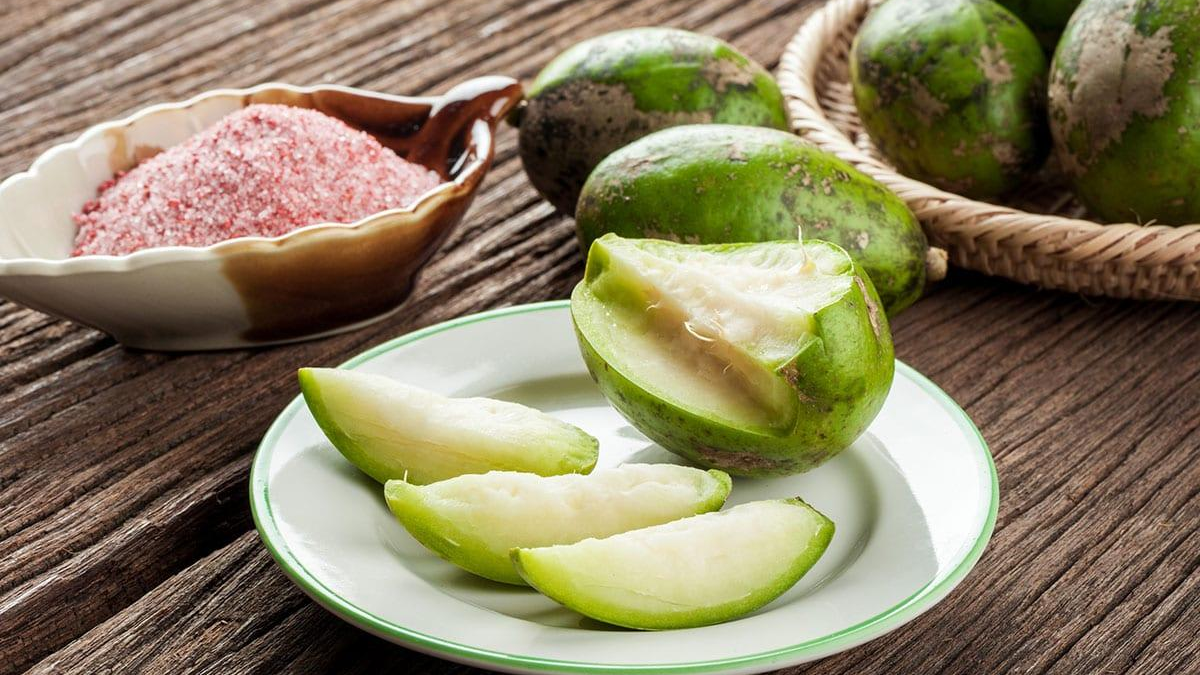
If any fruit can make a Jamaican suddenly eight years old again, it is June plum.
Green and crunchy with salt.
Ripe and yellow.
Sliced into pieces.
Blended into juice.
Turned into a drink.
Or eaten straight from the tree before anybody has had a chance to tell you that it is not ready yet.
The June plum tree can become enormous, which is part of the problem.
Jamaica’s Forestry Department says a June plum tree can reach 10 to 15 metres at maturity and takes roughly four to five years to mature. It remains available through the Forestry Department’s plant programme, including dwarf varieties. (Forestry Department)
So it is not disappearing.
But the economics of planting a large fruit tree in a small modern yard are different from those of a Jamaican yard several generations ago.
There is also the question of time.
You plant it now.
You wait years.
You need space.
You have to protect it.
And when the fruit arrives, somebody has to harvest it.
A supermarket shelf makes none of those demands.
2. Otaheite Apple
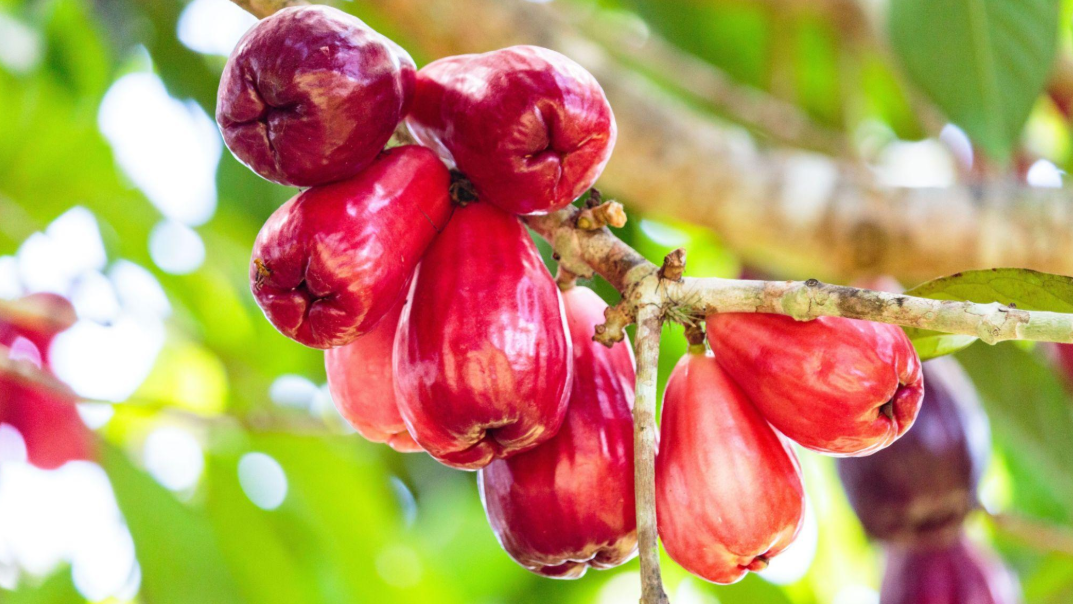
The Otaheite apple is one of those fruits that looks almost invented.
Deep red skin.
White, watery flesh.
A shape somewhere between an apple and a pear.
And a name that makes you wonder why Jamaica’s version of an apple has nothing to do with the apples in the supermarket.
It has been part of Jamaican food culture for generations and has traditionally been eaten fresh or used in drinks. Jamaica’s official tourism site still includes Otaheite apple among the country’s characteristic foods and describes its crisp white flesh and crimson skin. (Visit Jamaica)
The Forestry Department lists the local Otaheite apple as a regular fruit tree. It says the tree takes about four to five years to reach maturity and can grow between five and 20 metres. (Forestry Department)
Again, the issue is not extinction.
It is familiarity.
If you grew up with an Otaheite apple tree nearby, you know exactly what it is.
If you did not, you might walk past one without knowing what was hanging from it.
That is how cultural disappearance often begins.
Not with the tree dying.
With nobody recognising it.
3. Guinep
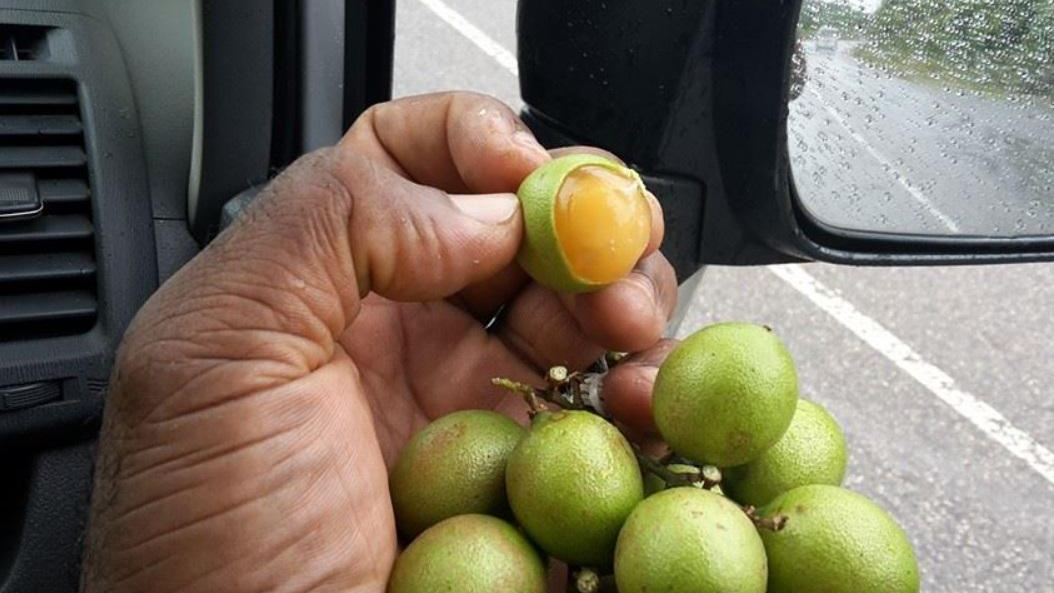
Guinep season used to create its own kind of temporary economy.
Somebody had guineps.
Somebody else had mangoes.
Someone had June plums.
Children traded.
Adults traded.
Vendors sold them in bags.
The fruit is almost comically simple: crack the green skin, pull out the slippery flesh and work around the seed.
But that simplicity is precisely what makes guinep memorable.
There is no packaging.
No preparation.
No recipe.
Just fruit.
The Forestry Department continues to list guinep, Melicoccus bijugatus, among Jamaica’s regular food and fruit trees. (Forestry Department)
Yet guinep is also a good example of the difference between being available and being central to everyday life.
A fruit can still exist in Jamaica while becoming less visible in the places where people live.
4. Star Apple
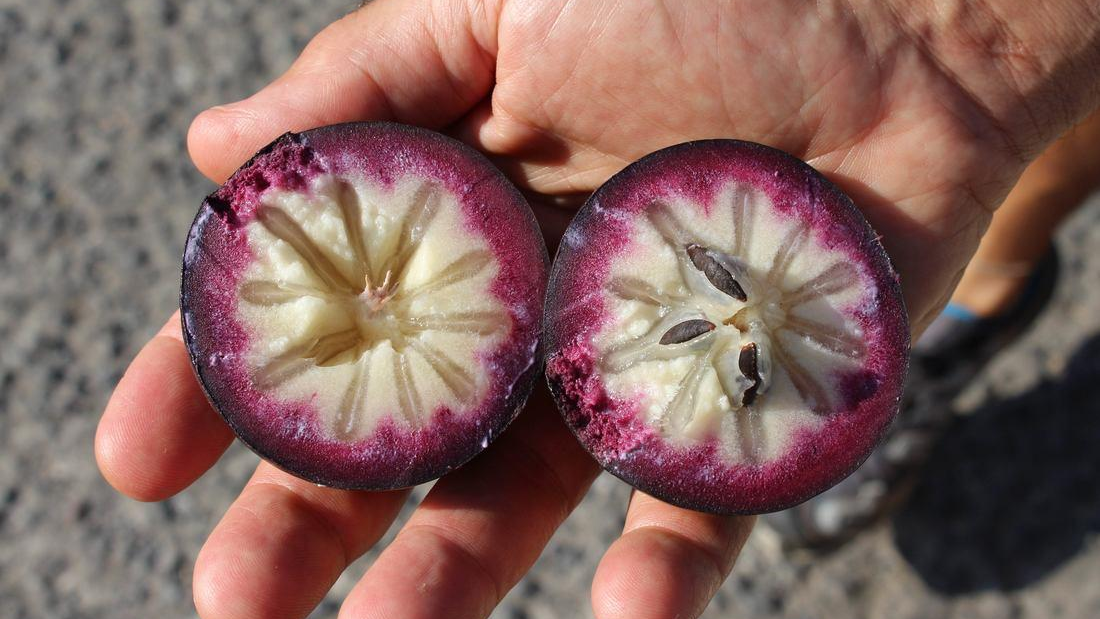
Star apple has one of the best names in Jamaican fruit culture.
Cut it across and the flesh and seeds can form a star-like pattern.
The fruit itself is soft, sweet and almost custard-like when properly ripe.
Jamaica’s tourism authority notes another Jamaican observation: the fruit is sometimes called the “mean” fruit because it can remain attached to the tree even after ripening. It also records the traditional Jamaican dessert of combining star apple pulp with sweetened milk, known as matrimony. (Visit Jamaica)
That dessert alone tells you something.
This was not simply a fruit.
It was part of a household food culture.
The Forestry Department still lists star apple among its regular fruit trees. (Forestry Department)
But star apple trees need room, and old backyard trees cannot simply be replaced overnight.
Once a mature tree is removed for construction, there is no equivalent replacement waiting on the supermarket shelf.
5. Mammee Apple
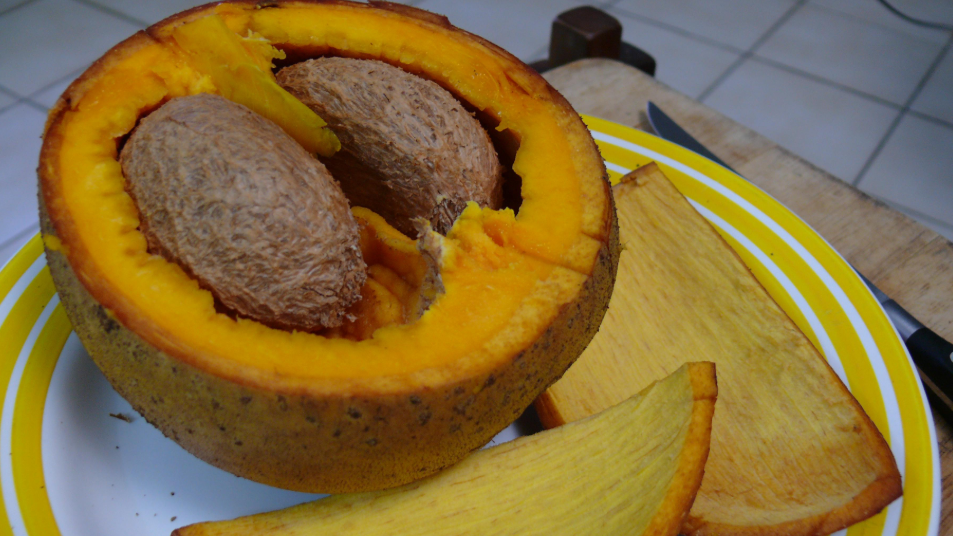
Mammee apple is one of those Jamaican fruits that can feel almost forgotten until somebody mentions it.
Then somebody else remembers.
It is large.
It has thick skin.
The flesh can range from yellow to orange and has a distinctive flavour.
It is also not the easiest fruit to grow casually. Like many large perennial fruit trees, it needs time and space.
The Forestry Department continues to list mammee apple, Mammea americana, among its regular food and fruit trees. (Forestry Department)
Its presence on the official list is reassuring.
Its absence from many modern yards is less so.
That is the larger pattern with these fruits.
The question is not whether the government knows the tree exists.
It does.
The question is whether ordinary households are still making room for it.
6. Rose Apple
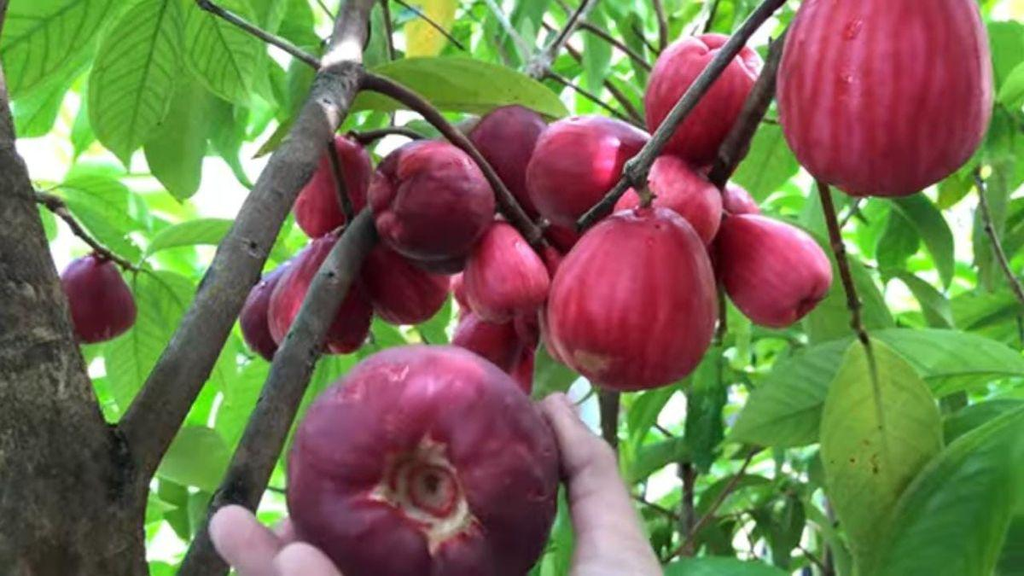
Rose apple is another fruit that belongs to an older Jamaican landscape.
The tree can be substantial, the fruit is aromatic and the name itself has the slightly mysterious quality of many old Caribbean food names.
The Forestry Department lists rose apple among Jamaica’s regular fruit trees. (Forestry Department)
It is also a reminder that “rare” does not necessarily mean commercially valuable.
A tree can be useful to a household without ever becoming a major commercial crop.
That was part of the genius of the old backyard food system.
The yard did not need to make money from every tree.
A tree could provide fruit for the family, shade for the house and something to give to a neighbour.
That economic logic is harder to reproduce when land itself becomes more valuable.
7. Stinking Toe
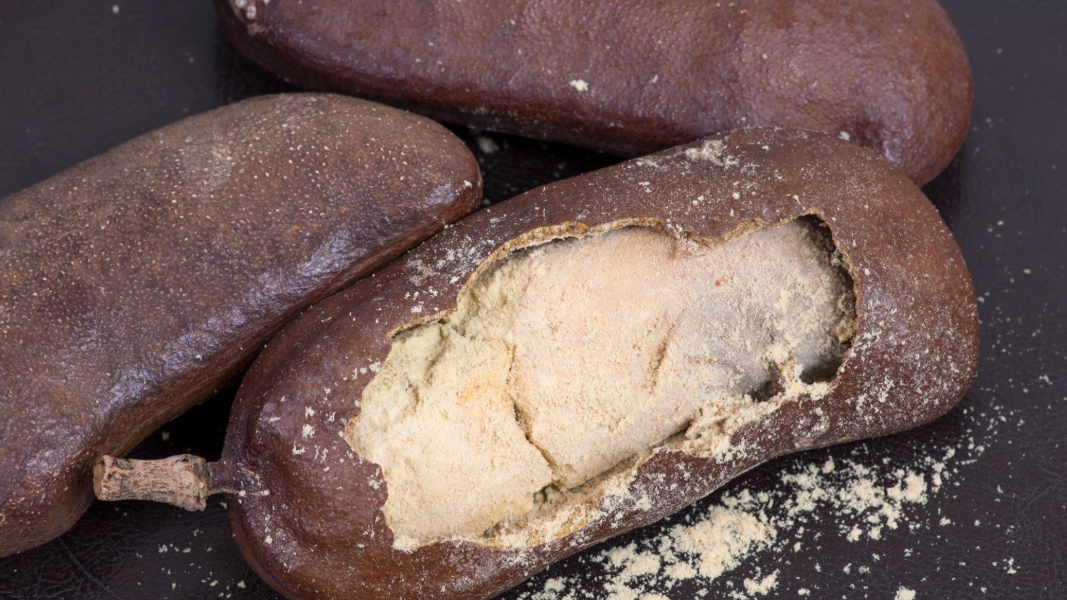
Then there is stinking toe.
Even the name sounds like Jamaica decided that fruit should have a personality.
The fruit comes from the locust tree, Hymenaea courbaril, and Jamaica’s tourism authority includes it among the island’s distinctive fruits. The Forestry Department also lists it among its regular food and fruit trees. (Visit Jamaica)
It is not a fruit you buy every week.
It is not competing with mangoes for supermarket shelf space.
And that is precisely why it belongs in this conversation.
Some Jamaican fruits survived not because they were commercially dominant, but because somebody knew where the tree was.
A child knew.
A grandmother knew.
A neighbour knew.
When that network of knowledge disappears, the fruit becomes functionally rare even if the species itself remains.
The backyard was once part of Jamaica’s food system
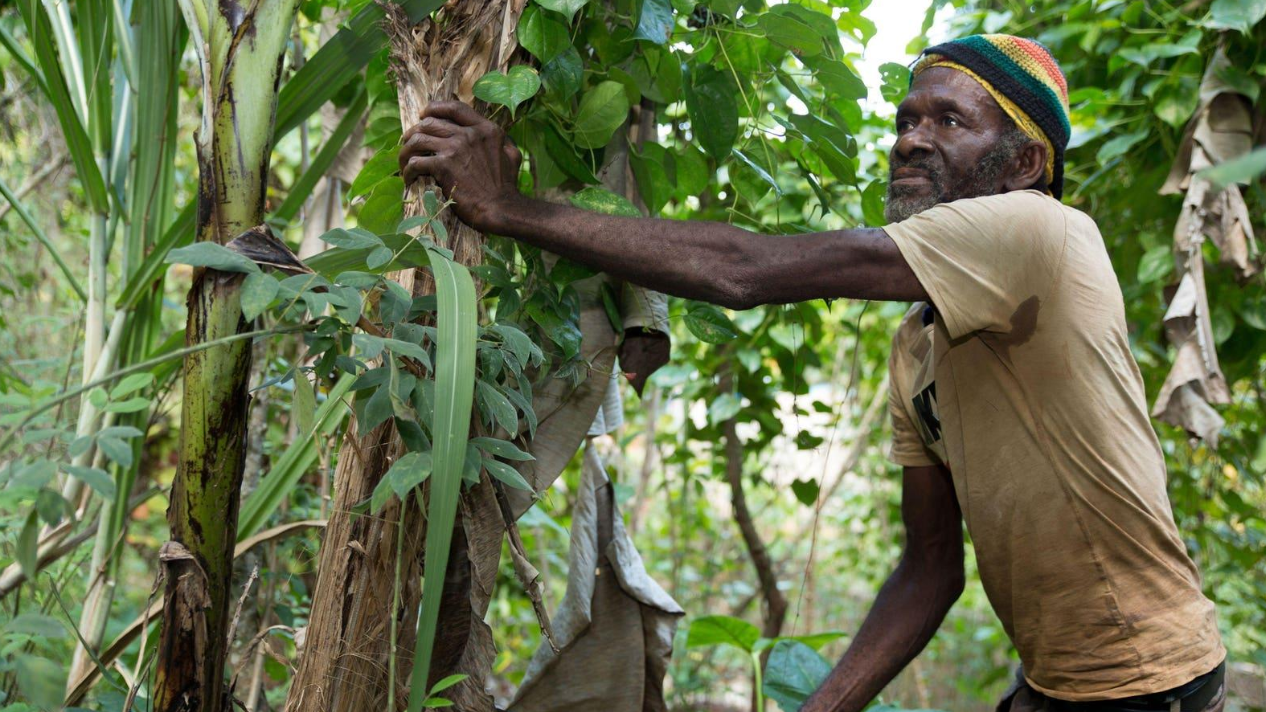
This is the bigger story.
A Jamaican backyard was not necessarily ornamental.
It could be productive.
Fruit trees did not need to form an orchard to matter.
One mango tree could supply a family.
One June plum tree could supply a neighbourhood.
One Otaheite apple tree could produce enough fruit for eating, sharing and making drinks.
That informal production system is precisely why older agricultural literature treated many Jamaican fruit trees as “non-orchard” crops. They were not necessarily grown in large commercial plantations, but they were part of the country’s agricultural landscape. (FAOHome)
The problem is that informal systems are easy to overlook.
There is no giant June plum industry to measure.
No national campaign announces that the number of backyard guinep trees has fallen.
Nobody reports the loss of one old Otaheite apple tree in a suburban yard.
But multiply those losses across generations and the landscape changes.
Space is becoming part of the problem
A mature fruit tree is a commitment.
It takes years.
It occupies space.
Roots spread.
Branches cross boundaries.
Fruit falls.
Birds arrive.
Neighbours complain.
Children climb.
Somebody has to prune it.
For an older Jamaican house with a large yard, that could be perfectly normal.
For a modern home on a much smaller lot, it may feel like a nuisance.
The tree loses.
The Forestry Department’s current planting programme shows that these trees remain viable choices, but it also illustrates how deliberate planting has become. June plum and Otaheite apple are now items that people can seek out from a plant sale rather than simply trees that happen to be growing behind the house. (Forestry Department)
That is a subtle but important cultural shift.
Markets favour some fruits over others
There is another reason certain fruits become harder to encounter.
Markets reward predictability.
Commercial agriculture generally prefers crops with reliable demand, organised distribution, appropriate production economics and established buyers.
Older Jamaican agricultural analysis identified several reasons why farmers were reluctant to grow traditional non-orchard fruit crops as dedicated commercial crops, including long production periods, low returns, limited land, inadequate markets and praedial larceny. (FAOHome)
That creates a strange situation.
A fruit can be beloved.
It can have cultural significance.
People can still enjoy eating it.
And yet it may make little sense for a farmer to dedicate valuable land to producing it.
That is how a fruit becomes a seasonal memory rather than a reliable commodity.
Some of these fruits are not disappearing at all
This needs to be said plainly.
The headline is deliberately provocative.
The evidence does not establish that June plum, Otaheite apple, guinep, star apple, mammee apple, rose apple and stinking toe are all in measurable population decline across Jamaica.
In fact, Jamaica’s Forestry Department continues to propagate and sell many of them. (Forestry Department)
There are also Jamaicans deliberately maintaining backyard food forests.
In 2026, a Jamaican family’s backyard food forest was profiled for producing breadfruit, June plums, avocado, lemons and other crops despite being planted on rocky land. (The Cool Down)
So the better story is not “these fruits are about to disappear.”
It is:
Why are fruits that once felt ordinary becoming less ordinary?
That is a much harder question.
And then Hurricane Melissa changed the conversation
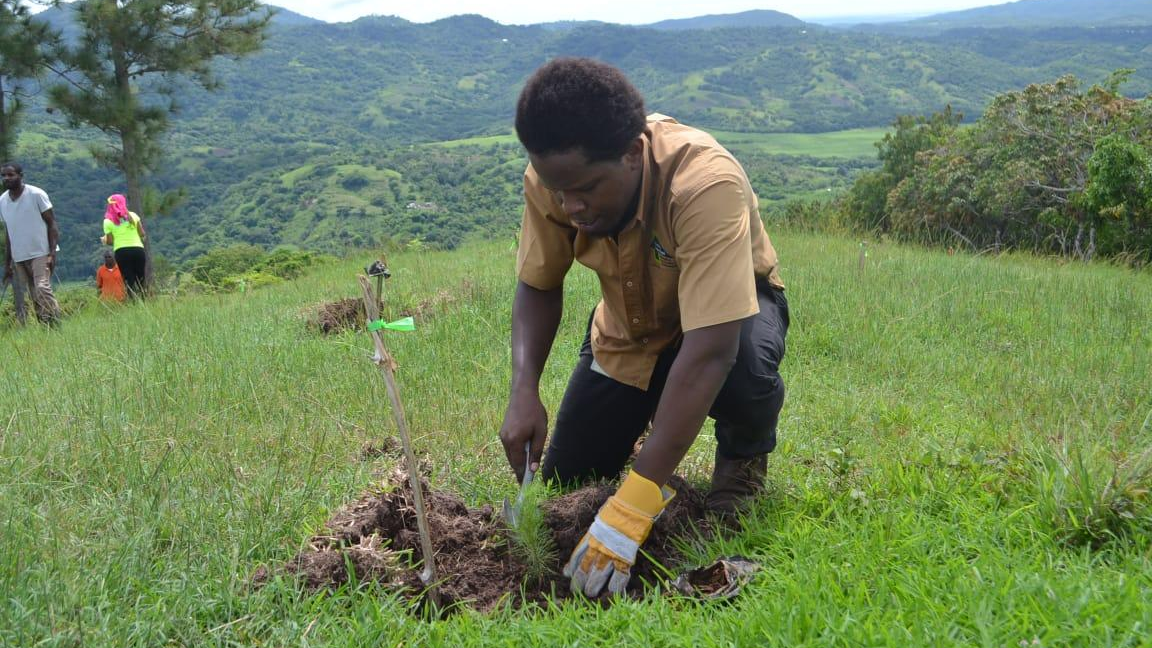
Jamaica’s fruit-tree story has acquired another urgency since Hurricane Melissa struck the island in October 2025.
In February 2026, the Ministry of Agriculture said the hurricane had destroyed many ackee and breadfruit trees, particularly in western Jamaica, and announced efforts to expand fruit-tree planting. (Ministry of Agriculture and Fisheries)
By June, the government had announced an ambitious programme targeting 3,000 hectares of fruit trees by 2035 as part of a broader effort to strengthen food security and rebuild agricultural resilience. (Jamaica Information Service)
The immediate emphasis has been on crops such as ackee, breadfruit, mango, coconut and avocado.
That makes sense economically.
But it also raises a broader question.
When Jamaica replants its fruit trees, which Jamaica are we replanting?
The export crops?
The commercially important crops?
The familiar national symbols?
Or some of the less celebrated trees that once made individual yards small food forests?
There is room for all of them.
The value of a fruit is not always measured in dollars
A June plum tree does not need to become Jamaica’s next export crop to be valuable.
Neither does an Otaheite apple.
Their value can be cultural.
It can be nutritional.
It can be ecological.
It can be social.
And it can be deeply personal.
The fruit tree gives something else that a supermarket cannot.
Memory with a season.
You know June has arrived because the fruit is appearing.
You know where to find it.
You know who has the tree.
You know which neighbour will give you some.
You know how your grandmother used to eat it.
That knowledge is part of the fruit.
The real loss is knowing what used to grow there
Walk through an older Jamaican community and ask an elderly resident what used to grow in the yards.
The answers can become a catalogue.
Mango.
Guinep.
June plum.
Otaheite apple.
Star apple.
Rose apple.
Sour orange.
Sweet sop.
Mammee.
Tamarind.
Sometimes the tree is still there.
Sometimes it was cut down for a house.
Sometimes the yard was divided.
Sometimes nobody replanted after the old tree died.
Sometimes the younger generation simply preferred something else.
That is how cultural landscapes disappear.
Quietly.
One yard at a time.
Maybe the answer is to plant them again
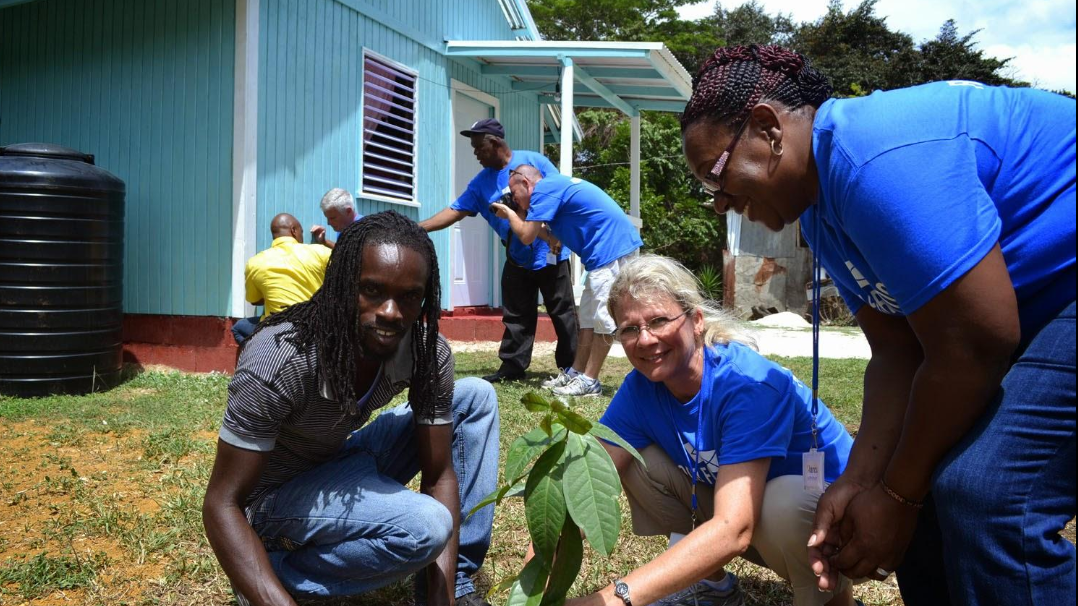
The good news is that this story has a very practical ending.
You do not need to build a commercial orchard to preserve Jamaican fruit culture.
You need people to plant trees.
The Forestry Department already makes many traditional fruit trees available, including June plum, Otaheite apple, guinep, star apple, mammee, rose apple and others. (Forestry Department)
The government’s broader fruit-tree planting drive is also creating renewed attention around perennial food crops. (Jamaica Information Service)
The challenge is making sure the planting conversation does not become exclusively about the crops with the biggest export potential.
A country can have a thriving fruit industry and still lose some of the fruits its grandparents knew.
Those are not contradictory things.
One is agriculture.
The other is culture.
Before you forget what they taste like
The next time you see a June plum tree, stop.
If you see an Otaheite apple tree, ask who planted it.
If somebody offers you guineps, take the bag.
If a child does not recognise a star apple, show them how to cut it.
Ask an older relative which fruit used to grow in their yard.
Ask what they called it.
Ask how they ate it.
Ask which ones they miss.
Because the most dangerous thing about a disappearing fruit is not that the tree dies.
It is that nobody notices what has gone missing.
Jamaica still has the trees.
It still has the knowledge.
It still has people who remember.
For now, that means the story does not have to end with loss.
It can end with somebody planting another tree.
Frequently Asked Questions
What are some rare Jamaican fruits?
Fruits that can be less commonly encountered in everyday Jamaican life include June plum, Otaheite apple, guinep, star apple, mammee apple, rose apple and stinking toe. These are not necessarily rare or endangered species. The term “rare” here refers to their declining familiarity or availability in some everyday settings.
Is June plum native to Jamaica?
No. June plum, Spondias dulcis, originated in Polynesia and was introduced to Jamaica in the eighteenth century. It subsequently became well established in Jamaican food culture. (ScienceDirect)
What is an Otaheite apple?
Otaheite apple, Syzygium malaccense, is a tropical fruit with red skin and crisp, watery white flesh. It is native to Southeast Asia but has long been grown and eaten in Jamaica. Jamaica’s Forestry Department continues to list it as a regular fruit tree. (Forestry Department)
Are Jamaican fruits actually disappearing?
There is evidence that traditional non-orchard fruit crops have faced scarcity and declining cultivation pressures, including habitat loss, limited land, low returns, long production periods and inadequate markets. However, there is not sufficient current evidence to say that every fruit discussed here is experiencing a measurable population decline. (FAOHome)
Where can I get Jamaican fruit trees?
Jamaica’s Forestry Department sells a range of fruit trees, including June plum, Otaheite apple, guinep, star apple, mammee and rose apple. Availability varies by plant-sale location and season. (Forestry Department)
What is the difference between a rare Jamaican fruit and an endangered fruit?
A fruit can be uncommon in markets or backyards without its plant species being endangered. This article uses “rare” in the cultural and everyday-availability sense, not as a formal conservation classification.
What is Jamaica doing to plant more fruit trees?
Following the agricultural losses caused by Hurricane Melissa in 2025, the Jamaican government announced expanded fruit-tree planting initiatives. In June 2026, the government announced a target of establishing 3,000 hectares of fruit trees by 2035. (Jamaica Information Service)
Why are traditional fruit trees disappearing from Jamaican backyards?
Several factors can contribute, including smaller residential lots, development, long maturation periods, limited commercial incentives, weak markets, praedial larceny and the replacement of older trees when they die. Historical agricultural analysis has documented several of these pressures. (FAOHome)