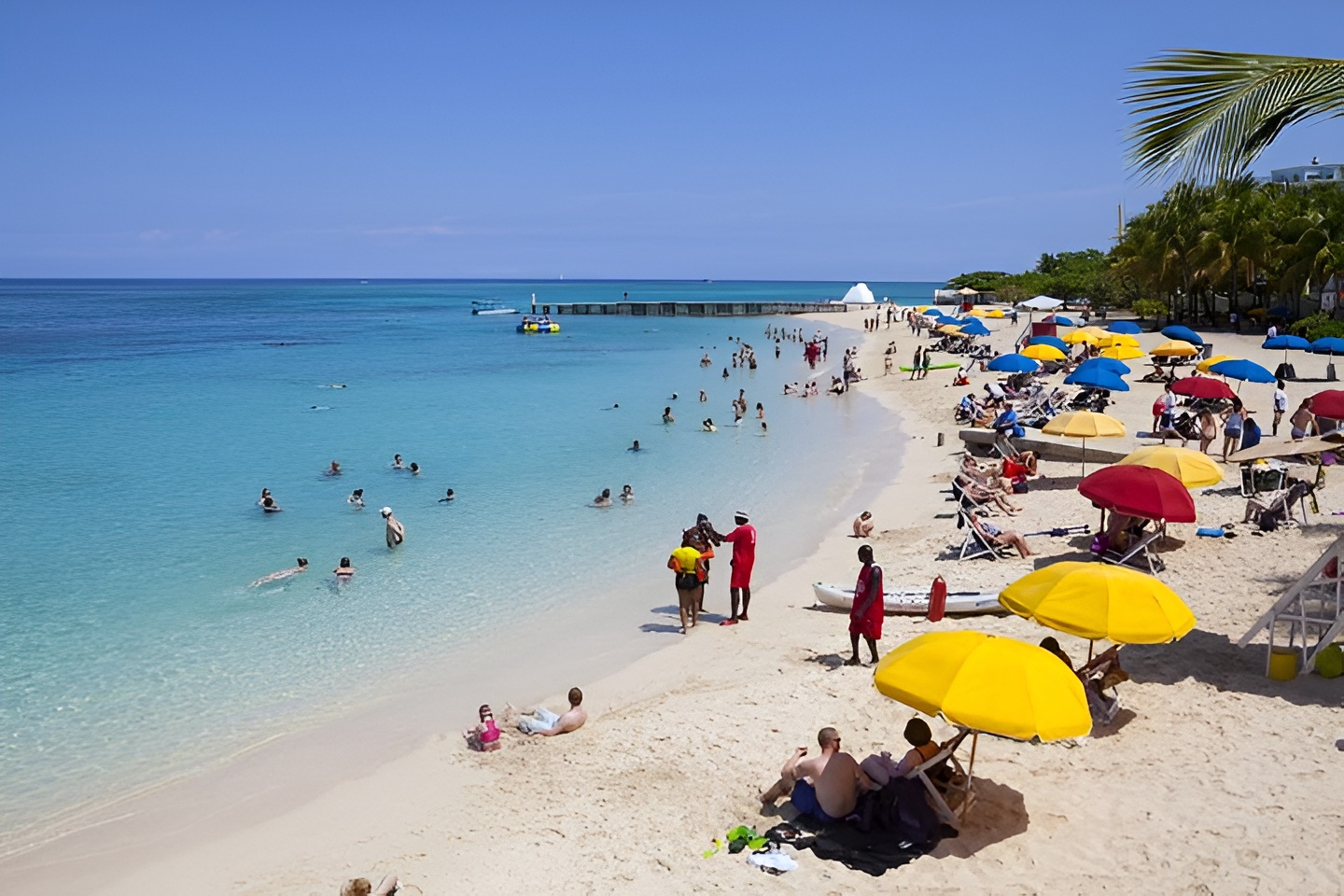
Tag: architecture

  • Jamaica, Uninterrupted

    Jamaica, Uninterrupted

    Life after Melissa — what’s open, what’s changed, and why Jamaica keeps moving

    Hurricane Melissa did not test Jamaica gently.

    When it made landfall, it did so as one of the most powerful storms ever recorded globally—a Category 5 system whose sustained winds and pressure placed it among the most intense hurricanes the Atlantic has produced. This was not a storm that brushed past. It pressed into the island. Every parish felt it in some form.

    Coastal towns such as Black River and Whitehouse absorbed direct impact. In St. Elizabeth, long defined by agricultural continuity and quiet self-reliance, losses reshaped daily life. Across the island, hotels closed—some temporarily, others indefinitely—disrupting thousands of livelihoods in a sector that remains central to Jamaica’s economy.

    There was nothing normal about what followed.

    And yet, what emerged was not paralysis. It was coordination.
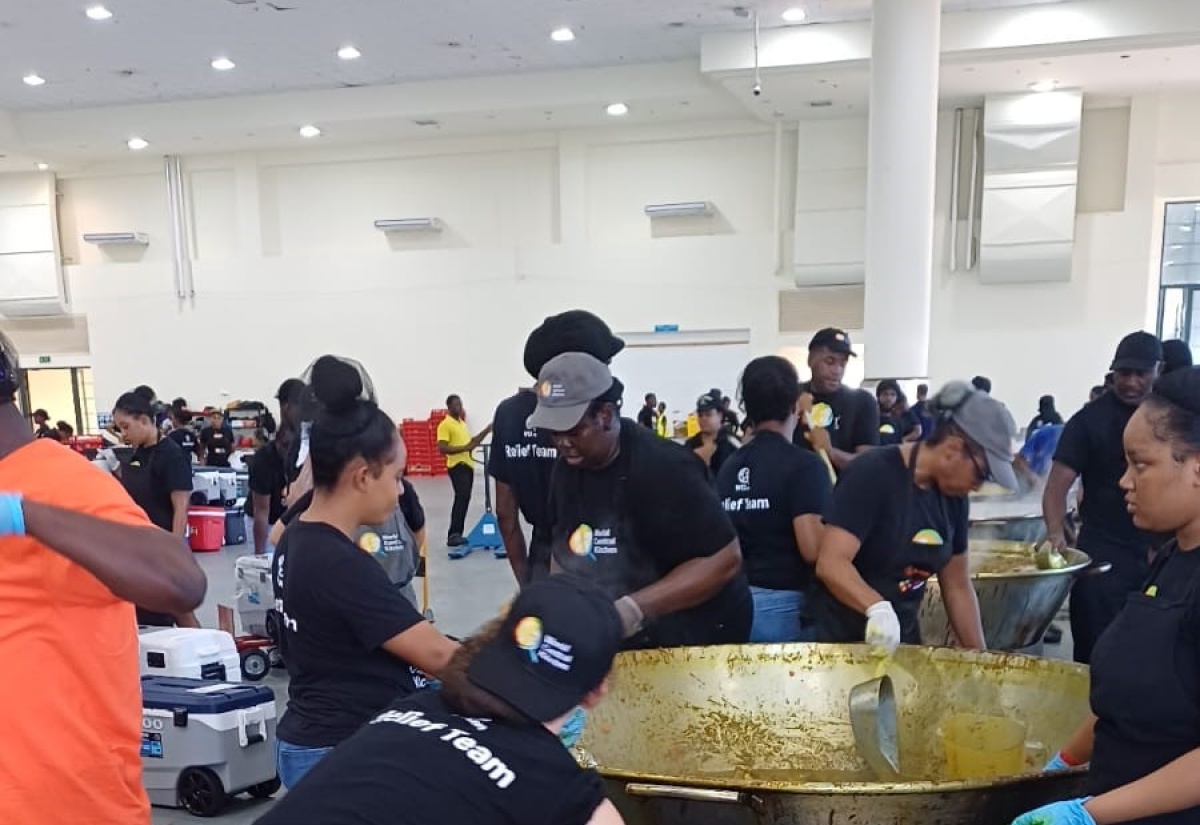
     

    World Central Kitchen Jamaica hurricane relief

    Jamaica After Hurricane Melissa: What Happened Next

    In the weeks after Melissa, Jamaica moved quickly from shock to action. Not through spectacle, but through systems.

    Support arrived regionally and globally. World Central Kitchen mobilised with speed and precision, providing meals as infrastructure rather than symbolism. Food moved where it was needed, feeding communities, responders, and rebuilding crews.

    Cultural figures stepped forward not as personalities, but as Jamaicans. Sean Paul and Shaggy used their reach to mobilise resources. The Bob Marley Foundation and Peter Tosh Foundation anchored relief in continuity and legacy, reinforcing that Jamaica’s cultural capital has always travelled far beyond its shores.

    Diaspora organisations, including American Friends of Jamaica, coordinated aid with structure and intent. Across the Caribbean, engineers and disaster response teams worked to restore electricity grids, water systems, and transport routes.

    Poles were replaced. Lines were restrung. Roads reopened in stages.

    This was not charity theatre.
    It was collective effort.

    The Quiet Wins That Signal Real Progress

    Resilience is often framed as a single dramatic act. In Jamaica, it arrived differently.

    Electricity returned circuit by circuit.
    Schools reopened on modified schedules.
    Local shops unlocked their doors again.
    Markets refilled with voices.
    Fishermen returned to sea.

    Some moments carried quiet symbolism. The reopening of the Pelican Bar, battered but standing again, mattered not because it attracts visitors—but because it belongs to Jamaicans first. Its return signalled continuity rather than celebration.

    These moments did not announce recovery.
    They signalled belief.

    South Coast Jamaica rebuilding community volunteers

    Tourism in Jamaica: Disrupted, Not Erased

    Tourism took a direct hit. That reality matters.

    Major hotel brands across the island sustained damage. Properties operated by Sandals, Half Moon, Secrets, and Hyatt entered extended rebuild phases. Some chose not only to restore, but to upgrade—modernising infrastructure and strengthening long-term resilience.

    Others reopened faster. Brands such as Riu and Iberostar resumed operations with notable speed, restoring employment and economic flow. On the South Coast, Jake’s navigated devastation with characteristic resolve, reopening in phases while remaining rooted in its surrounding community.

    Still, many hotels remain closed.
    Jobs remain disrupted.
    Retail operations tied to consistent tourist traffic continue to feel absence.

    This is the hard truth.
    It deserves to be stated plainly.

    But it is not the full story.

    December 15: Jamaica Reopens With Intention

    On December 15, Jamaica officially reopened for the tourism season.

    Not as a declaration that rebuilding was complete—but as a signal that the island was ready to welcome again, consciously and carefully. Travel resumed with awareness. Visitors arrived into a living, functioning country, not a staged narrative.

    What they found was not perfection.
    They found honesty. Warmth. Continuity.

    Many travelers spoke of something rare: a deeper connection to place. A sense that presence itself carried meaning. That visiting Jamaica now was not consumption, but participation.

    Jamaica did not ask to be saved.
    It asked to be engaged.
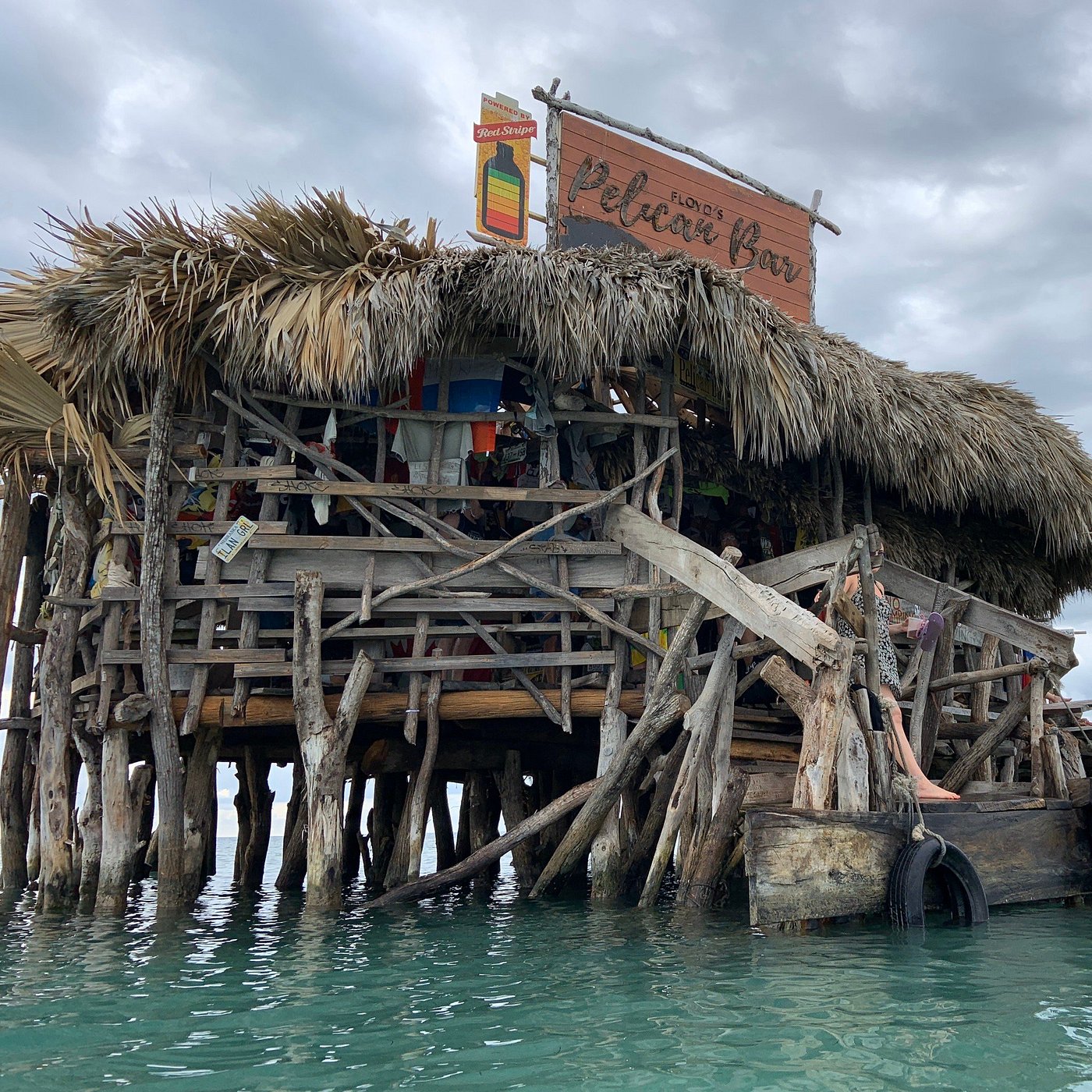
    Pelican Bar Jamaica reopened

    Rebuilding Jamaica: A Moment of Unusual Opportunity

    What makes this phase different is scale.

    Jamaica has secured unprecedented levels of international financial support for reconstruction—funds earmarked not just for repair, but for resilience. Stronger grids. Smarter infrastructure. Hospitality assets designed for durability rather than speed.

    For many businesses, rebuilding has become an opportunity to improve what comes next rather than replicate what existed before. Systems are being reconsidered. Design is being strengthened. Tourism is being recalibrated with longevity in mind.

    The capital has not fully landed yet.
    The story is still unfolding.

    But the foundation is deliberate.

    Why Visiting Jamaica Now Matters

    To visit Jamaica now is not to step into a crisis.
    It is to step into a chapter.

    An island open for business.
    An island rebuilding with intention.
    An island still offering extraordinary experiences—from its coastline to its cuisine, from its music to its hospitality.

    This is the birthplace of Bob Marley, Usain Bolt, Shelly-Ann Fraser-Pryce, Asafa Powell, and Jimmy Cliff—a country whose cultural influence has always exceeded its size.

    To come now is to support jobs, communities, and momentum.
    To leave with stories that feel earned, not staged.

    Jamaica’s Future, Already in Motion

    There is a massive rebuild story still being written in Jamaica. It will take years, not months. It will be uneven, demanding, and imperfect.

    But the signs are present.

    Lights on.
    Doors opening.
    Planes landing.
    Laughter returning to familiar places.

    Jamaica is not defined by what it lost.
    It is defined by what it is building.

    Uninterrupted—not because nothing happened,
    but because something did, and Jamaica moved forward anyway.
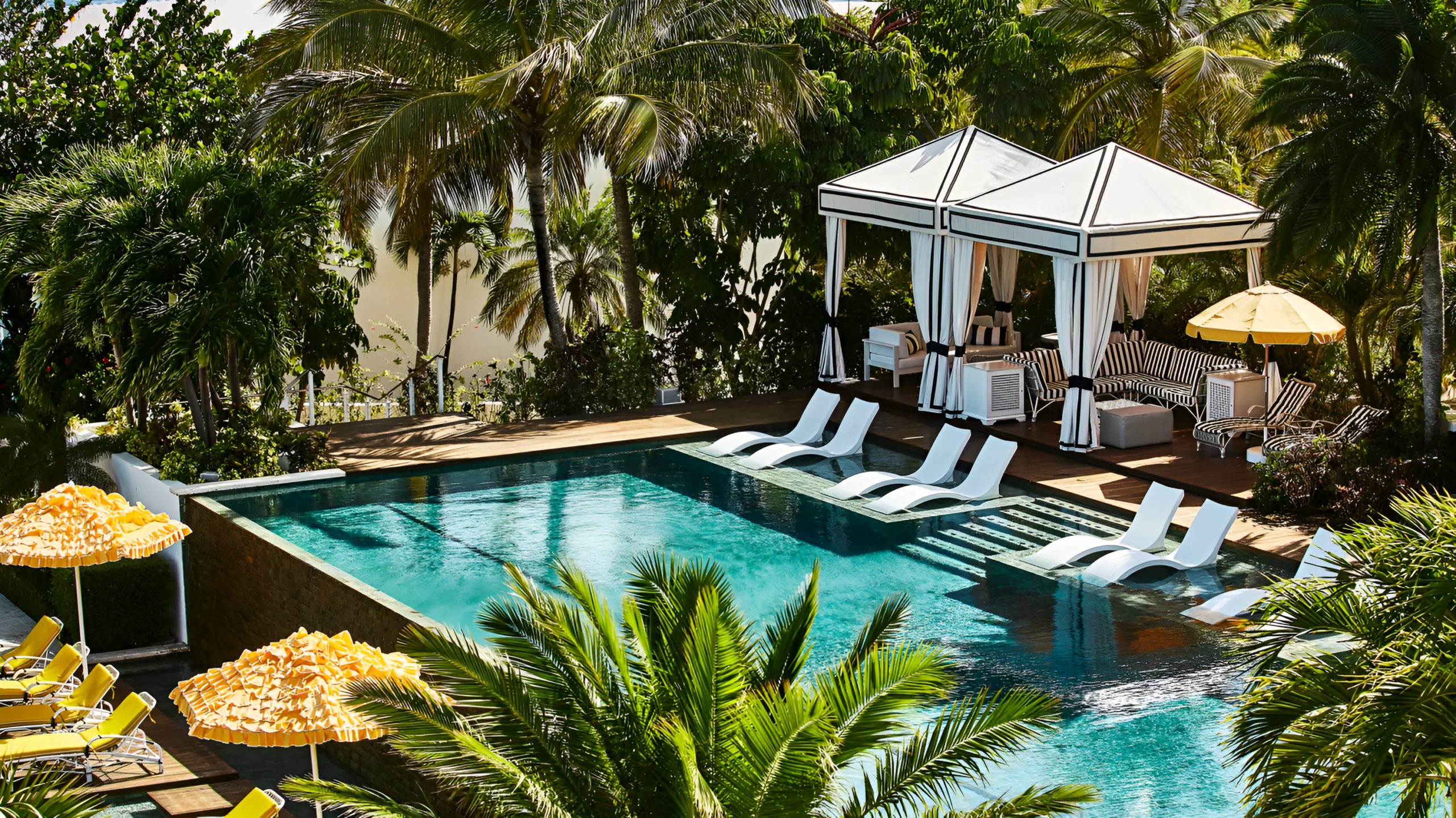
  • Why Smaller Hotels Are Setting the New Standard

    Why Smaller Hotels Are Setting the New Standard

    Something has shifted in Caribbean hospitality.
    Not loudly. Not abruptly. But with intention.

    Across the region, the most satisfying luxury hotel experiences are no longer defined by size or scale. They are unfolding in smaller, design-led hotels that favor rhythm over spectacle, clarity over excess, and human experience over volume.

    These properties are not alternatives to luxury.
    They are refinements of it.

    This is not a trend.
    It is a recalibration.

    When Big Luxury Stopped Feeling Definitive

    For years, luxury travel in the Caribbean followed a familiar formula. Bigger footprints. More amenities. More promises made upfront. Resorts were engineered to impress on arrival and manage expectations afterward.

    That approach still functions.
    But it no longer feels conclusive.

    Scale introduced distance—between guest and place, between staff and decision-making, between experience and specificity. Service became procedural. Design became transferable. Being somewhere extraordinary began to feel suspiciously like being anywhere.

    Nothing was overtly wrong.
    But very little felt considered.

    Travelers noticed.

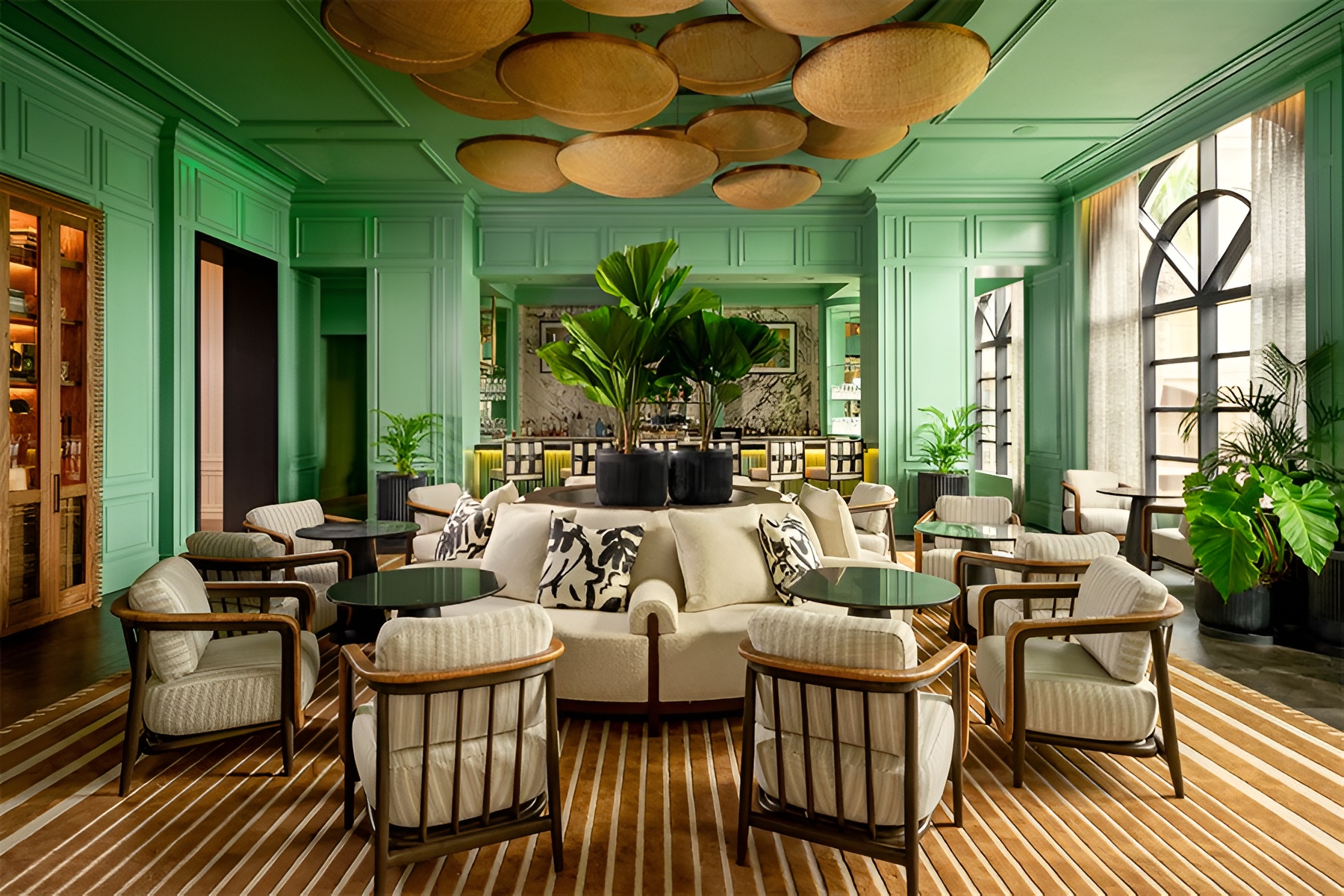
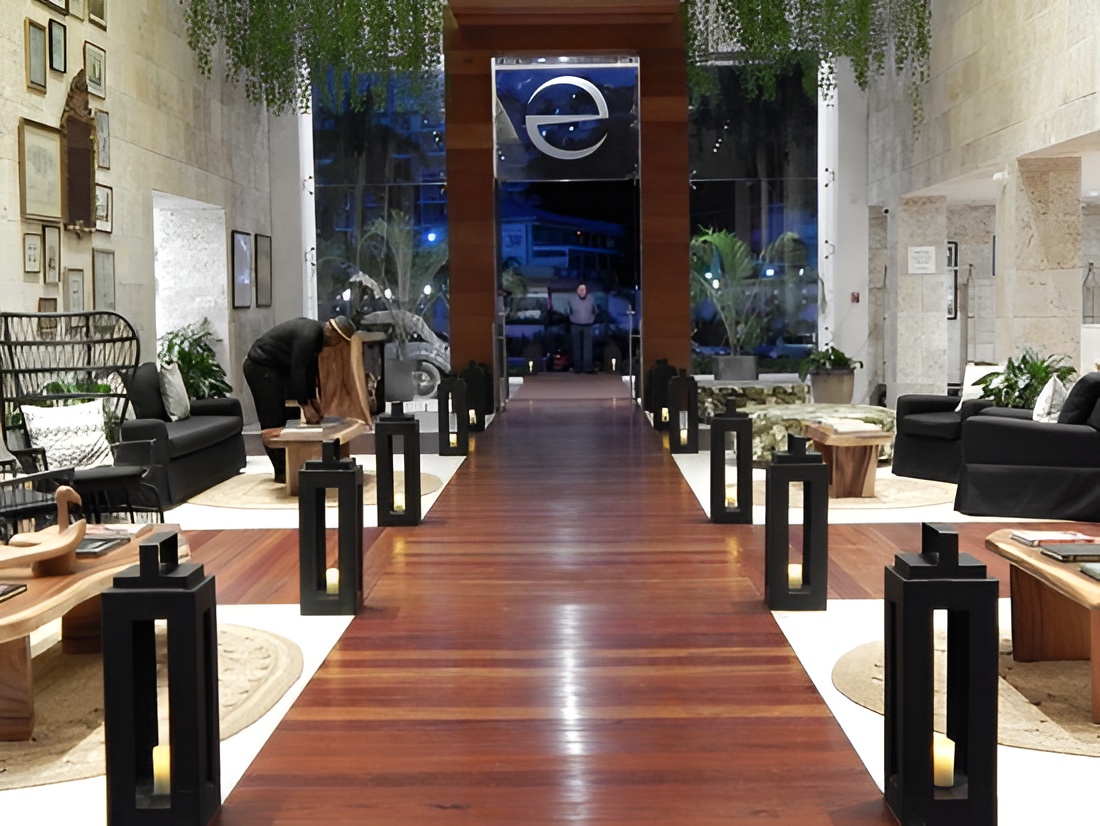
    Small Hotel Lobby in the Caribbean

    Why Smaller Hotels Deliver Better Luxury Experiences

    Smaller hotels operate differently because they can.

    They are not built to satisfy thousands at once or justify themselves through spectacle. Decisions are made closer to the ground, closer to the guest, and closer to the place they inhabit.

    As a result, choices feel sharper.

    Rooms are designed for comfort rather than turnover. Materials are selected rather than standardized. Light, sound, and space are treated as essential elements, not finishing touches. Silence is allowed to exist.

    This is where luxury begins to feel physical again.

    Human-Scale Service, Not Scripted Hospitality

    Service changes when scale changes.

    In smaller luxury hotels, warmth is not performed. It is situational. Staff remember patterns rather than preferences logged in a system. Conversations respond to the moment rather than a script. Adjustments happen naturally, without policy intervening.

    The experience feels responsive instead of managed.

    Most importantly, these hotels move at the pace of their surroundings instead of overriding them. They do not extract energy from the place. They settle into it.

    That difference is felt immediately.

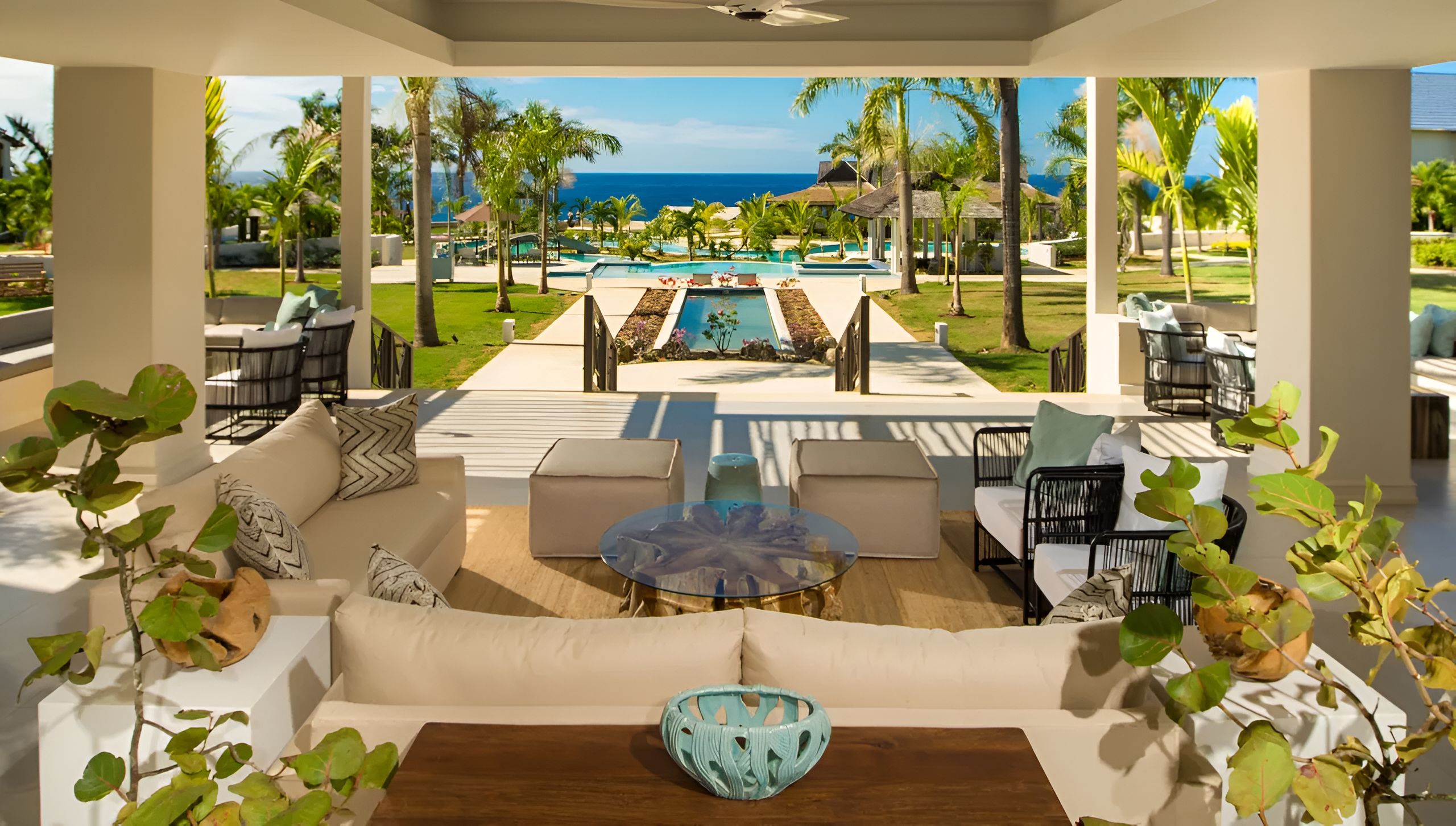
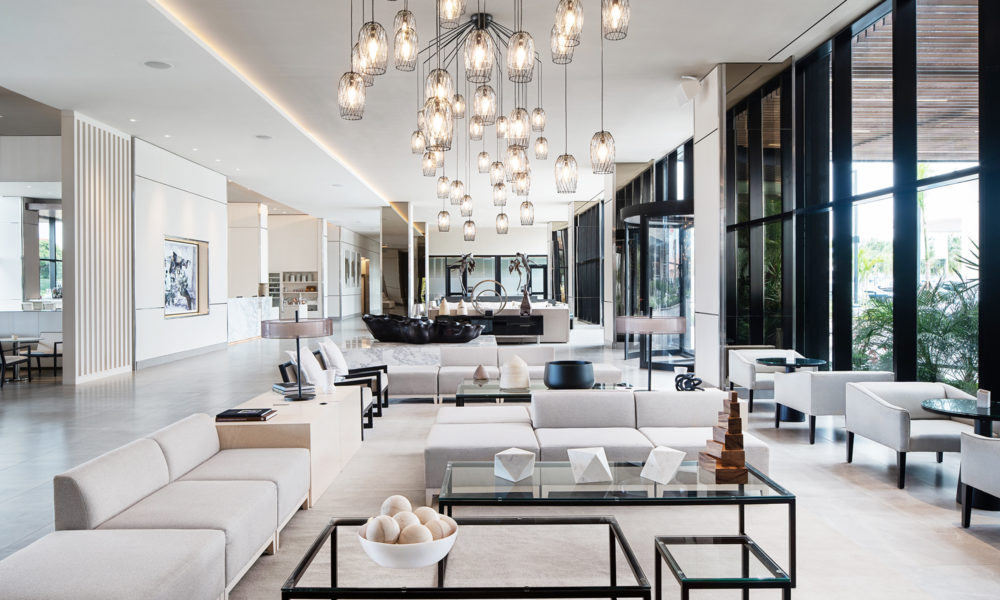
    Design-led Caribbean hotel emphasizing space, restraint, and human-scale hospitality

    Caribbean Boutique Hotels as Proof, Not Profiles

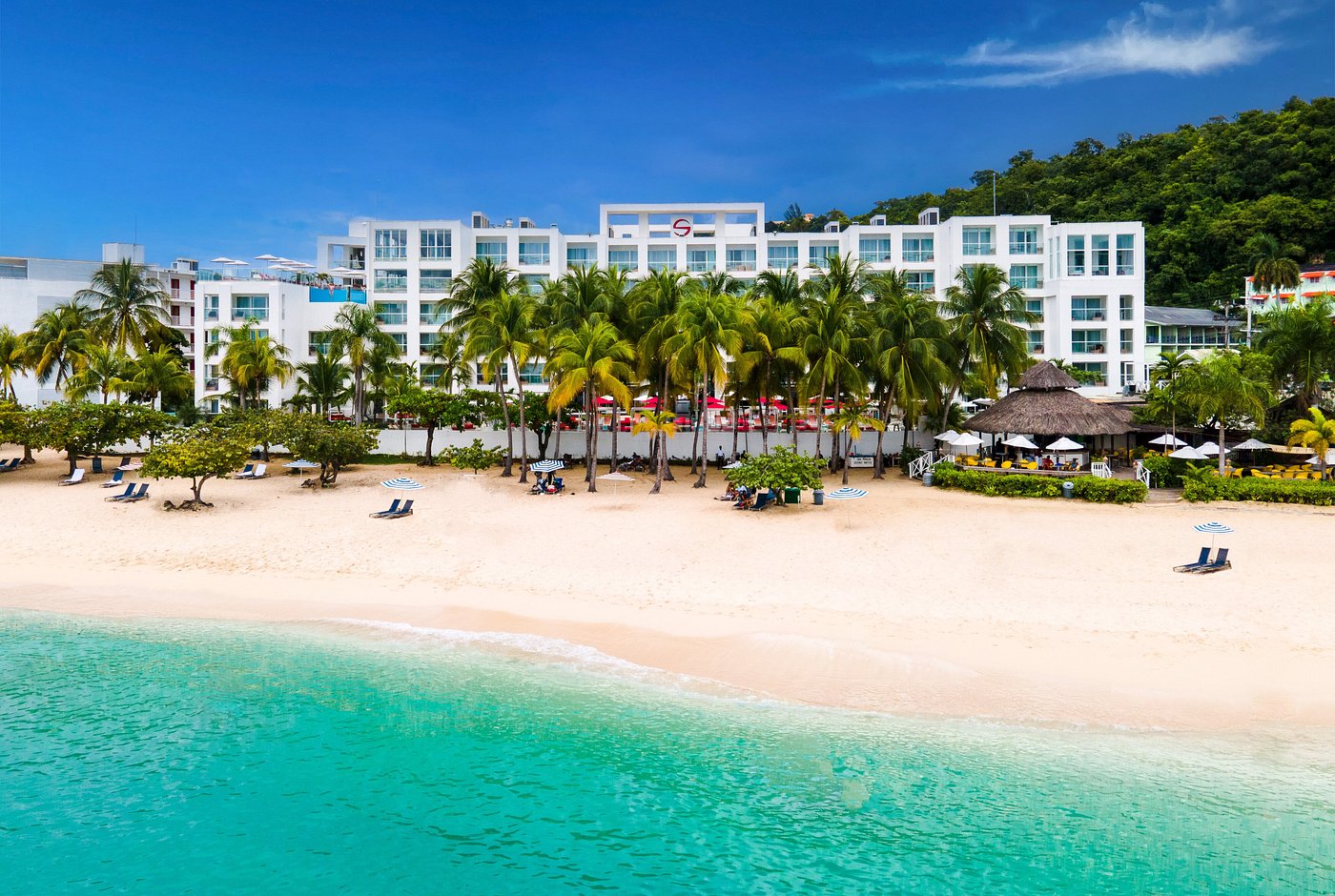
    Consider S Hotel Montego Bay.
    Its success is not rooted in size, but in clarity. The property understands its environment and designs in conversation with it rather than in competition. Social spaces feel alive without feeling crowded. Calm exists without becoming inert. Guests return not for novelty, but for familiarity done well.

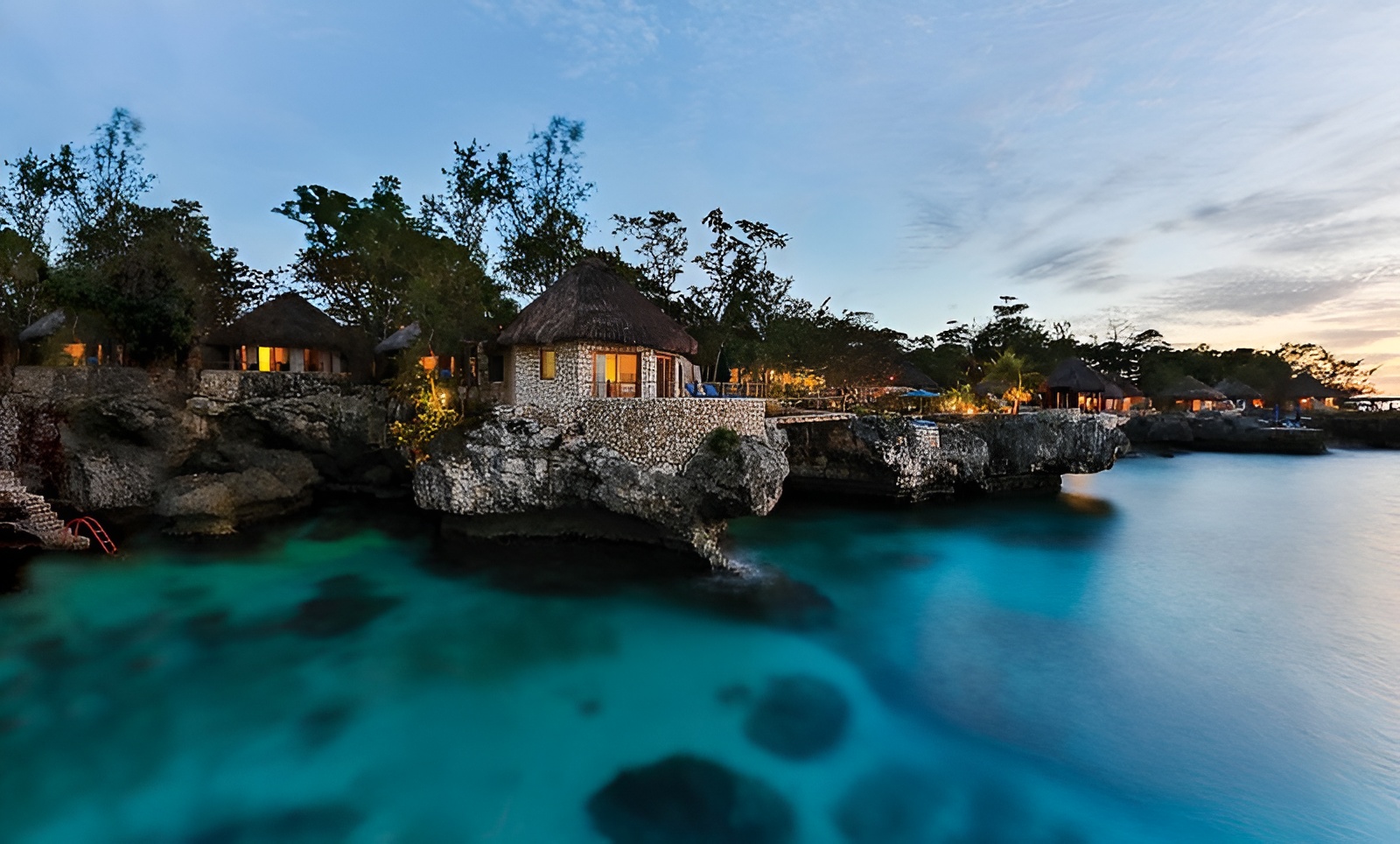
    In Negril, Rockhouse demonstrates how restraint becomes luxury. The cliffside setting is dramatic, yet never exploited. Architecture frames the landscape instead of dominating it. The hotel moves with the day rather than choreographing it.

    Further east, Geejam offers privacy without isolation. Its small scale allows guests to disappear without feeling managed. Music, food, and setting exist in quiet dialogue rather than as branded moments.

    Then there is GoldenEye—a property that predates most modern hospitality frameworks and has never felt compelled to adopt them. Its appeal lies in continuity. Nothing feels designed for consumption. The experience rewards those willing to meet it on its own terms.

    These hotels are not similar in style.
    They are aligned in philosophy.

    Rockhouse Negril cliffs

    Why Travelers Keep Choosing Smaller Luxury Hotels

    The clearest signal is repetition.

    Guests return to smaller hotels because the experience remains legible. The rhythm of the day is intuitive. Choice fatigue disappears. Presence replaces stimulation. There is nothing to decode and nothing to perform.

    Travelers are also more sensitive now to how travel feels, not just how it looks. Scale, impact, and tone matter more than ever. Places that feel intentional rather than extractive hold attention longer.

    Smaller hotels offer that quietly.

    What This Shift Means for Caribbean Travel

    This movement is not anti-resort.
    It is anti-excess.

    The Caribbean does not need louder luxury or bigger statements. It benefits from places that understand context, proportion, and restraint—hotels that reflect the region itself: layered, adaptive, and grounded in lived culture rather than presentation.

    The future of Caribbean hospitality will not be defined by how much is added.
    It will be shaped by what is edited away.

    Space will matter more than scale.
    Experience more than inventory.

    And travelers will continue choosing places that feel composed—not consumed.

  • 11 Small Things That Ruin a “Luxury” Experience

    11 Small Things That Ruin a “Luxury” Experience

    Luxury is fragile.

    It rarely unravels because of cost or ambition.
    It fails because of friction—the small, unnecessary interruptions that break ease.

    The most disappointing luxury experiences are not undone by what is missing, but by what should have been edited out. Minor intrusions. Quiet misjudgments. Signals that something is trying too hard to be noticed.

    At its core, luxury is effortlessness.
    When effort becomes visible, the illusion dissolves.

    Luxury Is Defined by Ease, Not Excess

    True luxury is not about abundance. It is about alignment.

    In high-end hotels, restaurants, and private spaces, the expectation is not perfection—it is coherence. Every detail should support calm. When even one element introduces friction, the experience begins to feel managed instead of held.

    Below are eleven small but telling ways luxury environments quietly undermine themselves.


    Overdesigned hotel interior with dramatic lighting and decorative elements that prioritize aesthetics over comfort

    1. Overexplaining the Experience

    Luxury assumes intelligence.

    When every design choice, service element, or philosophy is explained aloud or printed excessively, it signals insecurity. Guests should understand a space intuitively. If something needs justification, it likely needs refinement.

    In luxury hospitality, silence often communicates confidence better than language.

    2. Forced Friendliness in Luxury Service

    Warmth is not performance.

    Scripted enthusiasm, exaggerated familiarity, and constant verbal check-ins create distance rather than comfort. The best luxury service is observant, restrained, and responsive without being intrusive.

    Guests want to feel seen, not supervised.

    3. Spaces Designed for Photos Instead of Comfort

    Luxury interiors that prioritize social media aesthetics over human use age quickly.

    Awkward seating, poor lighting, impractical layouts, and decorative excess are signs that optics outweighed comfort. High-end design should support rest, movement, and ease—not documentation.

    Luxury spaces are meant to be lived in, not captured.

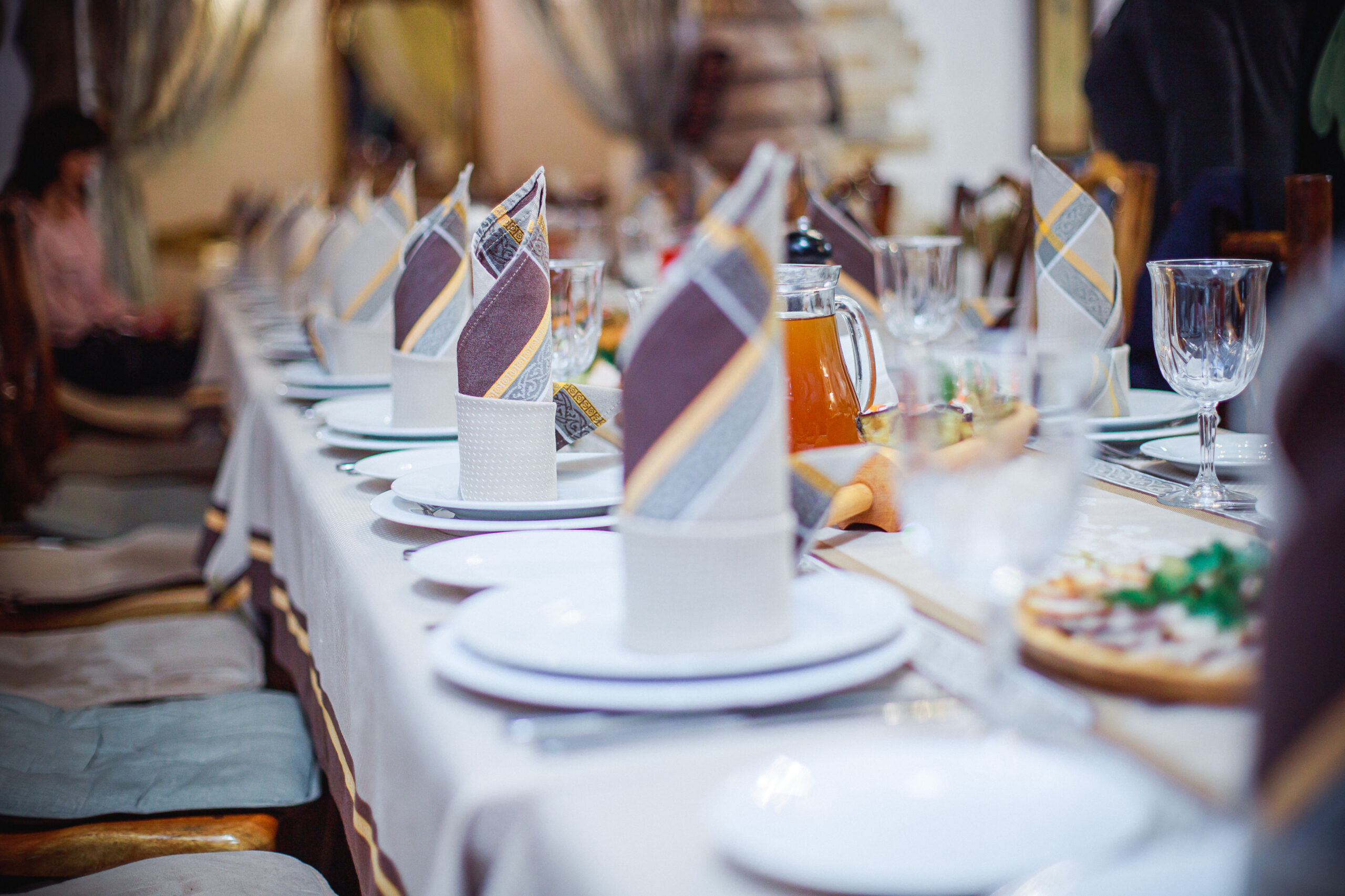
    Fine dining table set with paper napkins contrasted against a luxury restaurant table with cloth napkins

    4. Noise That Was Never Considered

    Sound is one of the clearest indicators of care.

    Background music that competes for attention. Echoing hallways. Mechanical hums that interrupt rest. These details fracture calm immediately.

    Silence—or thoughtfully controlled sound—is a core component of luxury environments.

    5. Visible Systems Working Too Hard

    When logistics become visible, luxury weakens.

    Rushed staff movements. Public problem-solving. Operational corrections made in front of guests. The more effort guests can see, the less effortless the experience feels.

    In high-end service, the work should disappear so the experience can remain intact.

    6. Overdesigned Menus in Luxury Dining

    More choice does not equal better dining.

    Long menus suggest indecision, not generosity. They communicate anxiety rather than confidence. Luxury dining values clarity over abundance.

    A concise menu signals trust in execution. Editing is a form of respect for the guest’s attention.

    7. Paper Napkins Where Cloth Was Expected

    This is not about snobbery.
    It is about coherence.

    When the setting, pricing, and service signal refinement, mismatched materials break immersion. Small tactile choices—napkins, glassware, cutlery—carry disproportionate weight in luxury spaces.

    Consistency matters more than extravagance.

    Quiet hotel corridor with soft lighting and minimal design creating a sense of silence and proportion

    8. Trend-Chasing Luxury Design

    What feels current today often feels dated tomorrow.

    Luxury interiors built around trends sacrifice longevity. They privilege novelty over proportion, material quality, and restraint. The most enduring luxury design avoids timestamps.

    Timelessness is not accidental. It is intentional.

    9. Interruptions Disguised as Service

    Repeatedly asking if everything is “okay” fractures immersion.

    Attentiveness in luxury hospitality should be anticipatory, not visible. Presence matters more than frequency. The best service appears exactly when needed—and disappears immediately afterward.

    Luxury is continuity, not interruption.

    10. Inconsistent Temperature and Lighting

    Comfort is physical before it is conceptual.

    Rooms that are too cold, overly bright, poorly ventilated, or unevenly lit erode trust instantly. No amount of design or service can compensate when the body does not settle.

    Luxury begins when the nervous system relaxes.

    11. Performative Sustainability

    Good intentions announced too loudly feel transactional.

    True sustainability in luxury environments operates quietly. It is structural, not theatrical. When responsibility becomes part of the marketing narrative, it loses credibility.

    Ethics should be embedded, not advertised.

    Why Small Details Matter in Luxury Experiences

    None of these failures are dramatic.
    That is precisely the point.

    Luxury does not collapse in moments of excess. It erodes through small misalignments—through noise where there should be calm, explanation where there should be trust, paper where cloth was expected.

    These details do not offend.
    They disappoint.

    When Luxury Works, You Barely Notice It

    When luxury is done well, it fades into the background.

    You do not feel impressed.
    You feel settled.

    And when it fails, you feel managed.

    That difference—between being held and being handled—is everything.

  • Less Announcement, More Alignment

    Less Announcement, More Alignment

    There was a time when visibility equaled legitimacy. If something mattered, it was announced. If it succeeded, it was repeated. If it was valuable, it was amplified.

    That equation no longer holds.

    Today, the most coherent lives, brands, and cultures are moving in the opposite direction. Less explanation. Fewer declarations. More internal consistency. Alignment has replaced announcement as the signal.

    When Announcement Was the Point

    Announcement thrives in unstable systems. It reassures. It seeks validation. It depends on response.

    For years, culture rewarded those who spoke first and loudest. To announce was to claim relevance. To stay visible was to remain current. Silence risked being mistaken for absence.

    But over time, the noise compounded. What was meant to clarify began to distort. Signals overlapped. Meaning thinned. Announcement became maintenance rather than intention.

    Alignment as Structure

    Alignment does not require narration. It is felt through coherence.

    When values, behavior, pace, and environment agree with one another, explanation becomes unnecessary. Decisions make sense without justification. Choices feel inevitable rather than strategic.

    Alignment is quieter because it is resolved. It does not need witnesses to function.

    Taste Without Broadcast

    Taste is one of the clearest places this shift appears.

    Announced taste performs. It displays references. It signals literacy. It explains itself in advance.

    Aligned taste behaves differently. It selects with restraint. It edits aggressively. It trusts context to do the work.

    Nothing is trying to convince. Everything feels placed.

    The New Luxury of Consistency

    In lifestyle and work, alignment has become a form of luxury.

    Schedules that reflect values. Spaces that support how people actually live. Relationships that do not require constant calibration.

    Consistency is no longer boring. It is stabilizing. In a volatile culture, steadiness reads as sophistication.

    Culture That Moves Without Commentary

    Aligned culture does not chase reaction. It grows from use, not applause.

    Music develops cadence before exposure. Food evolves through repetition rather than reinvention. Language sharpens through necessity, not trend.

    This culture travels because it is intact. It does not lose meaning when removed from the spotlight.

    Why Less Holds More

    Announcement inflates quickly and deflates just as fast. Alignment accumulates.

    Over time, people recognize what holds its shape. What does not contradict itself. What does not need to be reintroduced every season.

    Less announcement leaves room for continuity. More alignment allows depth.

    The Quiet Confidence of Settlement

    Alignment suggests something rare: that decisions have already been made.

    There is no urgency to persuade. No need to justify pace or preference. Life is no longer in draft form.

    Less announcement is not withdrawal. It is arrival.

  • Taste, Explained Without Defensiveness

    Taste, Explained Without Defensiveness

    Taste does not announce itself.
    It does not correct the room or ask to be understood.
    It waits.

    Quiet, Not Reactive

    In a culture trained to express preferences loudly, taste has become confused with opinion. But real taste is quieter than that. It is not reactive. It does not need contrast to exist. It operates through selection, omission, and timing. Taste is what remains after explanation has been removed.

    Editorial Confidence

    For years, culture rewarded immediacy—trends surfaced, peaked, and disappeared in cycles too fast to develop depth. In that environment, defensiveness became common. People learned to justify their choices, contextualize their influences, and pre-empt criticism. Taste, however, does not survive justification. The more it explains itself, the more it dissolves. True taste is editorial, not argumentative.

    It shows up in how spaces are arranged, not how they are described. In what is worn repeatedly, not debuted once. In the decision to leave something unfinished because completion would cheapen it. Taste is the confidence to let coherence speak on its own timeline.

    Proportion and Silence

    To have taste is not to reject visibility—it is to understand proportion. What deserves attention. What benefits from silence. What gains power through repetition rather than novelty. Taste is less about knowing what is “good” and more about knowing when something is unnecessary. It is also why taste ages well.

    Trends depend on recognition. Taste depends on alignment. One seeks approval in the present moment; the other accumulates meaning over time. When taste is real, it does not require updates. It adapts naturally because it was never chasing relevance to begin with.

    Caribbean Context

    In the Caribbean—and increasingly beyond—this understanding has always existed beneath the surface. Taste moved through households, rituals, and daily choices without needing cultural validation. It lived in how people hosted, dressed, cooked, and rested. It was practical, inherited, and instinctive.

    Only recently has the wider world begun to notice that what reads as “effortless” is often deeply intentional.

    Enduring Taste

    Taste, at its highest level, is not about proving sophistication. It is about refusing noise. It is known that not everything benefits from explanation—and that clarity, when genuine, does not need defense. Taste waits because it can afford to.

  • The Return of the Slow Morning

    The Return of the Slow Morning

    Nightlife once defined relevance.
    Mornings now define balance.

    The slow morning is rhythm, not routine. It is measured, intentional, and quietly powerful. In the Caribbean, mornings do not exist to prepare for life—they are life.

    Rhythm Over Schedule

    The slow morning resists clocks.

    Movement is gentle, deliberate. Light guides activity more than obligation. Breakfast is eaten when the body signals readiness, not when the timetable demands. Conversation flows naturally, without prompts. Decisions are limited. Presence is prioritized.

    This rhythm recalibrates the day before it begins in earnest. It fosters attention without effort, clarity without urgency.

    Space for Awareness

    Slow mornings allow observation.

    Ocean air, sunlight, and the ambient sounds of life settle the mind. Streets are empty enough for awareness to surface. The body notices temperature, texture, and tone. Nothing must be captured or shared; everything is registered internally.

    The space for reflection defines the sophistication of the day. Quietness is not absence. It is permission.

    Caribbean Mornings as Infrastructure

    In the Caribbean, mornings are designed by culture, not design.

    Shadows, tides, and trade winds set the pace. Markets, beaches, and streets operate according to natural rhythm. Life is measured in activity and stillness, not hours. Wellness and restoration are embedded in this cadence, shaping behavior without instruction.

    The slow morning is a practice of balance—an inherited infrastructure that aligns environment, body, and mind.

    Presence Without Performance

    Mornings are free from display.

    No need to impress, post, or explain. Energy is reserved, not broadcast. Habits establish continuity and personal calibration. The slow morning signals confidence by omission rather than declaration.

    The Ocean Style Lens

    OCEAN Style observes mornings as culture, not schedule.

    The slow morning teaches that sophistication is not in speed, visibility, or accumulation. It is in rhythm, awareness, and unforced alignment. Luxury arrives when life unfolds without commentary.

    In this quiet, mornings become their own reward.

  • 23 Things That Ruin a “Luxury” Experience (and Nobody Says It)

    23 Things That Ruin a “Luxury” Experience (and Nobody Says It)

    Luxury is more fragile than most brands admit.
    It is not broken by mistakes as much as by misjudgment. The fastest way to lose it is to try too hard to prove it exists.

    Most luxury failures are subtle. They accumulate. A tone slightly off. A pause too short. An explanation offered where none was needed. What’s lost is not comfort, but trust—the feeling that someone has already thought things through on your behalf.

    When luxury needs justification, it has already slipped.

    Below are the quiet fractures that undo it.

    1. Overexplaining the experience
      Refinement assumes intelligence. Narration interrupts immersion.
    2. Forced friendliness
      Warmth is felt, not performed. Over-familiarity reads as insecurity.
    3. Being rushed
      Urgency signals mismanagement, not efficiency.
    4. Spaces designed for photos, not people
      If comfort is secondary to optics, luxury collapses quickly.
    5. Too many rules
      Luxury feels permissive. Policing destroys ease.
    6. Scripted staff language
      Rehearsed warmth replaces presence.
    7. Excessive branding
      Confidence doesn’t repeat its own name.
    8. Noise without intention
      Sound should support atmosphere, not dominate it.
    9. Artificial scarcity
      Manufactured exclusivity feels manipulative, not rare.
    10. Overdesigned details
      Precision outperforms decoration every time.
    11. Constant check-ins
      Attention should be available, not intrusive.
    12. Explaining value instead of delivering it
      Worth is sensed immediately. Words are redundant.
    13. Inconsistent pacing
      Luxury has rhythm. Disruption feels careless.
    14. Trend chasing
      Relevance ages faster than standards.
    15. Crowds without flow
      Density without choreography feels chaotic.
    16. Overly theatrical service
      Performance replaces sincerity.
    17. Menus that require translation
      Clarity is a form of respect.
    18. Technology that interrupts presence
      Convenience should disappear once it works.
    19. Too many choices
      Editing is generosity. Excess is abdication.
    20. Predictability disguised as reliability
      Consistency should not feel mechanical.
    21. A sense of being sold to
      Luxury never persuades. It allows.
    22. Lack of privacy
      Discretion is not a feature. It is the foundation.
    23. Needing to prove it’s luxury
      If it has to announce itself, something is missing.

    The Ocean Style Lens

    What unites these failures is not cost or scale, but anxiety. The anxiety to impress. To control. To be validated. Luxury, at its most convincing, is calm because it is prepared. Nothing is urgent because nothing is unfinished.

    The most sophisticated experiences do not compete for attention. They do not explain their logic. They trust that the right people will recognize the difference without guidance.

    This is why true luxury often feels quiet, even understated. Not minimal, but measured. Not sparse, but edited. Everything present has earned its place. Everything absent has been deliberately removed.

    In the Caribbean—and in other cultures where rhythm, heat, and proximity shape daily life—this understanding has always existed. Luxury is not spectacle. It is freedom from friction. The ability to move without interruption. To sit without being managed. To enjoy without documenting.

    When luxury works, you don’t notice it happening.
    You notice what isn’t happening.

    No pressure.
    No performance.
    No explanation.

    That absence is not emptiness.
    It is mastery.

    And once you experience it, anything louder feels unfinished.

  • Caribbean Style Is Quiet Again

    Caribbean Style Is Quiet Again

    Caribbean style never disappeared.
    It stopped performing.

    The language of clothing here has always favored substance over spectacle. Fabric matters more than branding. Silhouette matters more than statement. Restraint itself becomes the signal.

    Confidence in Quiet

    The return to quiet style is not a reaction. It is maturity.

    Confidence no longer needs amplification. It resides in proportion, in choices that feel inevitable rather than deliberate. A well-cut shirt in breathable cotton, a hand-selected accessory, the right footwear for movement—all communicate without explanation.

    Style becomes infrastructure rather than decoration.

    Context Over Trend

    Caribbean fashion has always been climate-smart. Light fabrics, layered sensibly, designed for wind, sun, and activity. Comfort is not indulgence. Ease is intelligence. The world may rename it “resort wear” or “tropical chic,” but locally it has always been about adaptation and rhythm.

    Trends arrive. Context endures.

    Restraint as Language

    Less is not minimalism. Less is literacy.

    A quiet outfit speaks in syllables of proportion and color, not in logos or repetition. Patterns are chosen deliberately, not for display. Color aligns with mood, not attention. Fabric ages gracefully. Clothing lives in dialogue with the body and environment.

    This is how Caribbean style signals authority without performance.

    The Ocean Style Lens

    OCEAN Style observes style as culture, not marketing.

    What matters is not what the world sees. It is how style sustains identity, facilitates movement, and ages with integrity. The quiet return of Caribbean fashion reveals that true sophistication has never needed witnesses.

    Style is not announced.
    It is understood.

  • The Rise of the Conscious Caribbean Brand

    The Rise of the Conscious Caribbean Brand

    Caribbean brands are becoming structurally conscious and globally legible.

    They no longer rely solely on narrative or marketing to define themselves. Instead, integrity is embedded in operations, design, and strategy. Transparency, cultural respect, and community-focused production are not optional—they are standards. Consciousness here is not performance. It is structure.

    Integrity as Strategy

    For the new Caribbean brand, integrity is measurable.

    Sourcing is transparent. Communities benefit tangibly from production. Labor is valued. Environmental impact is considered at every step. The brand’s choices communicate as loudly as its products, yet without spectacle.

    Global markets increasingly recognize this alignment. Consumers respond not to storytelling alone, but to structures that support ethics, sustainability, and social accountability. The Caribbean demonstrates that principled practice can be profitable without compromise.

    Design and Storytelling Aligned

    Design has evolved from decoration to articulation.

    Packaging, product form, and visual identity are precise, thoughtful, and culturally coherent. Storytelling is curated, but not performative—it communicates values through clarity, not dramatization. Every product becomes a signal of discipline, taste, and responsibility.

    These brands are legible globally because they trust intelligence. They assume that audiences can perceive alignment without explanation. Confidence is quiet, yet unmistakable.

    Cultural Respect as a Core Principle

    Conscious Caribbean brands operate with deference to origin.

    They integrate local knowledge, heritage, and materials without appropriation. Traditional crafts are honored and elevated. Recipes, techniques, and design practices are preserved in a modern context. Influence spreads outward, but meaning remains intact.

    This respect is not performative. It is structural. It shapes how the brand functions internally and externally. The world notices, even if subtly.

    Community-Based Production

    Communities are no longer just markets—they are infrastructure.

    Collaboration ensures that production supports local economies, artisans, and ecosystems. Knowledge transfer is embedded. Skills, jobs, and cultural capital are sustained across generations. The most conscious brands see the entire system, not just the product.

    This approach produces durability. It creates value that survives beyond trends, hype, or fleeting attention.

    Competing on Quality and Values

    Caribbean brands now compete on multiple dimensions simultaneously:

    • Quality: craftsmanship, functionality, and durability

    • Values: ethics, sustainability, and social impact

    The combination signals sophistication. It demonstrates that commercial success and conscience are not mutually exclusive. Brands that align these axes quietly influence global norms, raising expectations for what excellence looks like.

    Closing Reflection

    The rise of conscious Caribbean brands demonstrates that impact is structural, not performative.

    They operate from principles, not marketing cycles. Design, storytelling, sourcing, and production converge to create integrity that is visible in output and durable in effect. Influence is subtle, measured, and enduring.

    The Caribbean is teaching the world that true consciousness in business is built from the inside out—and that quiet, disciplined integrity often resonates farther than noise ever could.

  • Caribbean Design Is Having a Moment — Here’s Why It Matters

    Caribbean Design Is Having a Moment — Here’s Why It Matters

    Caribbean design is climate-smart by nature.

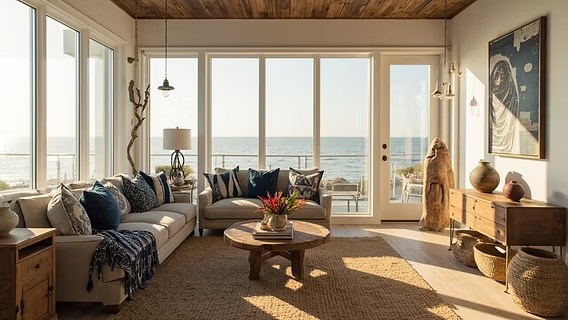
    Airflow, shade, durability, and indoor-outdoor living are not decorative choices—they are essential. Architecture and interiors in the region have evolved to respond to environment first, then form. Every building, space, and object carries lessons in logic, proportion, and adaptability.

    As global design increasingly prioritizes sustainability, context, and authenticity, Caribbean design resonates more strongly than ever. It is not a seasonal trend or style statement. It is a blueprint.

    Environmental Intelligence as Foundation

    Caribbean design begins with climate, not fashion.

    Buildings are oriented for cross-ventilation. Shading is integrated seamlessly. Materials endure sun, wind, and salt. Interiors extend naturally into the landscape. The result is structures that feel both comfortable and responsive.

    This intelligence allows spaces to function effortlessly, reducing energy dependence and improving comfort. It also creates an aesthetic that feels inevitable rather than imposed. Form follows function—and in this context, function is cultural, environmental, and human.

    Authenticity Through Adaptation

    What global audiences often call “tropical style” rarely captures this depth.

    Caribbean spaces are not simply decorated with palms, rattan, or bright colors. They optimize for climate and lifestyle, reflecting lived experience rather than visual shorthand. Open-air living, modular rooms, and weathered surfaces express knowledge accumulated over generations.

    Authenticity emerges not from ornamentation, but from alignment with place. This is why the work feels contemporary even when techniques are decades old. It is modern because it works.

    Sustainability Built In

    Long before sustainability became a design mantra, Caribbean architecture embodied it.

    Durable materials, passive cooling, and energy-conscious layouts are not trends—they are necessities. These principles reduce waste, enhance resilience, and improve livability. Modern designers, both in the region and internationally, increasingly recognize Caribbean projects as exemplars of intelligent, functional, and responsible design.

    Interiors That Respond

    Interiors follow the same principles.

    Furniture, finishes, and layout respond to movement, light, and climate. Spaces are layered, breathable, and adaptable. Indoor-outdoor thresholds are seamless. Views are curated without feeling staged. Comfort is implicit; everything is placed with purpose.

    This approach contrasts sharply with interiors designed primarily for visual drama. Caribbean interiors feel alive because they are inhabited and tuned to the environment, not curated solely for display.

    A Blueprint, Not a Moment

    Caribbean design matters because it offers a framework for the future.

    The region demonstrates how environmental intelligence, cultural context, and practical needs can converge to create spaces that are sustainable, beautiful, and durable. Designers globally are beginning to look here not for motifs, but for methodology.

    It is a moment in recognition, yes—but the principles themselves are enduring. This is a design that will continue to teach, influence, and inspire long after trends pass.

    Closing Reflection

    Caribbean design is not fleeting or decorative.

    It is climate-smart, culturally rooted, and human-centered. Its influence reaches beyond region and trend, offering a model for spaces that feel effortless, enduring, and deeply aligned with their environment. In this quiet logic, Caribbean design has already set the standard.