


Taste does not announce itself.
It does not correct the room or ask to be understood.
It waits.
Quiet, Not Reactive
In a culture trained to express preferences loudly, taste has become confused with opinion. But real taste is quieter than that. It is not reactive. It does not need contrast to exist. It operates through selection, omission, and timing. Taste is what remains after explanation has been removed.
Editorial Confidence
For years, culture rewarded immediacy—trends surfaced, peaked, and disappeared in cycles too fast to develop depth. In that environment, defensiveness became common. People learned to justify their choices, contextualize their influences, and pre-empt criticism. Taste, however, does not survive justification. The more it explains itself, the more it dissolves. True taste is editorial, not argumentative.
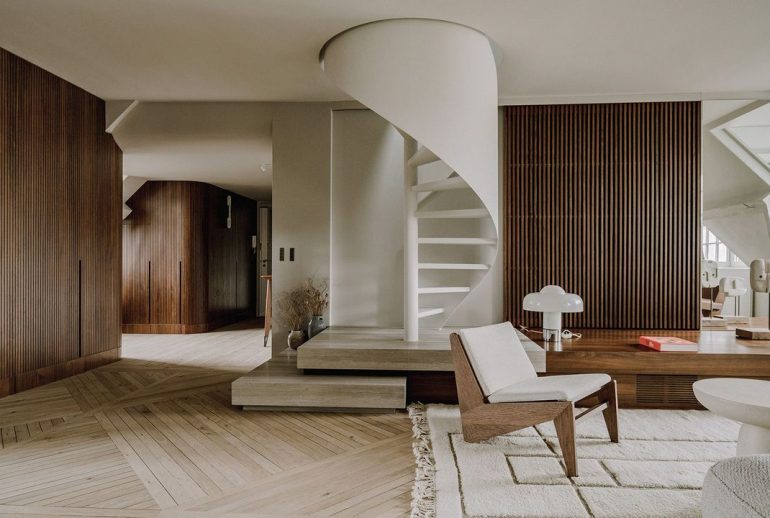
It shows up in how spaces are arranged, not how they are described. In what is worn repeatedly, not debuted once. In the decision to leave something unfinished because completion would cheapen it. Taste is the confidence to let coherence speak on its own timeline.
Proportion and Silence
To have taste is not to reject visibility—it is to understand proportion. What deserves attention. What benefits from silence. What gains power through repetition rather than novelty. Taste is less about knowing what is “good” and more about knowing when something is unnecessary. It is also why taste ages well.
Trends depend on recognition. Taste depends on alignment. One seeks approval in the present moment; the other accumulates meaning over time. When taste is real, it does not require updates. It adapts naturally because it was never chasing relevance to begin with.
Caribbean Context
In the Caribbean—and increasingly beyond—this understanding has always existed beneath the surface. Taste moved through households, rituals, and daily choices without needing cultural validation. It lived in how people hosted, dressed, cooked, and rested. It was practical, inherited, and instinctive.
Only recently has the wider world begun to notice that what reads as “effortless” is often deeply intentional.
Enduring Taste
Taste, at its highest level, is not about proving sophistication. It is about refusing noise. It is known that not everything benefits from explanation—and that clarity, when genuine, does not need defense. Taste waits because it can afford to.