Day: January 27, 2026

  • Taste, Explained Without Defensiveness

    Taste, Explained Without Defensiveness

    Taste does not announce itself.
    It does not correct the room or ask to be understood.
    It waits.

    Quiet, Not Reactive

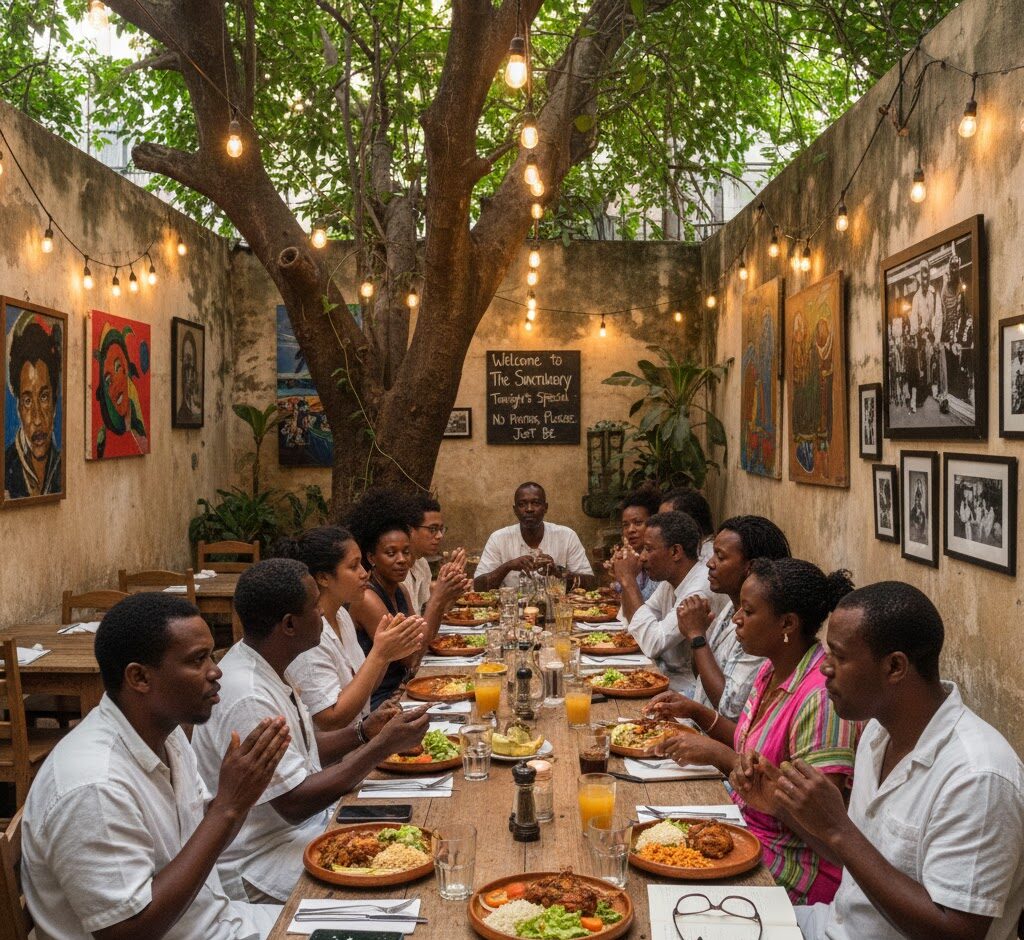
    In a culture trained to express preferences loudly, taste has become confused with opinion. But real taste is quieter than that. It is not reactive. It does not need contrast to exist. It operates through selection, omission, and timing. Taste is what remains after explanation has been removed.

    Editorial Confidence

    For years, culture rewarded immediacy—trends surfaced, peaked, and disappeared in cycles too fast to develop depth. In that environment, defensiveness became common. People learned to justify their choices, contextualize their influences, and pre-empt criticism. Taste, however, does not survive justification. The more it explains itself, the more it dissolves. True taste is editorial, not argumentative.

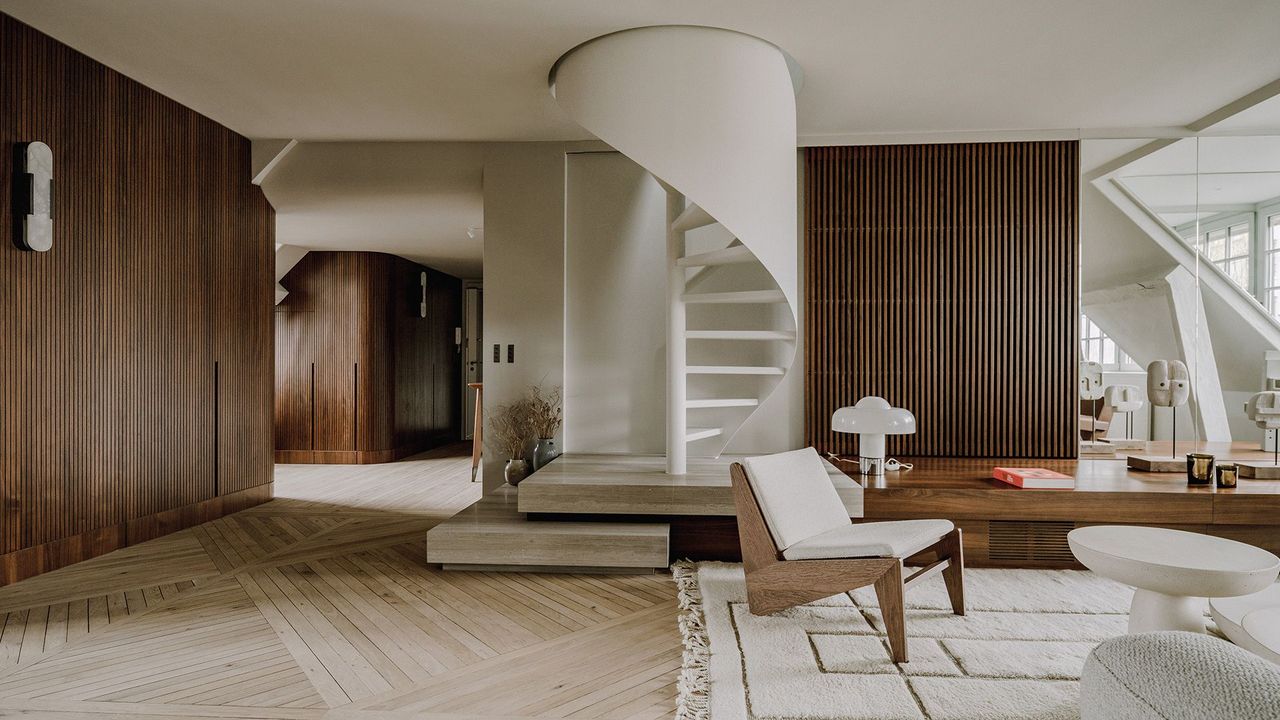
    It shows up in how spaces are arranged, not how they are described. In what is worn repeatedly, not debuted once. In the decision to leave something unfinished because completion would cheapen it. Taste is the confidence to let coherence speak on its own timeline.

    Proportion and Silence

    To have taste is not to reject visibility—it is to understand proportion. What deserves attention. What benefits from silence. What gains power through repetition rather than novelty. Taste is less about knowing what is “good” and more about knowing when something is unnecessary. It is also why taste ages well.

    Trends depend on recognition. Taste depends on alignment. One seeks approval in the present moment; the other accumulates meaning over time. When taste is real, it does not require updates. It adapts naturally because it was never chasing relevance to begin with.

    Caribbean Context

    In the Caribbean—and increasingly beyond—this understanding has always existed beneath the surface. Taste moved through households, rituals, and daily choices without needing cultural validation. It lived in how people hosted, dressed, cooked, and rested. It was practical, inherited, and instinctive.

    Only recently has the wider world begun to notice that what reads as “effortless” is often deeply intentional.

    Enduring Taste

    Taste, at its highest level, is not about proving sophistication. It is about refusing noise. It is known that not everything benefits from explanation—and that clarity, when genuine, does not need defense. Taste waits because it can afford to.
  • What It Means to Live Well Now

    What It Means to Live Well Now

    Living well is no longer aspirational.
    It is structural.

    Resilience over reach.
    Editing over accumulation.
    Alignment over optimization.

    Resilience Over Reach

    The culture of constant expansion has shifted.

    Living well today is measured by capacity to endure, adapt, and respond. It is not about stretching to acquire more experiences, possessions, or recognition. It is about sustaining balance across body, mind, and environment. The signals are subtle: energy maintained, focus preserved, presence uninterrupted.

    Editing Over Accumulation

    Less is not scarcity.

    Intentional removal—of objects, commitments, and distractions—creates space for meaning. Accumulation may impress temporarily. Editing endures. Choices are clear. Priorities, uncompromised.

    Alignment Over Optimization

    Optimization often demands attention and explanation.

    Alignment operates quietly. Life is structured around natural rhythms rather than external metrics. Work, rest, and leisure exist in proportion. Decisions follow clarity rather than obligation. The result is sophistication without performance.

    The Ocean Style Lens

    OCEAN Style observes well-being as infrastructure, not spectacle.

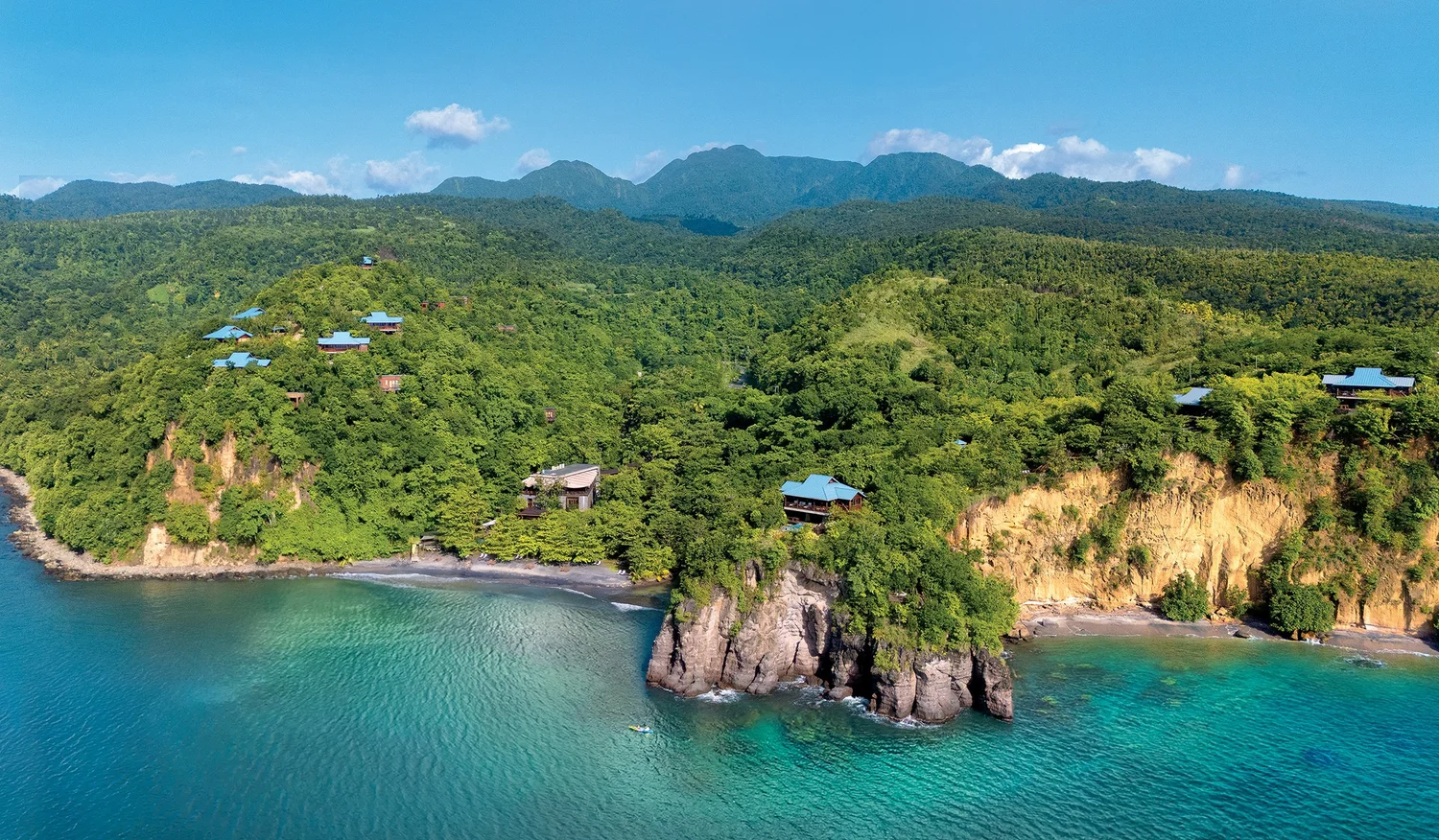
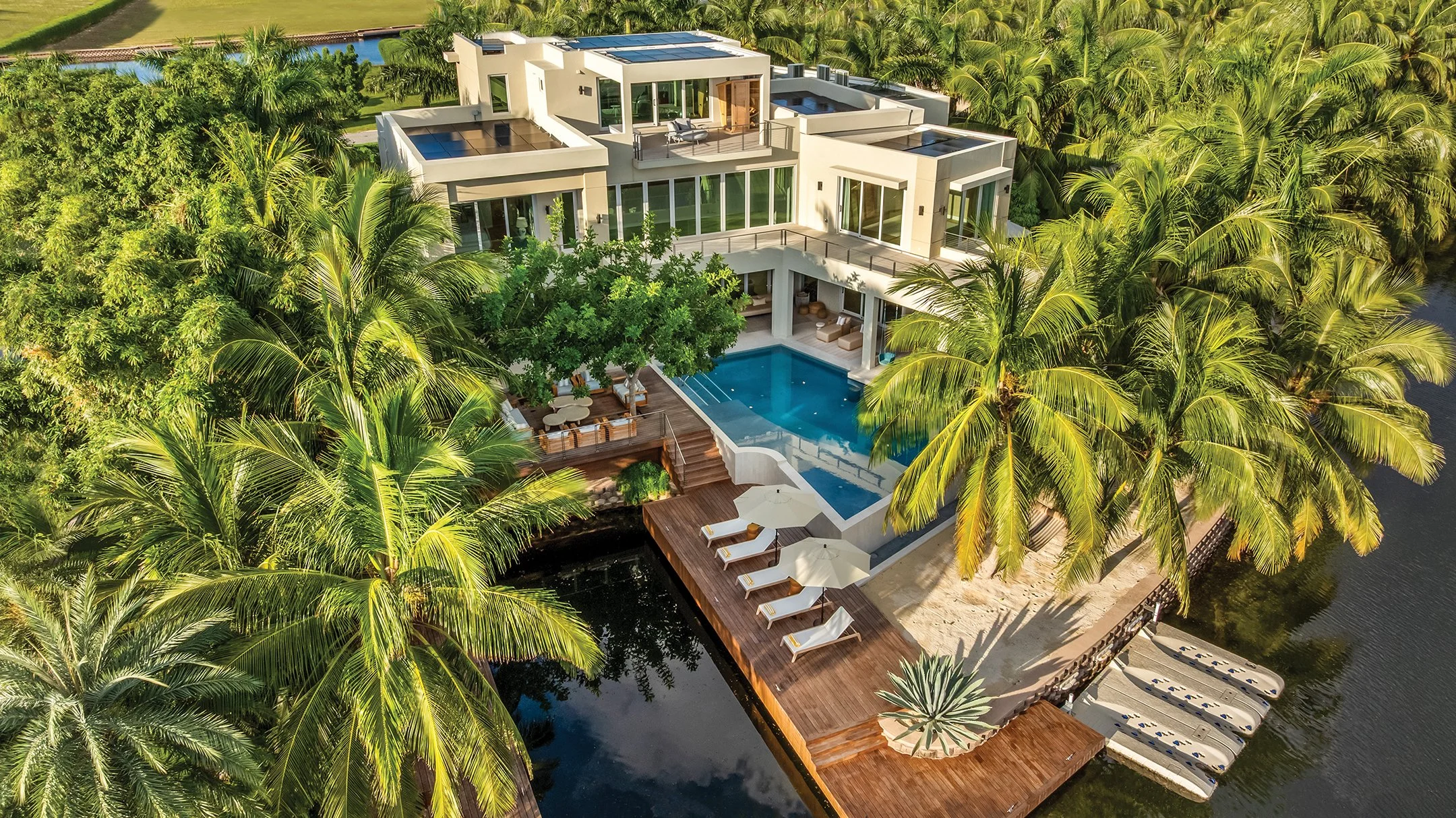
    Living well is not a moment. It is a system. It is embedded in rhythm, environment, and decision-making. The Caribbean context reinforces this: light, water, climate, and culture align naturally with practices that sustain energy, health, and composure.

    To live well now is to move through life without noise.
    It is confidence without declaration.
    It is structural.

  • Why Ocean Style Never Really Left

    Why Ocean Style Never Really Left

    Ocean Style did not disappear.
    It stopped announcing itself.

    This is continuity, not comeback.
    Taste waited.

    Confidence Without Announcement

    True style does not need explanation. It does not call attention to itself. Ocean Style has always operated in alignment with this principle—observing, curating, and reflecting culture from within rather than seeking validation from outside. Its presence is felt, not broadcast.

    Continuity Over Comeback

    Nothing here is new.
    Nothing is borrowed for effect.

    What may appear as a return is simply recognition of persistence. Standards remained. Rhythm endured. Discipline never paused. The world may have changed, but the principles that define Ocean Style—taste, restraint, and quiet authority—never left.

    Taste as Patience

    Taste waits.
    It observes.
    It allows context to settle before expressing itself.

    In a landscape crowded with spectacle, Ocean Style remains measured. Its influence is subtle, enduring, and legible only to those attuned to the signals that matter: proportion, quality, and alignment over noise.

    The Ocean Style Lens

    OCEAN Style speaks from the inside. It does not need to explain, prove, or perform. Its return is not a return at all—it is a reminder that sophistication, patience, and quiet cultural authority are continuous forces, always present for those who notice.

  • The Return of the Slow Morning

    The Return of the Slow Morning

    Nightlife once defined relevance.
    Mornings now define balance.

    The slow morning is rhythm, not routine. It is measured, intentional, and quietly powerful. In the Caribbean, mornings do not exist to prepare for life—they are life.

    Rhythm Over Schedule

    The slow morning resists clocks.

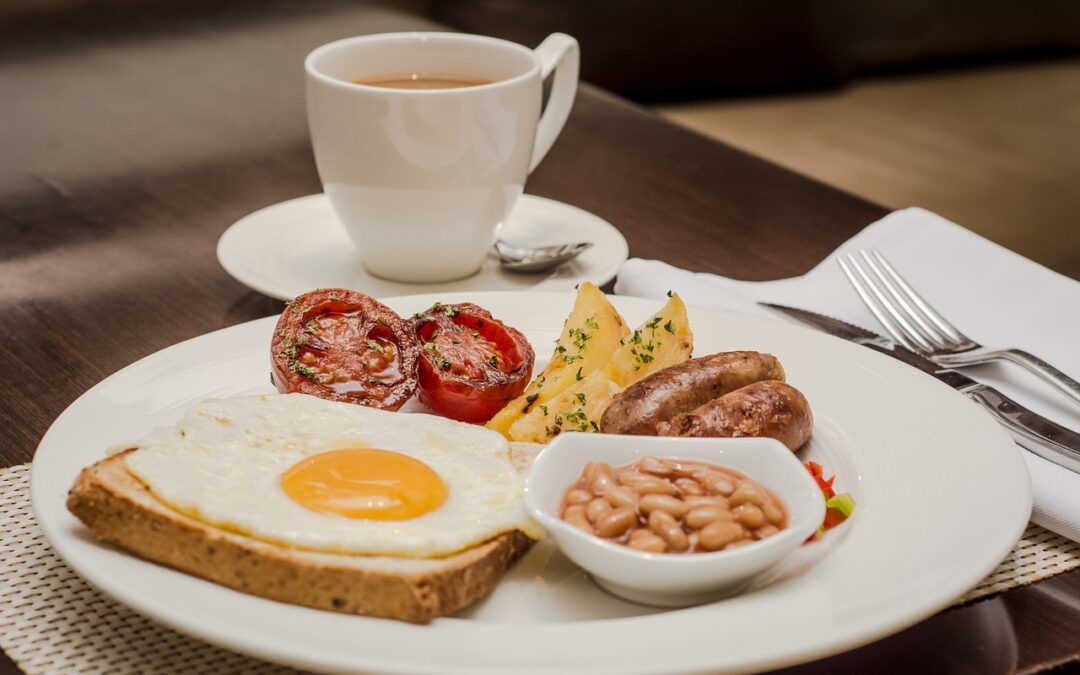
    Movement is gentle, deliberate. Light guides activity more than obligation. Breakfast is eaten when the body signals readiness, not when the timetable demands. Conversation flows naturally, without prompts. Decisions are limited. Presence is prioritized.

    This rhythm recalibrates the day before it begins in earnest. It fosters attention without effort, clarity without urgency.

    Space for Awareness

    Slow mornings allow observation.

    Ocean air, sunlight, and the ambient sounds of life settle the mind. Streets are empty enough for awareness to surface. The body notices temperature, texture, and tone. Nothing must be captured or shared; everything is registered internally.

    The space for reflection defines the sophistication of the day. Quietness is not absence. It is permission.

    Caribbean Mornings as Infrastructure

    In the Caribbean, mornings are designed by culture, not design.

    Shadows, tides, and trade winds set the pace. Markets, beaches, and streets operate according to natural rhythm. Life is measured in activity and stillness, not hours. Wellness and restoration are embedded in this cadence, shaping behavior without instruction.

    The slow morning is a practice of balance—an inherited infrastructure that aligns environment, body, and mind.

    Presence Without Performance

    Mornings are free from display.

    No need to impress, post, or explain. Energy is reserved, not broadcast. Habits establish continuity and personal calibration. The slow morning signals confidence by omission rather than declaration.

    The Ocean Style Lens

    OCEAN Style observes mornings as culture, not schedule.

    The slow morning teaches that sophistication is not in speed, visibility, or accumulation. It is in rhythm, awareness, and unforced alignment. Luxury arrives when life unfolds without commentary.

    In this quiet, mornings become their own reward.

  • 23 Things That Ruin a “Luxury” Experience (and Nobody Says It)

    23 Things That Ruin a “Luxury” Experience (and Nobody Says It)

    Luxury is more fragile than most brands admit.
    It is not broken by mistakes as much as by misjudgment. The fastest way to lose it is to try too hard to prove it exists.

    Most luxury failures are subtle. They accumulate. A tone slightly off. A pause too short. An explanation offered where none was needed. What’s lost is not comfort, but trust—the feeling that someone has already thought things through on your behalf.

    When luxury needs justification, it has already slipped.

    Below are the quiet fractures that undo it.

    1. Overexplaining the experience
      Refinement assumes intelligence. Narration interrupts immersion.
    2. Forced friendliness
      Warmth is felt, not performed. Over-familiarity reads as insecurity.
    3. Being rushed
      Urgency signals mismanagement, not efficiency.
    4. Spaces designed for photos, not people
      If comfort is secondary to optics, luxury collapses quickly.
    5. Too many rules
      Luxury feels permissive. Policing destroys ease.
    6. Scripted staff language
      Rehearsed warmth replaces presence.
    7. Excessive branding
      Confidence doesn’t repeat its own name.
    8. Noise without intention
      Sound should support atmosphere, not dominate it.
    9. Artificial scarcity
      Manufactured exclusivity feels manipulative, not rare.
    10. Overdesigned details
      Precision outperforms decoration every time.
    11. Constant check-ins
      Attention should be available, not intrusive.
    12. Explaining value instead of delivering it
      Worth is sensed immediately. Words are redundant.
    13. Inconsistent pacing
      Luxury has rhythm. Disruption feels careless.
    14. Trend chasing
      Relevance ages faster than standards.
    15. Crowds without flow
      Density without choreography feels chaotic.
    16. Overly theatrical service
      Performance replaces sincerity.
    17. Menus that require translation
      Clarity is a form of respect.
    18. Technology that interrupts presence
      Convenience should disappear once it works.
    19. Too many choices
      Editing is generosity. Excess is abdication.
    20. Predictability disguised as reliability
      Consistency should not feel mechanical.
    21. A sense of being sold to
      Luxury never persuades. It allows.
    22. Lack of privacy
      Discretion is not a feature. It is the foundation.
    23. Needing to prove it’s luxury
      If it has to announce itself, something is missing.

    The Ocean Style Lens

    What unites these failures is not cost or scale, but anxiety. The anxiety to impress. To control. To be validated. Luxury, at its most convincing, is calm because it is prepared. Nothing is urgent because nothing is unfinished.

    The most sophisticated experiences do not compete for attention. They do not explain their logic. They trust that the right people will recognize the difference without guidance.

    This is why true luxury often feels quiet, even understated. Not minimal, but measured. Not sparse, but edited. Everything present has earned its place. Everything absent has been deliberately removed.

    In the Caribbean—and in other cultures where rhythm, heat, and proximity shape daily life—this understanding has always existed. Luxury is not spectacle. It is freedom from friction. The ability to move without interruption. To sit without being managed. To enjoy without documenting.

    When luxury works, you don’t notice it happening.
    You notice what isn’t happening.

    No pressure.
    No performance.
    No explanation.

    That absence is not emptiness.
    It is mastery.

    And once you experience it, anything louder feels unfinished.

  • Caribbean Style Is Quiet Again

    Caribbean Style Is Quiet Again

    Caribbean style never disappeared.
    It stopped performing.

    The language of clothing here has always favored substance over spectacle. Fabric matters more than branding. Silhouette matters more than statement. Restraint itself becomes the signal.

    Confidence in Quiet

    The return to quiet style is not a reaction. It is maturity.

    Confidence no longer needs amplification. It resides in proportion, in choices that feel inevitable rather than deliberate. A well-cut shirt in breathable cotton, a hand-selected accessory, the right footwear for movement—all communicate without explanation.

    Style becomes infrastructure rather than decoration.

    Context Over Trend

    Caribbean fashion has always been climate-smart. Light fabrics, layered sensibly, designed for wind, sun, and activity. Comfort is not indulgence. Ease is intelligence. The world may rename it “resort wear” or “tropical chic,” but locally it has always been about adaptation and rhythm.

    Trends arrive. Context endures.

    Restraint as Language

    Less is not minimalism. Less is literacy.

    A quiet outfit speaks in syllables of proportion and color, not in logos or repetition. Patterns are chosen deliberately, not for display. Color aligns with mood, not attention. Fabric ages gracefully. Clothing lives in dialogue with the body and environment.

    This is how Caribbean style signals authority without performance.

    The Ocean Style Lens

    OCEAN Style observes style as culture, not marketing.

    What matters is not what the world sees. It is how style sustains identity, facilitates movement, and ages with integrity. The quiet return of Caribbean fashion reveals that true sophistication has never needed witnesses.

    Style is not announced.
    It is understood.

  • The Wellness Underground: What’s Moving Quietly, and Why

    The Wellness Underground: What’s Moving Quietly, and Why

    The most interesting wellness shifts are not loud.

    They are not launching with new terminology or visual identities. They are not optimized for virality. They move laterally, through behavior rather than announcement. What is changing now feels less like innovation and more like maturity.

    The wellness underground is not a counterculture.
    It is a correction.

    From Experimentation to Maturity

    Early wellness culture rewarded novelty.

    New protocols. New extremes. New claims. Optimization became a performance, and the body a project. The goal was improvement, often without regard for sustainability.

    That phase is closing.

    What is replacing it is quieter and more disciplined. Fewer interventions. Longer timelines. A growing respect for limits. Wellness is no longer framed as something to chase. It is something to maintain.

    Maturity favors what can be practiced consistently. Not what looks impressive once.

    Responsibility Enters the Conversation

    A notable shift is ethical awareness.

    People are asking harder questions about sourcing, dosage, context, and consequence. About whether certain practices are appropriate for everyone, everywhere. About what is borrowed, and what is understood.

    This responsibility changes tone. It slows adoption. It introduces restraint.

    Wellness that requires constant escalation begins to feel irresponsible. Wellness that respects boundaries reads as sophisticated.

    Community Over Individual Optimization

    The underground shift also moves away from isolation.

    Wellness has long been marketed as individual achievement. Personal routines. Private metrics. Singular transformation. But regulation does not occur in a vacuum.

    Community is re-entering the frame. Shared meals. Group movement. Collective rest. Environments that support nervous systems without instruction.

    This does not look like wellness branding. It looks like daily life structured with care.

    The Caribbean Context

    The Caribbean has always practiced contextual wellness.

    Not as an industry, but as lived rhythm. Climate, culture, and necessity shaped habits long before they were named. Movement integrated into routine. Rest normalized. Plant knowledge respected but not dramatized.

    Wellness here is not extracted from daily life. It is embedded within it.

    This is why many of the quieter global shifts mirror practices that already exist in the region. The Caribbean did not pivot toward wellness. It never left it.

    Why Quiet Matters Now

    Noise has become the clearest indicator of immaturity.

    As wellness became commercialized, it grew louder. Claims multiplied. Language inflated. The result was fatigue. Skepticism. Burnout disguised as self-care.

    The underground responds by lowering volume. By removing urgency. By allowing practices to speak through results rather than promises.

    Quiet is not absence.
    It is confidence without witnesses.

    The Ocean Style Lens

    OCEAN Style pays attention to what stabilizes, not what spikes.

    The wellness underground is not about rebellion. It is about responsibility. About practices that can live inside real lives, real communities, and real environments.

    The Caribbean’s contribution is not trendsetting.
    It is proof of concept.

    What moves quietly now is what lasts.

  • 19 Small Upgrades That Make Travel Feel Like Luxury

    19 Small Upgrades That Make Travel Feel Like Luxury

    Luxury in travel is not expense.
    It is preparation.

    It shows up before departure, during transit, inside the room, and after return. Not as accumulation, but as removal. Of friction. Of noise. Of unnecessary decisions.

    Luxury is subtraction.

    Before Travel

    1. Edit the itinerary
    One fewer stop changes the entire trip. Space is the upgrade.

    2. Choose flights by timing, not price
    Arriving rested costs less than recovering later.

    3. Pack fewer items than you think you need
    Weight drains attention. Lightness restores it.

    4. Standardize your travel uniform
    Decision fatigue begins before the airport.

    5. Prepare the first night only
    Knowing where you’ll eat and sleep anchors the arrival.

    In Transit

    6. Arrive earlier than necessary
    Rushing is the loudest expense.

    7. Sit where boarding is simplest
    Ease beats marginal comfort.

    8. Eat lightly before flying
    Digestion sets the tone.

    9. Keep devices charged without improvisation
    Cables should never be a question.

    10. Read something unproductive
    Information is not rest.

    At the Destination

    11. Walk before unpacking
    Orientation precedes organization.

    12. Unpack immediately
    Living out of a bag keeps the mind unsettled.

    13. Adjust lighting first
    Brightness shapes mood faster than decor.

    14. Set a personal quiet hour
    The day should not consume itself.

    15. Learn one local rhythm
    A market time. A morning walk. A pause others respect.

    In the Room

    16. Remove visual clutter
    Surfaces should breathe.

    17. Control temperature deliberately
    Sleep quality defines the stay.

    18. Protect mornings from intrusion
    No alerts. No schedules. Just alignment.

    After Return

    19. Leave space before re-entry
    Luxury continues when the trip ends gently.

    The Ocean Style Lens

    These upgrades do not announce themselves.
    They reduce demand.

    Travel feels luxurious when it supports presence instead of managing logistics. When the body arrives before the itinerary. When nothing asks to be explained.

    Luxury is not what you add to travel.
    It is what you no longer carry.

  • Why Wellness Became the New Social Currency

    Why Wellness Became the New Social Currency

    Status used to announce itself.
    Today, it regulates itself.

    As a visibility-saturated culture, signaling lost value. The louder the display, the less persuasive it became. In its place, a different marker of sophistication emerged—one that does not perform for attention. Wellness.

    Not as aesthetic. Not as a narrative. As a condition.

    Wellness became social currency because the world grew louder, faster, and more extractive. Regulation replaced excess as the clearest sign of discernment.

    From Display to Regulation

    Earlier forms of status depended on external proof. Objects, access, documentation. They required witnesses.

    Wellness operates differently. It is legible through behavior rather than declaration. Energy levels. Presence. Boundaries. The ability to move through environments without visible depletion.

    This shift reflects a broader recalibration. When stress becomes ambient, the capacity to remain steady becomes rare. Those who manage their nervous systems quietly signal control without explanation.

    The currency is not what is owned.
    It is how one arrives.

    Wellness as Preventive, Not Corrective

    Wellness has matured.

    What was once framed as recovery is now understood as maintenance. Less about fixing damage. More about preventing imbalance before it accumulates.

    Sleep is protected. Schedules are edited. Consumption is selective. Stimulation is moderated. These choices read as restraint rather than restriction.

    The most sophisticated approach to wellness is unremarkable. It does not interrupt life. It supports it.

    The Caribbean Advantage

    The Caribbean’s advantage is not innovation. It is an environment.

    Wellness here is ambient. Sunlight regulates circadian rhythm. Ocean air shifts breath patterns. Movement is integrated into daily life. Rest is culturally legible.

    This does not mean the region is untouched by burnout or pressure. It means the baseline conditions support recalibration more naturally. Wellness does not need constant framing because it is already embedded.

    Plant knowledge, traditional remedies, and ritual practices sit within this ecosystem as cultural tools, not trends. They are used selectively. Quietly. Without promise.

    Social Currency Without Performance

    Wellness holds value precisely because it resists performance.

    There is no clear way to display it convincingly. Overstatement undermines credibility. Excessive signaling reads as compensation.

    True regulation is visible only over time. Inconsistency. In how someone responds under pressure. In how they move through crowded spaces without absorbing chaos.

    This durability is what makes wellness credible as currency. It cannot be acquired quickly. It must be practiced.

    A New Measure of Sophistication

    As traditional status markers flatten, attention shifts toward internal conditions.

    Who sleeps well.
    Who moves with ease.
    Who listens without urgency.
    Who leaves without explanation.

    These qualities are not glamorous. They are stable. And stability, in an overstimulated culture, reads as power.

    The Ocean Style Lens

    OCEAN Style observes wellness not as an industry, but as signal.

    We pay attention to how regulation replaces display. How maintenance outperforms correction. How environments shape behavior more effectively than instruction.

    Wellness became the new social currency because it cannot be faked loudly.

    And because, in a noisy world, calm carries weight.

  • Where Jamaica’s Creative Class Actually Eats

    Where Jamaica’s Creative Class Actually Eats

    Jamaica’s creative class does not eat where attention gathers.
    It eats where rhythm holds.

    These are not places chosen for status or discovery value. They are chosen for consistency, discretion, and how they allow conversation to unfold without interruption. Food matters, but atmosphere matters more. The meal is part of the workday, not a performance break from it.

    To understand where Jamaica’s creative class eats, you have to understand how they move.

    Familiarity Over Novelty

    Creative people in Jamaica are not chasing what is new. They are returning to what works.

    They favor places that do not need reinvention. Rooms that look the same year after year. Menus that shift slightly but never dramatically. Staff who recognize faces without ceremony.

    This familiarity creates ease. Decisions disappear. Energy stays focused. The meal supports the day rather than interrupting it.

    Novelty requires attention. Familiarity returns it.

    Rooms That Allow Thinking

    The preferred spaces are rarely loud.

    Sound matters. So does light. Seating that encourages lingering is chosen over tables designed for turnover. These rooms allow notebooks to stay open. Phones to stay down. Conversations to deepen without competing with music or spectacle.

    Many of these places are modest by design. Nothing signals exclusivity, yet the room fills with people who build culture quietly: designers, writers, musicians, architects, producers.

    The environment does not announce importance. It supports it.

    Food That Grounds, Not Distracts

    The food itself follows the same logic.

    Meals are satisfying but not heavy. Flavor is clear, not theatrical. Portions respect the rest of the day. Nothing arrives requiring explanation or documentation.

    The creative class eats to sustain pace. To reset. To ground.

    This is why traditional formats endure. Soups. Rice-based meals. Simply prepared proteins. Food that has always been part of daily life, prepared with care rather than reinterpretation.

    The point is nourishment, not commentary.

    Time as a Shared Understanding

    These meals are rarely rushed.

    Lunch may stretch. Breakfast might drift into late morning. The pace adjusts to conversation, not the clock. There is an unspoken agreement that time spent here is productive, even if nothing visible is produced.

    Ideas surface when pressure dissolves. Decisions soften. Trust forms.

    Eating, in this context, is not leisure. It is infrastructure.

    Discretion as a Social Code

    Perhaps most importantly, these places protect privacy.

    No one is watching. No one is documenting. Presence is assumed, not displayed. This discretion allows creative people to exist without managing perception.

    The room becomes a neutral ground. Hierarchies flatten. Roles blur. What matters is contribution, not visibility.

    This is why these spaces remain relevant. They do not chase audiences. They serve communities.

    The Ocean Style Lens

    OCEAN Style does not map Jamaica’s creative class through hotspots.

    It observes patterns. Habits. The quiet systems that support cultural production over time.

    Where Jamaica’s creative class actually eats reveals how it values rhythm over recognition, continuity over novelty, and substance over spectacle.

    The most important meals are rarely the loudest ones.
    They are the ones who allow the work to continue.