

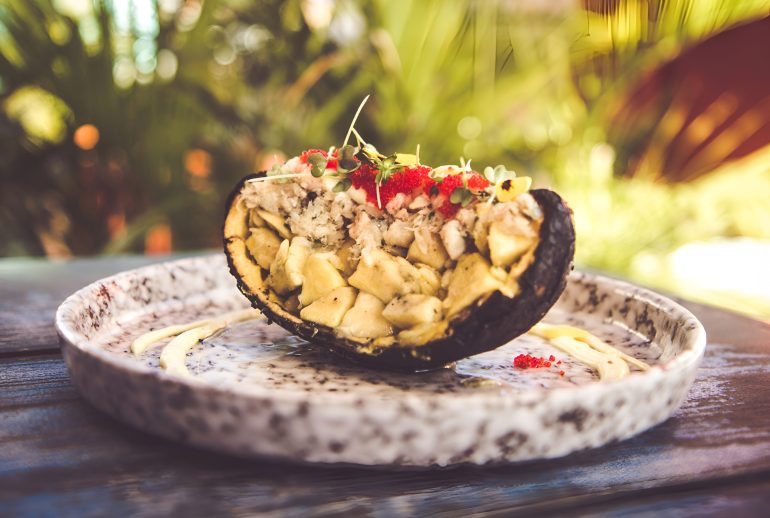
A New Era for Caribbean Cuisine
Caribbean cuisine has long been one of the world’s most vibrant culinary traditions. Across the islands, African, Indian, European and Indigenous influences intersect to produce a food culture shaped by migration, climate and history.
For much of the twentieth century that complexity was often simplified internationally. Caribbean food was celebrated for bold flavor and warmth, yet rarely discussed with the same seriousness granted to other global culinary traditions.
That perception is beginning to change.
Across Jamaica, Trinidad, Barbados and the wider Caribbean, a new generation of chefs is redefining how Caribbean cuisine is understood. Rather than replicating international dining trends, these chefs draw directly from local ingredients and culinary traditions while applying the discipline of modern Caribbean gastronomy.
The result is a culinary movement that feels both deeply rooted and unmistakably contemporary.
Regional Ingredients at the Center of Caribbean Gastronomy
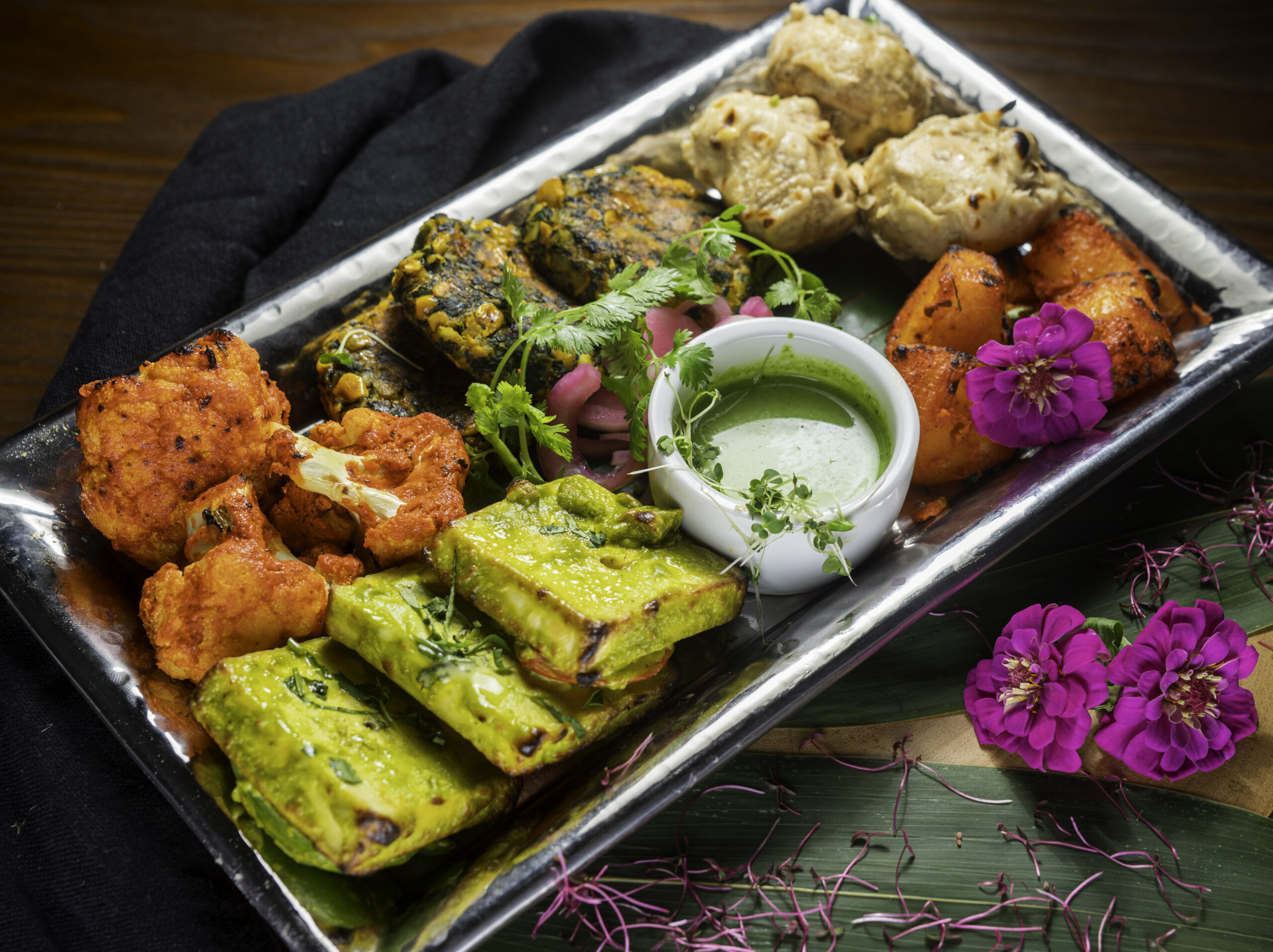
One defining element of this shift is a renewed focus on regional Caribbean agriculture. Caribbean kitchens have always relied on remarkable natural diversity: breadfruit, cassava, callaloo, sorrel, tamarind, coconut and an abundance of seafood harvested from surrounding waters. What is evolving is the way those ingredients are framed.
Instead of appearing only in traditional preparations, they are now incorporated into dishes that emphasize both origin and technique. Breadfruit may be roasted and paired with delicate seafood. Tamarind may anchor sauces with refined acidity. Local herbs and spices are treated with the same precision found in contemporary European kitchens. The result is a modern Caribbean cuisine movement that elevates familiar ingredients without disconnecting them from their cultural origins.
The Global Experience Shaping Modern Caribbean Chefs
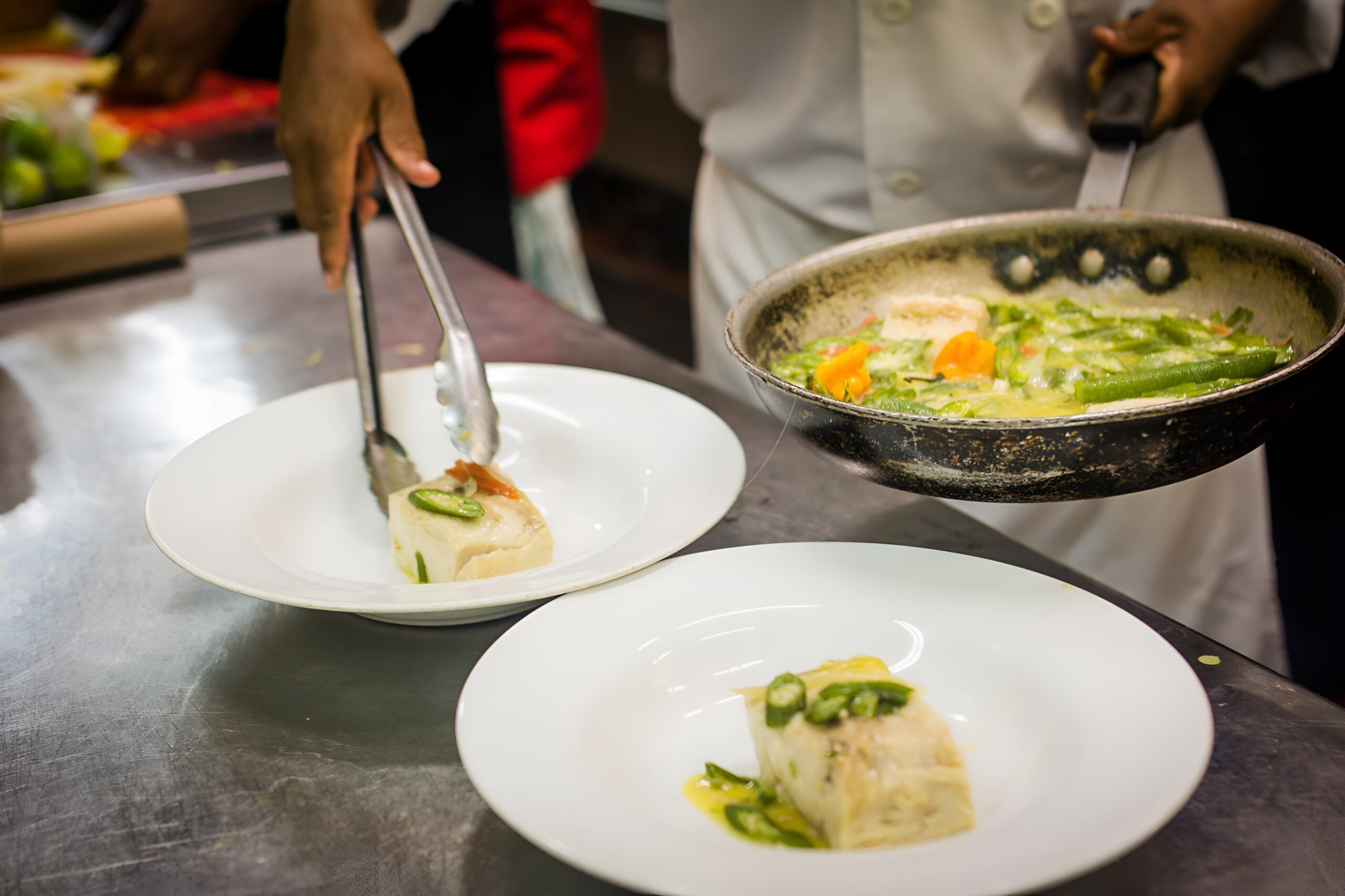
Technique is evolving alongside sourcing. Many chefs shaping the region’s culinary future trained abroad before returning home. Experience gained in restaurants across London, New York and Paris becomes a tool for refining the traditions they grew up with rather than replacing them.
Restaurants throughout the Caribbean increasingly treat regional cuisine as a living language rather than a static heritage. Menus shift with the seasons. Local farmers and fishermen become collaborators. Dishes are constructed with attention not only to flavor but also to narrative.
Food becomes a form of cultural authorship.
“A new generation of chefs is redefining Caribbean cuisine through technique, storytelling and regional ingredients.”
Caribbean Culinary Culture and the Importance of Place
Travelers moving through the Caribbean today encounter a dining landscape markedly different from the one that existed a generation ago. Small restaurants tucked into coastal towns or hillside communities produce meals that rival those found in far larger culinary capitals.
The experience is not simply about technique. It is about context. A bowl of callaloo carries the legacy of African migration and agricultural resilience. A plate of grilled snapper reflects the rhythms of coastal fishing communities and family kitchens across the islands. Food tells a story of movement, survival and creativity.
The Rise of Contemporary Caribbean Restaurants
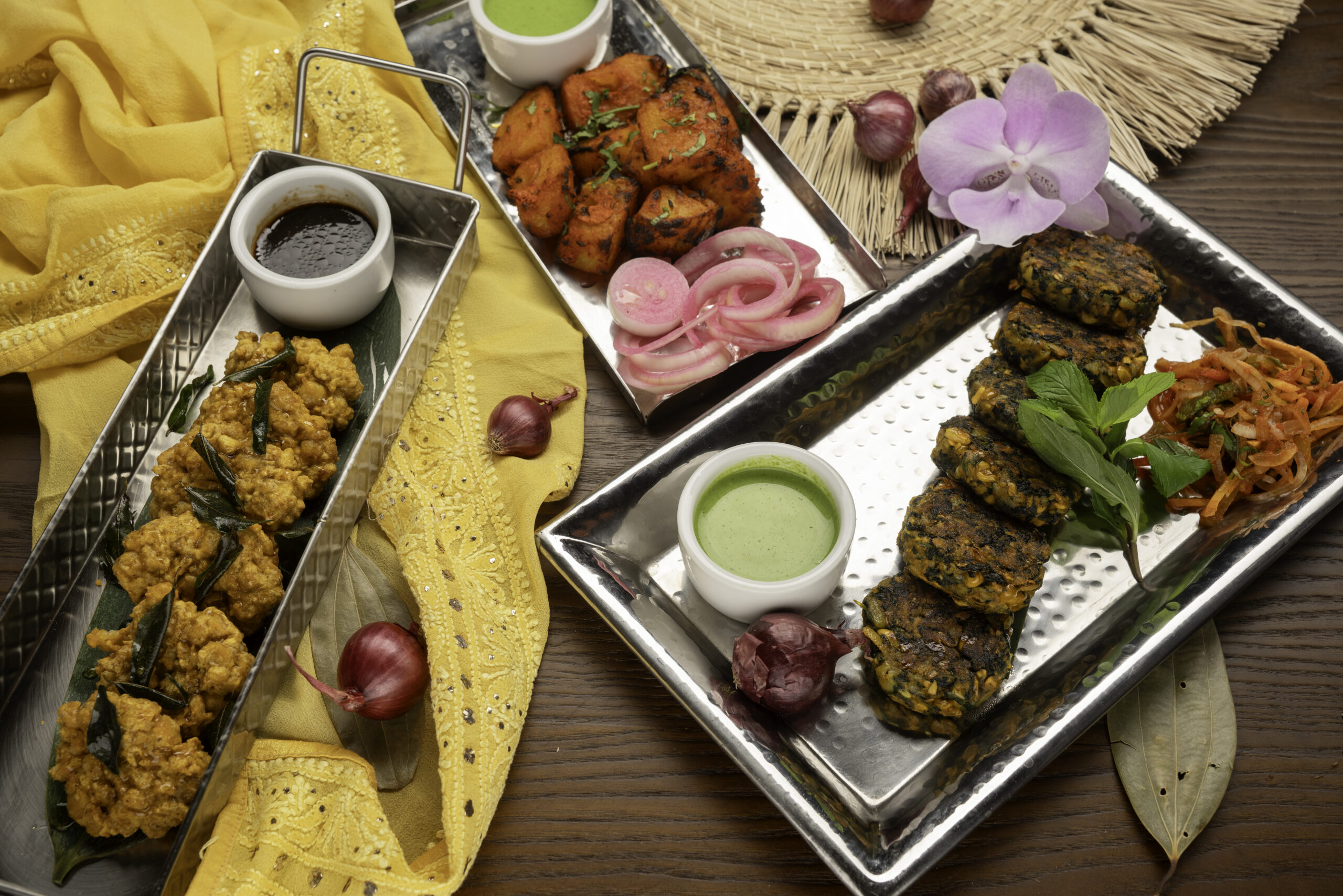
As Caribbean chefs continue to refine their craft, the region’s culinary identity is entering a new era of clarity. Rather than adapting to international expectations, these chefs are defining their own narrative.
Caribbean cuisine is no longer framed as a colorful curiosity within global dining. It is increasingly recognized as one of the world’s most historically layered and culturally expressive culinary traditions. Restaurants across the region now treat Caribbean gastronomy with the seriousness and creativity long associated with global culinary capitals.
The Future of Caribbean Cuisine
A new generation of chefs is reshaping how the world understands Caribbean food. Instead of imitation, there is authorship. Instead of nostalgia, there is evolution.
The future of Caribbean cuisine lies in honoring tradition while refining its presentation. Regional ingredients remain central. Technique continues to evolve. Cultural storytelling remains inseparable from the plate. Across the islands, a culinary renaissance is quietly unfolding — one that positions the Caribbean not as an influence on global cuisine, but as one of its defining voices.
“The future of Caribbean food lies in honoring tradition while refining its presentation.”