


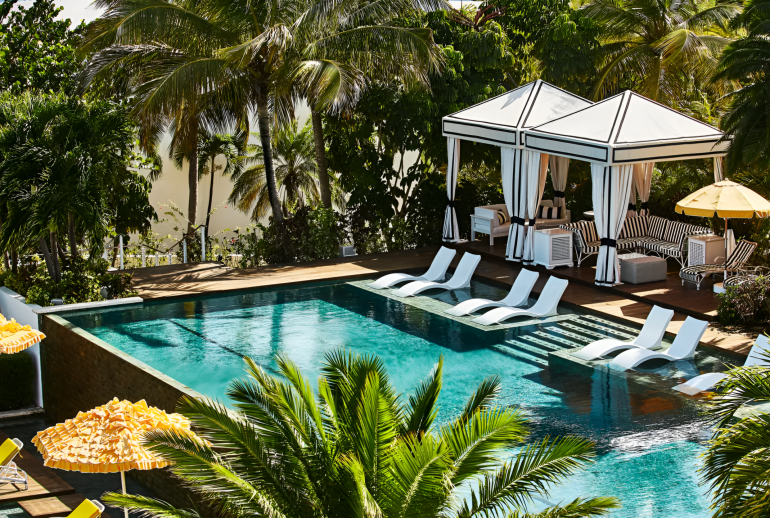
Something has shifted in Caribbean hospitality.
Not loudly. Not abruptly. But with intention.
Across the region, the most satisfying luxury hotel experiences are no longer defined by size or scale. They are unfolding in smaller, design-led hotels that favor rhythm over spectacle, clarity over excess, and human experience over volume.
These properties are not alternatives to luxury.
They are refinements of it.
This is not a trend.
It is a recalibration.
When Big Luxury Stopped Feeling Definitive
For years, luxury travel in the Caribbean followed a familiar formula. Bigger footprints. More amenities. More promises made upfront. Resorts were engineered to impress on arrival and manage expectations afterward.
That approach still functions.
But it no longer feels conclusive.
Scale introduced distance—between guest and place, between staff and decision-making, between experience and specificity. Service became procedural. Design became transferable. Being somewhere extraordinary began to feel suspiciously like being anywhere.
Nothing was overtly wrong.
But very little felt considered.
Travelers noticed.
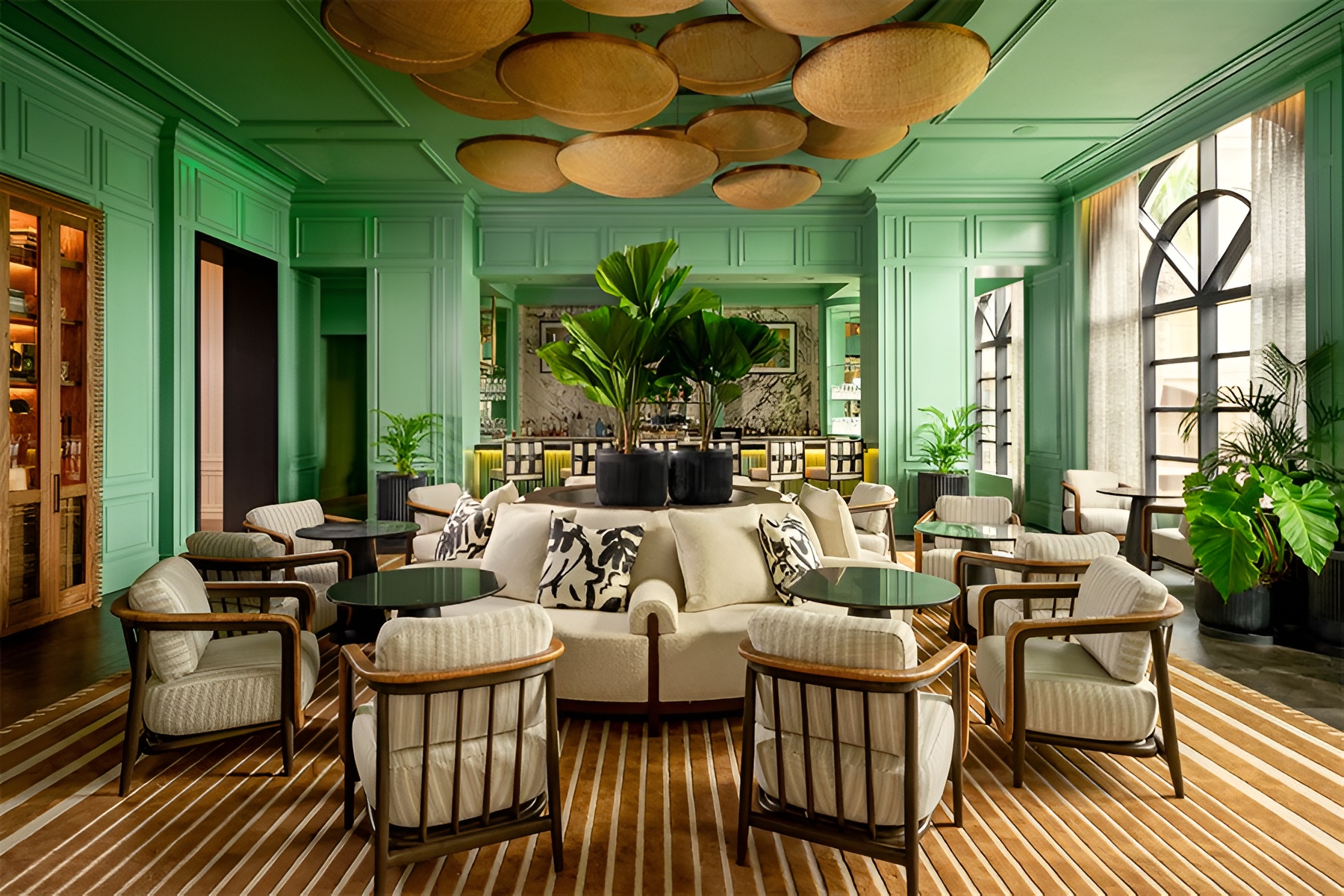
Why Smaller Hotels Deliver Better Luxury Experiences
Smaller hotels operate differently because they can.
They are not built to satisfy thousands at once or justify themselves through spectacle. Decisions are made closer to the ground, closer to the guest, and closer to the place they inhabit.
As a result, choices feel sharper.
Rooms are designed for comfort rather than turnover. Materials are selected rather than standardized. Light, sound, and space are treated as essential elements, not finishing touches. Silence is allowed to exist.
This is where luxury begins to feel physical again.
Human-Scale Service, Not Scripted Hospitality
Service changes when scale changes.
In smaller luxury hotels, warmth is not performed. It is situational. Staff remember patterns rather than preferences logged in a system. Conversations respond to the moment rather than a script. Adjustments happen naturally, without policy intervening.
The experience feels responsive instead of managed.
Most importantly, these hotels move at the pace of their surroundings instead of overriding them. They do not extract energy from the place. They settle into it.
That difference is felt immediately.
Caribbean Boutique Hotels as Proof, Not Profiles
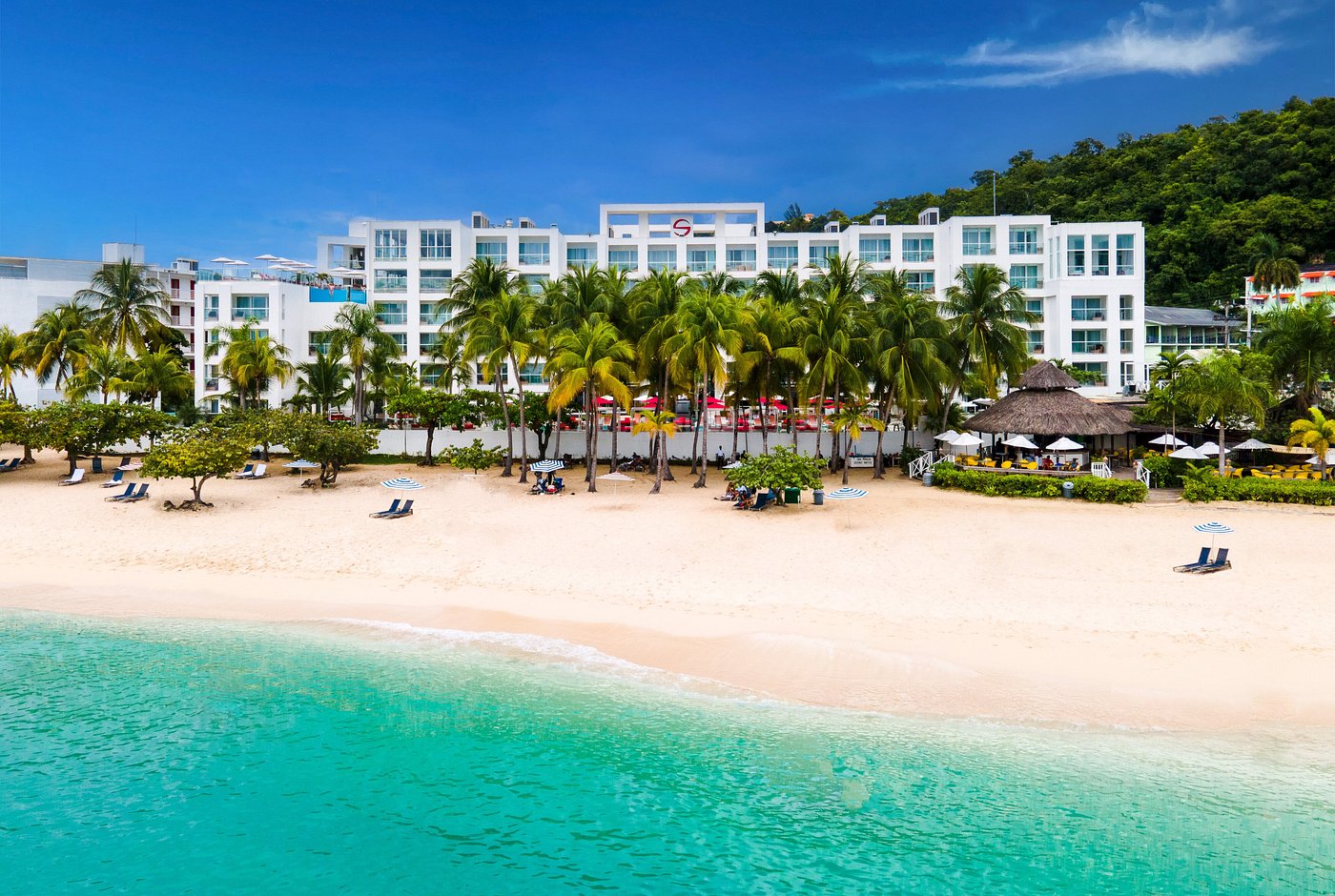
Consider S Hotel Montego Bay.
Its success is not rooted in size, but in clarity. The property understands its environment and designs in conversation with it rather than in competition. Social spaces feel alive without feeling crowded. Calm exists without becoming inert. Guests return not for novelty, but for familiarity done well.
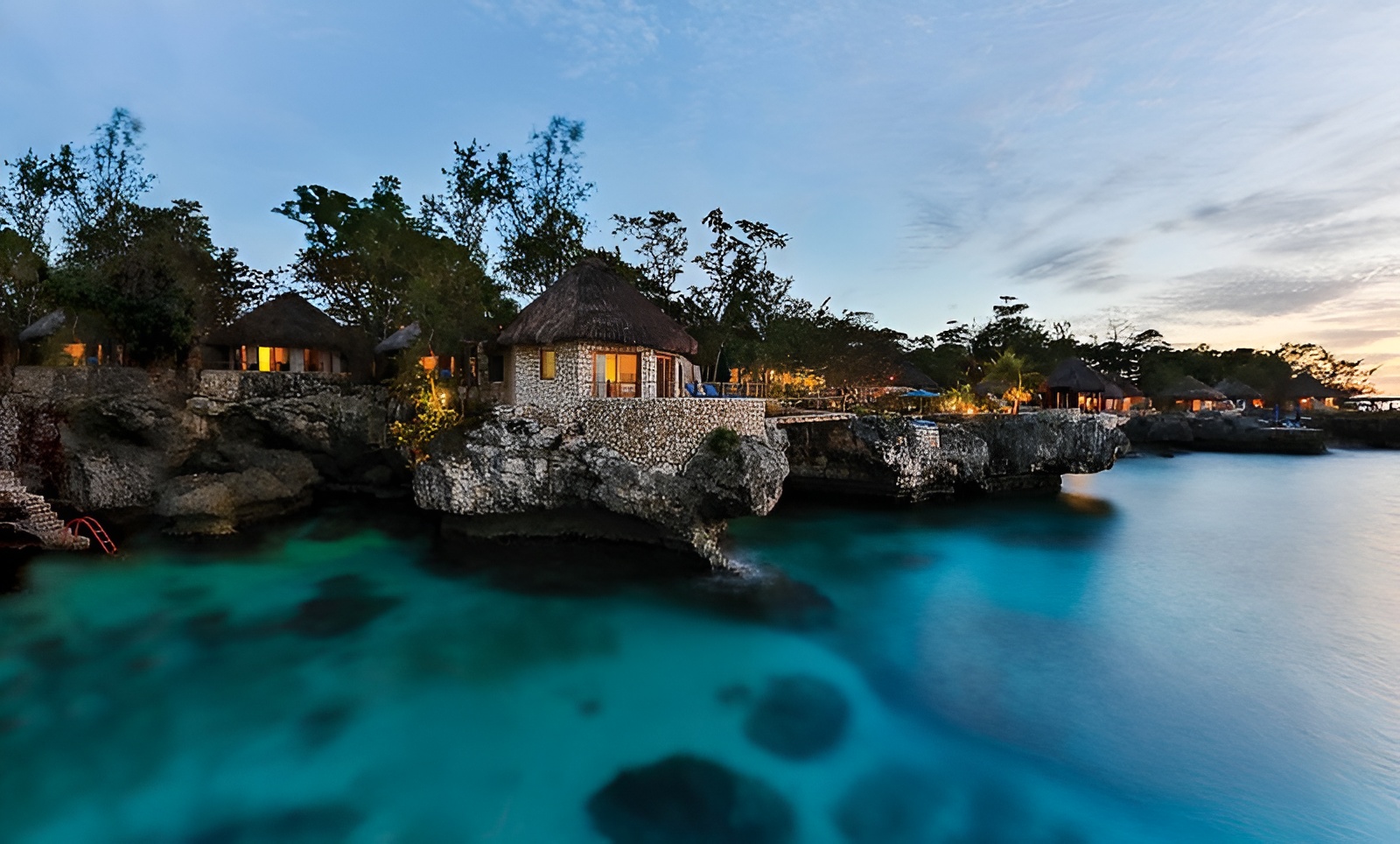
In Negril, Rockhouse demonstrates how restraint becomes luxury. The cliffside setting is dramatic, yet never exploited. Architecture frames the landscape instead of dominating it. The hotel moves with the day rather than choreographing it.
Further east, Geejam offers privacy without isolation. Its small scale allows guests to disappear without feeling managed. Music, food, and setting exist in quiet dialogue rather than as branded moments.
Then there is GoldenEye—a property that predates most modern hospitality frameworks and has never felt compelled to adopt them. Its appeal lies in continuity. Nothing feels designed for consumption. The experience rewards those willing to meet it on its own terms.
These hotels are not similar in style.
They are aligned in philosophy.
Why Travelers Keep Choosing Smaller Luxury Hotels
The clearest signal is repetition.
Guests return to smaller hotels because the experience remains legible. The rhythm of the day is intuitive. Choice fatigue disappears. Presence replaces stimulation. There is nothing to decode and nothing to perform.
Travelers are also more sensitive now to how travel feels, not just how it looks. Scale, impact, and tone matter more than ever. Places that feel intentional rather than extractive hold attention longer.
Smaller hotels offer that quietly.
What This Shift Means for Caribbean Travel
This movement is not anti-resort.
It is anti-excess.
The Caribbean does not need louder luxury or bigger statements. It benefits from places that understand context, proportion, and restraint—hotels that reflect the region itself: layered, adaptive, and grounded in lived culture rather than presentation.
The future of Caribbean hospitality will not be defined by how much is added.
It will be shaped by what is edited away.
Space will matter more than scale.
Experience more than inventory.
And travelers will continue choosing places that feel composed—not consumed.