


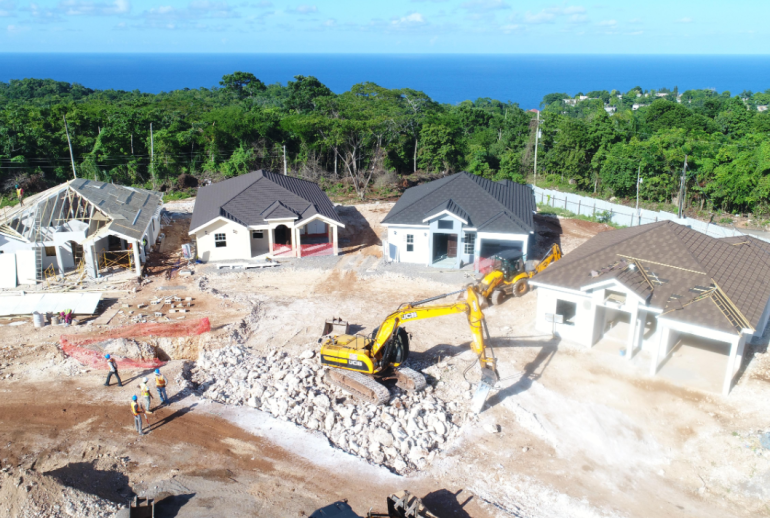
For generations, Jamaicans who left the island maintained their connection through barrels, remittances, Christmas visits and the house being built slowly on family land.
The relationship is becoming more formal.
Property has become one of the ways Jamaicans abroad can hold a physical stake in the country without necessarily moving back permanently.
Sometimes that means a retirement house. Sometimes an apartment occupied for a few weeks each year. Sometimes an investment property.
And increasingly, the conversation includes something more organised: diaspora capital being pooled, financed and directed into Jamaican property as an investment class.
The distinction matters. Jamaica has spent decades discussing its diaspora primarily in terms of remittances, skills, philanthropy and eventual return. Property introduces another possibility.
A Jamaican can live in Toronto, London, New York or South Florida and still own a piece of the country.
The return does not have to begin with a plane ticket. It can begin with a title.
The House Was Always Part of the Story
Property ownership is hardly new to the Jamaican diaspora.
The unfinished house with steel rods extending above the roofline became a familiar feature of the Jamaican landscape partly because construction often happened incrementally. Money arrived from abroad. Another room went up. Windows were installed. The veranda came later.
Building at home could represent security, retirement planning and proof that migration had produced something tangible.
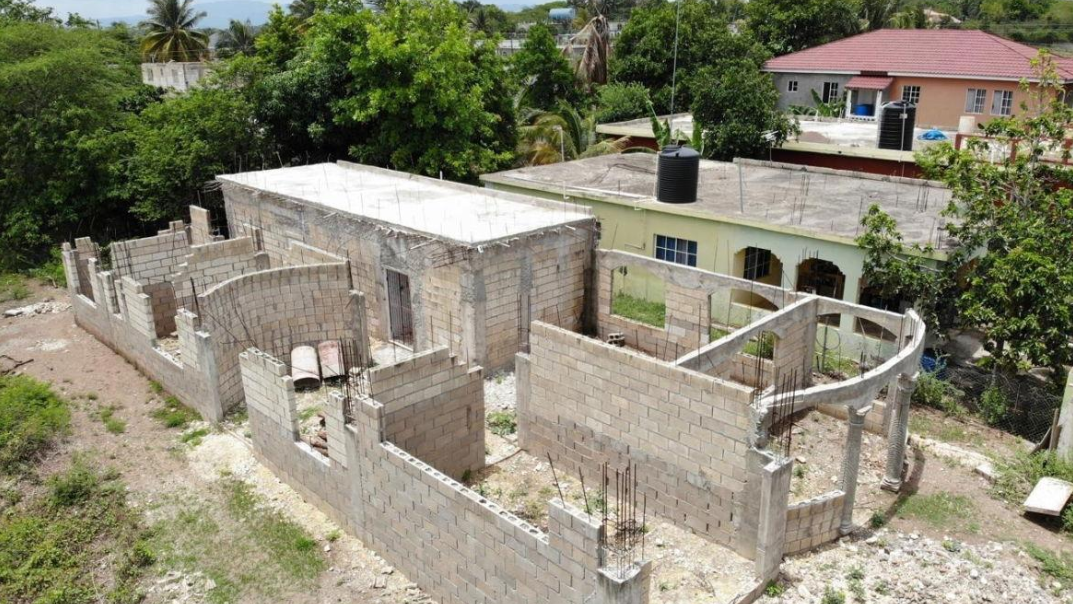
What is changing is the infrastructure around that instinct.
Financial institutions now address diaspora borrowers as a distinct customer group. VM Group, one of Jamaica’s largest mortgage lenders with an established presence across key diaspora markets, recorded a 25 percent increase in mortgage loans to diaspora real estate investors between 2024 and 2025, alongside a 23 percent increase in new diaspora members. The institution attributes the growth to continued property demand among Jamaicans overseas.
Government has moved in the same direction. At the 11th Biennial Jamaica Diaspora Conference in June 2026, Prime Minister Andrew Holness encouraged Jamaicans overseas to consider acquiring a first or second home on the island.
The appeal was notable because it placed property ownership directly inside the country’s broader diaspora strategy.
The National Housing Trust was making a related argument during the same period, encouraging Jamaicans abroad to consider opportunities in housing investment beyond simply acquiring a home for themselves.
The language is shifting. So is the structure.
From One House to Pooled Capital
One of the clearest examples is Throp-X Investment.
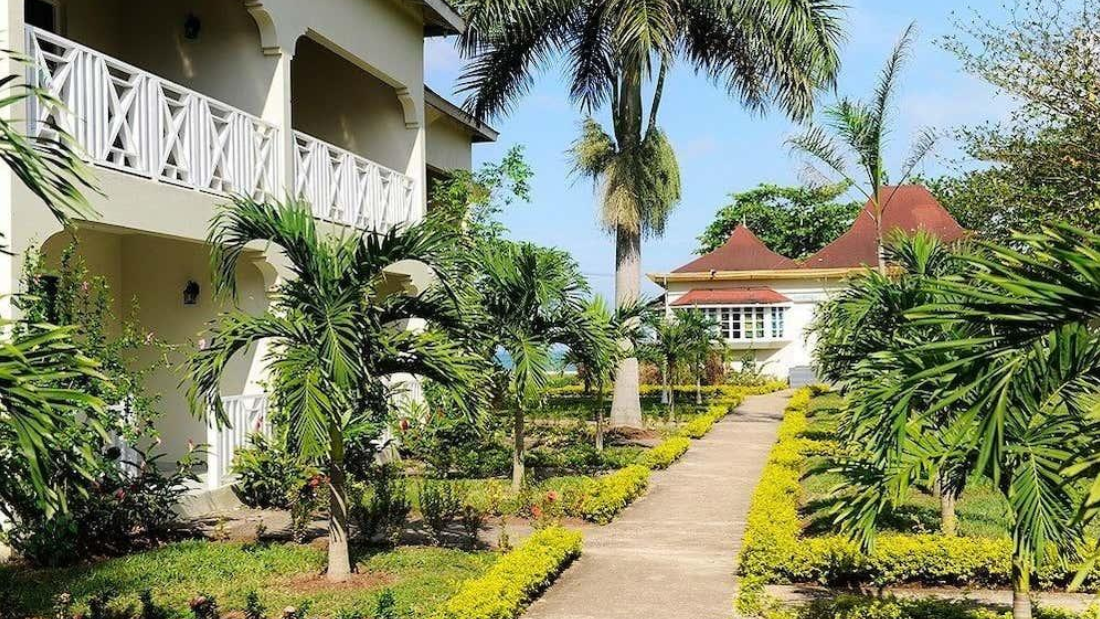
According to reporting by the Jamaica Observer, approximately 30 participants pooled roughly US$3 million to acquire the Coral Seas hotel property in Negril in 2023. Plans reported for the property involved renovation and conversion connected to condominium ownership, creating a structure through which participants could invest in Jamaican real estate together.
The model was not simply a group of Jamaicans overseas buying vacation houses beside one another. It represented collective capital.
That is a different relationship with home.
The barrel and the remittance remain important parts of Jamaica’s economic relationship with its diaspora. But pooled property investment moves the diaspora further into the role of owner.
The emotional connection remains. The financial architecture around it is becoming more sophisticated.
Owning Jamaica Without Moving Back
The phrase “return home” can obscure what is actually happening.
Permanent return is one option. Ownership is another.
A professional who has spent twenty years abroad may not be ready to leave the career, children or community built overseas. That does not mean Jamaica has become irrelevant to the person’s financial future.
A property can create another kind of foothold.
It can be somewhere to stay during increasingly frequent visits. It can be part of a retirement plan. It can generate income. It can give children raised abroad a physical connection to the island their parents still call home.
That makes property different from many other forms of diaspora engagement.
It is difficult to inherit a conference. A house is another matter.
The Buying Power Is Not Equal
There is an uncomfortable side to the story.
Income earned in US dollars, Canadian dollars or pounds can create purchasing power that looks very different once it enters a Jamaican property market.
That does not automatically mean diaspora buyers are responsible for Jamaica’s housing affordability problems. The evidence does not support such a broad conclusion.
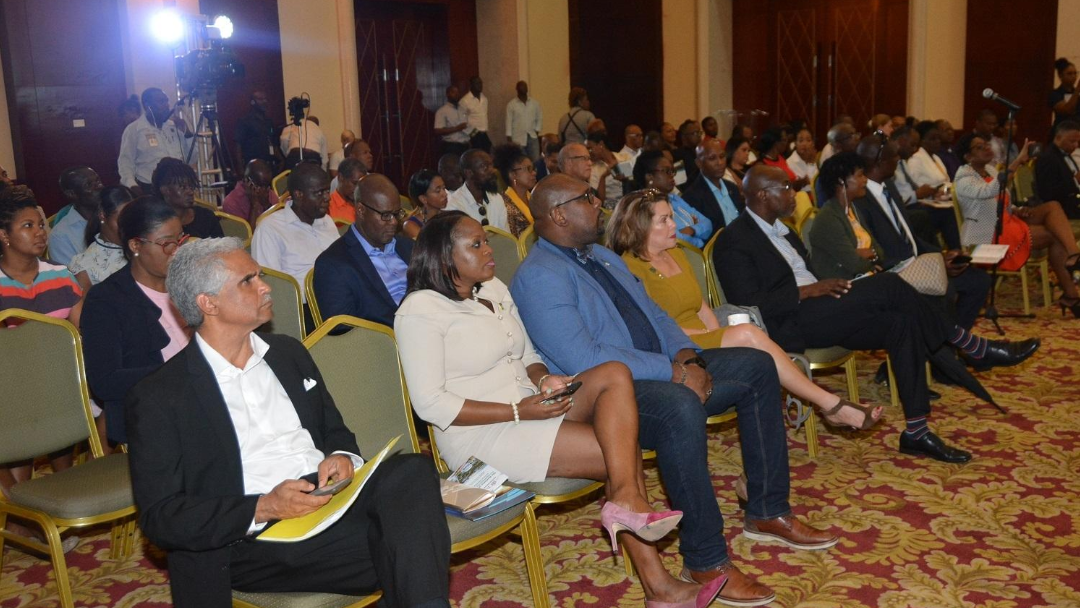
But it does mean the consequences of overseas demand deserve attention, particularly in communities where local incomes and internationally sourced purchasing power compete for the same limited property.
The effect will not be identical everywhere.
A condominium development marketed internationally in Kingston is not the same market as family land in Clarendon. A second home on the north coast operates differently from an entry-level house purchased through the National Housing Trust.
Jamaican real estate is not one market. That is precisely why claims about diaspora purchasing need to be made carefully.
The important question is not whether overseas Jamaicans should buy property at home. It is what happens in particular places when they do.
Buying From Abroad Is Still Complicated
Sentiment does not complete a property transaction.
Buying in Jamaica while living overseas introduces practical complications around financing, legal representation, property searches, valuation, construction management and the simple difficulty of supervising something from another country.
Holness acknowledged part of that problem during the 2026 Diaspora Conference when he referred to the difficulties Jamaicans abroad can encounter while building on the island.
Those stories are familiar. A relative is asked to supervise construction. A project takes longer than expected. Costs change. The buyer discovers that managing a Jamaican property from thousands of miles away requires more than transferring money.
Financial institutions have increasingly developed products aimed at diaspora customers, but lending conditions vary. Deposit requirements, documentation and eligibility depend on the institution, the borrower and the product. Reported requirements for non-resident purchasers have ranged widely, and none of it should be treated as a fixed national rule.
Anyone purchasing from abroad still needs independent legal and financial advice specific to the transaction.
The emotional familiarity of Jamaica should not be confused with transactional simplicity.
A Different Kind of Return
Jamaica has often imagined its diaspora relationship as a circle.
People leave. They establish themselves abroad. They send money home. Some eventually return.
Property complicates that sequence.
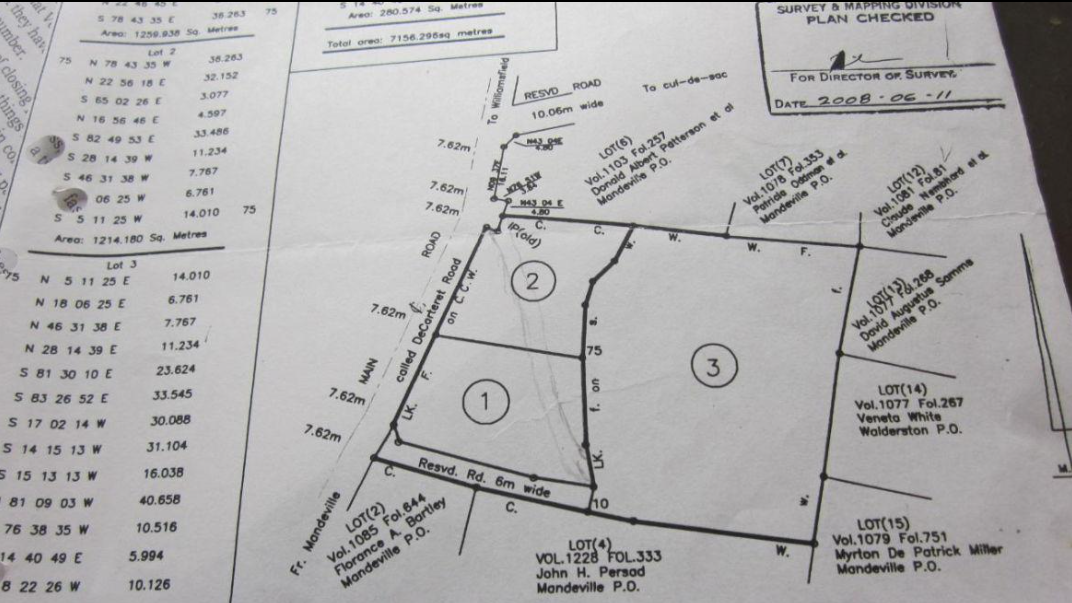
A person can remain abroad and become more economically embedded in Jamaica at the same time. They can own without residing. Invest without returning. Build something their children may eventually inherit.
The result is not a mass migration back to the island.
It is something quieter. The relationship between Jamaicans abroad and the physical country is becoming easier to formalise through deeds, mortgages, developments and investment structures.
For an earlier generation, the evidence of migration might have been the barrel arriving at the family house.
For some of the diaspora now, it is the house itself.
Frequently Asked Questions
Can Jamaicans living abroad buy property in Jamaica?
Yes. Jamaica does not impose a broad prohibition on property purchase by non-residents or foreign nationals, though buyers must meet the same legal, tax and transaction requirements applying to the property.
Is diaspora property investment in Jamaica growing?
Reported activity suggests it is. VM Group recorded a 25 percent increase in mortgage loans to diaspora real estate investors between 2024 and 2025, alongside a 23 percent increase in new diaspora members.
What is pooled diaspora property investment?
An arrangement where multiple diaspora investors combine capital to acquire property collectively rather than individually. Reporting by the Jamaica Observer described approximately 30 participants pooling roughly US$3 million to acquire the Coral Seas hotel property in Negril in 2023.
Do you need to move back to Jamaica to buy property there?
No. Many diaspora buyers acquire property while continuing to live abroad, using it for visits, rental income, retirement planning or as an asset to pass on.
What deposit is required to buy property in Jamaica from overseas?
There is no single national requirement. Deposit terms, documentation and eligibility vary by lender, borrower and product, and should be confirmed directly with the financial institution concerned.
Is diaspora buying making Jamaican property unaffordable?
The available evidence does not establish that as a national conclusion. Overseas purchasing power can affect demand in specific segments and locations, but Jamaican real estate is not a single uniform market.