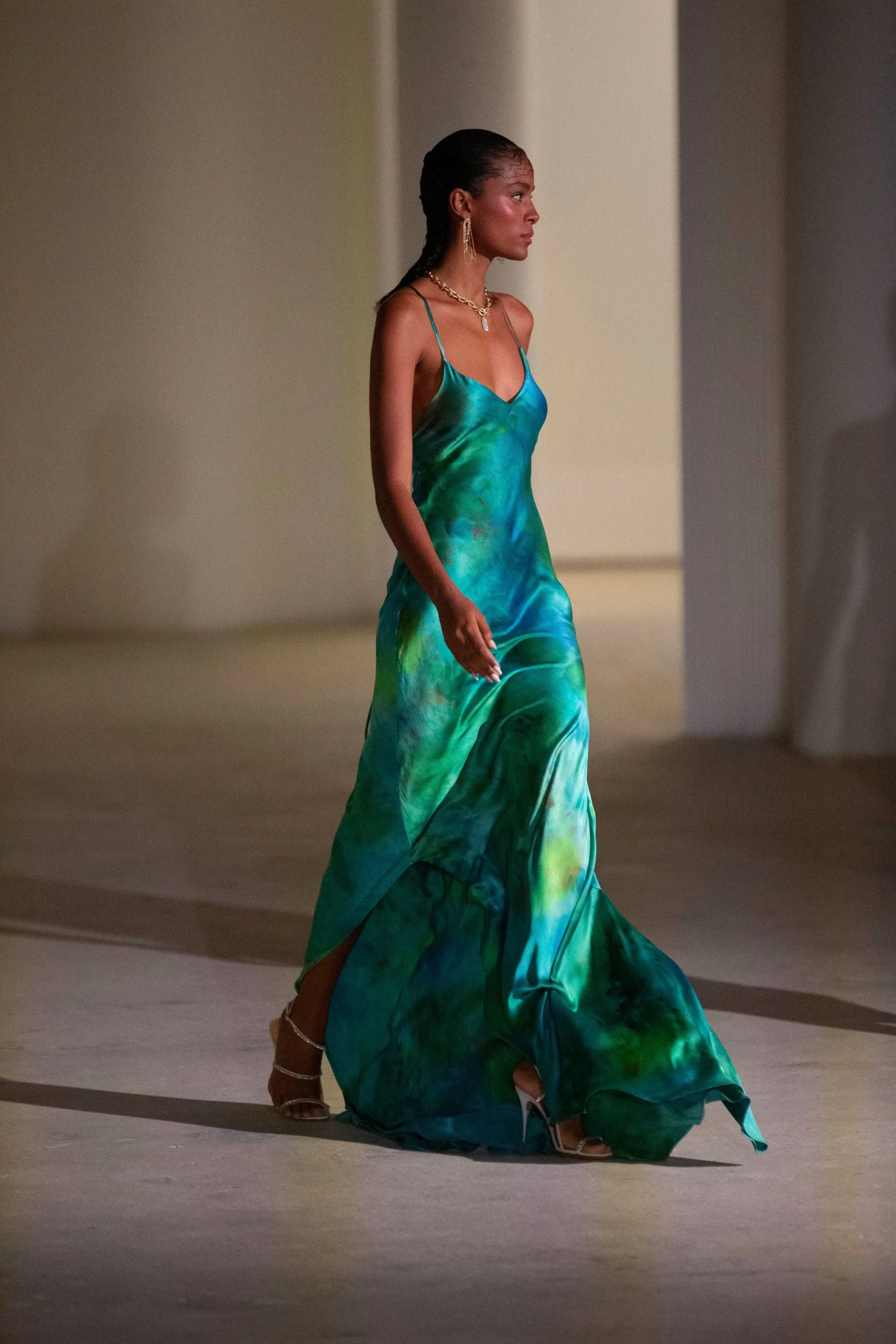
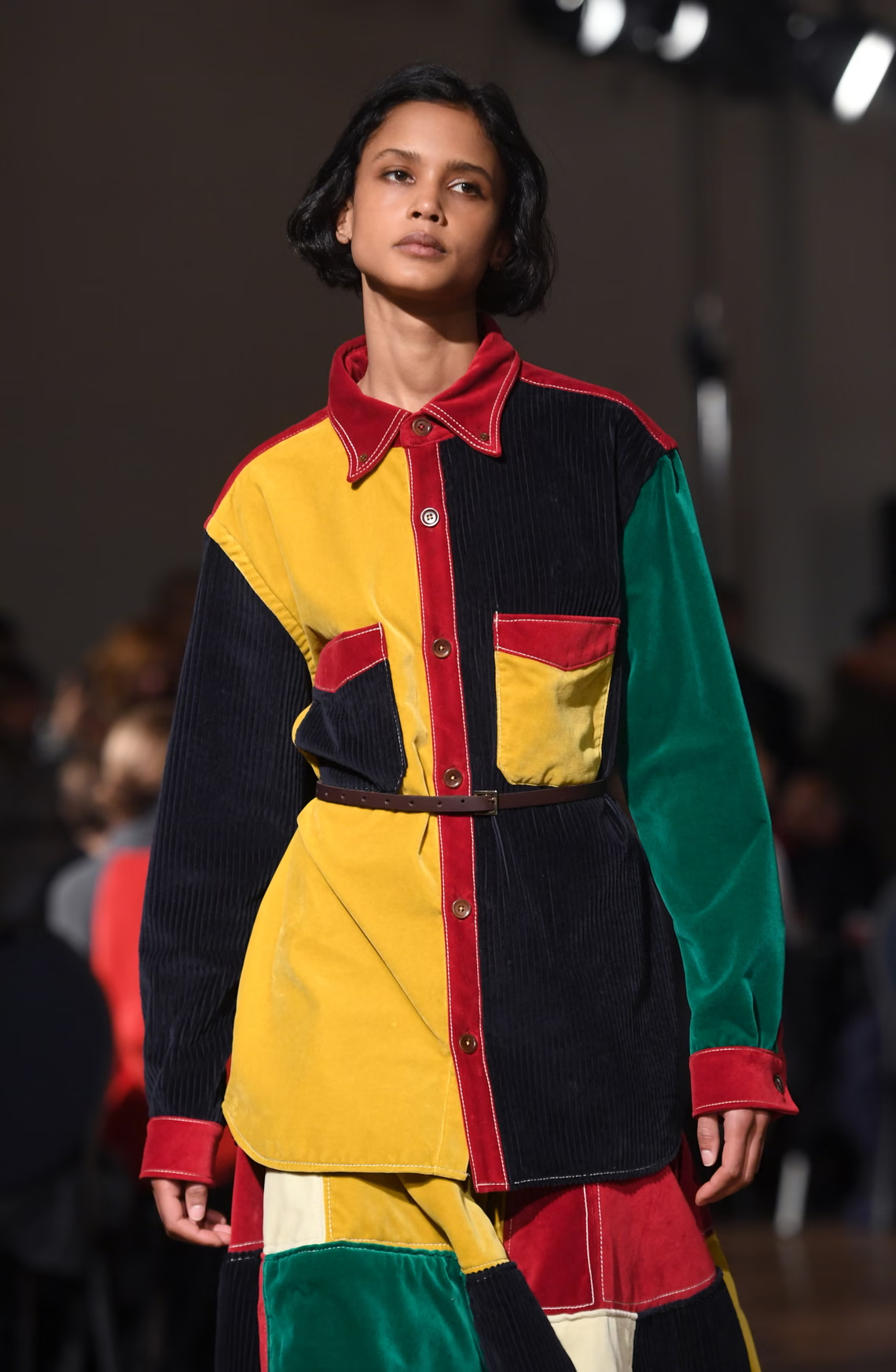
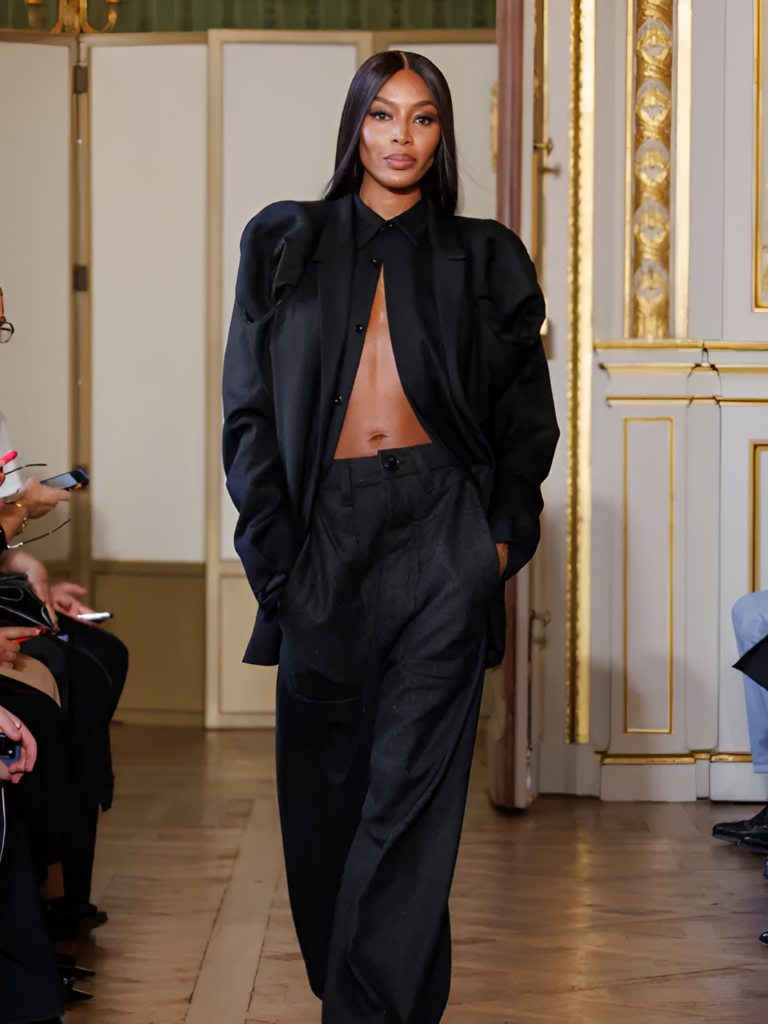

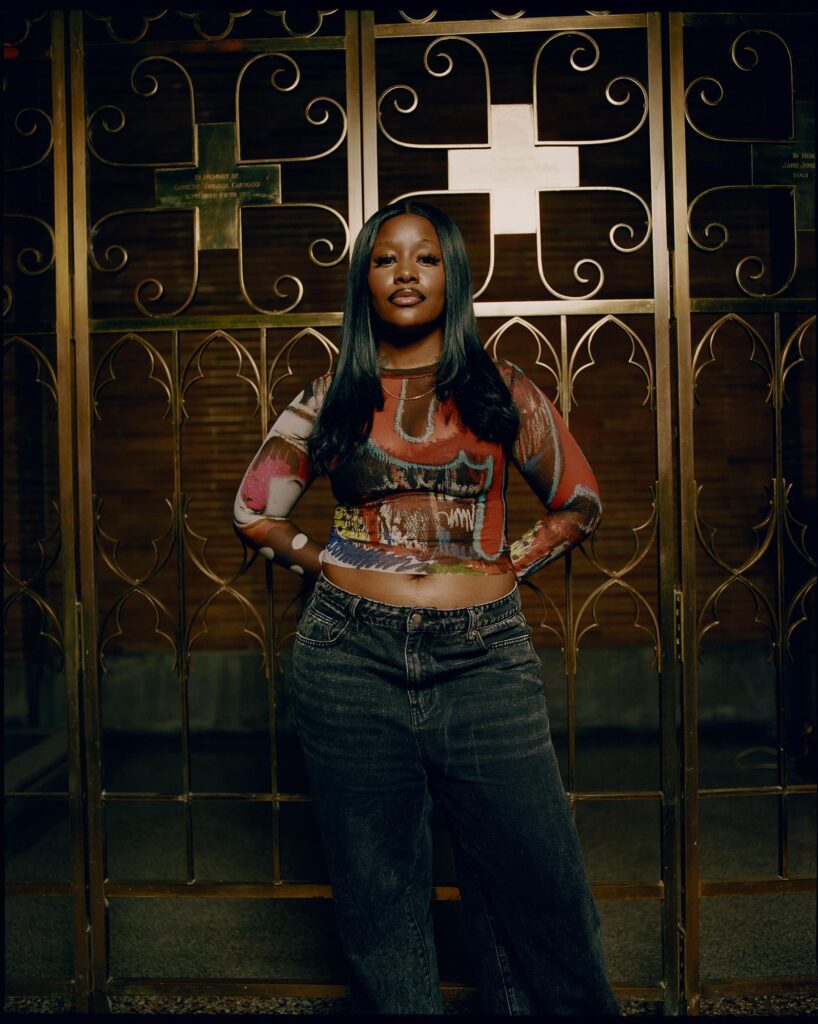
For decades, Caribbean style traveled the world through music, sport, and cultural force. Fashion, however, was often filtered through outside interpretation rather than shaped from within. That dynamic is shifting. A generation of Caribbean designers and Caribbean-diaspora designers now defines silhouette, craft, and narrative on its own terms — not as costume, not as nostalgia, but as contemporary luxury.
From Kingston to London, Brooklyn to Port of Spain, these Caribbean fashion designers operate across runways, ateliers, accessory houses, and independent studios. Some are established. Others are ascending rapidly. All reflect Caribbean intelligence, discipline, and identity within a global framework.
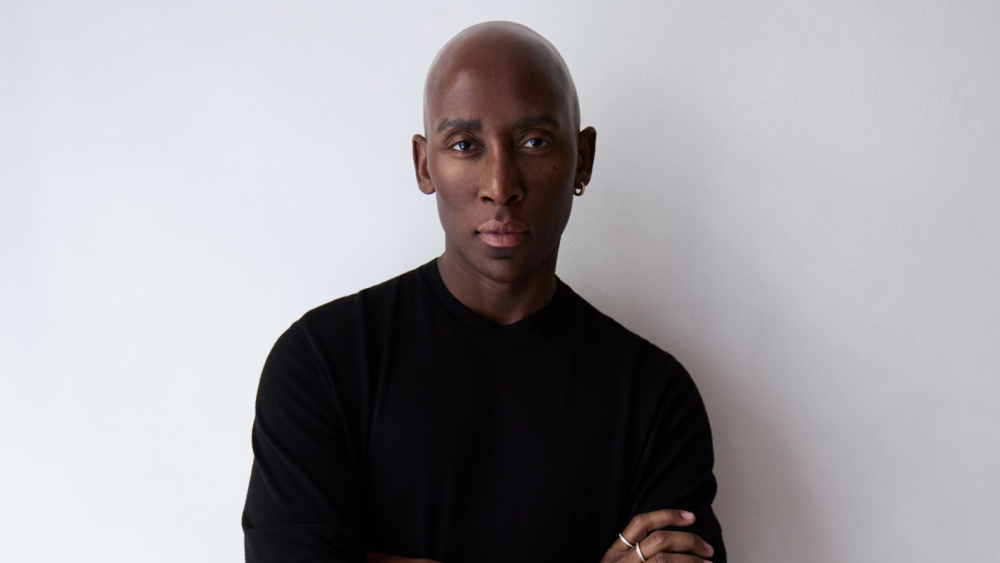
Edvin Thompson’s label Theophilio has become synonymous with diasporic confidence. Born in Jamaica and based in Brooklyn, Thompson channels Caribbean sensuality into sharply structured silhouettes that command runway presence. Among Caribbean designers in New York, his work positions island identity as foundation rather than reference.
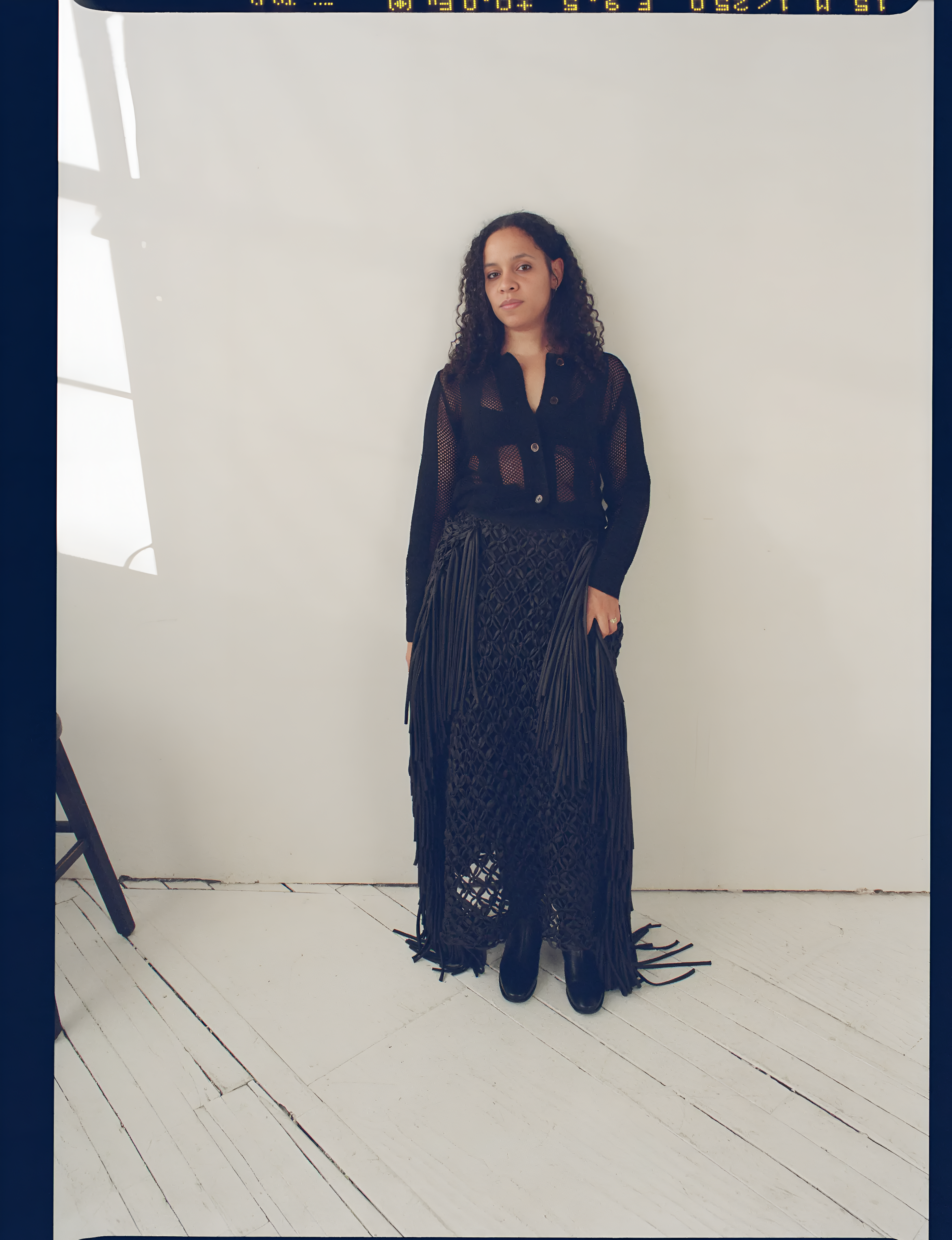
Rachel Scott is one of the most compelling Caribbean designers in luxury fashion today. Through Diotima, she reinterprets Jamaican artisanal techniques within high-fashion construction. Crochet becomes architectural and precise. Her work places Caribbean craftsmanship within global luxury dialogue.
Anya Ayoung-Chee’s trajectory extends beyond her Project Runway win. Her resort-wear aesthetic reflects Caribbean sophistication without cliché. She remains central to Trinidad’s evolving fashion and creative economy.
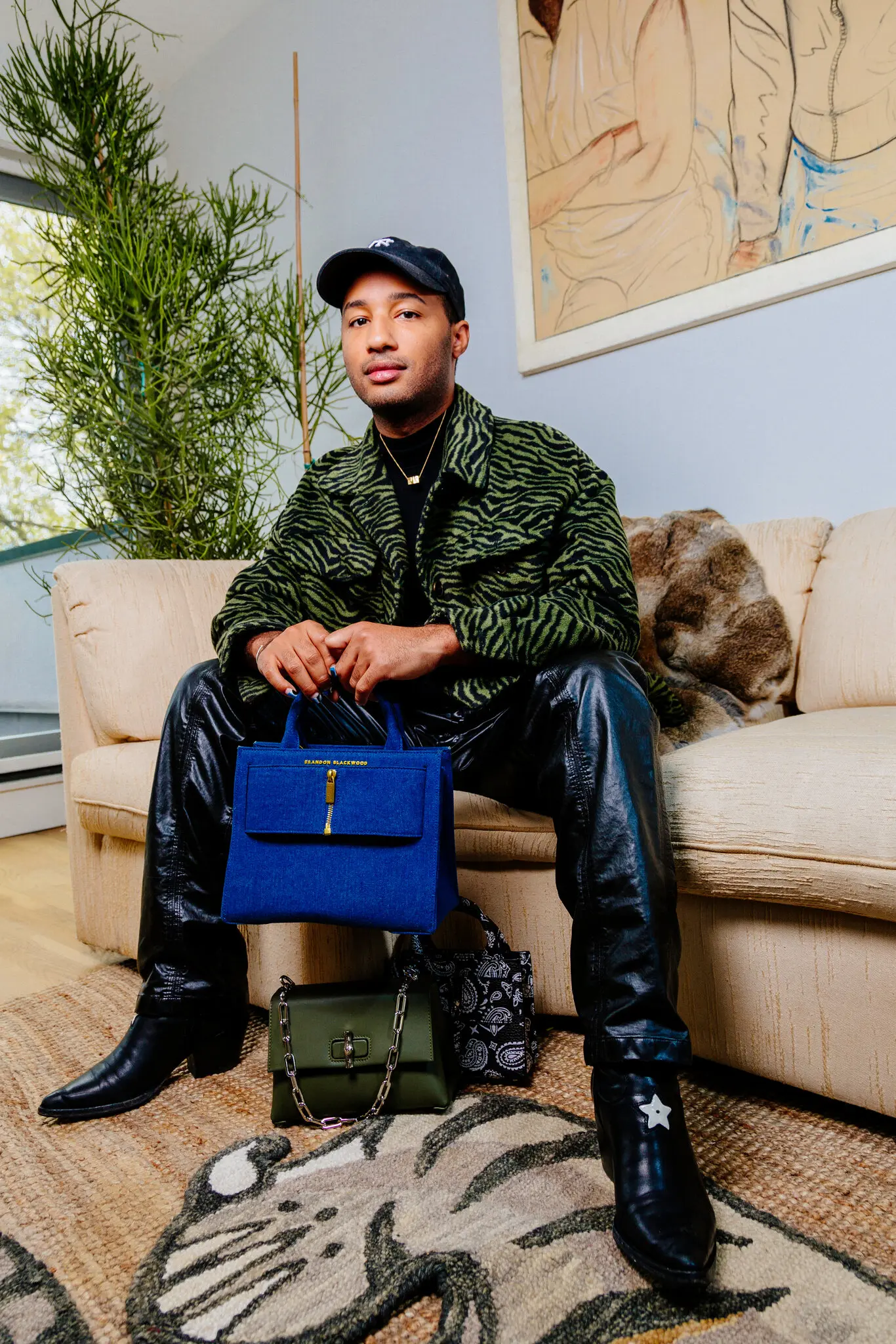
Brandon Blackwood transformed viral visibility into long-term brand credibility. His handbags function as cultural signifiers within contemporary fashion. Among Caribbean jewelry and accessory designers, his work balances branding with disciplined construction.
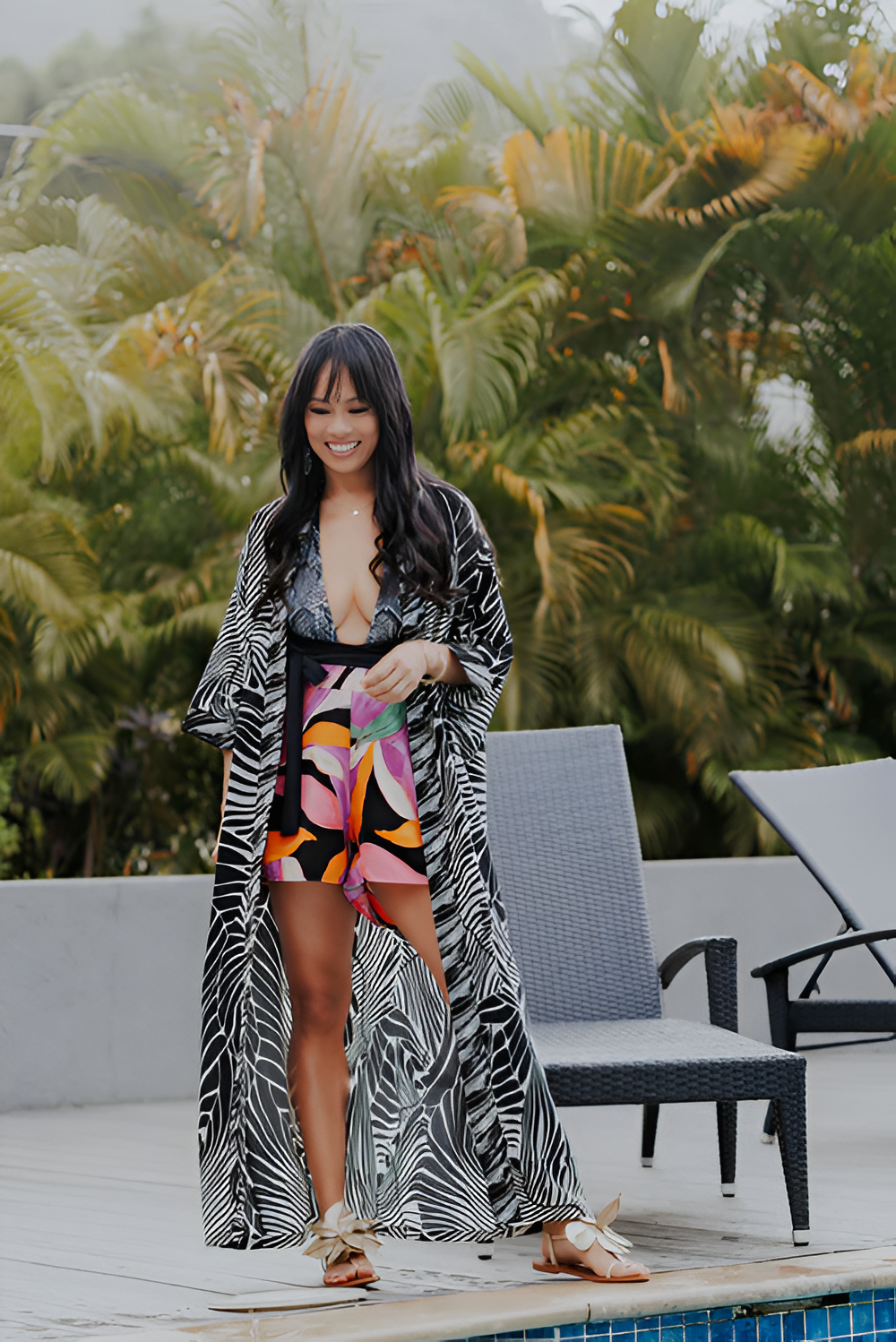
Fe Noel’s collections balance movement and structure. Bold sleeves and saturated palettes evoke island ease while maintaining polish. Her brand resonates within Caribbean luxury fashion and diaspora audiences alike.
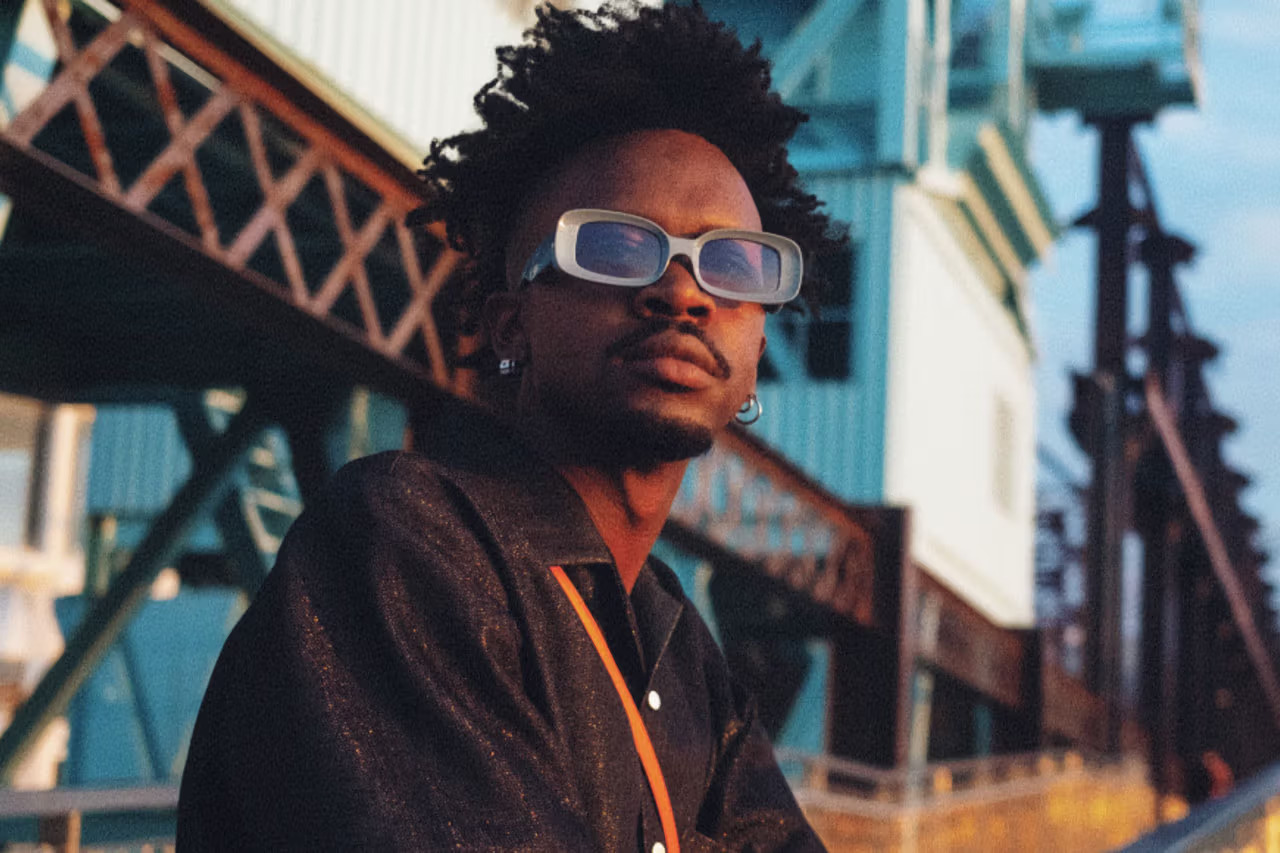
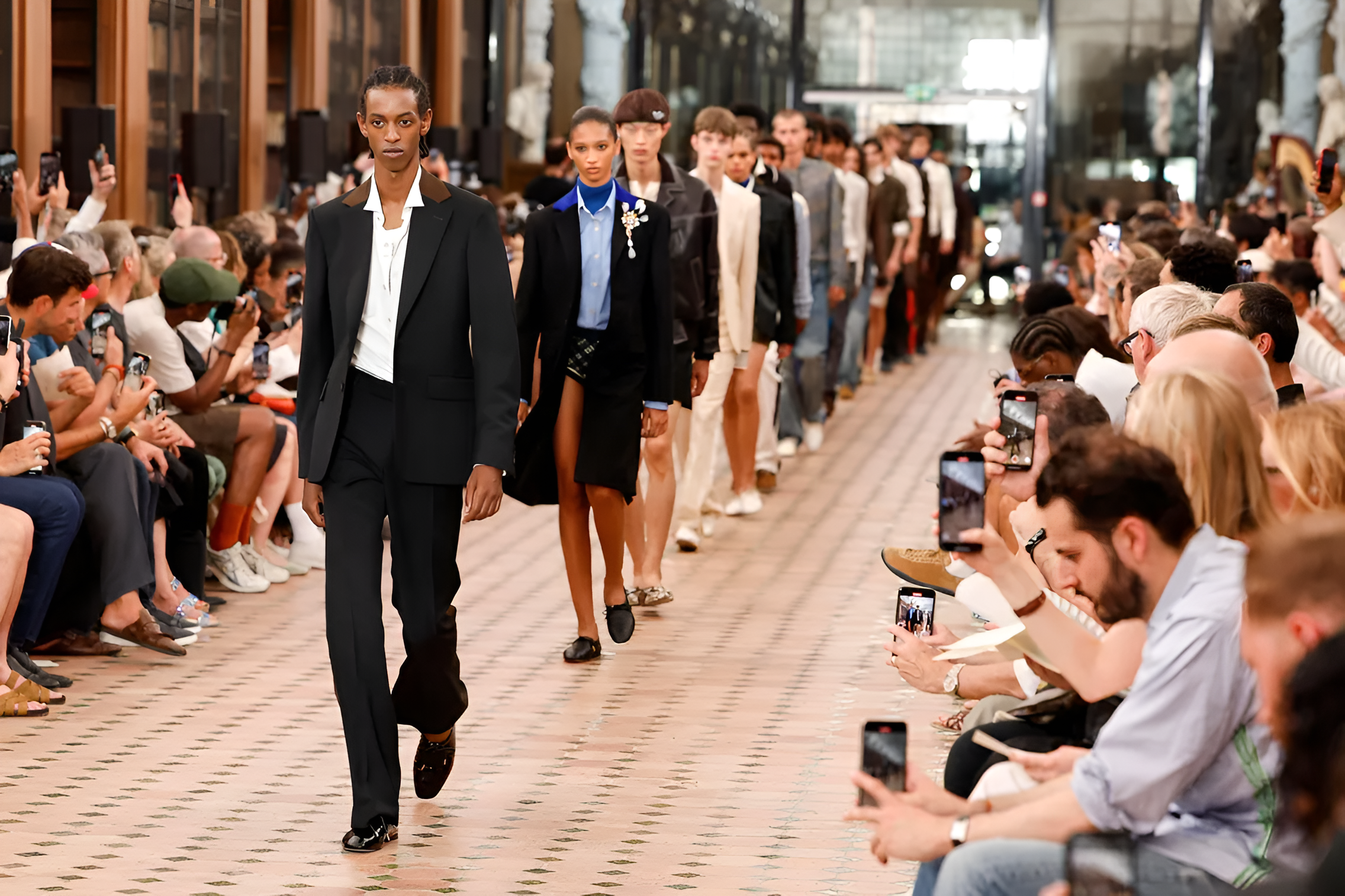
With Jamaican heritage and a London base, Grace Wales Bonner operates at the intellectual edge of fashion. Her tailoring merges Afro-Atlantic narratives with European craft. Among Caribbean designers in London, she represents research-driven precision.
Torishéju Dumi blends narrative intensity with sculptural tailoring. Her work underscores the expanding imprint of Caribbean diaspora creativity in European fashion circles.
Caribé Atelier exemplifies thoughtful island design. Emphasizing sustainable materials and refined minimalism, the brand favors quiet authority over spectacle
Shanel Campbell’s aesthetic leans into architectural discipline. Structured silhouettes and precise tailoring define her collections, reinforcing longevity over trend velocity.
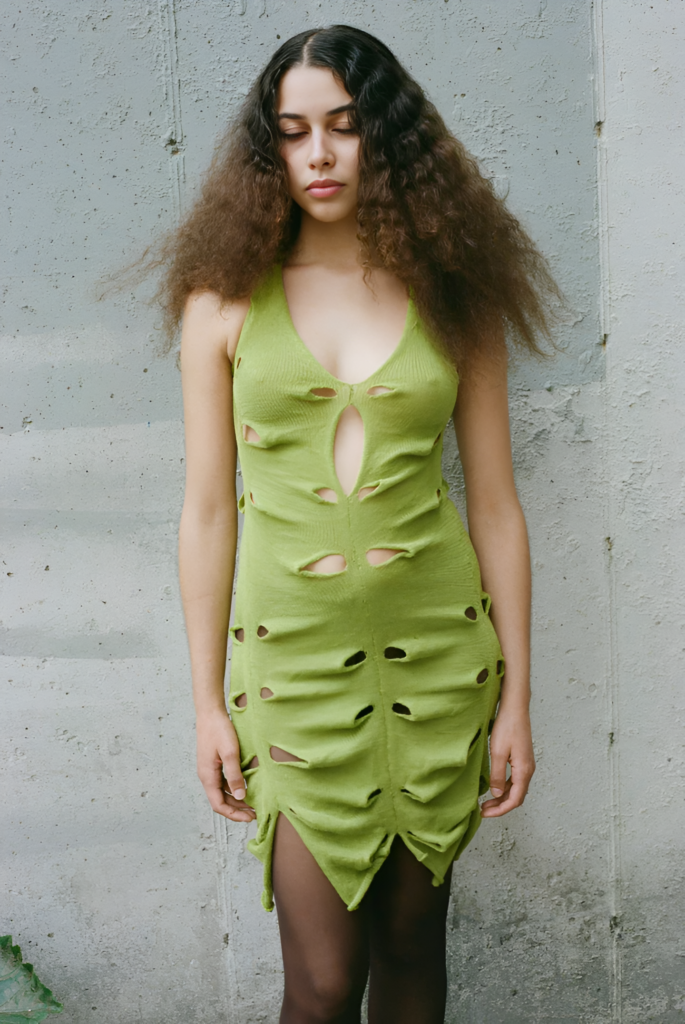
Krystal Paniagua explores body-molding knitwear that blurs art and garment. Her pieces demonstrate how Caribbean-influenced design can engage experimentation without sacrificing structure.
Matthew Harris, founder of Mateo, has built a globally respected fine jewelry brand rooted in geometry and proportion. Among Caribbean jewelry designers, his gold and diamond pieces carry quiet confidence within elite luxury spaces
What connects these Caribbean designers is perspective. They are not producing souvenirs or seasonal gestures. They are building brands grounded in migration, architecture, music, and memory while engaging international markets fluently.
Fashion cycles quickly. Cultural clarity endures.
The future of global style will not be dictated by one capital. Increasingly, Caribbean designers and diaspora creatives contribute from the center — with discipline, authorship, and ambition.
This is not a passing trend in Caribbean fashion. It is structural authorship.
How The Pinnacle in Montego Bay bridges personal vision with a new era of Jamaican luxury living.
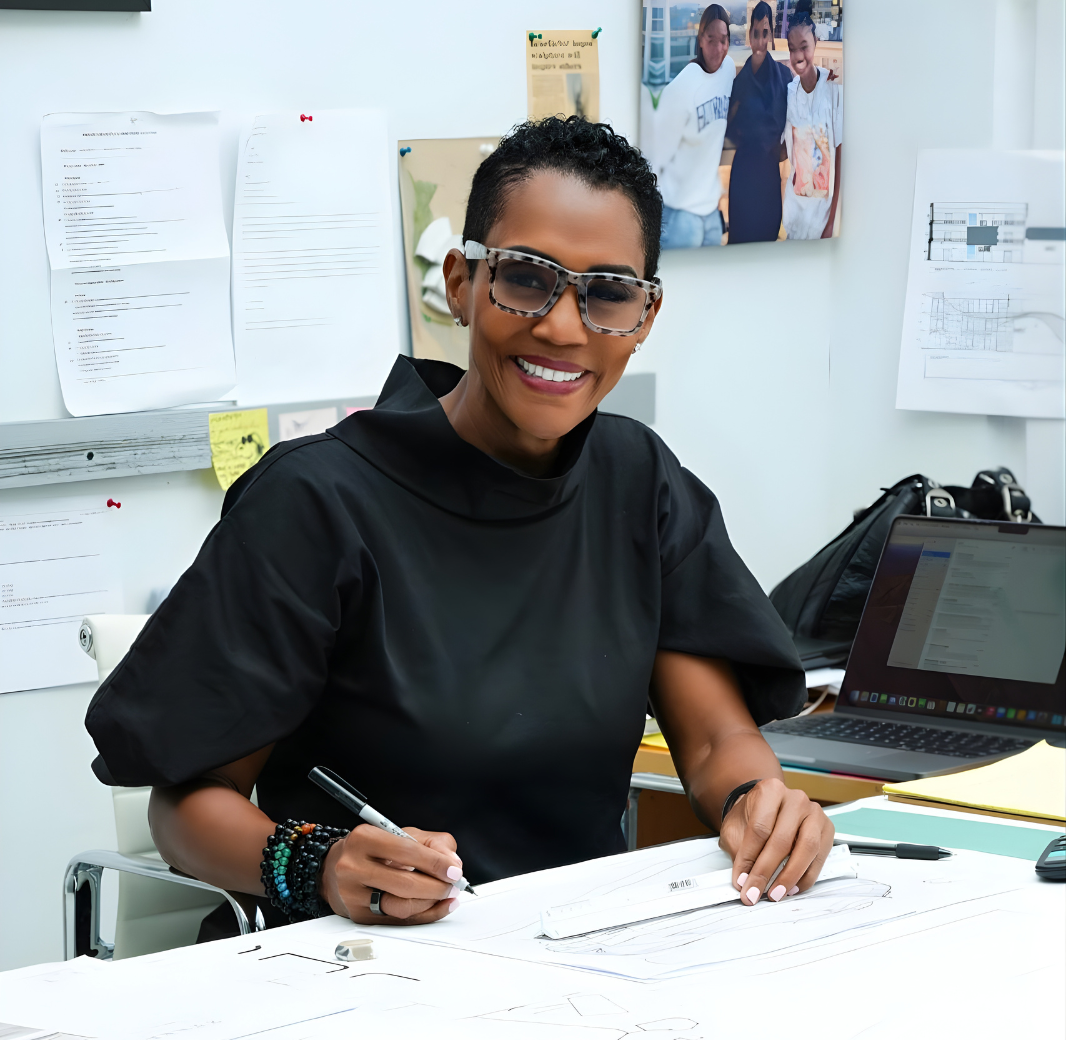
In 2021, as the world pivoted out of pandemic stillness, Isiaa Madden found herself at an unexpected inflection point. The global moment invited reevaluation in every field, yet for an architect, it also revealed a deeper question: how do we craft life, not just buildings?
The Pinnacle entered her life in mid-2021. At that moment, she found not just opportunity but readiness. After years of designing major projects, from hospitality to multi-level structures, she sensed her next undertaking would define space in a new way.
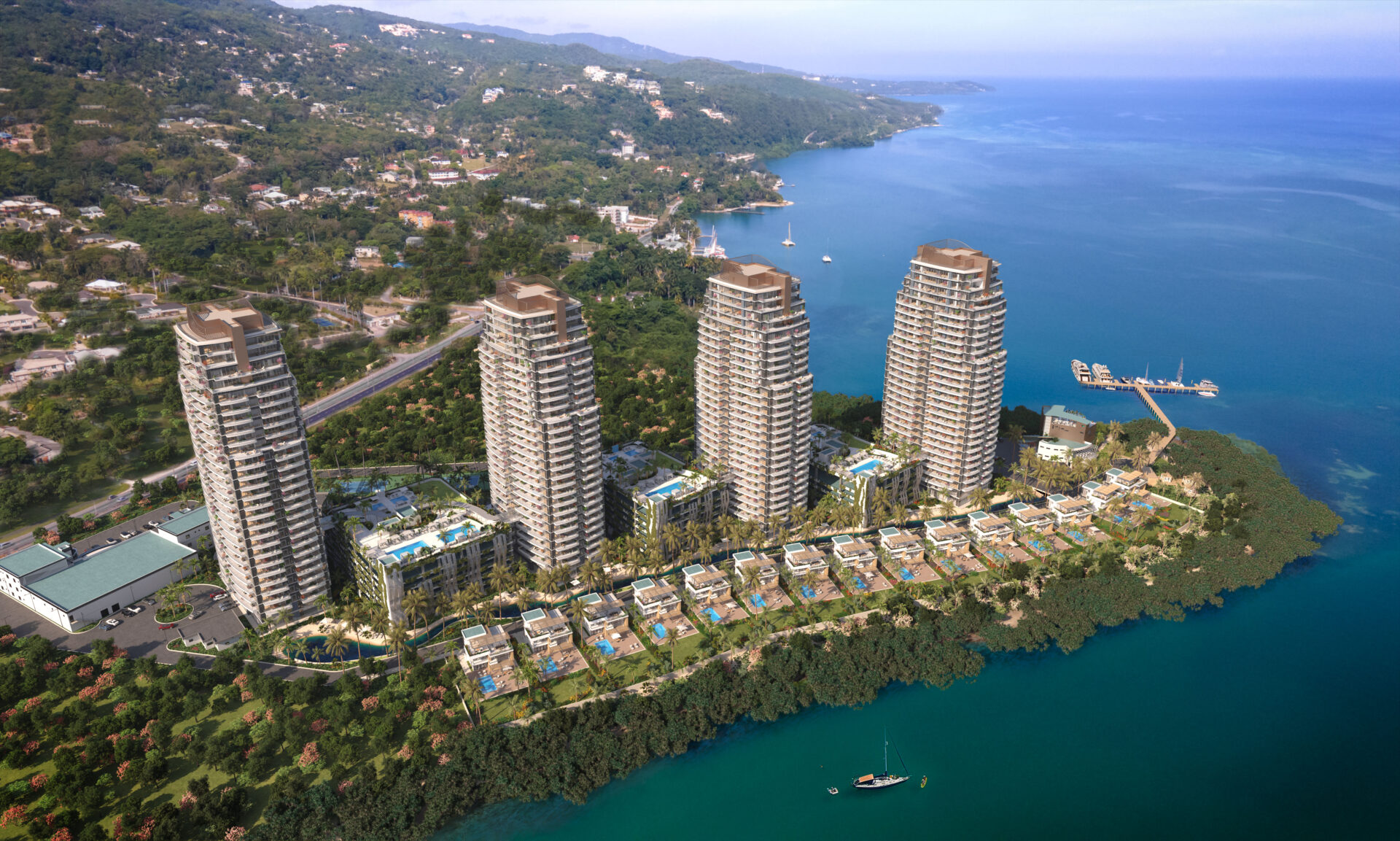
Now rising on a peninsula between the sea and the lagoon in Montego Bay, The Pinnacle is poised to become one of the Caribbean’s most significant luxury estates. The project spans approximately 17.5 acres and comprises four 28-story residential towers and 15 private villas, with 423 residences planned in total. Its scale alone reshapes the island’s architectural horizon.
Before architectural plans and construction logistics, there was an idea and the person to carry it. Isiaa’s career was already grounded in large projects, notably the multi-level RIU Ocho Rios development in 2008, an experience she credits with preparing her for greater complexity. Leading The Pinnacle demanded more than technical competence. It required a confident vision of what Jamaica could become.
The site itself dictated part of that vision. Rather than placing a structure directly on the coastline, the design celebrates its unique lagoon peninsula. Four towers radiate outward from a central core, each positioned to capture panoramic views of the Caribbean Sea, lagoon, and distant mountains. Every residence is oriented toward environment rather than enclosure.
When Hurricane Melissa passed through during construction, the development endured without structural damage. The engineering and architectural collaboration proved resilient, reinforcing a fundamental principle of responsible Caribbean design: beauty must be built to withstand reality.
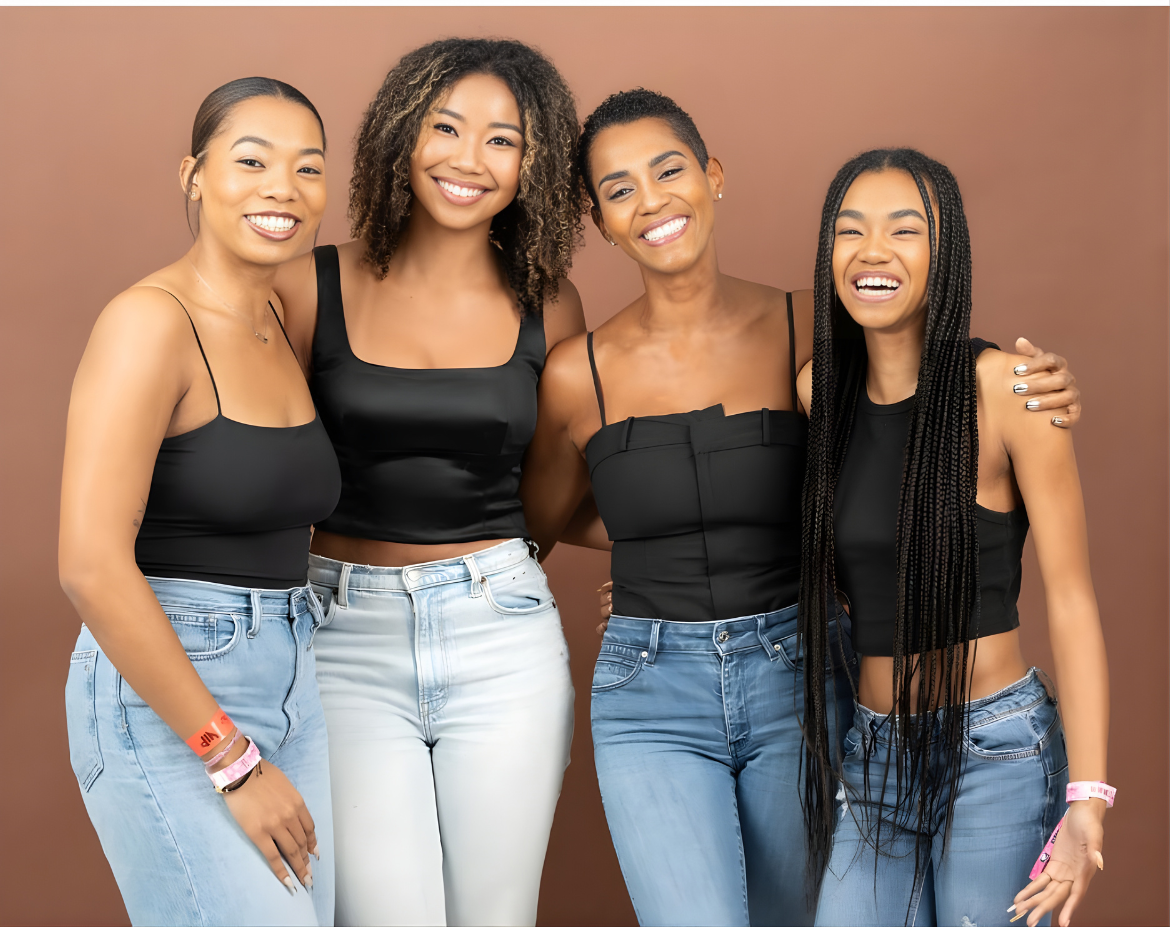
Luxury, in Jamaica, carries nuance. For Isiaa Madden, it is not imported marble or excess ornamentation. It is coherence.
“Luxury should extend beyond mere aesthetics. The intent of my designs is authenticity, timelessness, and coherence, where structure, materials, light, and proportion align with sophistication.”
That positioning is reflected in the pricing. One-bedroom residences begin around US$650,000, with three-bedroom homes ranging from approximately US$900,000 to over US$1.5 million. The most expansive four- and five-bedroom residences extend well beyond US$2 million. Now incorporating hospitality residences alongside a five-star resort component, Pinnacle places Montego Bay firmly within the global conversation around integrated luxury living.
The development now integrates hospitality residences alongside a five-star resort concept, aligning Montego Bay with global hybrid luxury living models seen in Miami and Dubai. This is not merely a residential tower. It signals that Jamaican luxury residences have entered international territory.
As a Caribbean woman leading a development of this magnitude, Isiaa does not describe adjusting her authority in investor or engineering spaces.
“I remain in equanimity.”
Authority, for her, is alignment. Preparation. Clarity.
That does not mean the journey has been frictionless. She speaks openly about mental exhaustion, pressure, and scrutiny. Large-scale Caribbean property developments rarely move without challenge.
What sustained her was resilience and meditation.
“Quiet the mind and find stillness in the chaos.”
Montego Bay has long been synonymous with tourism. The Pinnacle introduces another narrative: permanence.
Vertical luxury that exists within its natural rhythm rather than borrowing identity.
Architecture inevitably shapes memory. Buildings alter how residents and visitors interpret ambition. The Pinnacle stands minutes from central Montego Bay, yet feels suspended between land and water. Its presence suggests a shift from possibility to assertion within Montego Bay luxury real estate.
When responsibility grows heavy, Isiaa Madden returns to the open ocean. Nature recalibrates perspective. Outside architecture, joy is found in family, meditation, painting, and stillness. Yet she speaks of architecture itself as joy — not obligation, but expression.
When asked what will feel most meaningful once The Pinnacle is complete, her answer is immediate.
“The journey, of course.”
For her children and family, she hopes the lesson is about intention.
“Life is not about oneself. It’s about understanding the purpose of humanity by living in harmony, unity, balance, and peace with grace and reverence.”
In the years ahead, Montego Bay’s skyline will continue to evolve. New developments will rise. New investors will arrive.
But there is always a moment that marks transition — when readiness meets scale and vision meets place.
For Montego Bay, The Pinnacle Jamaica is emerging as that moment.
For Isiaa Madden, it is both milestone and marker: a testament to resolve, restraint, and the architecture of arrival.
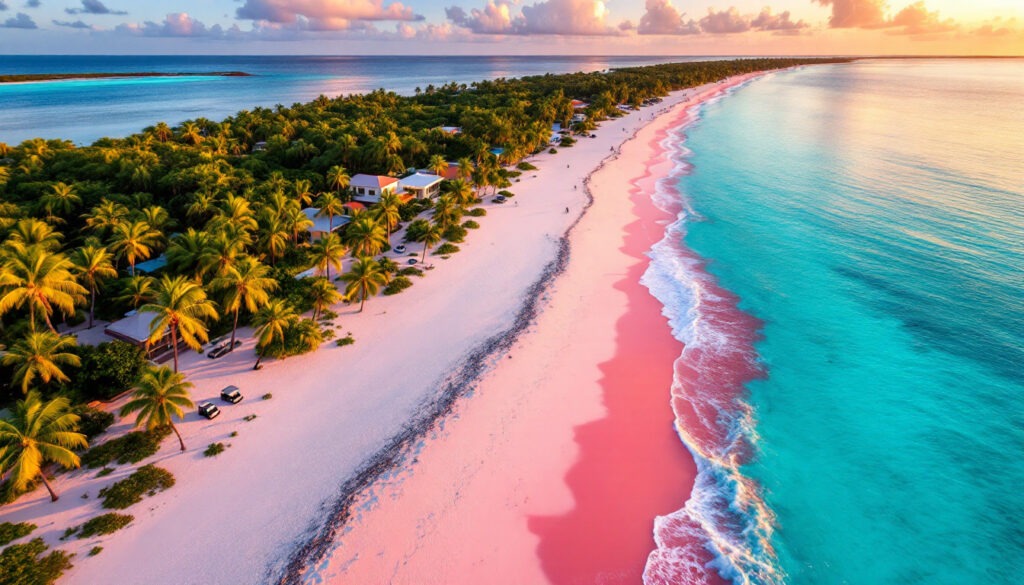
Harbor Island Bahamas does not announce itself loudly. It does not compete for spectacle. There are no cruise docks towering over the horizon, no mega-resorts casting long shadows across the sand. What it offers instead is something rarer in the Caribbean: restraint.
Just three and a half miles long and barely half a mile wide, this slip of land off the northern coast of Eleuthera feels less like a destination and more like a decision. You come here because you want to slow down without feeling provincial. You want beauty without performance. You want the sea, but you also want taste.
The pink sand beach in the Bahamas is not marketing mythology. It is real, tinted by crushed coral and shell fragments that catch the morning light in a way that feels almost theatrical. At sunrise, the beach reads soft blush. By late afternoon, it deepens into something closer to rose gold. It is the kind of detail that quietly recalibrates your sense of scale.
Days unfold without urgency. Golf carts replace cars, and linen replaces anything stiff or buttoned-up. Mornings begin barefoot, coffee in hand, the Atlantic stretching open and impossibly clear. The water here is not dramatic. It is lucid.
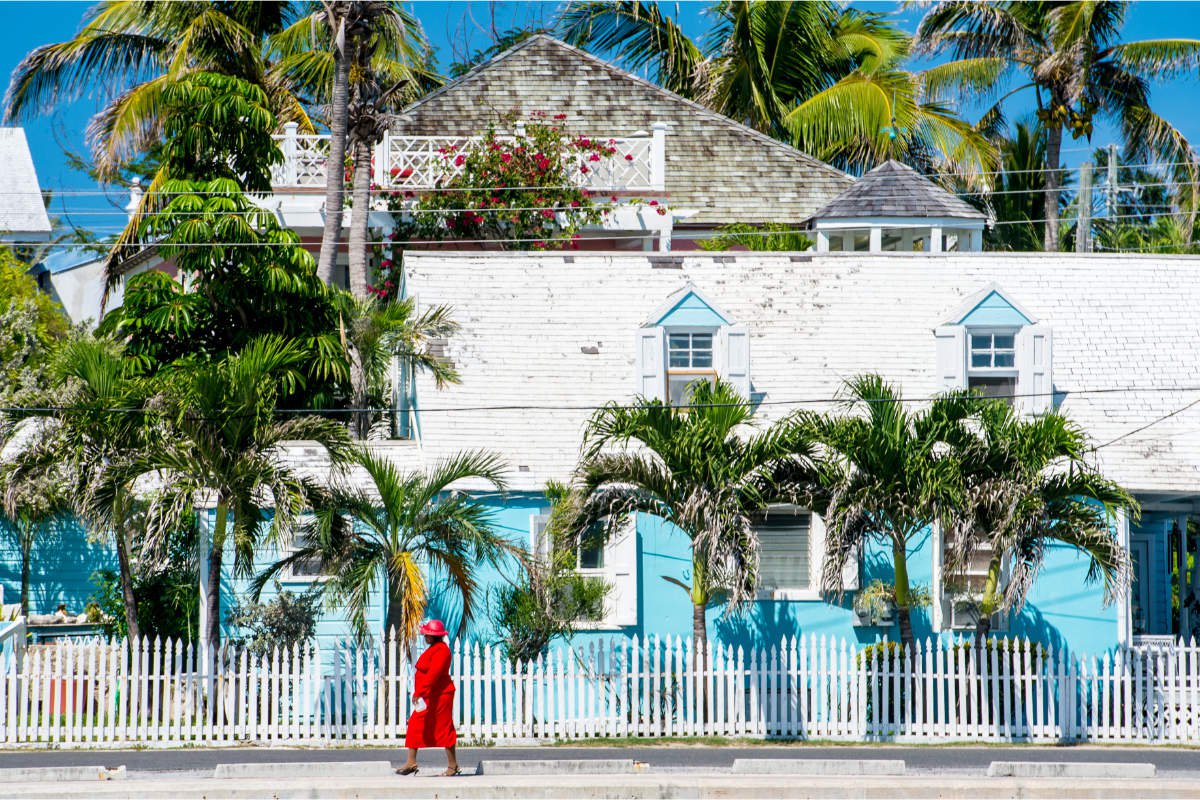
Harbor Island’s appeal is not only natural. It is architectural, social, and quietly cultural. Dunmore Town, the heart of Harbor Island, cradles centuries of colonial history without becoming theatrical. Pastel cottages line narrow streets. Bougainvillea spills over white gates. Weathered shutters lean just enough to feel human rather than preserved. There is curation here, but not performance.
Lunch might mean grilled lobster and chilled rosé at The Dunmore, where the terrace frames the Atlantic in effortless geometry. A cocktail at Pink Sands Resort, one of the most established Bahamas boutique hotels. Dinner under low light at Rock House. The rhythm is polished but unhurried.
Compared to Nassau’s scale and spectacle, Harbor Island Bahamas settles in quietly. Where Paradise Island pulses, this island exhales. It is not built for adrenaline. It is built for alignment. If Nassau moves at volume, Harbor Island moves at tempo.
For readers drawn to urban rhythm instead of coastal calm, see our feature on Kingston on Its Own Frequency, where culture carries a different kind of charge. For those who anchor their travel around dining, our editorial on The 17 Jamaican Restaurants People Can’t Get Enough Of explores another form of Caribbean discernment.
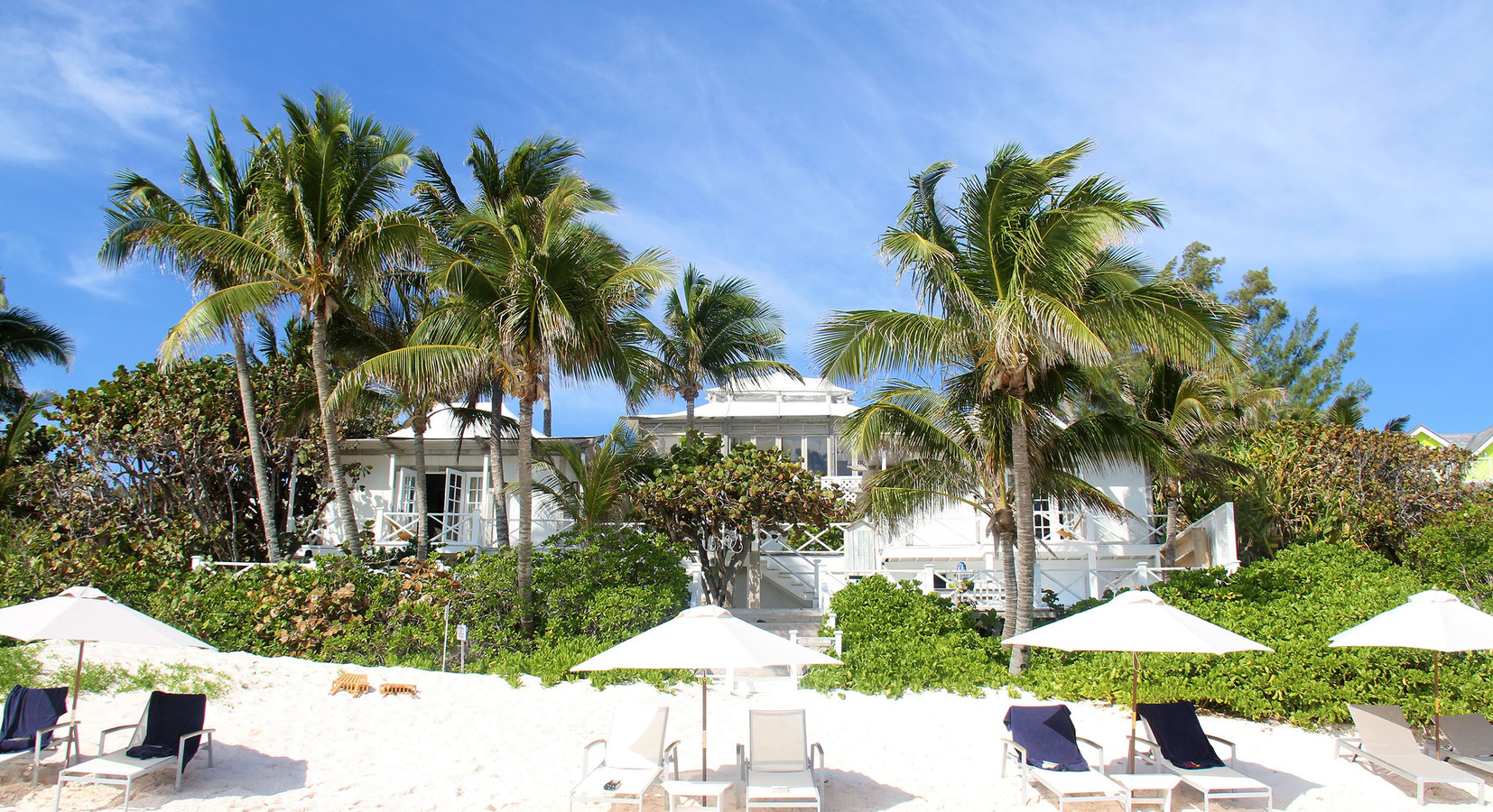
By the third day, your stride slows. Your voice lowers. Your phone remains untouched longer than usual. Harbor Island travel is less about itinerary and more about recalibration. The luxury Caribbean escape here is understated. There are no velvet ropes. No spectacle-driven nightlife. The island’s confidence lies in proportion — space, light, sea, architecture.
You begin to understand why the Atlantic once drew writers into stillness.
Harbor Island is not designed to overwhelm you. It is designed to recalibrate you. And once you have adjusted to its pace, louder islands feel almost excessive in comparison.
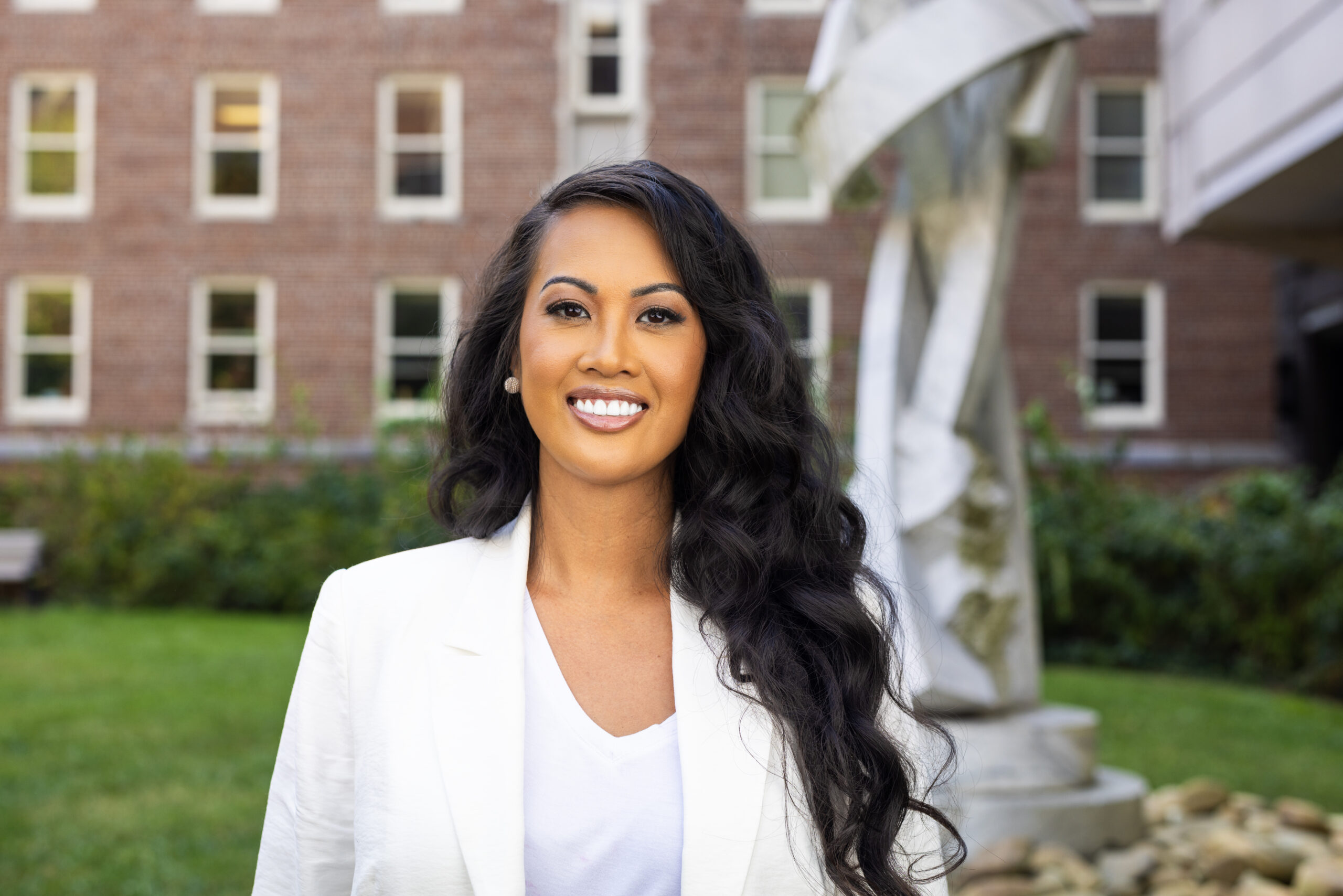
How a child’s medical crisis propelled Dr. Annabelle Morgan into plant-based science — and changed the direction of her life.
When doctors tell you what your child will never do, something inside you either fractures or hardens.
Dr. Annabelle Manalo-Morgan remembers the prognosis clearly. Her son Macario had suffered a stroke at birth. Seizures followed. Surgeons ultimately removed 38 percent of his brain — the region responsible for speech, comprehension, memory, and movement on his right side. The expectation was not cautious. It was definitive. He would likely never walk independently. Never speak normally. Never function without severe limitation.
Dr. Annabelle is a scientist. She understands data. She understands risk. But she also understands that medicine, for all its brilliance, does not always exhaust possibility.
“I did not become less rigorous,” she says of that period. “I became more comprehensive.”
Conventional treatments stabilized her son, but they did not answer every question. In that space between what was available and what might still be possible, Dr. Annabelle began exploring plant-based therapeutics — not recklessly, not emotionally, but with clinical discipline. She documented responses, adjusted carefully, studied mechanism, and watched for adverse signals. She approached cannabis and integrative protocols not as miracle solutions, but as additional tools.
Macario improved. Not overnight. Not magically. But meaningfully.
He walks. He speaks. He lives far beyond the narrow boundaries once projected for him.
For Dr. Annabelle, that experience did not turn her against medicine. It expanded her understanding of it.
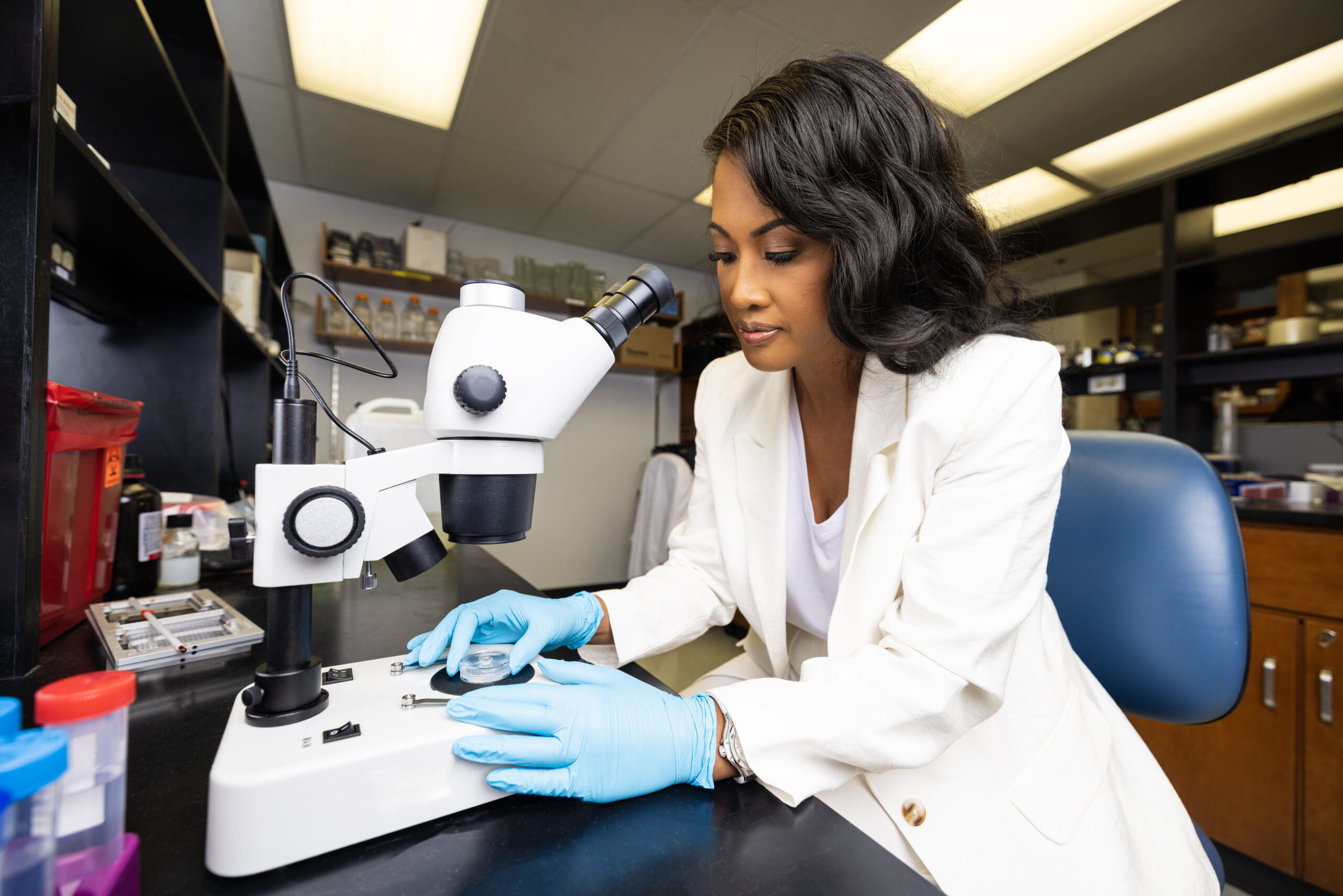
Today, based in the United States and connected to Jamaica through her marriage to Gramps Morgan of the Grammy Award–winning Morgan Heritage, Dr. Annabelle works at the forefront of cannabinoid research and integrative therapeutics. Her work is grounded in one principle: evidence evolves when inquiry continues.
The Caribbean has long carried botanical wisdom — bush medicine, plant knowledge, remedies passed down through observation and repetition. Dr. Annabelle does not romanticize that heritage, nor does she dismiss it. She sees her role as translation. Science can test what tradition observed. Research can refine what culture preserved. One does not invalidate the other.
Cannabis research, once dismissed outright, now sits within structured medical investigation. Its strongest data appears in neurology — seizure modulation, inflammatory response, and pain management. Psychedelic medicine, once stigmatized, is being re-examined for its effects on neuroplasticity and trauma processing. Dr. Annabelle speaks about these therapies carefully. They are not cures. They are not shortcuts. They are tools that require context, dosing discipline, and oversight.
Serving on advisory boards in the United States, Dr. Annabelle navigates conversations where medicine, policy, and public perception intersect. Her approach is steady. Anchor in physiology. Anchor in outcomes. Avoid spectacle. Avoid ideology.
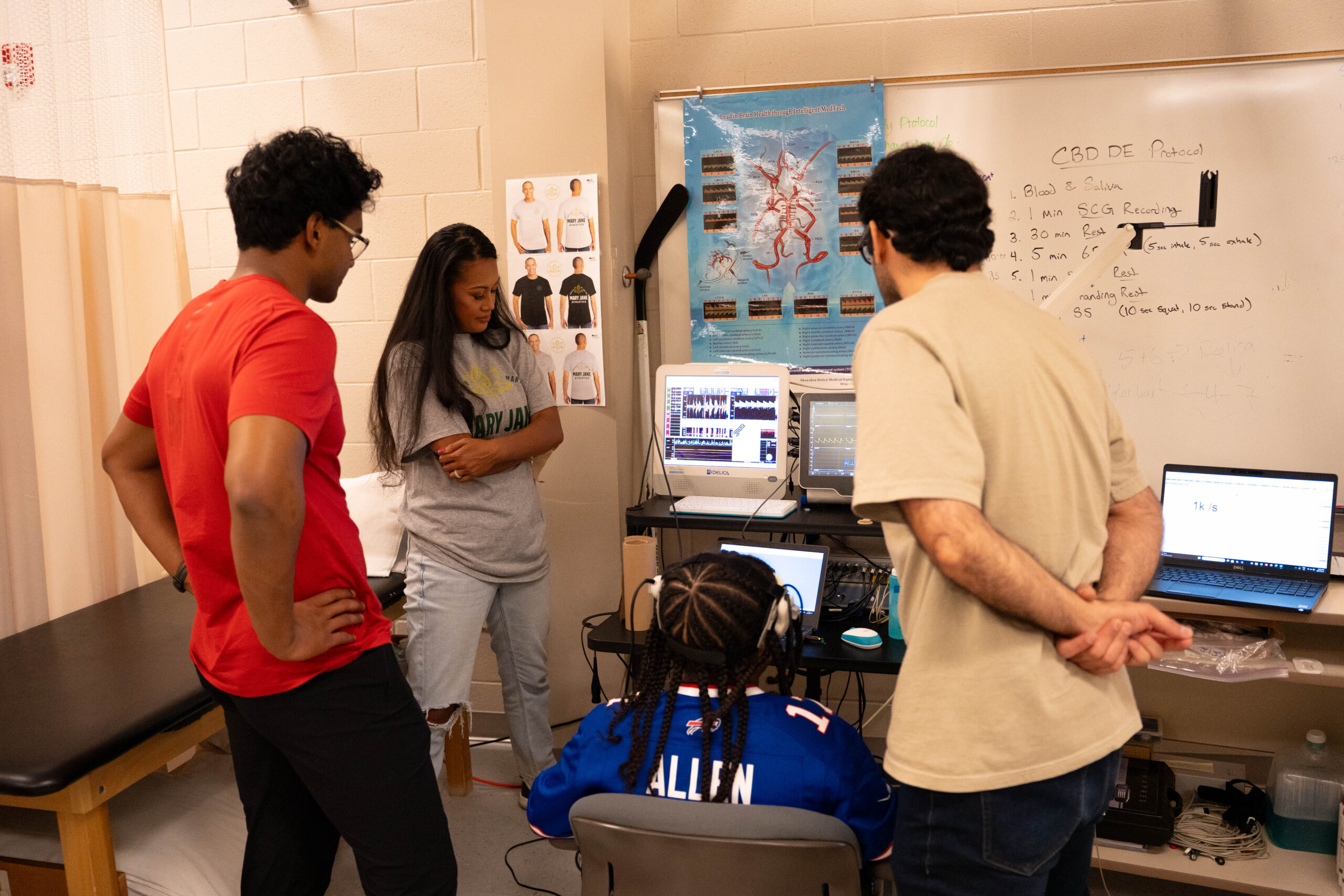
Her authority, however, did not originate in committee rooms. It originated in motherhood.
Being both scientist and mother has shaped Dr. Annabelle’s leadership in ways that are difficult to separate. Maternal instinct demands protection. Scientific training demands proof. She refuses to abandon either.
“I separate the roles, but I honor both,” she explains. “Maternal urgency can initiate inquiry. Only disciplined methodology can sustain it.”
That balance now defines her work.
Dr. Annabelle is also clear-eyed about modern wellness culture. The language of optimization and biohacking dominates social media. She is less interested in enhancement than in restoration. Many people chasing peak performance are metabolically exhausted and neurologically dysregulated. Sleep, nervous system balance, and emotional resilience remain foundational. Longevity is not about forcing biology forward. It is about helping the body adapt.
Health, as Dr. Annabelle defines it, is adaptive capacity — the ability to respond to stress without losing coherence and to inhabit work, family, and public life without fragmentation.
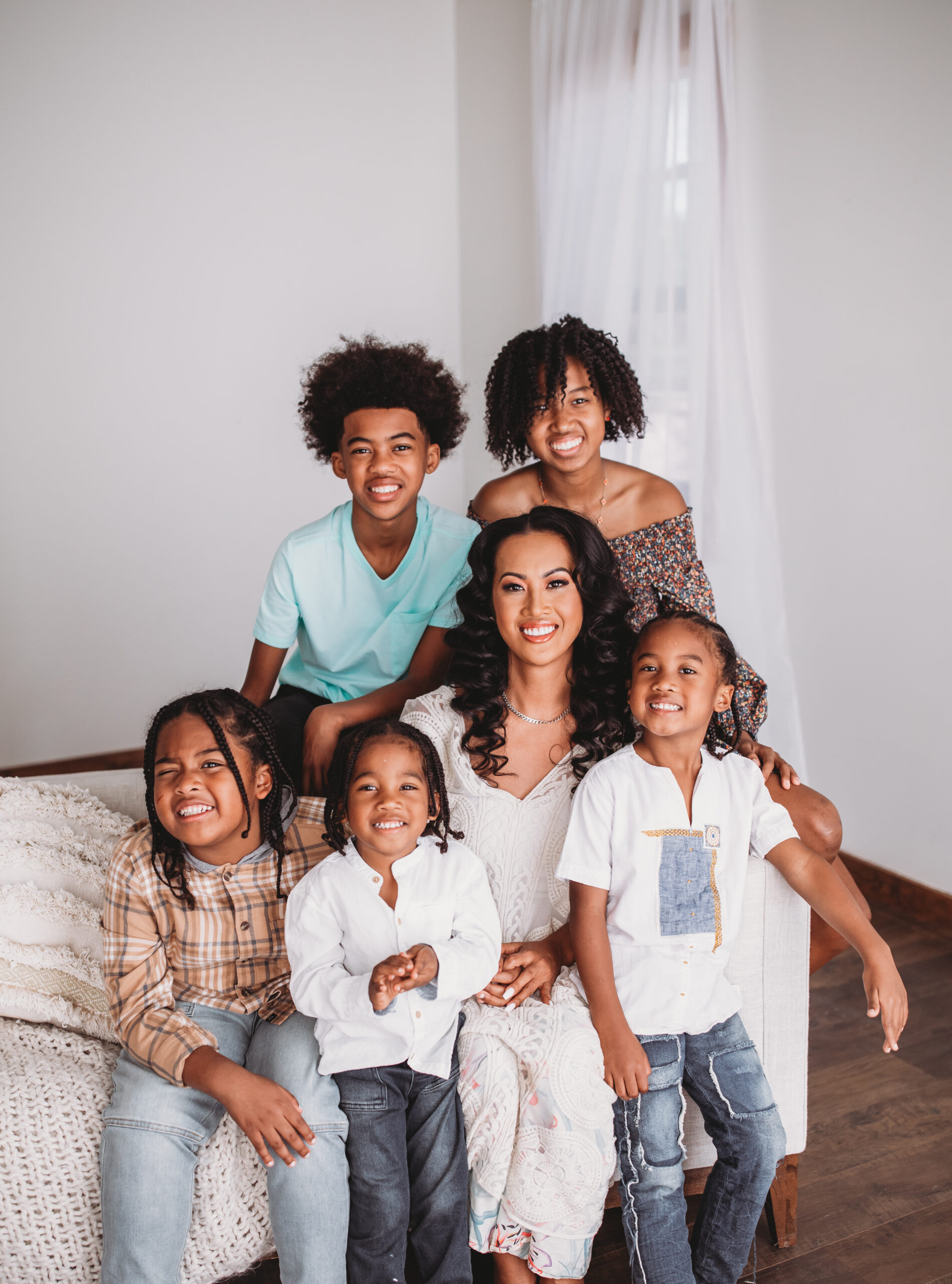
Macario’s journey continues to ripple outward. Inspired by his brother’s resilience, her eldest son BJ Williams founded BJ’s 38 Foundation at fourteen, honoring the 38 percent of brain tissue once defining Macario’s prognosis.
What began as a birthday fundraiser evolved into:
A prediction became a platform. This is not defiance. It is disciplined expansion.
For Dr. Annabelle Morgan, this story is not about defiance. It is about responsibility. When she confronted the limits of conventional care, she did not reject it. She asked what else could responsibly be added.
The result is a career built not on rebellion, but on disciplined expansion.
Modern medicine is powerful. It is also unfinished. When a mother challenges it with rigor rather than emotion, the conversation changes.
And sometimes, the child who was never supposed to walk becomes the quiet proof that possibility lives beyond prognosis.