


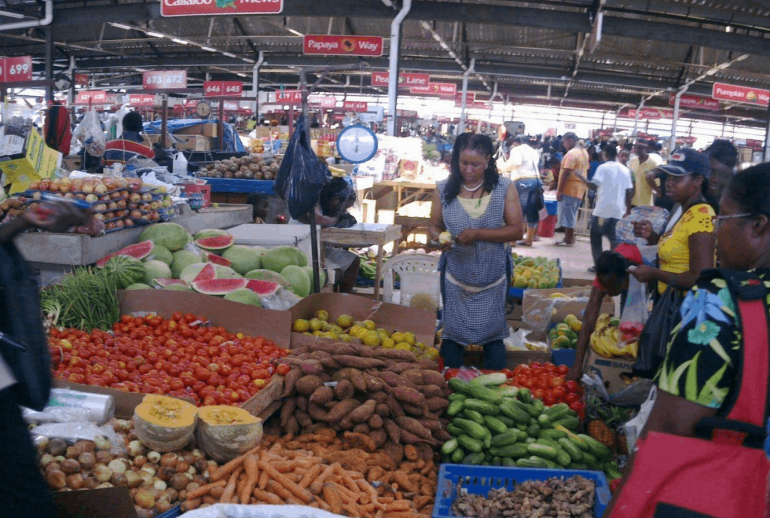
At five in the morning, downtown Kingston belongs to people most of the city will not see.
The vendors are already there.
The produce has arrived.
Plastic bags are being opened. Crates are being shifted. Handcarts move through narrow spaces. Someone is calling out a price. Someone else is asking where the yam came from. A buyer is already looking for the best bunch of bananas before the morning crowd arrives.
Outside, Kingston is still dark.
Inside Coronation Market, the day has already started.
That is the first thing to understand about Coronation Market. It is not simply a place where Kingston goes to buy food.
It is one of the places that helps Kingston get fed.
The Kingston and St Andrew Municipal Corporation lists Coronation Markets and its annexes as one of the municipality’s major wholesale and retail food markets, with 1,763 vending facilities offering ground provisions, fruits, vegetables and groceries. (Kingston & St. Andrew Council)
By the time most office workers are thinking about coffee, the market has already been trading for hours.
And at 5 AM, before the city arrives properly, you can see the system underneath the noise.
Coronation Market Kingston starts before Kingston does
There is a particular misconception about markets.
People imagine the market begins when the customers arrive.
It does not.
The market begins with movement.
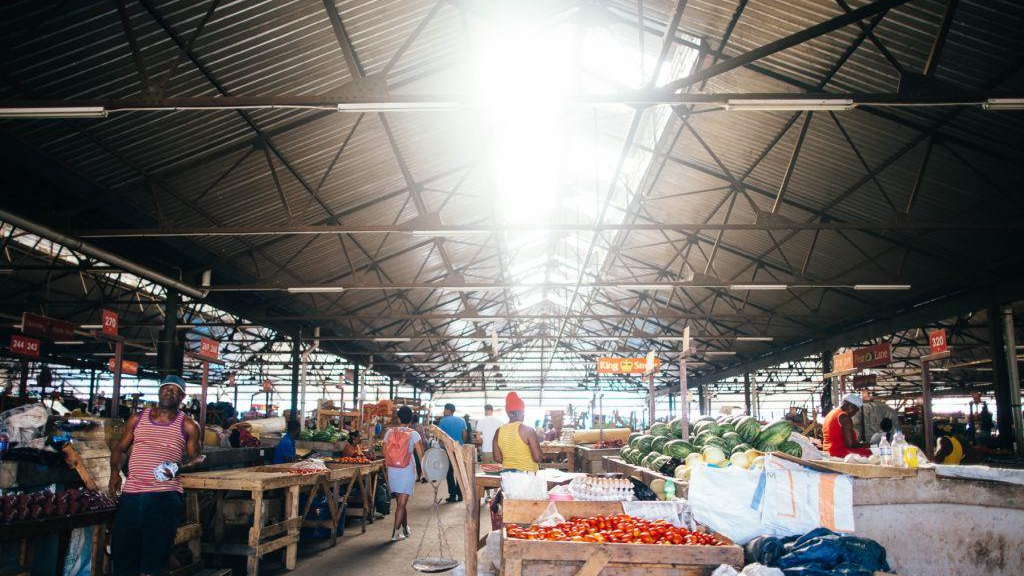
Farmers and traders have already sourced produce. Vendors have to get it into the market. Goods have to be sorted, displayed and priced. Buyers who know what they want can arrive early, sometimes before daylight, because early morning is when the market’s working rhythm is most apparent.
A recent account of shopping at Coronation describes arriving around 5:30 AM and finding the market still poorly lit in places, with shoppers using phone lights to examine produce. It is a useful reminder that “5 AM Coronation” is not a polished tourist experience. It is a working market. (Jamaican Cookery)
That distinction matters.
This is not the Jamaica of resort brochures.
It is the Jamaica of people getting the day’s food into the city’s hands.
The first thing you notice is not the colour
It is the sound.
Markets have their own acoustics.
A crate hits the ground.
A vendor calls to somebody across an aisle.
A buyer asks for a price.
A handcart rattles over the floor.
Plastic rustles.
Someone laughs.
Someone complains.
Somebody is already bargaining.
Then, gradually, the voices multiply.
By mid-morning, Coronation can feel almost theatrical.
At five, it is different.
The market is still becoming itself.
There are gaps between the voices. Spaces between customers. Moments when you can hear individual transactions rather than one continuous wall of sound.
That is when the market reveals its rhythm.
Not chaos.
Coordination.
Follow the produce
The best way to understand Coronation is not to start with the architecture.
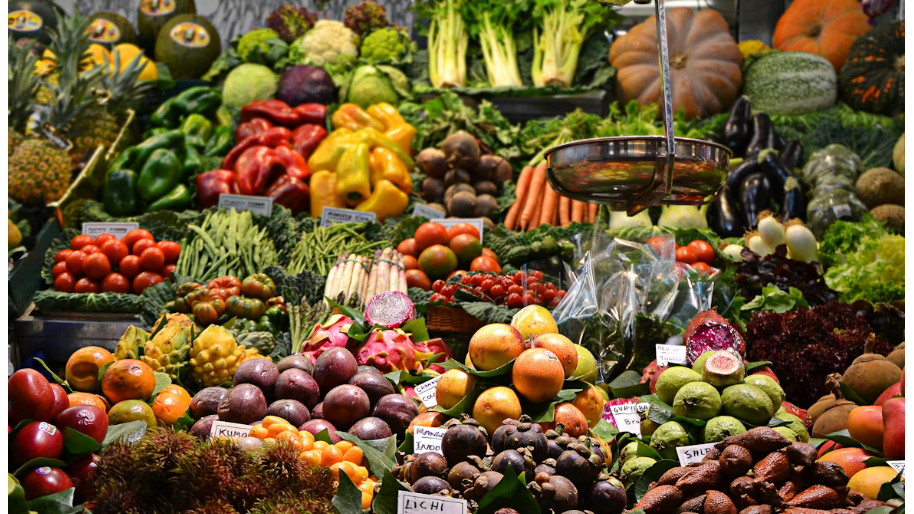
Start with what is on the ground.
Yam.
Potatoes.
Sweet potatoes.
Coco.
Bananas.
Plantains.
Dasheen.
Chocho.
Cabbage.
Tomatoes.
Callaloo.
Scallion.
Peppers.
Fruit in season.
The exact mix changes with supply, season and price.
That variability is part of the point.
Coronation connects the city to agricultural production beyond the city.
A 2015 Jamaica Information Service report described Coronation vendors as people who sourced produce despite crop shortages caused by drought, while another JIS account described more than 50 Coronation vendors taking their produce to an uptown farmers’ market. (Jamaica Information Service)
The market is therefore not an isolated downtown attraction.
It is a junction.
Farmers.
Higglers.
Wholesalers.
Retailers.
Restaurant buyers.
Households.
All meeting over food.
The people who arrive first know what they are doing
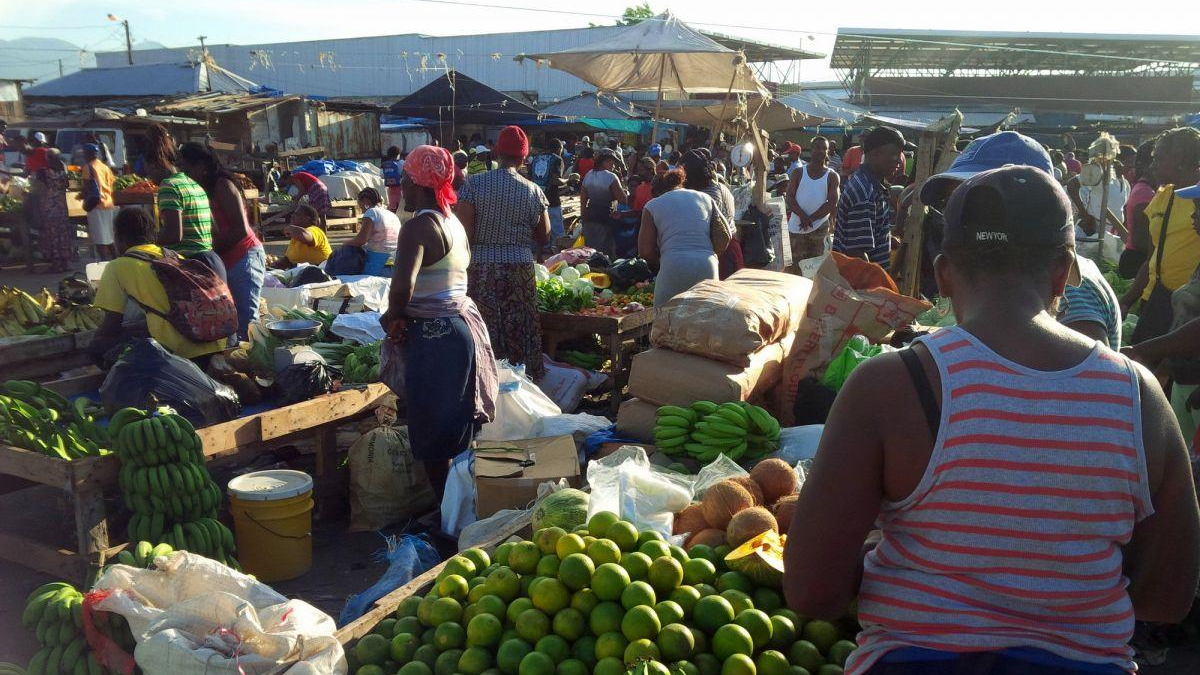
There is a difference between somebody visiting a market and somebody shopping a market.
The regular knows the questions.
Where did this come from?
When did it arrive?
Is this today’s?
How much for the whole bag?
What happened to the price?
Is there more inside?
Can you give me a better price if I take two?
They can look at a pile of produce and see differences that a casual shopper misses.
Freshness.
Size.
Ripeness.
Damage.
Variety.
Potential shelf life.
That knowledge is part of the market’s invisible infrastructure.
It does not appear on a sign.
It is transmitted through repetition.
A person learns from shopping.
A vendor learns from selling.
A farmer learns from what buyers reject.
And the information travels back through the chain.
“Higgler” is not just an old-fashioned word
Jamaica has its own vocabulary for market life.
Higgler is one of the most familiar.
The word carries a complicated history, but in Jamaica it is closely associated with informal trade, buying and selling and the movement of goods.
A higgler is not merely somebody standing behind a table.
The trade depends on relationships.
Who has produce.
Who needs produce.
Who can move it.
Who has customers.
Who knows a farmer.
Who knows what will sell today.
The market is a network before it is a building.
That is why simply describing Coronation as a collection of stalls misses what makes it important.
This is one of Kingston’s oldest commercial rhythms
Coronation did not appear in isolation.
Kingston’s market system has deep historical roots.
Markets such as Jubilee, Coronation, Solas and others helped structure the city’s commercial life, connecting produce arriving from different parts of Jamaica with consumers in Kingston. Historical accounts describe produce moving into the city by truck, tractor, dray and railway, with markets functioning as major points of exchange. (Jamaica Observer)
That history helps explain why downtown remains so important to Jamaica’s food trade.
The city grew around commerce.
The markets grew with it.
Then the city expanded outward.
Supermarkets appeared.
Shopping centres multiplied.
Kingston’s commercial centre changed.
But Coronation remained.
That persistence is part of the story.
At five, the city feels different
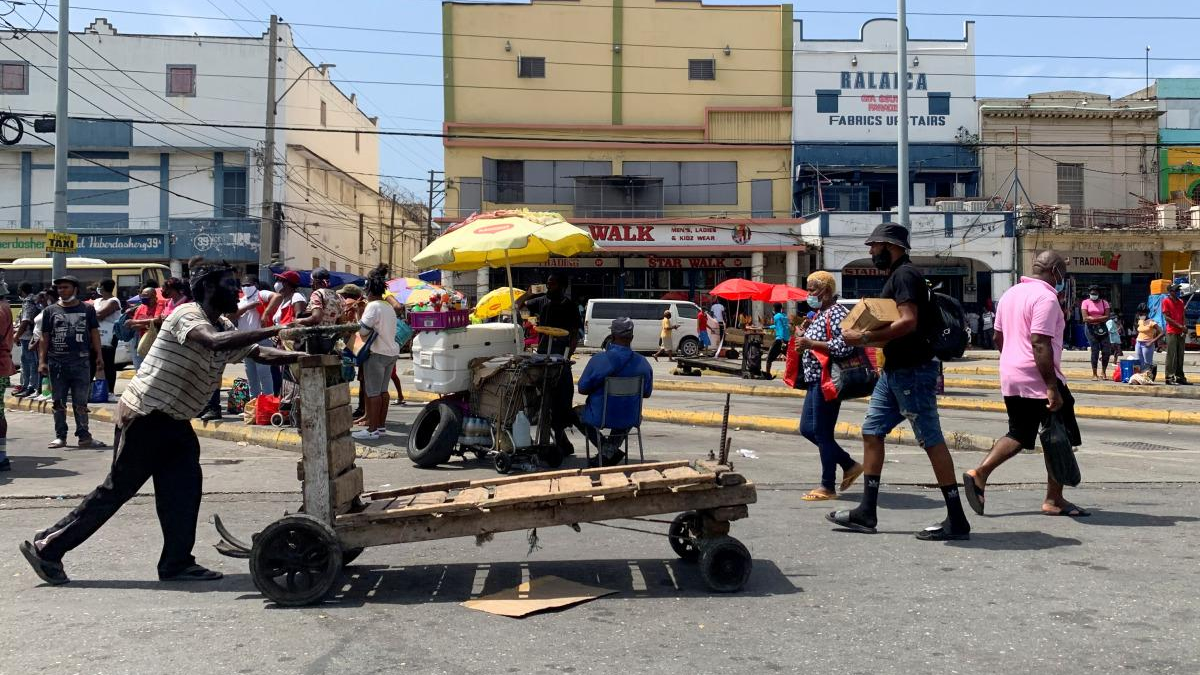
There is another reason to go early.
Kingston before sunrise is a different city.
The traffic has not built up.
The office workers are not moving through downtown.
The streets have not filled.
The market, however, is already awake.
That creates a strange inversion.
The city centre appears quiet from outside.
Inside, there is economic activity.
It is one of the great contradictions of urban life.
The people who make the city function are often moving before the people who work in its offices have left home.
And Coronation makes that visible.
The best produce is not necessarily the prettiest
This is another lesson the supermarket shopper can forget.
A supermarket trains you to expect uniformity.
Similar sizes.
Clean surfaces.
Neat rows.
Predictable packaging.
Markets work differently.
A pile of mangoes can be uneven.
A yam can be enormous.
A bunch of bananas can be at a different stage of ripeness from the one beside it.
A pepper can look slightly imperfect and still be exactly what somebody wants.
The shopper is expected to look.
Touch.
Ask.
Compare.
Choose.
That relationship between buyer and food is one of the reasons markets remain culturally important even as supermarkets become more convenient.
You are not simply selecting a packaged object.
You are evaluating produce.
Then the bargaining begins
Nobody should pretend every Coronation transaction is a theatrical performance of charming Jamaican bargaining.
Sometimes the price is simply the price.
Sometimes the buyer bargains.
Sometimes the vendor refuses.
Sometimes they meet somewhere in the middle.
But negotiation is part of the market’s social language.
The transaction can contain more information than the number on a price.
A vendor knows what the produce cost.
The buyer knows what they paid last week.
Both know what season it is.
Both know whether supply is tight.
The conversation is therefore part of price discovery.
It is economics conducted out loud.
That is one reason markets remain fascinating even for people who have no particular interest in shopping.
You can watch an economy negotiate with itself.
Coronation has seen Kingston at its best and worst
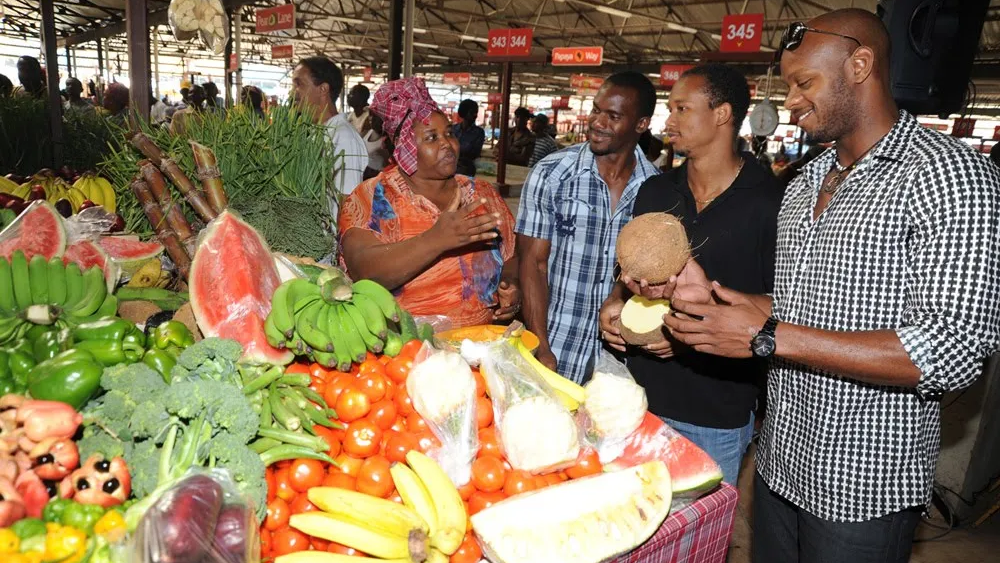
It would be dishonest to turn Coronation into a romantic postcard.
The market has had serious problems.
Crime has affected vendors and customers.
Infrastructure and sanitation have been longstanding concerns.
The market district has also experienced periods when fear, rumours and violence affected business.
In 2021, vendors told the Jamaica Observer that robberies and false reports about violence were hurting sales, while police increased their presence in the district. (Jamaica Observer)
Earlier reporting also documented significant problems with the physical condition and management of downtown markets. (Jamaica Gleaner)
Those realities belong in the story.
So does the fact that the market has repeatedly been renovated and improved.
After the 2010 violence in downtown Kingston, Coronation Market vendors were among those affected, and the market underwent subsequent renovation. The Kingston mayor’s office later highlighted improvements completed in 2011 and described continued efforts to improve management and upkeep. (Jamaica Parliament)
A real market is not cleanly divided into “beautiful” and “broken.”
It can be both.
It can be essential and difficult.
It can be vibrant and imperfect.
That is much more interesting than pretending otherwise.
There is a reason the market matters to people who never shop there
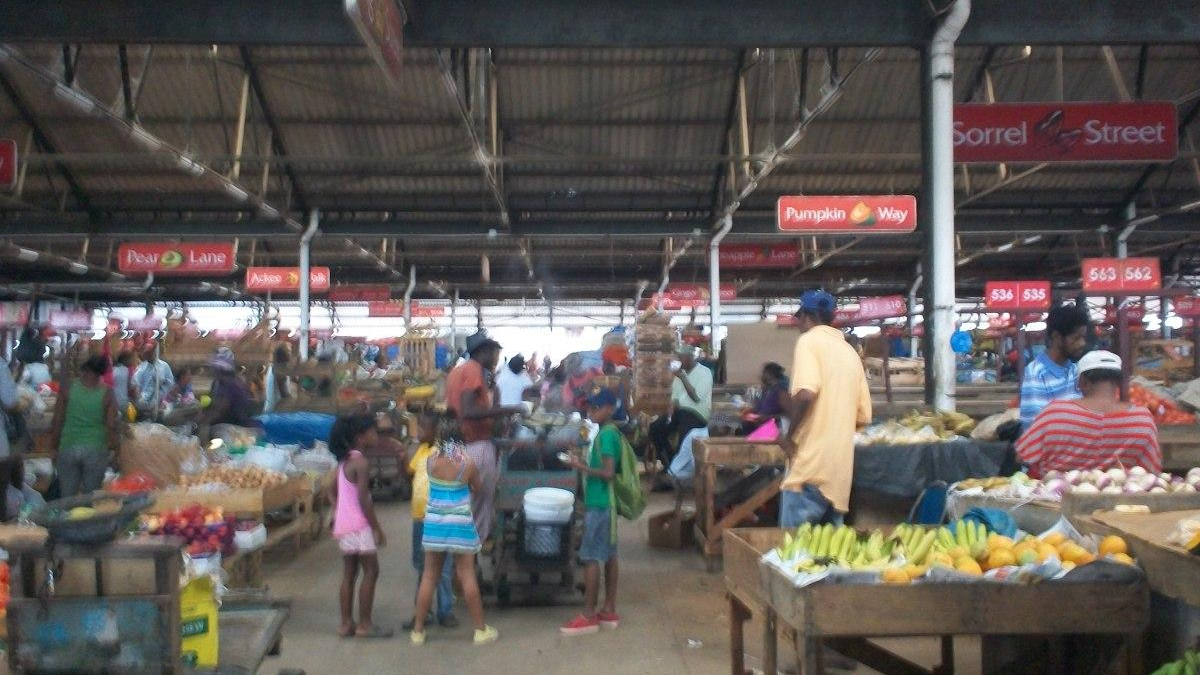
Walk into a supermarket and you are looking at the final stage of a food system.
Walk into Coronation early enough and you are closer to the machinery.
You see the people.
You see the volume.
You see the negotiation.
You see produce in quantities that make it obvious food does not simply appear on shelves.
That matters in a country where food security, agricultural production and food prices are serious national questions.
A market makes those questions tangible.
If yam prices change, somebody feels it.
If a crop fails, somebody feels it.
If transport costs rise, somebody feels it.
If a farmer cannot get a fair return, somebody eventually feels it.
The market is where those pressures meet the consumer.
And then Kingston starts arriving
At some point, the market changes.
The early-morning buyers are joined by more customers.
The quiet gaps disappear.
The voices overlap.
The aisles become harder to navigate.
The city outside becomes louder.
Kingston has woken up.
And Coronation has been awake the entire time.
That is perhaps the best reason to see it early.
At ten in the morning, you see the market as a destination.
At five, you see it as infrastructure.
The market is not performing for you
This is important if you are visiting.
Do not arrive expecting a curated cultural attraction.
Coronation is a working market.
People are there to make money.
People are there to buy food.
People are moving goods.
If you photograph somebody, ask first.
If you are in somebody’s way, move.
If you do not know what something is, ask rather than grabbing it.
And if you want to experience the market properly, go with someone who knows it.
The market rewards context.
A local can tell you what is worth buying, what is in season, which areas sell what, when to arrive and how to move through the space without becoming another obstacle.
The difference between being a visitor and being a nuisance is often simply awareness.
Go hungry, but know what you are looking for
If you are going to Coronation at five in the morning, do not arrive with a rigid shopping list and a stopwatch.
Leave room for discovery.
Look at what is actually abundant that day.
Ask vendors what is fresh.
Watch what regular customers are buying.
Pay attention to the produce that keeps moving.
The market can tell you what Jamaica is eating right now.
That may be more interesting than any restaurant trend report.
There is a bigger story hiding in the market
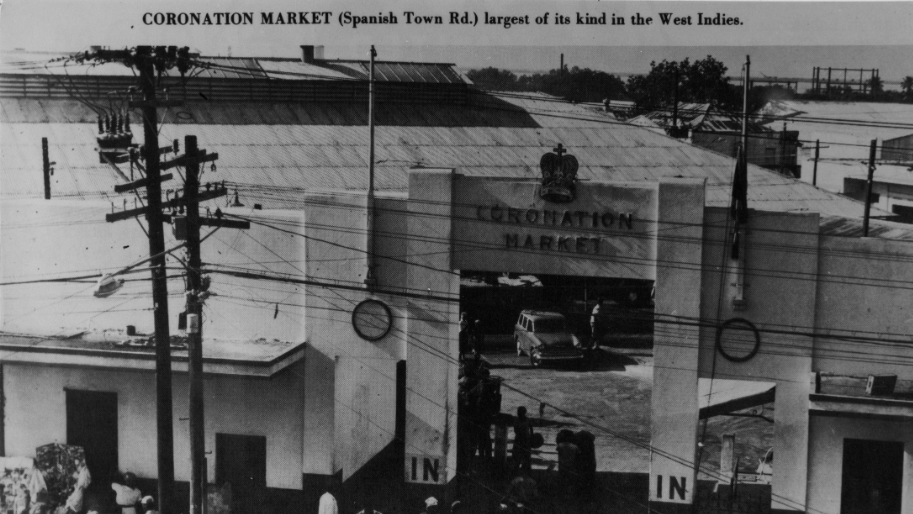
Coronation is often discussed as a downtown Kingston issue.
It is more than that.
It is part of Jamaica’s food infrastructure.
It connects rural production with urban consumption.
It supports thousands of transactions.
It provides livelihoods.
It preserves forms of trading knowledge that predate modern supermarkets.
And it keeps downtown connected to the agricultural Jamaica outside the city.
The market is therefore a physical expression of something Jamaica sometimes forgets.
The island is not just beaches, hotels and restaurants.
There is a country behind the plate.
Coronation is one of the places where you can watch that country arrive.
By sunrise, the secret is gone
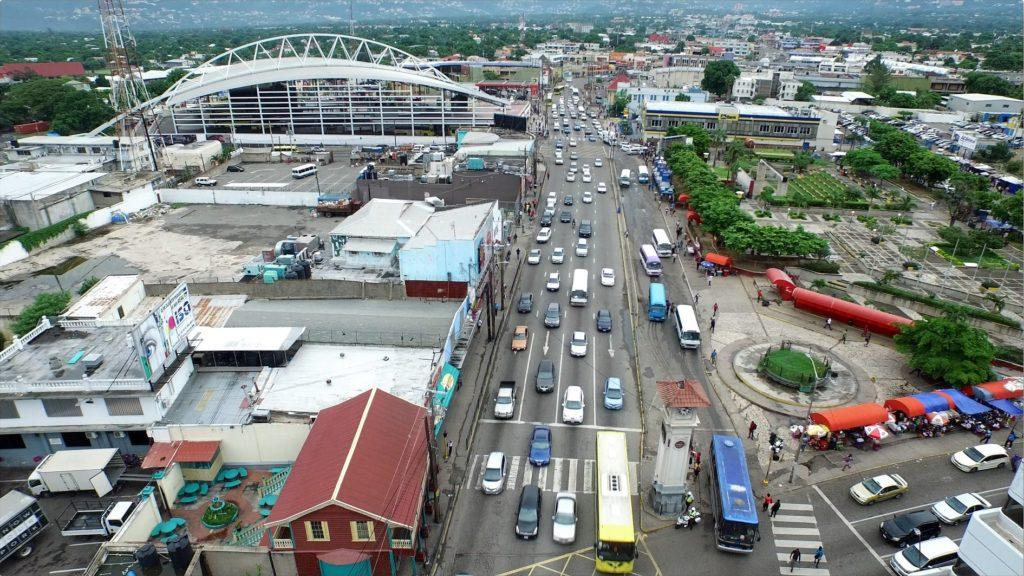
The magic of Coronation at 5 AM is not that it is empty.
It is that the market is already full of life before most of Kingston has noticed.
The vendors are there.
The produce is there.
The negotiations have started.
The work is underway.
Then the sky lightens.
The roads fill.
The city arrives.
And Coronation becomes what everybody knows it as: busy, loud, crowded, colourful and impossible to ignore.
But if you arrive before sunrise, you get to see something else.
Not a tourist attraction.
Not a nostalgic version of Kingston.
Not a market performing Jamaican culture for an audience.
You see a working city feeding itself.
And for a few hours before Kingston wakes up, you can hear the machinery underneath it.
Frequently Asked Questions
Where is Coronation Market in Kingston?
Coronation Market is in downtown Kingston, with the Kingston and St Andrew Municipal Corporation listing the market and its annexes at 34½ Spanish Town Road. (Kingston & St. Andrew Council)
What can you buy at Coronation Market?
The market specialises in wholesale and retail food products, including ground provisions, fruits, vegetables and groceries. What is available changes with season, supply and demand. (Kingston & St. Andrew Council)
What time should you visit Coronation Market?
There is no single official “5 AM opening” time that should be treated as universal. Trading activity begins early, and accounts from early-morning shoppers describe arriving around 5:30 AM. The exact experience varies by vendor, day and market section. (Jamaican Cookery)
Is Coronation Market worth visiting as a tourist?
Yes, if you are interested in Jamaican food culture and everyday Kingston rather than a curated attraction. It is a working market, so visitors should be respectful, ask before photographing people and avoid obstructing vendors or shoppers.
Is Coronation Market safe?
Conditions can change, and the market has experienced documented problems with robbery and other crime in the past. Visitors should check current local conditions, go with someone familiar with the area where possible and use normal urban safety precautions. Historical reporting should not be treated as a current crime assessment. (Jamaica Observer)
Why is Coronation Market important to Kingston?
It is a major wholesale and retail food market connecting agricultural producers, traders, vendors and consumers. The municipal corporation lists 1,763 vending facilities across the Coronation Markets and annexes. (Kingston & St. Andrew Council)
What is a higgler in Jamaica?
“Higgler” is a Jamaican term historically associated with people involved in buying and selling goods, particularly through informal and market-based trade. The term is closely associated with Jamaica’s long-established trading culture.