


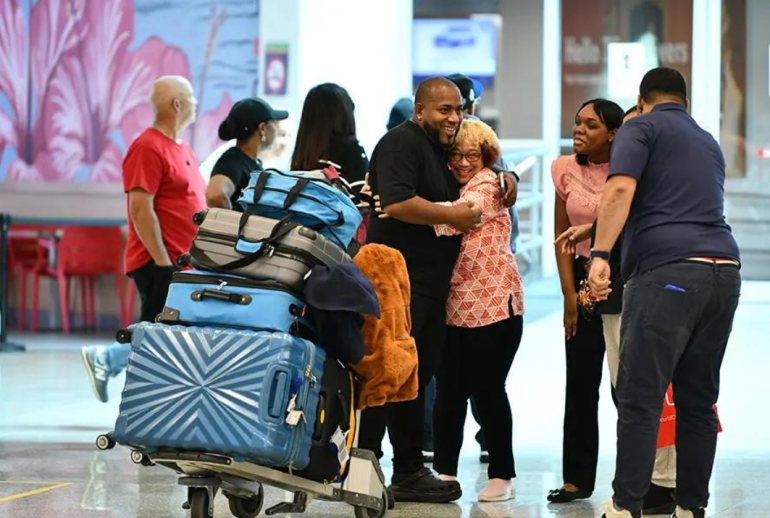
For decades, Jamaica’s diaspora story was mostly told in one direction.
People left. They went to Britain, the United States, Canada, and later elsewhere. They sent money. They built houses. They returned for Christmas, for funerals, for weddings, for retirement.
What is changing is not that Jamaicans suddenly started returning home. They always did.
What is changing is the role Jamaica is asking them to play when they do.
Return Has Never Been One Thing
There is no single returning Jamaican.
Some people come back permanently. Some divide their lives between countries. Some return after retirement. Some come back to start businesses. Others return because parents are ageing, children need different surroundings, or a life abroad has stopped feeling permanent.
The official numbers are useful precisely because they resist a simple story.
Jamaica Customs recorded 867 voluntary returnees in 2021. The figure fell to 789 in 2022, then rose to 943 in 2023.
That is not a straight line.
It is still significant. The 2023 figure was the highest in that reviewed series, and the movement it describes is real. The pattern is simply more complicated than a steady climb.
The 2023 returnees came mainly from the United States, 575 of them, followed by the United Kingdom with 162, Canada with 131, and 75 from elsewhere.
One detail matters for reading any of these figures. Jamaica Customs requires only one adult member of a returning family to register, which means the actual number of people returning is likely higher than the recorded total.
Coming Home Is Not the Same as Never Leaving Again
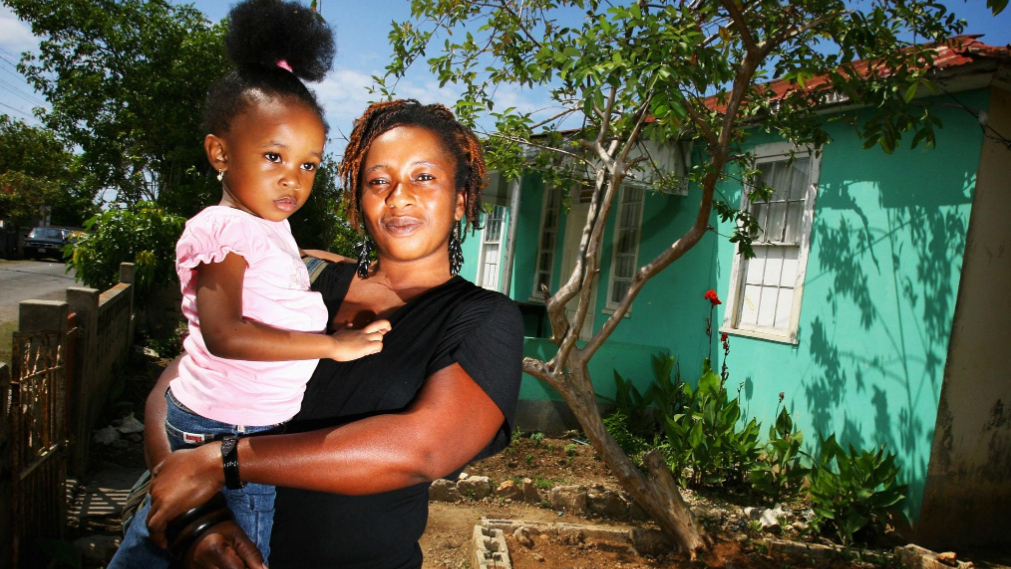
Migration used to be easier to describe as departure. Modern diaspora life makes that less useful.
A person can own a house in Jamaica and work abroad. A family can spend part of the year on the island. Children can be educated in one country while parents maintain businesses in another. Retirement can happen gradually.
Return can begin with land. Then a house. Then longer stays. Then a move.
The old distinction between living abroad and living in Jamaica still exists. It is simply no longer enough to describe everybody between those two positions.
Jamaica Has Built Systems Around the Return
The state already recognises returning residents as a distinct category.
Jamaica Customs maintains a returning-resident framework allowing qualifying people who have lived abroad to bring certain personal and household effects into the country under specific rules.
That may look purely administrative. It tells a larger story.
Return migration is significant enough to have its own bureaucracy. There are definitions, documentation requirements, eligibility periods, concessions, and processes built around the fact that Jamaicans leave and later come back with lives accumulated elsewhere.
The suitcase is not the interesting part. The institutional recognition is.
The Diaspora Is No Longer Discussed Only Through Remittances
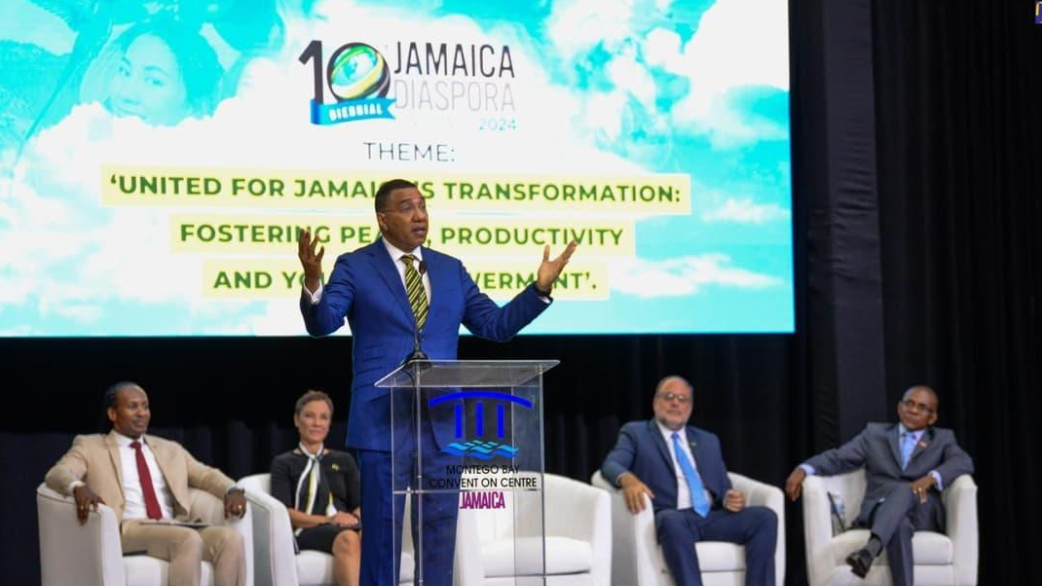
Remittances remain one of the most visible links between Jamaica and Jamaicans overseas.
But government language around the diaspora has widened. Diaspora conferences now discuss investment, professional expertise, entrepreneurship, technology, health, education and development.
Overseas Jamaicans are being addressed not simply as people who send money home. They are being asked to participate.
That changes the meaning of return even for people who never permanently relocate.
A Jamaican in New York can invest. A doctor in Toronto can contribute expertise. A family in London can buy property. An entrepreneur can start something in Kingston while still living elsewhere.
The connection becomes economic and institutional as well as emotional.
The Return Brings Different Expectations With It
People do not come home as the same people who left.
They bring habits formed somewhere else. Expectations about customer service, public systems, schools, property transactions, healthcare, digital access, banking, work culture.
Sometimes those expectations fit easily. Sometimes they collide with how Jamaica actually works.
That tension is part of return migration too. Home can be deeply familiar and operationally frustrating at the same time.
The person who remembers Jamaica is not always returning to the Jamaica that now exists. And the country receiving them is not receiving the person who left.
Both have changed.
Not Every Return Is a Choice
This distinction matters enough to state plainly.
Alongside voluntary returnees, Jamaica recorded 574 involuntary returned migrants in 2023, people returned through deportation rather than decision. The majority came from the United States, 360, with 140 from other countries, 45 from Canada, and 29 from the United Kingdom.
Deportation and voluntary return do not belong inside the same narrative simply because both end with a person physically back in Jamaica. The circumstances, the resources, and the reception are entirely different.
That difference has its own institutional architecture. Guidance published by the UK government in December 2025 describes a reintegration package available to people returning to Jamaica, including airport reception, short-term accommodation, transport, documentation support, assistance reuniting with family, mental wellbeing support, and access to a Returnee Education and Entrepreneurship Fund for job-market entry, business start-up or vocational training.
A person arriving with capital and a property search underway and a person arriving into a structured reintegration programme are both returnees in the statistical sense. Almost nothing else about the two experiences is comparable.
The Numbers Need Context
A few hundred or a thousand returning residents in a year do not amount to a demographic reversal of decades of migration.
Jamaica still has an enormous population abroad. People still leave.
The story is not that migration has reversed. It is that the relationship between leaving and returning has become more fluid.
The Diaspora Is Becoming a Domestic Constituency
That may be the larger change.
Jamaica increasingly speaks to its diaspora as though it has a role inside the country’s future rather than outside it.
That role can be awkward. People abroad may have capital without local knowledge. People at home may resent being told how Jamaica should work by people who left. Returning residents can be treated as both insiders and outsiders. Diaspora Jamaicans can feel fully Jamaican abroad and unexpectedly foreign once they return.
None of that makes the relationship less important. It makes it more real.
A diaspora does not stop being part of a country simply because it lives somewhere else. The harder question is how that connection functions when money, property, expertise and people begin moving back in the other direction.
Home Is Becoming Less Binary
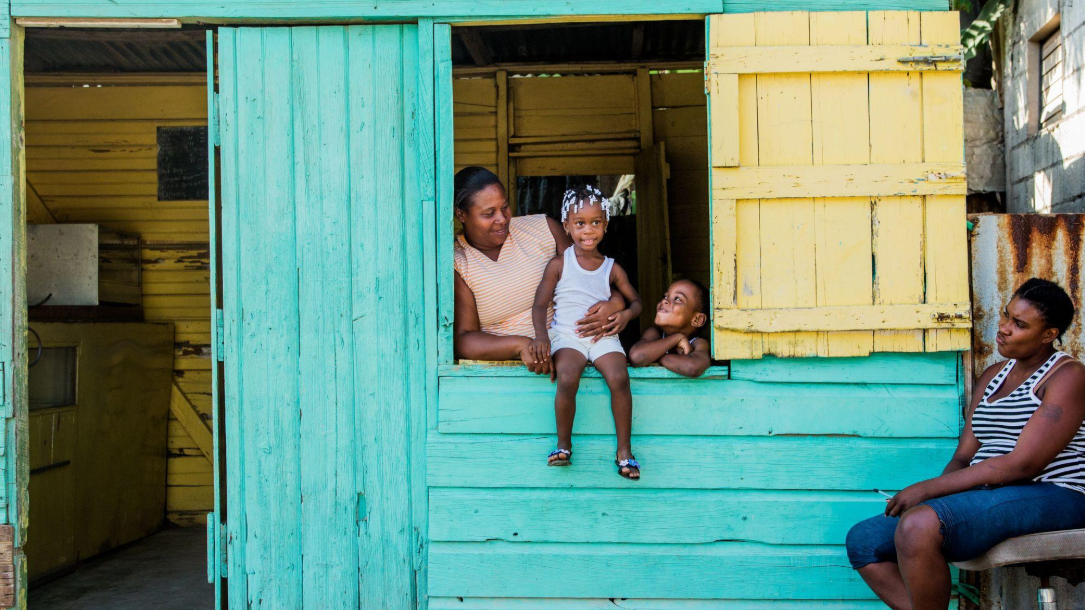
For many Jamaicans, home was never one address.
It was the house in Jamaica and the apartment abroad. The family here and the job there. Christmas flights. Barrels. Phone calls. Land waiting for something to happen. Retirement plans that moved forward and backward.
The difference now is that Jamaica is increasingly building policy, investment language and public expectations around that relationship.
Return is becoming less of an ending. It can be another form of participation.
The important shift is therefore not simply how many Jamaicans come home in a given year. It is what happens when the country begins treating people abroad as part of what comes next.
Frequently Asked Questions
Are more Jamaicans returning home?
Return migration has increased in recent years, but the data does not show a steady annual climb. Jamaica Customs recorded 867 voluntary returnees in 2021, 789 in 2022, and 943 in 2023, the highest figure in that series.
Where do returning Jamaicans come from?
In 2023, most voluntary returnees came from the United States, 575, followed by the United Kingdom with 162, Canada with 131, and 75 from other locations.
What is a returning resident in Jamaica?
Jamaica Customs uses a formal returning-resident category for qualifying Jamaicans or former residents who have lived abroad and return to establish residence in Jamaica, subject to specific eligibility rules.
Does Jamaica give returning residents special concessions?
Qualifying returning residents may receive concessions on certain personal and household effects under Jamaica Customs rules. Current eligibility and documentation requirements should be checked directly with Customs.
Are deportees counted as returning Jamaicans?
They appear in migration reporting as involuntary returned migrants, 574 in 2023, but they represent a separate category from people who voluntarily return to live in Jamaica, with different circumstances and different support structures.
Why is the Jamaican diaspora important to the country?
The diaspora contributes through remittances, investment, professional expertise, family support and business activity. Government policy increasingly treats overseas Jamaicans as development partners rather than only as remittance senders.